

Bihar Voter List 2025 Update: Latest Indian Political News, Missing Names, Supreme Court Action

Estimated reading time: 13 minutes
Thank you for reading this post, don't forget to subscribe!Indian Political News Today (2025): Where Bihar Voter List Status Stirs Hopes and Fears
The sound of rally drums echoes from Delhi’s wide boulevards to Bihar’s sun-baked village lanes. Political banners, billboards, and rolling news tickers demand attention at every turn. It’s the charged season before the 2025 Bihar Assembly polls. National headlines swirl with court battles, new bills, and warnings about demographic shifts, while in Bihar, families gather to check if their names remain on the new voter rolls.
This year, hope and worry mingle over the right to vote in every household. The updated Bihar voter list has struck out millions—removing the dead, the missing, and, some claim, the invisible poor. Allegations and objections fill the air as the Election Commission, political leaders, and the Supreme Court spar over fairness. The voter list now feels personal; in 2025, showing up and having a voice in India’s future starts with a simple search for your name.
Watch the latest report on these key changes in Bihar’s voter list here: Bihar’s Missing Voters: Supreme Court Raps Political Parties For Inaction | India Today News
India’s Political Climate Today: Power Plays and Public Sentiment
Every city corner and small-town tea stall is buzzing with talk of politics. From Delhi’s parliament to the farms of Bihar, power struggles and alliances draw sharp lines. Decisions made in high offices ripple out to the fields and city bus stops, affecting daily life in ways people feel at the market, in the news, and even at the dinner table.
Recent Moves and Power Plays Shaping India
Political parties are chasing headlines with every action, looking to lock in every possible vote. The Bharatiya Janata Party (BJP) keeps a tight grip after years in power. Led by Narendra Modi, the party pushes economic reforms and strongman policies, sparking debate on everything from trade to welfare. At the same time, opposition parties such as Congress join hands with regional players, hoping to upset the ruling party’s hold, especially as the Bihar polls draw near.
Government actions in 2025 have sent shockwaves through daily life:
- Sweeping welfare changes have been announced, some praised by working families and others questioned for leaving the poorest behind.
- Key bills around citizenship, farm support, and minority protections bring protests and rallies, with arguments spilling into TV studios and local shops.
- Foreign policy twists draw global attention. New Delhi’s difficult relationship with Washington and Beijing shapes what shows up on store shelves and how much families pay for basics. For more context, see this update on US-India diplomatic strains.
How Major Parties and Leaders Affect Daily Life
Charismatic faces and trusted old hands all flood the screens and flyers. Modi’s every speech is broadcast, giving hope to some and stoking concern in others. Congress tries to project stability, while regional leaders—especially in Bihar—promise new roads, better schools, and steady jobs. Election season feels like a tug-of-war with sharp elbows and quick shifts.
For people in Bihar, the impact is hard to ignore:
- Promises about farm reforms, local jobs, and urban infrastructure fill every rally.
- The voter list saga has made people wary of political promises, especially after millions found their names missing.
- Street-level activism is up, with citizens challenging leaders to address everything from inflation to the fairness of the electoral roll.
Social Issues and the Mood on the Ground
Step outside during campaign time, and politics is hard to escape. Ordinary folks talk about:
- Soaring prices, especially for food and fuel.
- Worry about job security and shrinking wages, as some industries struggle.
- Safety and justice concerns, sparked by stories in media and neighborhood gossip.
Public anger grows over stories of exclusion from voter lists. At the same time, there’s determination. People wait in line to check election rolls, help neighbors fix documents, and discuss who truly works for their interests during chai breaks and family dinners.
Key Themes Driving the National Conversation
- Trust in Leadership: Voters weigh every statement and gesture from national and state leaders, hunting for evidence of real change.
- Policy Fallout: Each new law or decision triggers immediate debate—social media lights up with opinions, while street protests keep the pressure on.
- Aspiration vs. Anxiety: Hope for a better future wrestles with fear about rights and livelihoods, especially as the Bihar voter list controversy keeps the country on edge.
India’s political climate in 2025 is fast-moving and full of sharp contrasts. Every headline signals a new move or a shift in public mood. The power games in Delhi send ripples through each state, but nothing stirs hearts like the question of who gets to vote and whose voice counts.
Special Intensive Revision: Bihar’s 2025 Voter List Overhaul
This year, the rhythm of democracy in Bihar beats with new urgency. The Special Intensive Revision (SIR) of the voter list has taken center stage, turning election offices into hives of activity. The process touches almost every home, fueling both hope and nervousness about each resident’s right to vote. On narrow roads and in buzzing town halls, the push to clean the rolls feels less like a routine update, and more like a giant audit of who belongs in the heart of Bihar’s democracy.
How the Voter Verification Process Works
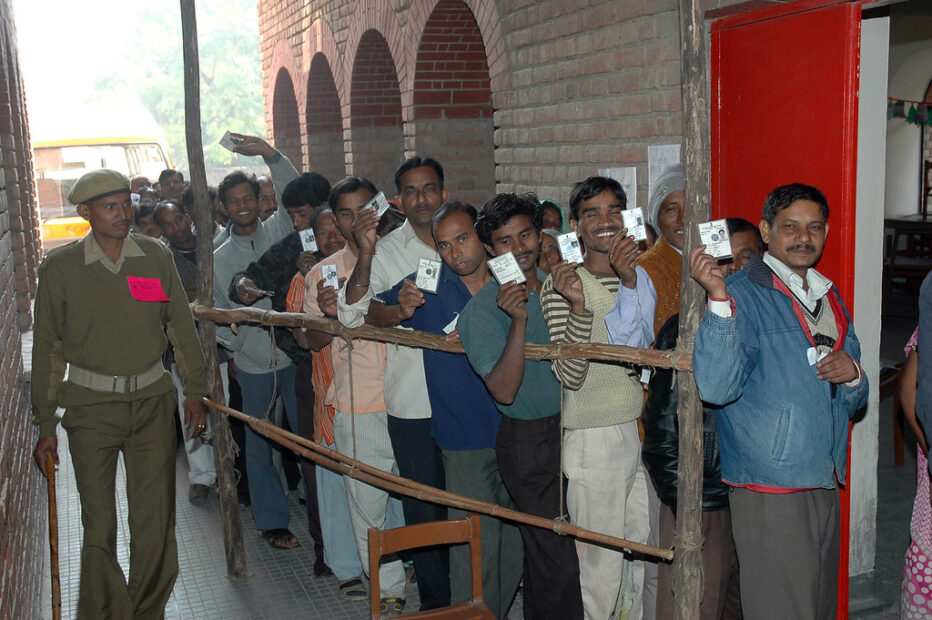
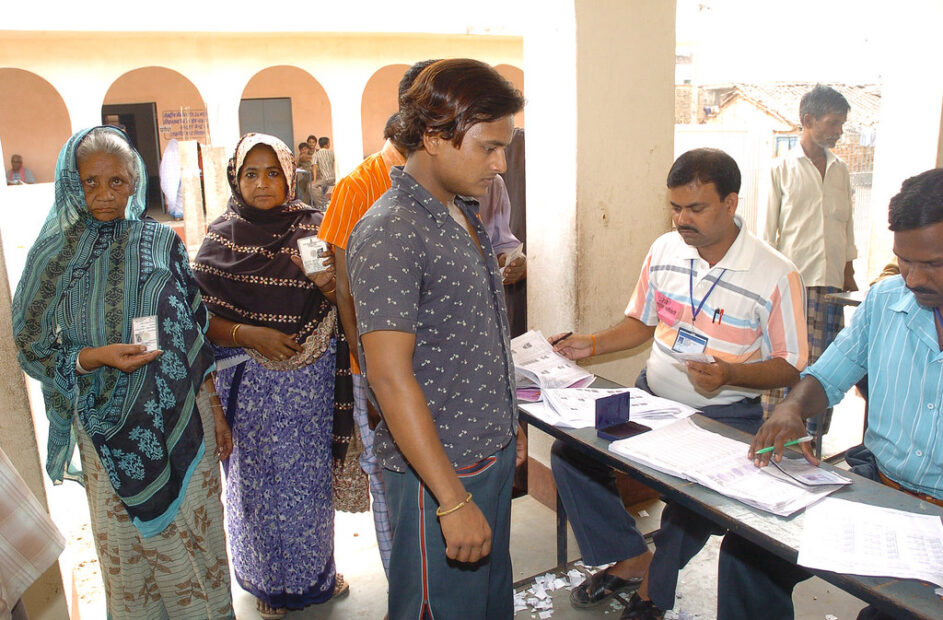
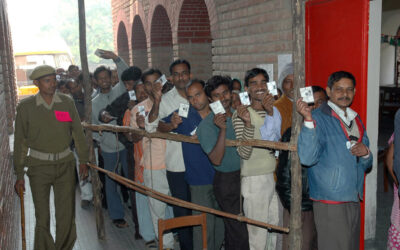
Picture the early morning lines winding outside school buildings and panchayat offices. People clutch dog-eared folders full of papers, waiting for their turn as government staff check lists and cross names. This is the face of the Special Intensive Revision. The Election Commission has tasked teams across Bihar to update the rolls and weed out errors, dead names, and duplicates. Here’s how it plays out step by step:
- Document Submission:
Voters are asked to show proof of identity and address—Aadhaar, voter cards, ration cards, or any of 11 government-approved documents. In many towns, officials stress the use of Aadhaar to confirm identities and link records. - Door-to-Door Checks:
Booth Level Agents (BLAs) hit the streets, visiting homes to verify details. They compare old rolls with new claims, collecting updates and spotting discrepancies. - Claim and Objection Windows:
If your name is missing, you can file a claim to be included. If you spot someone listed who shouldn’t be, you can submit an objection. This window runs for a few weeks, with deadlines fixed by the Election Commission. - Behind-the-Scenes Audit:
Government staff work late, sorting stacks of application forms, entering fresh details into digital databases. Supervisors push to meet targets before the next hearing or publication deadline. - Public Draft Display:
Updated lists are posted in public places. Long lines form again as families scan printouts for their own and their relatives’ names. - Digital Integration:
Technology plays a growing role. Many forms are filled out online, and Aadhaar gets used for real-time matching, speeding up the checks but also raising debates about data errors and privacy.
For a full breakdown of this process, see the Election Commission of India’s official SIR documentation.
What sets this revision apart is the scale and speed—and the constant presence of technology. Staff face pressure from every side: meet quotas, avoid mistakes, and keep the peace as tempers rise in the crowd. Political agents hover nearby, watching the officials, eager to help or to spot anything amiss.
Voices Left Out: The Exclusion Crisis
In the scramble to purge and update the rolls, about 65 lakh voters found their names missing. The stories behind those missing names are as varied as Bihar itself.
Who gets left out most often?
- Women who’ve moved for marriage
In a state where brides often cross districts to join new families, paperwork rarely keeps up. Many discover too late that their old home cut their name, but the new one didn’t add it. - The elderly and bedridden
Those unable to come out for verifications are at risk. If no one advocates for them, their records quietly vanish. - Daily migrants and seasonal workers
Moving for work, some lose their link to any one place. When an agent knocks, these voters might be in another state or city.
Election officers say about a third of deletions were because names belonged to the deceased, and many more were flagged as “migrated” or “duplicate.” But out in the communities, disappointment mixes with suspicion. A mother looks up her daughter’s name and finds it gone, though she’s lived there since birth. A grandfather checks for his late wife’s name, relieved that it’s finally marked as “deleted,” but then sees his own name missing.
This crisis sparks hard conversations around dinner tables and in chai stalls:
- Was the update fair, or was it rushed?
- Are some neighborhoods or castes losing voice more than others?
- What happens if you spot the erasure too late?
Civil groups and political parties are pushing back, demanding the system “do no harm” when deleting lives off the list. Read more about the voter deletion controversy and its social fallout.
Legal Battles and the Supreme Court’s Watchful Eye
The uproar landed squarely in the Supreme Court. Judges are not just observers—they are driving how this process will unfold in the weeks before the election.
The Court has criticized the slow response from political parties in helping voters get back on the rolls. Recent hearings, including those on August 12 and 13, pushed the government to clarify its methods and timelines. Judges asked the Election Commission to ensure people could use Aadhaar or any other government-approved document for verification, recognizing that not every voter will have the same proof.
Key developments include:
- Court-Mandated Deadlines:
The Election Commission has to finalize responses by set dates in September. Fresh hearings are expected between September 8 and 13, just weeks before the polls. The Court made it clear: if the process proves biased or illegal, it can strike down the revisions—even if that means changing the rolls at the last minute. For more, see this comprehensive update on the Supreme Court’s oversight. - More Scrutiny on Political Parties:
Political organizations must instruct their booth agents to help people file claims and objections, rather than staying on the sidelines. - Public Outcry and Tension:
Communities feel the stress as pending court rulings keep the fate of lakhs of names uncertain. Skirmishes sometimes break out at revision offices. Local leaders try to calm crowds, promising help but demanding patience.
The entire exercise reveals a sharp challenge for Indian democracy: Is it possible to clean up voter lists with speed and precision, while fully protecting each citizen’s right to vote? In Bihar’s SIR revision, every correction is a flashpoint, every hearing a new stage in an unfolding national debate.
Political Participation and the Citizen’s Role
When democracy is on the line, action does not trickle down from Delhi — it rises from the fields, markets, and homes across Bihar. This year, the revised voter list is being checked not just in government offices but at kitchen tables and on street corners. Political participation is no longer a slogan beamed from billboards but a living, breathing effort people join every day. Neighbors urge each other to check papers, volunteers work overtime, and even the smallest success — one name added, one error fixed — feels like winning a small battle.
Grassroots Action: Stories from the Field
In the villages of Gaya and the alleyways of Patna, the push for fair rolls has become a test of patience and pride. Take Mithilesh, a tailor in Begusarai, who stood outside his local school for hours just to fill out Form 6 again. “My name was cut after my father’s death,” he shares, holding his faded Aadhaar card. “The official kept asking for more proof. I felt invisible, but then my neighbor, Sangeeta, brought her documents too, and together we figured it out.”
These scenes play out every morning as the deadline nears. Booth Level Agents (BLAs), sweating in the July heat, knock on doors. “We have to finish this by next week,” sighs Ashok, a BLA in Madhubani. “Sometimes, people get angry when we ask for the same documents twice, but it’s because mistakes happen.” He pulls out a handwritten list of voters who need follow-ups. Some are old and can’t walk to the verification center; others are gone for work but might return before the next festival.
Officials face constant pressure from higher-ups to meet quotas. One local officer admits, “Calls come every day. Did you hit your number? Are any big families missing? Nobody wants a protest at their door, especially after last week’s shouting match.” The stress is obvious, but many take pride in doing the job right. One BLA, Reena, beams after making sure a migrant worker’s wife, Laxmi, was finally added to the list. “If we left her out, who would fight for her vote?” she asks, dusting off her sari.
Small victories matter. In some wards, local youth groups set up help desks. “We go house to house, reminding elders to keep their papers ready,” says Nitesh, a young volunteer. “Last year, my uncle’s name was cut and only got restored after a neighbor noticed it missing. Now, we check for everyone.” Even neighborhood shopkeepers ask every customer if their name is on the new rolls.
The mood shifts between hope and frustration. There are cheers when someone’s name reappears, and sighs when people have to return the next day. Some voice distrust — “Why are so many from our mohalla missing?” whispers an elderly woman in Araria. Local political workers sometimes fan these fears but also help: “We sit at the panchayat office so no one gets turned away for lack of a signature,” explains one party agent, careful to wear his party badge only after work hours.
Behind it all, the bureaucracy can feel cold and complicated. But at the ground level, it is anything but faceless. Every paper stamped, every signature checked, has a person’s hope attached. This year’s Special Intensive Revision, described in detail by observers in this grassroots survey summary, is not just about numbers. It’s neighbors reminding each other, volunteers helping with forms, and officials choosing to help clear confusion one visit at a time.
For a closer look at the pressure, the challenges, and why the stakes feel so personal, the latest field reports capture both the heartbreak and resolve shaping Bihar’s rush to protect every voter’s name.
Conclusion
The 2025 Bihar voter list revision shows how high the stakes are for democracy, not just in a single state but across India. Every name on the list carries the weight of a person’s voice, and every missing name is a call to action. The drive to fix errors is bringing new energy to streets and homes, with ordinary people, local officials, and volunteers working late into the night.
The past few months have made one thing clear: democracy is not just a distant idea, it’s something shaped by the responsibility and courage of everyday citizens. Political news may focus on leaders and court battles, but real power lives wherever people check a list, stand in long lines, or speak up for their neighbors.
Now is the time to check your own voting status, help your community do the same, and lift every voice you can. The pulse of Indian democracy beats loudest when everyone counts. Thank you for reading—share your story, and help keep every name and every hope alive.