


NASA ISS Spacewalks Sept 2025 Live: How to Watch, Power and Comms
Estimated reading time: 10 minutes
Thank you for reading this post, don't forget to subscribe!NASA Sets Coverage for Two ISS Spacewalks Outside Station
There is nothing quite like a spacewalk. Humans step out into the void, and our limits shift a little farther.
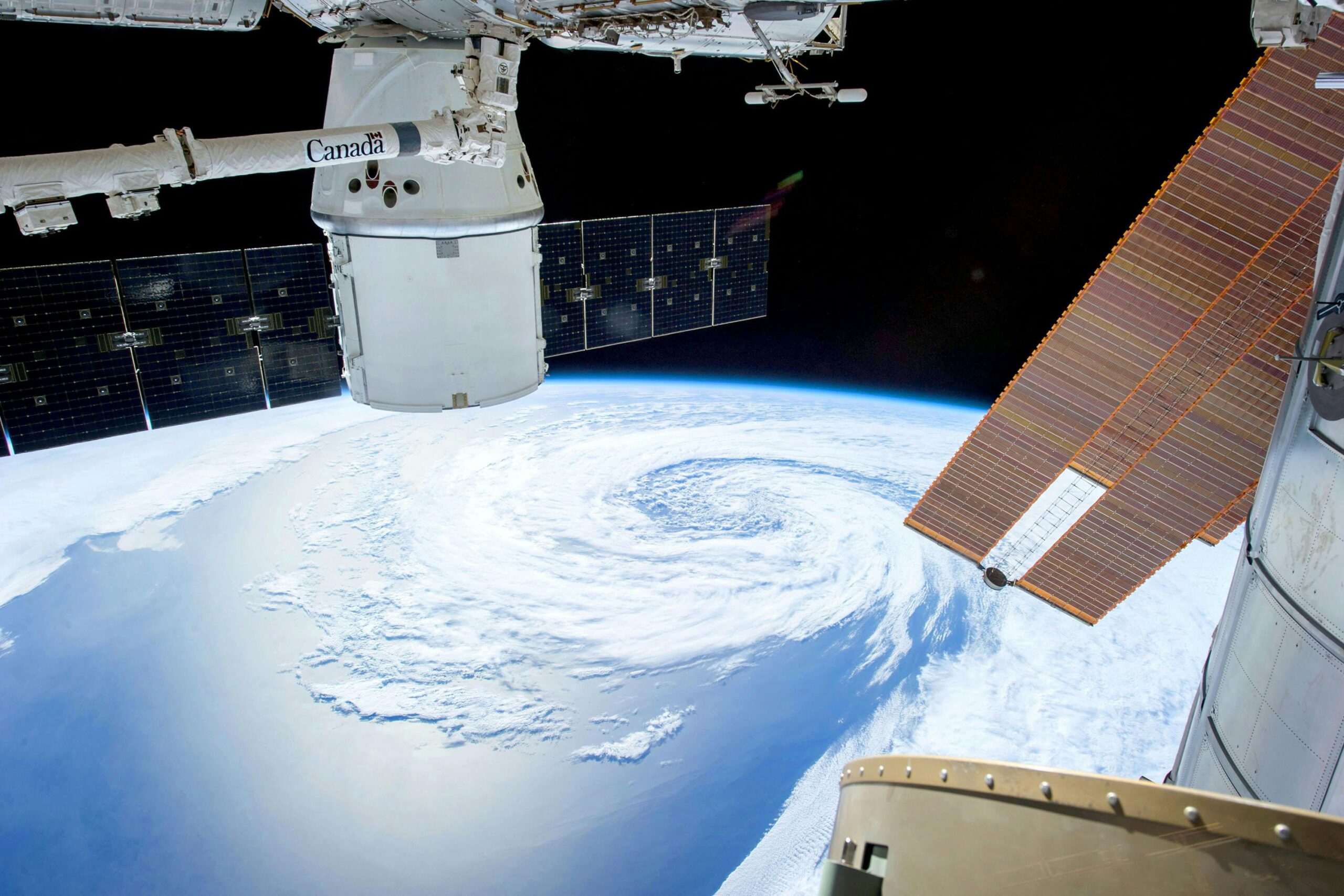
NASA has set live coverage for two spacewalks outside the International Space Station in September 2025. Both walks feature U.S. astronauts working on high priority tasks that keep the station strong.
The focus is simple and important, more power and sharper communications. Crews will prep hardware for future solar array upgrades, and service key antenna and data links that keep the ISS connected.
You will see careful planning meet hands-on skill. Each action outside the station supports years of science, cargo runs, and crew safety.
We will outline the who, what, when, and where, so you know what to watch and why it matters. Expect plain guidance on how to stream the coverage, what milestones to look for, and how these upgrades feed into the next phase of ISS work.
If you love the mix of risk, precision, and purpose, you are in the right place. Let’s set you up to follow both walks with confidence, without spoilers, and with the context that turns a live stream into a story.
What Will Astronauts Do During These Spacewalks?
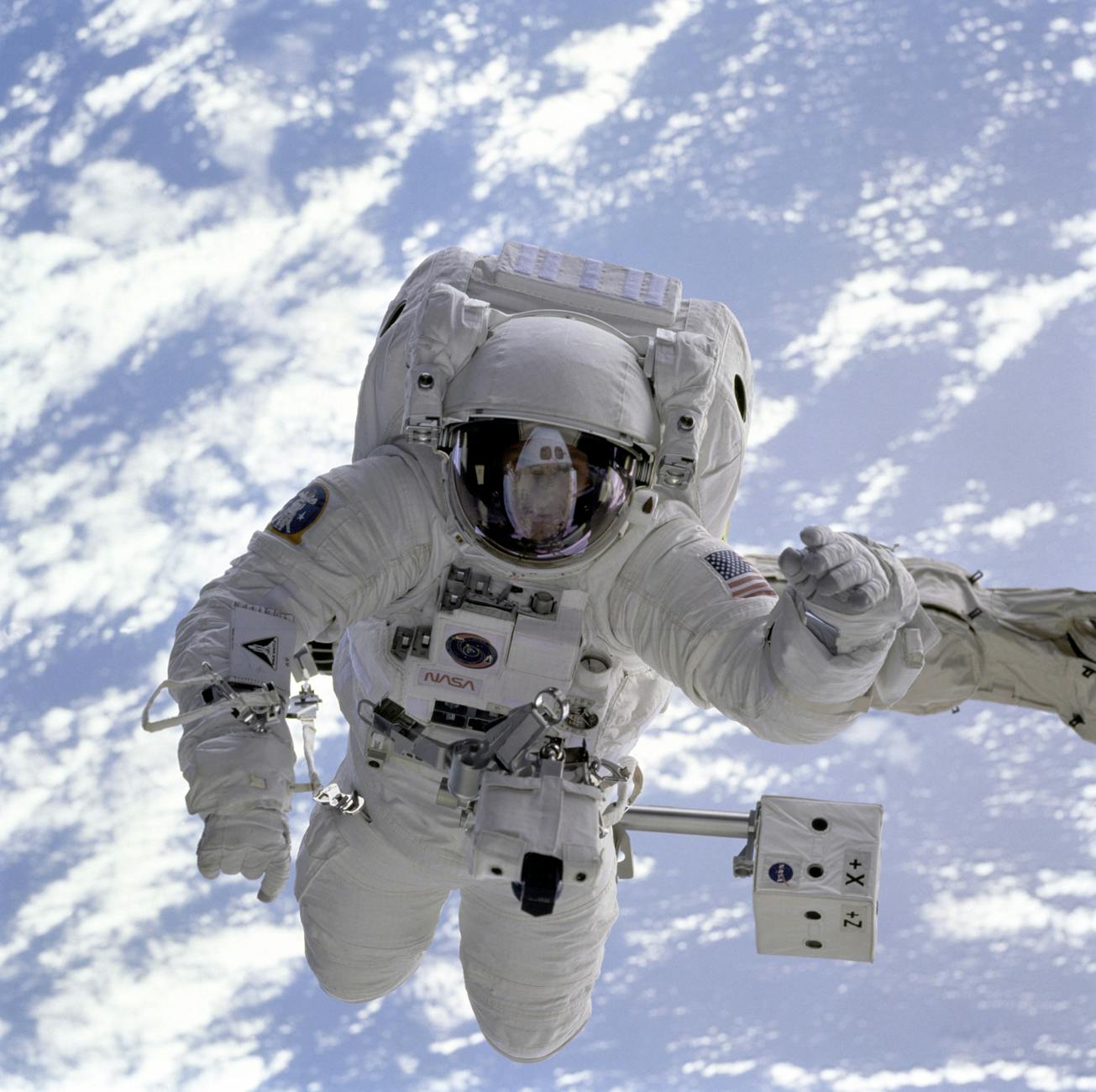 Photo by Pixabay
These two outings focus on power and data, the lifeblood of the ISS. Crews will bring new hardware online, route cables, and fine-tune antennas so the station can run more experiments and talk to Earth with fewer dropouts. Each walk will last about six to seven hours, with a tight timeline and built-in checks at every step.
Key Upgrades for Power and Communication Systems
The priority is preparing the truss for the next set of solar array upgrades. New arrays will pair with the station’s legacy panels, increasing total power by up to 30 percent. That extra margin supports more science racks, higher data loads, and new visiting vehicles. It also reduces how often teams must power down experiments during peak demand.
Here is how the work plays out outside the station:
- Suit-up and airlock ops: The crew dons NASA’s EMU suits, checks comms, fans, and cooling loops, then moves into the crew lock of the Quest airlock.
- Egress and tethering: They exit, anchor safety tethers, and stage tool bags at handrails.
- Truss translation: Astronauts move hand over hand along the truss to the worksite, carrying a new mounting bracket and cable reels.
- Bracket install: They align the bracket on a truss beam, drive bolts with a Pistol Grip Tool, and verify torque. This creates the base for a future roll-out solar array.
- Cable routing: Power and data lines are routed along handrails, then mated to junction boxes. Crew reads pin IDs out loud while ground teams confirm correct ports.
- Connector mates and caps: Dust covers come off, connectors click in, and any unused ports are capped to keep them clean.
- Antenna and comm checks: The team swaps an aging antenna unit or re-aims a dish. They secure brackets, connect RF lines, and call for a brief signal test from Mission Control.
- Photo survey: They document all work points for engineers on the ground.
- Cleanup and ingress: Tools are stowed, tethers are verified, and the crew returns to the airlock.
Why this matters right now:
- More power, more science: Extra kilowatts mean longer runs for power-hungry experiments like materials furnaces and life sciences payloads.
- Smoother communications: Fresh cabling and antenna work reduce data bottlenecks, which helps real-time ops and high-rate downlinks.
- Builds on 2025 progress: This follows earlier battery swaps and bracket installs completed in 2025, including prep work for new arrays reported in a NASA spacewalk update from May 2025.
If you want a quick background on how these power upgrades fit into the big picture, NASA’s historical rundown of ISS spacewalks is a handy reference with photos and diagrams. See the agency’s overview of International Space Station spacewalks.
The Team and Their Preparation
Two U.S. astronauts will suit up for each walk. They trained for months in a giant pool, the Neutral Buoyancy Laboratory, repeating the route, the bolt patterns, and every cable mate until it is muscle memory. The goal is clean moves with no wasted time.
The EMU suit is a personal spacecraft. It supplies oxygen, removes carbon dioxide, and keeps the body at a safe temperature. It also adds bulk and stiffness, which makes simple tasks harder. Glove fatigue is real, and hand heaters help. The crew builds in short rests to keep grip strength high. For a clear primer on the suit and how it works, see NASA’s page on the Extravehicular Mobility Unit.
Safety leads every timeline:
- Buddy checks: Each action gets a verbal callout, and partners confirm tethers, tool settings, and connector IDs.
- Two-fault tolerance: Hardware paths and cables are chosen so a single error does not risk the system.
- Constant comms: The crew talks to Mission Control on two channels, with ground teams tracking every step.
- Measured pace: Work stops for glove and suit checks. Any issue is addressed before moving on.
These walks also mark a careful return after a suit leak pause earlier this year. Engineers reviewed suit data, refined checks, and added extra pre- and post-egress inspections. That means more sensors watched, more time on leak checks, and stricter go or no-go gates before hatch opening. The result is a measured, confident plan that keeps the crew safe while pushing the station forward.
How NASA Is Bringing These Spacewalks to Your Screen
NASA makes these excursions feel close. Live cameras, clear audio from Mission Control, and expert play-by-play bring each move into your living room. You get the context behind every bolt turn, plus real-time calls as the crew works the plan. It is the next best thing to floating at the worksite.
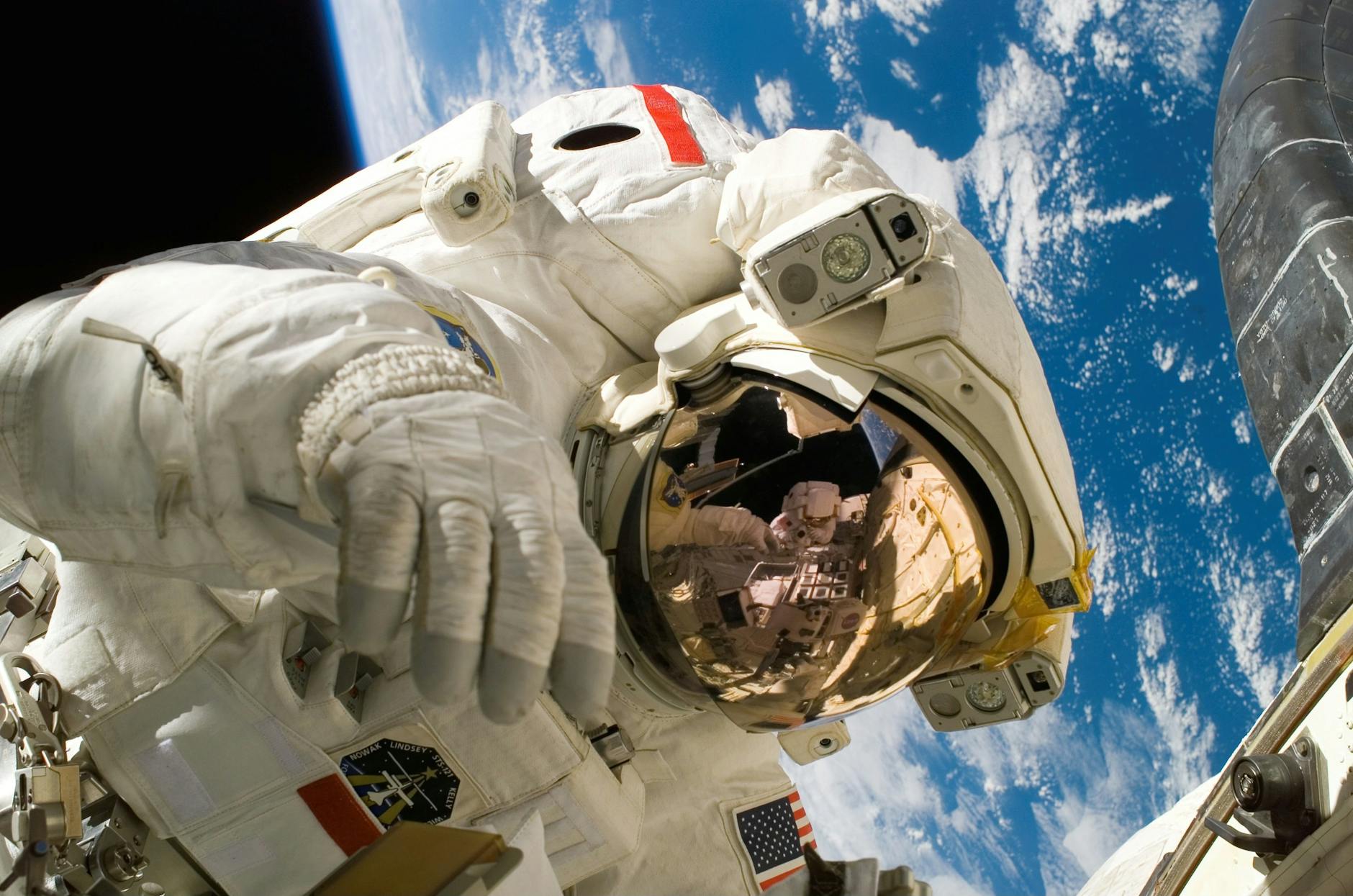 Photo by Pixabay
Coverage Schedule and Viewing Tips
NASA typically starts live coverage 90 to 120 minutes before the hatch opens. The stream runs on NASA TV, NASA+, and the agency’s website, with steady commentary and audio loops from Mission Control. That pre-show helps you grasp the timeline, tools, and objectives for the day.
Final start times for the September 2025 spacewalks have not been posted by NASA yet. Expect morning start windows in U.S. time, with the exact clocks set closer to the event. Spacewalks can slip due to spacecraft traffic, suit checks, or comm issues. If weather affects downlink stations or a technical review runs long, the team may hold the clock.
Here is how to follow along with confidence:
- Start with NASA’s running page on International Space Station spacewalks. It links to active advisories, previews, and live coverage posts.
- For a sense of timing, review a recent format example in NASA’s update, “NASA to Cover Two Spacewalks, Hold Preview News Conference.” It shows coverage beginning well before egress and outlines crew tasks and commentators. Read it here: NASA to Cover Two Spacewalks, Hold Preview News Conference.
What to use and what to expect:
- Watch on NASA+ or NASA TV using your smart TV app, set-top box, or a browser. Have a stable Wi-Fi connection or plug in with Ethernet for smoother video.
- Turn on captions if you are new to callouts. You will hear terms like “egress,” “Pistol Grip Tool,” and “go for mate” during connector work.
- Keep a world clock app handy to convert start times. Space station events post in Eastern Time.
- Use reminders. Set two alerts, one for the pre-show and one for egress, so you catch the setup and the action.
- For families: make it a watch party. Print a simple bingo card with terms like “tether check,” “photo survey,” “go for ingress,” and “sunrise.” Kids can follow along and learn the flow of a real EVA.
Quick checklist before showtime:
- Update your streaming app, then test the feed 10 minutes early.
- Pair headphones or a speaker for clearer voice loops.
- Keep a notepad for milestones like hatch open, worksite arrival, and task completions.
NASA’s coverage makes complex work easy to follow. With a little prep, you can track each milestone, understand why it matters, and share the moment with the whole family.
Why These Spacewalks Are a Big Deal for Space Exploration
These outings strengthen the station’s backbone, power and data. More power means more science running at the same time, with fewer cutbacks and longer runs. That keeps the ISS productive while NASA commits to station operations through at least 2030. Upgrades now keep crews safe, labs stable, and schedules reliable, which feeds directly into Moon and Mars plans.
Better systems on the ISS are not just maintenance. They are the springboard for what comes next, from Artemis surface stays to deep space transit.
Boosting Science and Future Missions
When the arrays and cabling get an upgrade, the station gains precious kilowatts. That extra margin supports more experiments in microgravity across key fields:
- Human health: Tissue chips, bone loss studies, and radiation monitoring run longer, with steadier power and cooling. These insights shape crew care for long stays away from Earth.
- Medicine: Protein crystal growth and drug delivery tests need stable conditions and time. Extra power reduces pauses that break data trends.
- Materials and manufacturing: Furnaces, 3D printers, and alloy research draw heavy loads. Added power keeps thermal cycles precise, which improves results.
- Earth and space sensing: High-rate sensors and cameras can stay online, pushing more data to the ground for analysis.
NASA’s own overview shows how new arrays increase the station’s research output and reliability. See how upgraded solar wings support lab work in New Solar Arrays to Power NASA’s International Space Station Research. That power ties to data, since stronger systems help move more experiment results to Earth without bottlenecks.
Why this matters for the road ahead:
- Artemis readiness: Life support, water recycling, carbon dioxide removal, and closed-loop tech get tested on the ISS first. These systems feed lunar habitats and surface stays.
- Mars preparation: Long-duration habitability depends on reliable power, thermal control, and medical care. The station is the proving ground for those frameworks.
- Year-over-year gains: A stable ISS lets teams repeat studies, compare runs, and validate models. That reduces risk when hardware leaves low Earth orbit.
For a broader look at how space station work benefits people on Earth and sets up future exploration, explore NASA’s summary of outcomes in International Space Station Benefits for Humanity.
Bottom line, these spacewalks keep the ISS productive through 2030, protect crew time, and make research more efficient. That steady tempo advances human knowledge and moves us closer to confident operations on the Moon and, soon after, Mars.
Conclusion
Two live spacewalks, clear goals, and careful execution, that is a recipe for must-watch space. We covered the plan, the safety mindset, and how new power and cleaner data links keep the ISS steady through 2030. The stakes are real, but so is the payoff, more science time, stronger comms, and a station ready for what comes next.
Make it a front row seat. Watch on NASA TV or NASA+, catch the pre-show, and track the milestones with the guide above. Follow NASA’s ISS spacewalk updates for final start times and task lists, then set your alerts so you do not miss egress.
Join the conversation. Share your takeaways on social media, tag NASA, and swap notes with other viewers. What moment are you most excited to see, the bracket install, the cable mates, or the photo survey?
Spacewalks bring the work of exploration into our homes, one bolt, callout, and sunrise at a time. Each step outside moves us a little closer to the stars.