
Rahul Gandhi Voter Rights Yatra 2025: Bihar March for Fair Elections and Strong Democracy
 Rahul Gandhi Voter Rights Yatra 2025: Bihar March for Fair Elections and Strong Democracy
Estimated reading time: 19 minutes
Thank you for reading this post, don't forget to subscribe!Rahul Gandhi’s Voter Rights Yatra: Rallying Bihar for Fair Elections and Stronger Democracy
Rahul Gandhi’s Voter Adhikar Yatra marks a significant moment in Bihar’s political scene. As a senior leader of the Congress party, Rahul Gandhi is actively rallying voters to claim their electoral rights. This journey is more than a political campaign; it’s a call for stronger democracy and fair elections in a state known for its complex political dynamics.
The yatra traces a clear path through various districts, symbolising a commitment to inclusivity and voter empowerment. It reflects the urgent need to engage citizens in the democratic process and highlights concerns over election fairness. With this walk, Gandhi is seeking to reconnect with the people and strengthen grassroots democracy in Bihar.
Watch an overview of the journey here: https://www.youtube.com/watch?v=_HxDgVf7VA8
The Journey So Far: Key Highlights of the Voter Adhikar Yatra
Rahul Gandhi’s Voter Adhikar Yatra has unfolded as a compelling rally for voter rights across Bihar, drawing widespread attention and participation at every stage. This section captures vivid moments from the journey, spotlighting the energy of the crowds, the strategic route through key constituencies, and the unity shown by regional leaders supporting the cause.
Starting from Darbhanga: Scenes and Participation
The yatra began with great anticipation in Darbhanga, setting the tone for a powerful grassroots movement. The streets brimmed with enthusiasm as locals gathered in large numbers to witness Rahul Gandhi take a determined stand for voter rights. One striking image from the launch shows Rahul Gandhi riding a Royal Enfield Bullet, with Priyanka Gandhi sitting beside him, a rare and symbolic sight that captured the public’s imagination.
Crowds cheered loudly, waving flags and chanting slogans, their energy reflecting a strong desire for change. This display of support was more than just a political rally; it felt like a shared moment of hope and purpose. The presence of young voters, families, and senior citizens underlined the broad appeal of the campaign. Photographs and videos of the event quickly circulated, amplifying the message beyond Darbhanga and highlighting the deep connection between the leaders and the people.
Route and Key Locations Covered in the Yatra
The yatra follows a carefully chosen path through Bihar’s crucial electoral districts, each carrying its own significance in state politics. After Darbhanga, the procession moved through several key areas:
- Muzaffarpur: Known for its agricultural base and socio-political activism, its inclusion signals attention to rural voter concerns.
- Gayaghat: A constituency often viewed as a battleground, where voter mobilisation could tip electoral scales.
- Bochahan: This area has seen intense political engagement especially with recent election contests, making it strategically important.
- Minapur: A diverse constituency highlighting caste and community dynamics, crucial for understanding voter sentiment.
- Sitamarhi: With a rich cultural heritage and political history, the voters here represent a critical section of the electorate.
Each stop on this route provides a platform for Rahul Gandhi and his team to underscore issues related to voter rights and election fairness, while also connecting directly with citizens in their local contexts. The journey spans over 1,300 kilometres and lasts around 16 days, demonstrating a commitment to exhaustive outreach across multiple districts. This comprehensive approach gives voice to many voices often marginalised in mainstream political conversations.
Participation of Regional Leaders and Their Impact
The yatra has seen the collaboration of significant regional leaders, adding weight and diversity to the campaign. Tamil Nadu Chief Minister MK Stalin’s participation, alongside other opposition figures, signals a cross-state coalition aiming to address democratic rights beyond Bihar’s borders.
This cooperation emphasizes a united front among opposition parties, showing that voter empowerment is an issue transcending regional divides. Leaders like Stalin bring with them strong followings, which help in broadening the appeal of the yatra. This alliance highlights a shared goal: ensuring free and fair elections, an idea that resonates deeply across India’s varied political landscape.
The joint efforts of these leaders encourage a sense of solidarity and provide strategic momentum, inspiring local activists and voters alike. Their involvement also sends a strong message about the significance of regional support in shaping national politics.
The yatra, therefore, is not just a local event but part of a wider movement for democratic accountability.
For further details on the start of the yatra and public response, the Times of India coverage offers an excellent overview. Meanwhile, coverage of higher profile attendees like Priyanka Gandhi can be found in this photostory from Times of India.
Electoral Issues Highlighted by the Yatra
Rahul Gandhi’s Voter Adhikar Yatra has not only put voter rights front and centre in Bihar but has also brought critical electoral issues into sharp focus. Among the most pressing topics are the controversial deletion of millions of voters from the electoral rolls and the scrutiny of the Election Commission’s role in managing this process. These matters have generated heated debates about fairness, transparency, and political bias as the state prepares for upcoming elections. The yatra exposes the impact and complexities beneath the surface of electoral management, highlighting concerns that could shape Bihar’s democratic landscape.
Voter Deletions and Their Alleged Political Impact
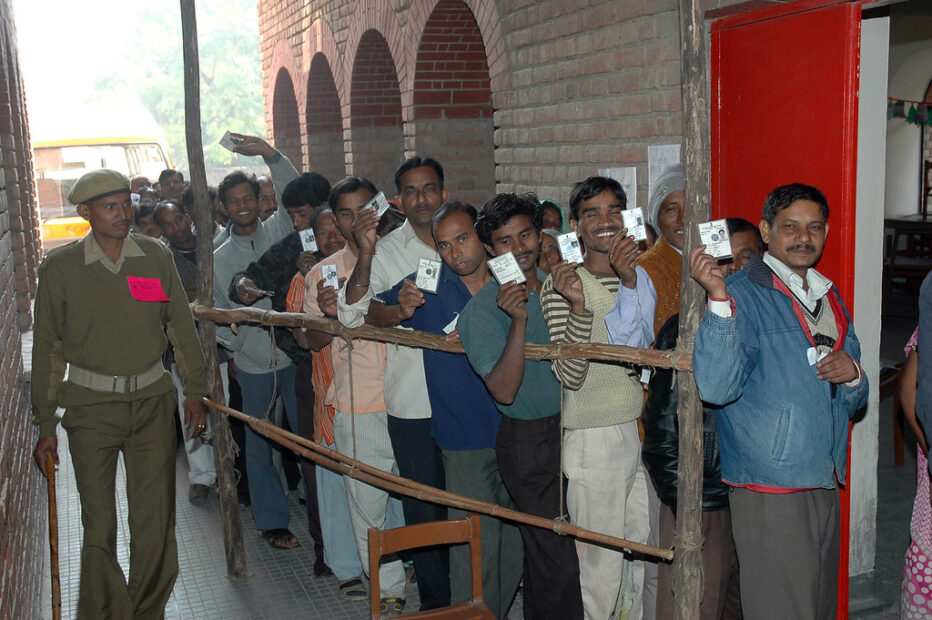
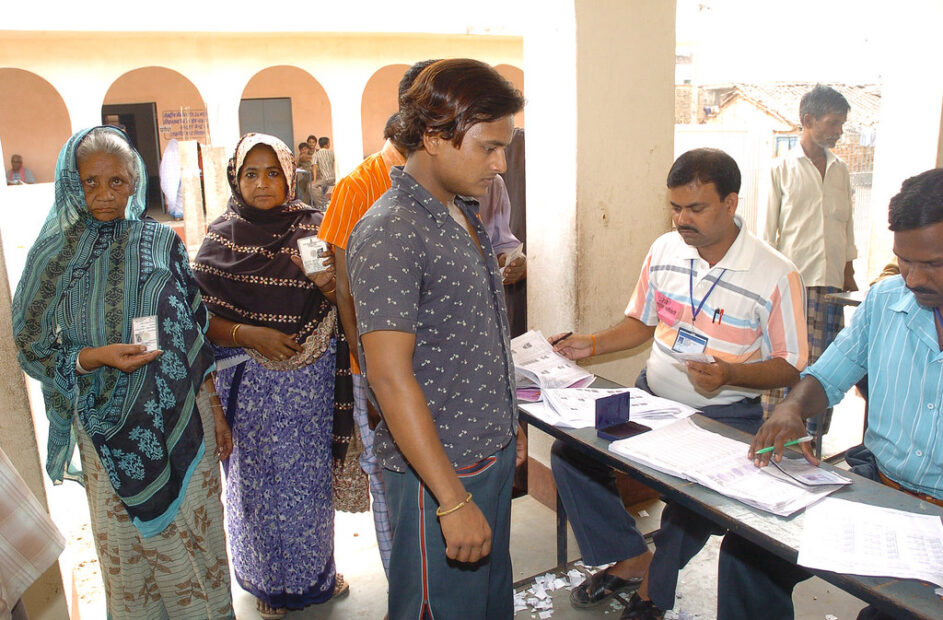
One of the most contentious points raised during the yatra is the deletion of nearly 65 lakh (6.5 million) voters from Bihar’s electoral rolls. This massive purge resulted from the Election Commission’s Special Intensive Revision (SIR), which aimed to update and clean voter lists ahead of the state elections. While maintaining clean voter lists is essential to prevent fraud, the manner and scale of this deletion sparked accusations of political motives, especially targeting anti-BJP voters.
The opposition claims that the deletions disproportionately affected certain groups, particularly poor rural voters, young adults, and women. Many of these individuals belong to demographics traditionally less favourable to the ruling party. Critics argue that the deletion list included legitimate voters whose names were removed owing to minor administrative errors or strict documentary requirements they found hard to meet.
The timing and rapid pace of the SIR process left little room for public correction, raising questions about whether the exercise inadvertently disenfranchised genuine voters. Instances were reported where entire families were missing from the rolls, causing fear and distrust among communities about their ability to participate in upcoming elections.
To break it down, here are the key concerns over the voter deletions:
- Scale and Speed: Removing over six million names in a short span created confusion and limited chances for affected voters to verify or re-register.
- Disproportionate Impact: Data suggest a heavier impact on women and voters under 40, many from marginalised backgrounds.
- Missing Documents: Many voters were removed because they could not produce the specific documents demanded during verification, an uphill task for those with limited access to formal IDs.
- Political Allegations: Opposition parties accuse the ruling establishment of using the deletion as a tool to suppress votes that might swing against them.
The deletion controversy is more than a bureaucratic hurdle; it questions the very foundation of electoral participation. For more details on how this issue unfolded during the yatra, the Indian Express analysis offers valuable insight into the scale and political implications.
Role of the Election Commission and Opposition Critique
The Election Commission of India (ECI) is entrusted with maintaining fair electoral processes, yet its handling of Bihar’s SIR has drawn serious criticism. Many opposition leaders, activists, and legal experts accuse the ECI of applying the revision in a way that undermines the rights of vulnerable voters. This scrutiny intensifies as Bihar approaches closely fought state elections.
Central to the debate is the perception that the ECI prioritised a rapid overhaul of voter rolls without adequate safeguards to protect genuine voters. Critics label the SIR exercise as “an exercise in exclusion,” pointing to complex procedures, insufficient public awareness campaigns, and a lack of transparency in handling grievances.
The opposition’s main points of critique include:
- Alleged Bias: Suggestions that deletions favoured certain political interests have eroded trust in the Commission’s neutrality.
- Short Deadlines: The tight timeline of SIR left voters minimal time to confirm or correct their details.
- Verification Flaws: Concerns emerged about the training and efficiency of Booth Level Officers tasked with verifying voters.
- Limited Transparency: Although verification documents were uploaded on ECINET, access outside official circles remained restricted, making public scrutiny difficult.
Questions have also been raised in the Supreme Court about the constitutionality and fairness of the process. Legal petitions argue that universal adult franchise, a fundamental right, was compromised by the SIR approach, especially in a state like Bihar where poverty and migration add hurdles to documentary proof.
Though the ECI maintains that the process is in line with the law and necessary to prevent electoral malpractice, the ongoing challenges underscore a crisis in electoral trust. This situation calls for a balance between the Commission’s duty to maintain accurate rolls and the voters’ right to inclusion.
For a comprehensive discussion on the Election Commission’s role and related legal challenges, read the detailed coverage by The Hindu, which highlights the tensions between administrative authority and democratic rights.

Photo by Element5 Digital
The yatra’s spotlight on these electoral issues serves as a reminder that democracy demands vigilance and honest engagement. The quality of the voter list is more than paperwork; it directly affects who has a voice in choosing their leaders. As the campaign continues, Bihar’s citizens face a crucial moment to reclaim their electoral rights in the face of growing doubts about fairness.
The Political Strategy Behind the Yatra
Rahul Gandhi’s Voter Adhikar Yatra is more than a series of public meetings; it is a well-orchestrated political strategy aimed at energising voters, building alliances, and challenging the ruling party’s hold in Bihar. The yatra combines visible grassroots mobilisation with carefully co-ordinated opposition collaboration, designed to maximise impact ahead of the state elections. Through vibrant public events and coordinated efforts with regional parties, the Yatra seeks to reshape political conversations and revive democratic engagement.
Using Motorcycle Rallies and Public Engagement
One standout element of the yatra is the use of motorcycle rallies to capture attention across towns and villages. Rahul Gandhi riding a Royal Enfield, sometimes with other leaders like Tejashwi Yadav alongside, transforms simple conveyance into a striking visual spectacle. This approach serves several key purposes:
- The rallies create a sense of momentum and excitement, energising supporters and attracting crowds wherever the convoy passes.
- It breaks the monotony of traditional rallies, making politics feel more approachable and dynamic to young and first-time voters.
- The high-energy events invite direct interaction with locals, giving Gandhi and his team valuable face time to listen to grievances and share their message of voter rights.
- Media coverage of these rallies amplifies the campaign’s visibility, projecting an image of unity and determination.
Motorcycle rallies also symbolise a journey through the heart of Bihar, blending the thrill of movement with the seriousness of the cause — safeguarding voters’ rights. It’s an effective reminder that democracy involves active participation, not just passive observation.
In addition to rallies, street corner meetings, and public gatherings form the backbone of this engagement strategy. These events foster community involvement and revive interest in the electoral process at a grassroots level. They keep the focus sharp on issues around voter disenfranchisement, challenging official narratives and inviting public scrutiny.
Alliance of Opposition Leaders Across States
The yatra exemplifies a united opposition front with major parties aligning to strengthen their collective voice. Congress, Rashtriya Janata Dal (RJD), Dravida Munnetra Kazhagam (DMK), and other regional players are working together strategically:
- Collaborating across state lines highlights the shared concerns about election fairness and voter rights, showing that the issue transcends Bihar alone.
- The alliance enhances credibility, as multiple political forces endorse the yatra’s message instead of it seeming like a single party’s campaign.
- High-profile involvement, such as Tamil Nadu Chief Minister MK Stalin’s participation, signals solidarity that can influence voters at a national level.
- Joint campaigning allows the pooling of organisational resources, grassroots networks, and media attention, magnifying the reach and impact.
This coalition not only challenges the ruling party’s narrative but also projects an image of cohesion and common purpose. It appeals to voters frustrated with fragmented opposition efforts in the past, offering a clearer alternative focused on democratic rights.
The yatra also provides a platform for these leaders to synchronise messaging on election reforms, electoral roll deletions, and the alleged political misuse of administrative machinery. In doing so, they collectively hold the Election Commission and government accountable, pushing for transparency and fairness.
By fostering this alliance, the yatra aims to energise opposition supporters and undecided voters alike, turning a fragmented political opposition into a consolidated movement for voter empowerment and electoral justice.
For more on the strategic alliance among opposition parties during the yatra, see how leaders from Congress, RJD, and DMK unite at NDTV coverage.
Impact and Public Reception of the Yatra
Rahul Gandhi’s Voter Adhikar Yatra has stirred wide-ranging reactions around Bihar, shifting political conversations and energising citizen engagement like few recent campaigns. The yatra not only covers miles physically but also crosses deep into the public’s awareness and concerns about voter rights. It has seen diverse crowds gather, prompting a fresh wave of participation and debate on electoral fairness. Meanwhile, the way media outlets and political rivals respond shapes the broader public view of what this journey really represents.
Crowd Turnout and Support at Key Stops
From Darbhanga through Muzaffarpur and beyond, the yatra has drawn impressive crowds eager to show their support. At the start in Darbhanga, streets were lined with thousands of people, their cheers and slogans filling the air with urgent hope. The energy was palpable — not just party loyalists, but ordinary citizens including farmers, youth, and women came out in numbers that signalled strong backing for the message of voter empowerment.
In Muzaffarpur, known locally for its politically conscious population, similar enthusiasm was visible. Large gatherings formed at key junctions, where leaders took the opportunity to connect directly with voters, addressing their concerns about voter deletions and fairness in the election process. The presence of regional figures alongside Rahul Gandhi amplified the crowds, turning each stop into a vibrant, inclusive festival of democracy.
Other locations on the route also saw growing numbers as word spread, with attendance escalating into lakhs at some major halts. The yatra succeeded at mobilising not only Congress supporters but also those disenchanted with existing political processes. Across towns and villages, many viewed the event as a rare platform to voice their frustrations and hopes regarding electoral rights.
The overwhelming participation shows a clear public interest in the issues raised. It highlights how voter disenfranchisement is not just an abstract concern but one that touches lives directly, motivating mass engagement. In this way, the yatra has created a ripple effect, stirring enthusiasm especially among first-time voters and marginalised groups who often feel sidelined.
Media Coverage and Political Responses
Media coverage of the Voter Adhikar Yatra has been varied but undeniably impactful in keeping voter rights in the spotlight. Regional and national news channels have extensively reported on the rallies, public addresses, and key moments like Rahul Gandhi’s motorcycle convoy. Visuals of huge crowds and grassroots enthusiasm have helped amplify the campaign’s reach. However, some outlets have questioned the size of crowds or portrayed the movement as politically motivated, reflecting the usual divide in media perspectives.
Political reactions have been equally intense. Ruling party leaders have dismissed the yatra as a partisan stunt aimed at distracting voters from governmental achievements. Some have accused Rahul Gandhi and his allies of stoking unnecessary dissent and politicising administrative procedures like the Election Commission’s revision process. These responses underline how the yatra has rattled established political players, forcing them into defensive positions.
On the other side, opposition leaders have rallied firmly around the movement, praising it as a necessary stand against electoral injustice. Figures from regional parties and the Congress have used the platform to highlight alleged voter roll manipulations and the need for transparent elections. This vocal support has widened the narrative beyond Congress, presenting the yatra as a united opposition effort.
The media and political exchanges around the yatra thus create a charged atmosphere of contestation. Public discourse has become more focused on electoral integrity and voter empowerment, pushing these issues into the mainstream ahead of Bihar’s upcoming elections.
By shining a light on alleged electoral flaws and rallying support at the grassroots level, Rahul Gandhi’s yatra is prompting voters—and those who report and lead politics—to reconsider the meaning of democratic participation in Bihar today. For more nuanced updates on the unfolding yatra and public responses, the Indian Express provides thoughtful reflections, while the Times of India offers** recent photos and reports**.
Looking Ahead: What the Voter Adhikar Yatra Means for Bihar Elections 2025
Rahul Gandhi’s Voter Adhikar Yatra is more than a series of rallies; it sets the stage for the 2025 Bihar elections with broader political and democratic stakes. The journey clearly speaks to voters who often feel sidelined from the political process. It challenges the election system’s integrity and seeks to revive faith in democracy itself. As the state maneuvers toward a crucial election, it’s worth considering how this campaign might influence voter behaviour, and what it signals for democratic practices, not only in Bihar but across India.
Potential Influence on Voter Behaviour: Assess how the yatra might energise voters who feel disenfranchised or sceptical
The Voter Adhikar Yatra taps into a growing sense of frustration among many Bihar voters, especially those who feel excluded by recent mass voter roll deletions. When legitimate voters find their names missing, it can breed cynicism and a loss of trust in the system. This yatra, however, throws a lifeline to such voters, encouraging them to reclaim their rights and engage actively in the election.
- Reigniting voter confidence: By addressing fears of disenfranchisement head-on, the campaign encourages those left out or doubtful to come forward and check their registration status. This visibility can boost turnout, especially in areas hit hardest by deletions.
- Empowering marginalised groups: Young voters, women, and poorer rural citizens frequently feel politically invisible. The yatra places these groups at its heart, offering them a sense of inclusion and strength. This can shift voter patterns in constituencies where these demographics have often been neglected.
- Creating a ripple of awareness: As the yatra moves from district to district, it informs, mobilises, and sparks discussion. The sustained presence of leaders on the ground makes electoral rights an everyday topic, not a distant abstract concern.
- Motivating the undecided and apathetic: In elections, the difference often lies in whose supporters turn up. The energy and community spirit generated by the yatra might tip the scales in favour of opposition parties by mobilising people who might otherwise stay home.
The campaign’s impact is already visible in public excitement and growing participation at yatra events, suggesting that the message is resonating beyond traditional party supporters. This new political momentum could reshape the Bihar electoral map come 2025.
For more context on how voter sentiment is shifting, consider the detailed reporting at Indian Express’s analysis of voter changes in Bihar.
Strengthening Democratic Processes: Reflect on the broader implications for electoral transparency and accountability in Bihar and beyond
The Voter Adhikar Yatra raises a crucial debate about the quality and fairness of democratic systems. The mass deletion of voter names under the Special Intensive Revision (SIR) has spotlighted the risks of opaque electoral procedures and administrative errors. Rahul Gandhi’s campaign presses for greater transparency and stronger protections for voters, which could have lasting effects.
- Pushing for accountable election management: The yatra’s demand for fairness puts pressure on the Election Commission to be more open and responsive. Voters and activists are calling for clear communication and accessible grievance redressal mechanisms, ensuring that no citizen is wrongly kept from the ballot.
- Revitalising citizen participation: A democracy depends on an active electorate. By highlighting voter exclusion, the yatra challenges officials and politicians to prioritise inclusive electoral processes. This emphasis could lead to reforms that discourage administrative shortcuts or political interference.
- Setting a precedent for future elections: Bihar’s electoral issues are not unique. The concerns raised by this yatra may encourage broader scrutiny of electoral roll management across India, helping to protect voting rights nationwide.
- Building bridges between parties and communities: The yatra unites opposition parties with diverse voter bases, presenting a model of cooperation that strengthens democratic resilience. It shows that protecting democratic rights is a common cause that transcends party lines.
If the demands emerging from this campaign translate into concrete administrative reforms or legislation, it will signal a healthier democracy, where every vote truly counts and every voter feels valued.
The Election Commission’s response and evolving policies can be followed in this The Hindu article detailing Bihar’s electoral oversight challenges.

Photo by Edmond Dantès
Rahul Gandhi’s Voter Adhikar Yatra stands as a vivid call to action — urging the people of Bihar to awaken their political voices and demand an election process they can trust. Looking ahead to 2025, this movement could reshape voter participation and encourage a more responsible and transparent electoral environment.
Conclusion
Rahul Gandhi’s Voter Adhikar Yatra stands as a clear demand for fairness and inclusion in Bihar’s elections. It brings millions of voters back into the centre of political attention, challenging efforts that risk silencing large sections of society. Beyond politics, the yatra reinforces the idea that every vote matters and every citizen’s voice deserves respect.
This journey has stirred widespread awareness and unity among opposition parties, showing that protecting democratic rights requires shared commitment. It reminds us that democracy thrives when people actively participate, stand up for their rights, and hold the system accountable.
As Bihar prepares for the 2025 elections, this movement invites all voters to engage, question, and decide the future they want. The power of democracy grows when people refuse to be overlooked. Rahul Gandhi’s yatra is a call to action that the strength of India’s future rests firmly in the hands of its citizens.