


Voter Adhikar Yatra Bihar 2025: Voter Rights, Election Integrity, and INDIA Bloc Rally
 Voter Adhikar Yatra Bihar 2025: Voter Rights, Election Integrity, and INDIA Bloc Rally
Estimated reading time: 19 minutes
Thank you for reading this post, don't forget to subscribe!Voter Adhikar Yatra in Bihar 2025: Rallying Voter Rights Ahead of Assembly Elections
As Bihar gears up for its crucial 2025 Assembly elections, the Voter Adhikar Yatra led by Rahul Gandhi is making headlines across Supaul and neighbouring districts. This campaign shines a spotlight on voter rights and claims of electoral manipulation, rallying citizens to defend the integrity of their vote. Joined by key leaders including Priyanka Gandhi Vadra and other opposition figures, the yatra has become a platform to challenge controversial revisions in the voter lists and raise awareness about ensuring free and fair elections.
With intense local engagement and widespread participation, the campaign not only questions institutional conduct but also mobilises voter confidence ahead of an important political contest. This journey across Bihar reflects an urgent call to protect democratic processes at a grassroots level, making the voters’ voice central to the state’s political future.
Watch the highlights of the yatra’s 9th day in Supaul here: https://www.youtube.com/watch?v=8Pi4fnDqSH4
Overview of the ‘Voter Adhikar Yatra’
The ‘Voter Adhikar Yatra’ has emerged as a key political movement across Bihar, drawing attention to the rights of voters and the integrity of the electoral process. This yatra is more than a rally; it is a direct response to growing concerns about voter list revisions and potential manipulation ahead of the state’s crucial Assembly elections. As the yatra moves through districts such as Supaul, Madhubani, and Darbhanga, it highlights the urgency of safeguarding democracy in Bihar by ensuring every eligible vote counts.
Background and Political Context
The Bihar Assembly elections, scheduled for late 2025, will be a defining moment for the state’s political future. Bihar has often seen high voter turnout, with elections shaping the direction of development, social policies, and governance for millions. However, this election cycle is clouded by controversy surrounding the Election Commission’s ‘Special Intensive Revision’ of electoral rolls. Critics argue that the revision process may exclude legitimate voters, particularly from marginalised communities, effectively undermining their democratic rights.
In this tense atmosphere, voter mobilisation is essential. The ‘Voter Adhikar Yatra’ arises as a strong call to action, pushing for transparency and fairness. It speaks to ordinary citizens who might otherwise feel their voices could be silenced through bureaucratic manoeuvres. With the yatra traversing key districts, it symbolises a ground-level effort to protect the right to vote, strengthen public awareness, and hold electoral authorities accountable. This movement connects directly with the everyday voter, emphasising the power and responsibility inherent in their participation in the democratic process.
Participating Leaders and Political Allies
The yatra benefits greatly from the presence of prominent political figures, bringing both influence and visibility to its message. Rahul Gandhi, a senior leader of the Indian National Congress, has been leading the campaign with persistent energy and clear purpose. Alongside him, Priyanka Gandhi Vadra provides robust support, lending her voice to engage with local communities and amplify voter concerns.
Joining this movement is Telangana Chief Minister Revanth Reddy, whose participation underscores the broader national relevance of the yatra. His presence signals an alliance beyond Bihar, showing that issues of voter rights resonate across states.
A vital player in the Bihar political landscape, Tejashwi Yadav of the Rashtriya Janata Dal (RJD), also actively participates, symbolising the deep stakes involved for regional parties in securing fair elections. Together, these leaders represent the INDIA bloc, a coalition of opposition parties united to challenge perceived irregularities and work towards a common goal: free and fair polls.
The alliance’s goals are clear:
- Raise awareness about voter rights and electoral fairness across Bihar.
- Oppose the Election Commission’s revision process, which they perceive as flawed and exclusionary.
- Mobilise voters to participate actively and resist attempts at disenfranchisement.
- Project unity among opposition forces in the lead-up to the 2025 elections.
This combination of national and regional leadership strengthens the yatra’s impact, creating a powerful platform to address democratic challenges head-on.
For more detailed insights, consider reading the New Indian Express coverage of Revanth Reddy’s participation and The Hindu’s report on Rahul Gandhi’s leadership.
This blend of leadership, purpose, and grassroots energy makes the Voter Adhikar Yatra a significant feature in Bihar’s political landscape as the state moves closer to elections.
Key Messages and Speeches During the Yatra
The Voter Adhikar Yatra in Bihar has been more than just a political tour; it has become a stage where crucial concerns about voter rights and electoral fairness are being voiced loudly and clearly. Two prominent leaders, Priyanka Gandhi Vadra and Rahul Gandhi, have taken centre stage during the yatra, delivering speeches that cast light on the foundational importance of voter identity and highlight alleged malpractices in the electoral process. Their words aim to rally the public against threats to democracy and inspire active participation.
Priyanka Gandhi’s Call to Protect Voter Identity
Priyanka Gandhi has consistently underscored the importance of voter identity as the bedrock of citizenship. During the yatra’s stop in Supaul, she eloquently explained that a person’s identity on the voter list is not just a name on paper but a symbol of their fundamental rights. She warned that when voter identities are tampered with, it creates a ripple effect beyond just elections. Disasters like floods and droughts, which require prompt relief efforts, become worse because affected citizens might be deliberately excluded from aid through fraudulent electoral rolls.
Priyanka’s speech was a firm reminder that safeguarding voter lists is about protecting democracy itself. She highlighted claims that recent revisions to Bihar’s electoral rolls under the Election Commission’s Special Intensive Revision are designed to erase genuine voters, particularly from marginalised sections. According to her, this amounts to an attack on the democratic rights of citizens and the spirit of fairness the nation stands for. Her message was clear: vote theft is not merely political; it strips people of their voice, benefits, and dignity.
This theme struck a chord with local communities, who gathered in large numbers to hear her speak about the urgent need to defend their voting verification and identity to ensure no one loses their right to participate in democracy.

Photo by Kaboompics.com
Rahul Gandhi’s Critique of BJP and Electoral Manipulation Allegations
Rahul Gandhi has been unrelenting in his campaign against what he calls a “conspiracy” to steal votes on an unprecedented scale. Speaking at the Sopaul leg of the yatra, he zeroed in on a statement made by BJP leader Amit Shah, who reportedly claimed that the BJP is positioned to remain in power for the next 50 years, allegedly due to vote theft tactics. Rahul Gandhi challenged this openly, accusing the BJP of systemic electoral manipulation.
He asserted that the ruling party relies heavily on fraudulent additions and deletions in voter lists, facilitated by the Election Commission’s Special Intensive Revision process. For Gandhi, this is not just an administrative issue but a serious constitutional breach that threatens the heart of India’s democracy. His speeches called out purported attempts to silence legitimate voters, especially from vulnerable groups, by removing them from the electoral rolls under the guise of “revision.”
Rahul Gandhi did more than criticise; he urged citizens to join the yatra’s movement to protect their rights and stand firm against electoral fraud. His message aimed to unite people beyond party lines, warning that unchecked electoral manipulation today could lead to a future where democracy is weakened permanently.
His powerful rhetoric was punctuated by calls to action – urging voters not only to be vigilant but to join the fight for free and fair elections. This narrative has gained traction nationally and is seen as a rallying cry for all those concerned about upholding democratic norms in India’s largest state.
For a look at the speeches and more insights from the yatra’s events, you can watch the coverage of the yatra in Supaul on NDTV’s live video.
Together, the messages by Priyanka and Rahul Gandhi during the Voter Adhikar Yatra shape a compelling narrative — one that calls for vigilance, protects citizen identity, and demands transparency in election management. This focus on voter rights is resonating deeply in Bihar as the Assembly elections approach, positioning the yatra as a crucial platform for democratic defence.
Significance of the Yatra for Bihar’s Electoral Politics
The Voter Adhikar Yatra going through Bihar is much more than a protest against voter list revisions. It embodies a strategic effort to reshape Bihar’s political atmosphere as the 2025 Assembly elections approach. This movement functions both as a loud call for protecting voter rights and as a calculated step to forge opposition unity against the ruling forces. Several key themes emerge around the yatra’s significance: the projection of a unified opposition front and the focus on the representation and rights of backward classes, amplified by influential leaders from and beyond Bihar.
Symbolism and Impact of Opposition Unity
The yatra has highlighted the growing cooperation among Bihar’s opposition parties, combining forces under the umbrella of the INDIA bloc. Congress, Rashtriya Janata Dal (RJD), Communist Party of India (Marxist-Leninist), Vikassheel Insaan Party (VIP), and others are visibly working together, presenting voters with a united front rarely seen in the recent political history of Bihar.
This unity carries powerful symbolism for the electorate. For years, Bihar’s politics often suffered from fragmentation, with opposition parties competing for the same voter base, diluting their influence against the dominant ruling party. The yatra signals a change in approach — opposition groups are setting differences aside to focus on common goals: protecting democratic rights and challenging what they call unfair practices in the electoral process.
Such cohesion strengthens their campaign. When these multiple parties travel and rally together, it sends a clear message: the fight is collective, the stakes high, and the decision is about safeguarding Bihar’s future rather than narrow party gains. This unity also boosts morale among grassroots supporters, encouraging voters who may have felt disconnected from political machinations to engage actively.
The INDIA bloc’s collaboration means they can pool resources, share messages, and co-ordinate strategies in a way that could potentially shift the electoral balance. For voters, a united opposition might look like a genuine alternative to the ruling dispensation. This dynamic adds weight to the yatra beyond mere sloganeering — it transforms it into a campaign vehicle capable of mobilising large sections of society, from villages to towns.
Role of Telangana CM Revanth Reddy and Focus on Backward Classes
The participation of Telangana Chief Minister Revanth Reddy in the yatra brings a broader, cross-regional dimension that expands attention beyond just Bihar’s borders. His presence emphasises national solidarity on key social justice issues, particularly those concerning backward classes and their rightful representation.
Revanth Reddy has become a vocal advocate for the legal and social challenges around reservations for backward classes, projecting this as a matter of justice and democratic inclusion. He highlights how delayed or denied reservations in electoral and other public spaces contribute to the continued marginalisation of significant sections of society.
In Bihar, the issue of backward class reservations remains a sensitive and decisive topic. Revanth’s focus on the 42% reservation, already passed in Telangana for local body elections, resonates with Bihar’s large population from similar socio-economic backgrounds. He stresses the need for central government support and constitutional approvals to fully implement these quotas at various levels, including elections.
His involvement draws attention to the broader demand among backward classes for fair political representation—without which they risk continued underrepresentation in governance. Revanth Reddy’s push includes legal efforts to clear hurdles preventing reservation implementation and a call for opposition leaders to unite behind these social justice causes. This ties in closely with the INDIA bloc’s electoral narrative, which aims to give voice and strength to backward communities and other marginalised groups.
Revanth’s engagement is more than symbolic; it brings expertise, national political weight, and links between regional struggles for caste-based rights and electoral fairness. His advocacy highlights how voter rights and reservations intersect — missing voter registration or unfair electoral practices can diminish backward classes’ impact at the ballot box.
Together, the yatra’s emphasis on opposition unity and Revanth Reddy’s leadership on backward class issues shape a powerful story. It ties voter rights to social justice, broadening the campaign’s appeal and linking Bihar’s political future to wider movements across India.
For readers interested in the details of Revanth Reddy’s role and advocacy, sources like The New Indian Express’s coverage and The Hindu’s report on Telangana’s reservation push offer useful insights.
This section of the yatra reveals the campaign’s depth—uniting political parties and social causes into a single march aimed at reshaping Bihar’s electoral politics ahead of a crucial vote.
Grassroots Engagement and Public Response
The Voter Adhikar Yatra in Bihar is more than just a political march; it’s a powerful gathering of voices from the ground up. The energy of local communities shines through every step, creating an atmosphere charged with hope and determination. As the yatra weaves its way through towns and villages, the reaction from the public reveals a deep engagement with the cause of voter rights and democracy. This section captures the vivid scenes along the route and reflects on how the involvement of women voters, especially during the festival of Teej, breathes fresh life into the campaign.
Images and Atmosphere Along the Route
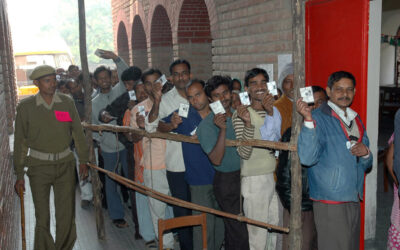
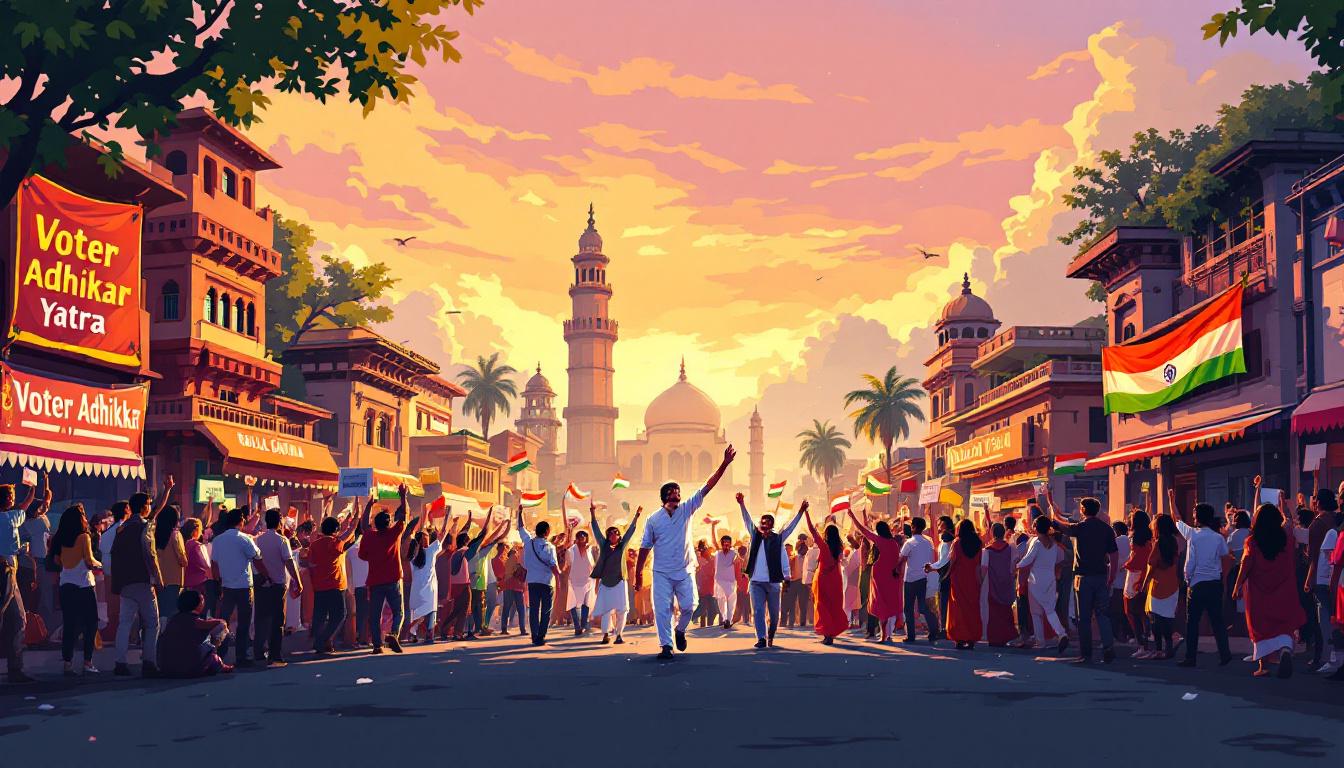
Walking along the yatra’s path is like stepping into a living canvas painted with colour, culture, and conviction. The streets of Supaul and beyond swell with crowds that pulse with enthusiasm. Local women, dressed in vibrant saris, gather in clusters, their faces alight with smiles and resolve. Many of these women carry small flags or banners bearing slogans demanding fair representation. Their presence is both a visual statement and a force of moral support for the campaign.
Elderly participants add a touch of solemnity and wisdom to the yatra. Some carry sticks adorned with sacred threads or flowers, symbols of their steadfast commitment to democratic values. Their slow, steady pace contrasts with the spirited chants and songs echoing from younger volunteers. These volunteers represent various political parties, standing shoulder to shoulder, united for the cause despite their usual differences.
Managing these large, diverse groups amid dusty roads and narrow lanes presents a real challenge. Yet, the organisers keep the momentum steady, guiding the crowds while maintaining unity. The air is thick with the scent of incense and freshly prepared snacks offered at local stalls. The mood is festive, but underpinned with the serious message of protecting voter rights.
This mass mobilisation has attracted plenty of attention from the wider community and media alike, as the presence of thousands signals the widespread concern over voter list revisions and electoral integrity. The yatra becomes a moving festival of democracy in motion, drawing on the strength of local customs and political zeal.

Photo by Edmond Dantès
Women Voters and the Yatra’s Moral Boost
Women stand at the heart of the Voter Adhikar Yatra, their energy and spirit lifting the campaign to a new level. Priyanka Gandhi Vadra’s participation, especially during the festival of Teej, offers a timely moral boost that resonates deeply with women voters. Teej, traditionally a celebration of womanhood and marital harmony, here becomes a backdrop for political awakening.
Priyanka Gandhi’s presence is more than symbolic. In her speeches and interactions, she highlights the vital role women play in shaping Bihar’s democratic future. This connection with the festival’s spirit encourages women to see voting not just as a right but a duty that honours their identity and influence. It delights and energises them, turning festival joy into civic resolve.
In many villages, groups of women organise themselves into neat clusters, sharing stories of past struggles and hopes for a fair electoral process. The yatra brings a sense of inclusion, making it clear that the campaign is not just about numbers, but about recognising everyone’s voice. Women here carry an infectious enthusiasm—they chant, march, and engage with a confidence that adds weight to the movement.
This turn-out also stresses the campaign’s message of inclusivity. Women, long sidelined in many political discussions, are front and centre. Their active participation challenges stereotypes and marks a shift towards greater equality in electoral engagement. As the yatra progresses, women’s involvement becomes a testament to the campaign’s commitment to empowering every voter.
By sparking interest in voting during Teej, the yatra ties cultural identity with democratic participation. This blend engenders a heartfelt connection that motivates women to exercise their rights and stand against electoral disenfranchisement. It is a vivid reminder that political change starts where the people are—right here, in streets filled with hope and voices demanding justice.
For more on the campaign’s grassroots impact and public reactions, see the article on Voter Adhikar Yatra’s momentum in Bihar by The Statesman.
Looking Ahead: The Yatra’s Influence on Bihar Assembly Elections
As the Voter Adhikar Yatra passes its ninth day in Supaul, the ripple effects on Bihar’s 2025 Assembly elections are becoming clearer. This yatra is not merely a political march but a strategic push that could redefine voter enthusiasm, opposition strength, and ultimately the election outcomes. With over 1300 kilometres covered and key leaders rallying together, the campaign has set a tone of urgency and unity. The concluding mass rally in Patna promises a crescendo of activity and visibility that could sway undecided voters and energise long-standing supporters.
Impact on Voter Turnout and Engagement
The core purpose of the yatra is to safeguard voter rights against alleged electoral roll tampering. This focus strikes a chord with many voters, particularly those concerned about being excluded or disenfranchised. The yatra’s ground-level presence — through districts like Supaul, Madhubani, Purnea, and beyond — brings a human dimension to these issues.
- Heightened awareness about voter rights encourages people to check their registration and insist on inclusion.
- Public rallies and speeches make voting feel like a community responsibility rather than just a one-time act.
- The active involvement of women, especially during culturally significant festivals like Teej, fosters a personal connection to voting rights, galvanising entire families.
This kind of engagement can lift turnout, especially in regions where mistrust in the electoral process has dampened participation before. When voters feel their identity is protected, and their vote truly counts, they are more likely to cast ballots. The yatra turns voter education into a lived experience, not a mere message on a screen.
Strengthening Opposition Cohesion Ahead of Polls
Beyond voter mobilisation, the yatra vividly demonstrates the INDIA bloc’s determination to present a united front. This is especially significant in Bihar, where fractured opposition efforts in past elections diluted their potential. Rahul Gandhi, Priyanka Gandhi Vadra, Tejashwi Yadav, and Telangana CM Revanth Reddy walking together symbolizes a rare and meaningful cooperation.
This unity offers voters a clear alternative to the ruling BJP-NDA alliance. It sends a simple, strong message: protecting democracy is a common cause that transcends party lines. The cooperation allows:
- Pooling of resources and manpower, amplifying outreach.
- Consistent messaging across multiple districts, reducing confusion for voters.
- A shared platform to confront issues of voter suppression and social justice, especially around backward class reservations that Revanth Reddy champions.
Such cohesion may make the yatra more than just a symbolic protest; it could be the backbone of an effective electoral strategy. For many, the yatra signals that opposition parties are serious about change and coordinated action.
Anticipation for the Patna Rally and Election Outcomes
The yatra’s climax will be the concluding rally in Patna — a city central to Bihar’s political pulse. This event offers a platform to consolidate the campaign’s messages and galvanise final momentum before voting. Given the sizeable crowds expected, the Patna rally could:
- Boost morale among opposition supporters and undecided voters.
- Attract media coverage that extends the yatra’s influence throughout the state.
- Showcase the INDIA bloc’s leadership in action, reinforcing trust and credibility.
The impact on election outcomes hinges on how effectively the yatra can convert public energy into votes. While it is difficult to predict a sweeping victory, several effects are likely:
| Potential Yatra Influence | Likely Election Result |
|---|---|
| Higher voter turnout in opposition-leaning districts | Improved vote share for the INDIA bloc |
| Stronger cohesion among opposition parties | Reduced vote splitting |
| Enhanced visibility of voter rights issues | Greater public scrutiny of electoral fairness |
| Increased women’s participation | Possible shifts in traditionally reserved voter bases |
In short, the yatra is energising political debate beyond typical electioneering. It may nudge Bihar’s elections towards a more participatory and contested battle, with voter rights taking centre stage. The opposition hopes this momentum will translate into electoral gains and hold the ruling party accountable.
To follow updates as the yatra progresses and the story unfolds towards the Patna rally, the Economic Times offers timely reports on the latest developments.
The journey is far from over, but this campaign has already changed the electoral conversation in Bihar — setting up a high-stakes run-in to the 2025 Assembly elections.
Conclusion
The Voter Adhikar Yatra stands as a firm stand for voter dignity and transparency in Bihar’s run-up to the 2025 Assembly elections. It has sparked widespread public interest by confronting threats to democratic participation head-on and bringing citizen voices to the forefront. This movement has not only energised opposition leaders and parties but has also reignited grassroots confidence that every vote matters and no voice should be silenced.
By connecting local struggles with broader demands for fairness and representation, the yatra paints a clear picture: safeguarding voter rights is central to securing Bihar’s democratic future. Its ongoing journey through districts like Supaul reflects the power of people united in defending their rights and holding institutions accountable. As the campaign moves towards its final rally, the message is unmistakable—active participation and vigilance remain key to democracy’s strength in Bihar and beyond.