



US Tariffs, Silver Surge, Maruti EV Exports: Key Shifts in India’s Business 2025
Estimated reading time: 21 minutes
Thank you for reading this post, don't forget to subscribe!How US Tariffs, Rising Silver Prices and Maruti’s Electric Export Shift India’s Business Scene in 2025
Recent shifts in global trade and India’s domestic market are reshaping the business scene as we approach 2025. The US has imposed steep tariffs on Indian exports, hitting sectors like textiles, gems, and leather hard, with duties reaching up to 50 per cent. This move comes amid concerns over India’s oil imports from Russia and carries heavy consequences for exporters and workers alike.
At the same time, precious metal prices in India, particularly silver, are climbing, reflecting broader economic pressures and investor behaviour. Domestic manufacturers like Maruti Suzuki are responding to these challenges by stepping up electric vehicle exports, signalling a shift in India’s industrial focus.
For investors, exporters, and consumers, these developments matter greatly. Understanding how tariffs, rising commodity prices, and homegrown industrial changes interact is key to navigating India’s evolving business landscape in the years ahead.
You can watch a detailed update on these changes here: https://www.youtube.com/watch?v=-WG7JGoDT0c
Impact of the New US Tariffs on India’s Economy and Trade
The recent US tariff hike on Indian imports is sending ripples across India’s economy and trade sectors. With an additional 25% duty imposed in response to India’s ongoing purchases of Russian oil, the stakes have skyrocketed for exporters, manufacturers, and policymakers alike. This move, rooted in geopolitical considerations and a push to rebalance trade relations, marks a tightening of ties that will shape economic flows for months, if not years. Let’s explore the details behind these tariffs, the sectors facing the toughest challenges, and how India plans to respond.
Details and Rationale Behind the US Tariff Decisions
The timeline began earlier in 2025 when the US government, citing India’s continued import of Russian oil despite global sanctions, announced a series of tariffs targeting Indian goods. Effective from August, the base tariff on many items jumped from 10-25% up to 50% in certain categories, making India one of the most heavily taxed trading partners in Asia.
The US administration justified this escalation mainly on two fronts:
- Geopolitical concerns: The ongoing war in Ukraine prompted the US to clamp down on countries that circumvent sanctions by importing Russian energy. India, despite repeated warnings, maintained significant Russian oil imports, which Washington viewed as undermining international efforts.
- Trade imbalance: The US also highlighted its growing trade deficit with India, framing the tariff as a measure to improve its domestic industry’s competitiveness and reduce dependency.
Despite the broad scope, some exemptions remain. Key sectors like pharmaceuticals and electronics currently enjoy tariff waivers, reflecting their importance to US supply chains. However, this carve-out might not be permanent; future reviews could tighten or loosen these exceptions based on diplomatic progress.

Photo by Markus Winkler
For a deeper look into the background of these tariffs and their official notifications, the Indian Express and Baker McKenzie’s analysis offer well-detailed insights.
Sectors Hardest Hit and Economic Implications in India
The tariff wave is far from uniform; some industries feel the shock more keenly. Here are the sectors under the spotlight:
- Textiles and Apparel: Heavily labour-intensive, these exports face skyrocketing duties, making US market prices much less competitive. This will hit small and medium factories hard, affecting employment across many regions.
- Gems and Jewellery: Already squeezed by global luxury market shifts, the additional tariffs render Indian exports costlier in the US, cutting margins and dampening orders.
- Pharmaceuticals: While currently exempt from extra duties, the pharma sector remains wary of future policy reversals. This sector is crucial for India’s trade balance and employment but faces indirect impacts from overall economic jitters.
- Agriculture: Tariffs on products like spices and processed foods may reduce India’s share in the lucrative US market, particularly affecting rural economies.
- Electronics and Energy: Some Indian electronics goods (including components) have temporary relief, yet energy sectors, especially those involved in refining and exporting petroleum products, face indirect cost pressures due to related sanctions.
The immediate economic consequences are stark:
- Exports slowdown: India’s US-bound shipments risk shrinking sharply, especially in labour-intensive and mid-value goods.
- Job losses: Factories dealing primarily in targeted sectors could downsize, raising unemployment and social challenges, particularly in export hubs.
- Government revenue: Reduced export volumes will affect customs duties and associated taxes, tightening fiscal margins in a changing global economic environment.
- Inflation and consumer prices: Disrupted supply chains and increased costs for Indian inputs or imported components can lead to domestic price rises, feeding inflationary pressures.
Data from recent reports suggest GDP growth could slip below previously forecast levels near 6%, slowing India’s economic momentum amid global uncertainties.
For ongoing tariff developments and exemptions updates, the BBC News provides continuous coverage.
India’s Strategic Response and Trade Negotiations
Faced with this challenge, India is not standing still. The government’s strategy combines several key steps:
- Diplomatic Engagement: High-level talks with the US seek to ease tensions. India is emphasising its critical role as a global vaccine and pharmaceutical supplier, pushing for sustained exemptions in these strategic sectors.
- Protecting Domestic Industries: The government is providing relief packages and easing credit flows to affected export sectors, helping them stay afloat while broader solutions are negotiated.
- Market Diversification: India aims to reduce dependence on the US market by ramping up exports to Europe, the Middle East, and emerging markets. Strengthening bilateral ties with nations like the UAE and ASEAN countries is part of this plan.
- Trade Negotiations: Dialogue is ongoing with US trade representatives, hoping to cap tariff hikes or achieve phased relief based on India’s cooperation on energy security and sanctions compliance.
- Boosting Domestic Manufacturing: The ‘Make in India’ push intensifies, aiming to upgrade local value chains and reduce vulnerability to foreign market shocks.
The path ahead remains uncertain, but these efforts underscore India’s intent to shield its exporters while maintaining its independent policy stance. This balancing act is delicate, as new tariffs could appear without much notice, depending on geopolitical shifts.
To understand how India navigates these talks and the possible economic outcomes, follow the latest updates at the Economic Times which offers detailed analysis of trade negotiations and sectoral impacts.
This tariff imposition is more than a trade barrier — it’s a complex interplay of politics, economics, and diplomacy. As India weathers this storm, businesses and policymakers alike must adapt quickly to new realities shaping the future of trade relations with the US.
Record High Silver Prices and Precious Metals Market Trends
Silver prices in India have surged to an all-time high, crossing ₹1.16 lakh per kilogram according to data from the India Bullion and Jewellers Association (IBJA). At the same time, gold prices have hovered near significant peaks, holding their value as a traditional safe haven. This recent rally in precious metals marks not only changing investor behaviour but also broader shifts in global economic conditions. Let’s explore why these metals are gaining momentum and what it means for those who buy, sell, or invest in them.
Reasons Behind the Surge in Silver and Gold Prices
Multiple forces are driving these historic price jumps in silver and gold.
- Demand-Supply Dynamics: Silver faces a tightening supply amid soaring demand. Industrial applications, particularly in renewable energy technologies such as solar panels, electronics, and electric vehicles, have boosted consumption sharply. Supply shortages have emerged as mines struggle to keep pace, creating upward pressure on prices.
- Inflationary Pressures: Inflation continues to gnaw at purchasing power worldwide. Precious metals are viewed as reliable stores of value during inflationary periods, prompting investors to pile in as a hedge against diminishing fiat currency strength.
- Geopolitical Uncertainty: Global tensions and economic unpredictability often push investors toward precious metals. With ongoing geopolitical struggles affecting energy supplies and trade relations, gold and silver shine as security assets.
- Investment Trends Favouring Precious Metals: A growing number of individual and institutional investors are turning to silver and gold ETFs and physical bullion to preserve and grow wealth. Silver, in particular, is breaking from its traditional role as a secondary metal to gold, thanks to its widespread industrial use combined with safe-haven appeal.
Additionally, the weakening Indian Rupee against the US Dollar amplifies local silver and gold prices, making these metals costlier for domestic buyers but attractive for holders looking to preserve wealth.
The global markets reflect similar trends, with silver hitting near $37.50 per ounce and climbing about 30% year-to-date in 2025, emphasising robust investor confidence and tightening supplies worldwide. Gold remains steady, trading near record levels in multiple currencies, reinforcing its status as a foundational asset amid uncertain times.
Implications for Investors and Consumers in India
The rise in precious metal prices carries practical consequences for various players in India’s economy.
- Jewellery Buyers: For many Indian families, gold and silver jewellery are significant purchases tied to tradition and social customs. Higher prices inevitably increase costs, prompting some buyers to hold back or reconsider quantities purchased. However, demand for pure, hallmarked jewellery remains strong as buyers seek both investment and ornamental value.
- Investors: Those who hold silver and gold as part of their investment portfolio benefit from the price surge. The metals act as a hedge against market volatility, inflation, and currency depreciation, preserving personal wealth. Investors considering entry now should be aware of both price momentum and the potential for short-term corrections.
- Industrial Users: Business sectors relying on silver, such as electronics manufacturing and solar energy, may face rising input costs. This could feed into product prices, but the increased cost also reflects the growing scale and importance of these industries in India’s economic transformation.
- Personal Wealth Protection: In times of economic instability, precious metals often stand out as secure stores of value. For Indian households across income levels, owning gold and silver jewellery, coins, or bars is a tried-and-tested way to protect savings. This cultural preference complements their practical benefits in wealth preservation.
In sum, the surge in silver to ₹1.16 lakh per kilogram and gold nearing ₹1 lakh per 10 grams is not just a headline. It reflects deeper currents in global economics, investor psychology, and industrial demand. Those involved should stay informed on market movements and consider how these changes fit their financial goals and consumption patterns.
For in-depth daily price updates and market insights, the India Bullion and Jewellers Association website offers authoritative data on bullion rates across India. For a wider view on the global silver market and forecasts, sources like BullionVault provide valuable context.
Maruti’s E-Vitara: A Milestone for ‘Made in India’ Electric Vehicles
Maruti Suzuki’s launch of the e-Vitara marks more than just another electric vehicle hitting roads. It flags the arrival of India as a serious contender in the global electric vehicle (EV) market, taking a bold step in the government’s ‘Make in India’ and self-reliance ambitions. This battery electric vehicle (BEV) is the first fully manufactured electric car from India poised for export to the world, signalling fresh confidence in Indian manufacturing’s quality and scale.
The electric e-Vitara isn’t just another product in Maruti’s lineup; it embodies a shift in production, technology, and international trade. From Gujarat’s factory floor to the streets of Europe and Japan, the e-Vitara represents a bridge connecting India’s manufacturing muscle with global green mobility demand.
The Making and Export Strategy of E-Vitara
The e-Vitara’s journey starts in Gujarat, where India’s Prime Minister Narendra Modi personally flagged off the first batch. This is significant because it is the first BEV completely manufactured in India for export, underscoring a milestone in the country’s electric vehicle story.
Maruti Suzuki’s manufacturing setup utilises a modular skateboard platform developed jointly with Toyota and Daihatsu. This lightweight base is designed for flexibility, accommodating different battery sizes and drive systems. Currently, the e-Vitara is available with 49 kWh and 61 kWh battery options, offering front-wheel or all-wheel drive (with Suzuki’s AllGrip technology). The Gujarat plant doesn’t just assemble vehicles; it integrates advanced battery manufacturing with local production of key components such as cathodes and anodes for lithium-ion phosphate batteries. This local production reduces reliance on imports and strengthens the battery ecosystem within India.
On the export front, the e-Vitara is set to sail beyond Indian shores to over 100 countries, spanning Europe, Japan, the UK, and many other markets worldwide. Europe and Japan stand out because they represent demanding automotive markets with strict safety and emission standards. Maruti has already completed the necessary homologation testing, including Euro NCAP crash standards and Japanese safety norms, demonstrating the vehicle’s global readiness.
The export plan is ambitious:
- Targeting both developed and emerging markets
- Leveraging India’s cost-efficiency and manufacturing scale
- Making the e-Vitara a symbol of India’s “Make in India” success on foreign roads
This massive export vision supports India’s broader manufacturing strategy and boosts automotive exports beyond traditional petrol and diesel vehicles. Maruti Suzuki aims to export between 50,000 and 100,000 e-Vitaras annually, staking a strong claim on the global EV stage.
The factory itself is gearing up for more than just this model. With investments totalling over ₹70,000 crore planned in the next half-decade, Gujarat could become a cornerstone of India’s EV production capacity, aiming for up to a million vehicles a year. This scale will help India compete with manufacturing hubs in China, Europe, and Japan.
In short, the e-Vitara’s manufacturing and export strategy is a testament to India’s growing prowess in EV technology — combining local production, strategic partnerships, and global reach. The car is not only ‘Made in India’ but will soon be recognized and driven worldwide.
The Growing Electric Vehicle Industry in India
Maruti Suzuki’s e-Vitara emerges at a time when India’s electric vehicle industry is gathering pace rapidly. The country has accelerated its push toward green transportation through a mix of policy support, infrastructure development, and rising consumer interest.
The Indian government has introduced several incentives encouraging manufacturers and consumers alike. These include:
- Subsidies and tax exemptions for electric vehicles
- Grants and support for battery manufacturing and charging networks
- Favourable norms to attract foreign investment
This policy support aligns with India’s climate commitments and the vision to reduce pollution in its major cities.
Infrastructure is also advancing steadily. Charging stations, once scarce, are spreading across urban and highway corridors, enabling greater EV adoption. Investment in power grids and renewable energy integration builds a cleaner supply for these vehicles, addressing concerns about EVs merely shifting emissions upstream.
Maruti Suzuki’s entry into this space brings a powerful momentum boost for the industry. Being India’s most popular carmaker, their green focus sends a clear signal to buyers and competitors. The e-Vitara’s anticipated success may inspire further investment, technological upgrades, and new product launches in the sector.
The market impact is expected to be significant:
- India’s electric vehicle sales are projected to increase sharply by 2030.
- Maruti’s exports are set to place India on the map as an EV manufacturing hub.
- The ripple effects will spur growth in supply chains, battery production, and workforce skills development.
Competition within India is heating up too. Tata Motors, Mahindra, and newcomers are expanding their electric portfolios, but Maruti’s global export strategy differentiates its approach. By focusing on international markets with reliable products that meet stringent standards, Maruti Suzuki is widening India’s EV footprint beyond borders.
With government incentives complementing industry giants’ efforts, the electric vehicle sector in India looks ready for a takeoff that’s not only about shifting from petrol and diesel but also about declaring India’s rise as a global manufacturing player.
For readers keen to follow Maruti Suzuki’s official updates on the e-Vitara launch and export plans, the Economic Times coverage provides comprehensive insights.
This new chapter for Maruti Suzuki blends India’s industrial ambition with a clean transport future—a clear signal that Indian-made electric vehicles will soon join global roads as trusted, advanced, and sustainable options.
GST Department’s Tax Demand from Zomato: What It Means for India’s Corporate Sector
Recent news about the Goods and Services Tax (GST) department issuing a significant tax demand to Zomato’s parent company, Eternal, has sent ripples throughout India’s corporate world. This ₹40 crore demand includes not just tax dues, but also interest and penalties from a past audit period. Such a high-profile case offers more than a headline; it reveals the increasing intensity of tax scrutiny and the broader message for businesses about transparency and compliance in India’s fast-growing corporate landscape.
Details of the Tax Demand and Company’s Response
The GST authorities in Bengaluru have raised a demand exceeding ₹40 crore against Eternal, the holding company of Zomato and Blinkit. This demand covers the audit period from July 2017 to March 2021, a crucial window marking the rollout and evolution of the GST framework in India.
The breakdown of the amount includes:
- ₹17.19 crore as outstanding GST dues
- ₹21.42 crore in interest
- ₹1.71 crore as penalty for delayed or disputed payments
These sums reflect the tax department’s stringent approach to recover dues, adding interest and penalties where compliance gaps or disputes are identified.
Zomato’s parent company has stated its intention to legally challenge the demand. Their position highlights two key points: first, the company believes in transparent accounting practices and second, it is committed to defending its financial records through appropriate legal channels. Such legal challenges are common in high-stakes tax disputes, especially when companies aim to protect their reputation and shareholder interests.
The move by Eternal to contest the demand underscores a critical aspect of doing business in India today—enterprises need both rigorous internal compliance and preparedness to engage with tax authorities over complex cases.

Photo by Towfiqu barbhuiya
Broader Implications for Businesses Operating in India
This case goes beyond Zomato. It signals a sharper focus by the Indian government on tax audits and transparency across the corporate sector. Several themes emerge clearly:
- Increased audit rigor: The GST department’s detailed scrutiny of transactions, especially over extended periods, shows that companies can expect thorough audits. This means that tax records must be meticulously maintained to withstand such reviews.
- Transparency expectations: Indian regulators are pushing companies to maintain higher standards of transaction transparency. Compliance is no longer about internal bookkeeping but involves readiness for external examination, including cross-referencing between state and central tax authorities.
- Legal preparedness: Many companies will need to bolster their ability to respond to tax demands—whether by settling disputes quickly or, when justified, challenging them in courts or tribunals. This calls for better legal and accounting advisory support.
- Stronger corporate governance: Tax compliance is part of broader corporate governance practices. The Zomato case serves as a reminder that boards and management teams must prioritise compliance risks as actively as operational or financial risks.
For businesses that operate in India or plan to expand here, tax compliance should be seen as a core pillar of sustainable operations. This is not only to avoid financial penalties but to uphold credibility with investors, customers, and regulatory bodies.
In today’s environment, a GST demand is more than just a bill; it is a test of a company’s due diligence and governance culture.
For companies wanting to stay informed about GST regulations and implications for corporate India, the Economic Times hospitality section offers updated insights into ongoing cases like Zomato’s and others involving large enterprises.
This tax demand on Zomato offers a sharp reminder that India’s tax authorities are intensifying their scrutiny. Companies must be prepared, vigilant, and proactive in their compliance efforts if they want to avoid costly surprises.
Overview of Current Share Market, Petrol, Diesel Prices and Their Economic Impact
As we move through 2025, the Indian business scene reflects a mixture of steady trends and subtle shifts, particularly in the share market and fuel prices. The recent Ganesh Chaturthi festival brought a pause to stock market activity, while petrol and diesel prices remain largely unchanged. These movements, though seemingly routine, ripple through consumer behaviour and broader economic conditions. Understanding this interplay sheds light on India’s economic pulse right now.
Share Market Status Amid Celebrations
The national stock exchanges, NSE and BSE, observed a holiday on Ganesh Chaturthi, halting trading activities on 27 August 2025. This seasonal closure offered a moment of calm in an otherwise jittery trading environment.
Before the break, stock indices showed cautious volatility. The markets have been grappling with global trade tensions, particularly new US tariffs on Indian exports, which trimmed investor confidence. On the eve of the holiday, the Sensex and Nifty experienced modest declines, reflecting uncertainties over international factors and domestic policies.
The market pause often gives investors time to reflect, digest news, and plan next moves. While some welcome this break from relentless trading, others watch keenly for signs of recovery or further dips when trading resumes.
The holiday’s effect might be subtle, but weekends and festival closures sometimes cushion markets from knee-jerk reactions, allowing emotions to settle. As markets reopen, traders and investors tend to respond to accumulated information, which can lead to sharper price movements either up or down.
For up-to-date schedules and market holidays, sources like the Economic Times provide clear information essential for stakeholders planning their moves.
Steady Petrol and Diesel Prices: A Breather for Consumers
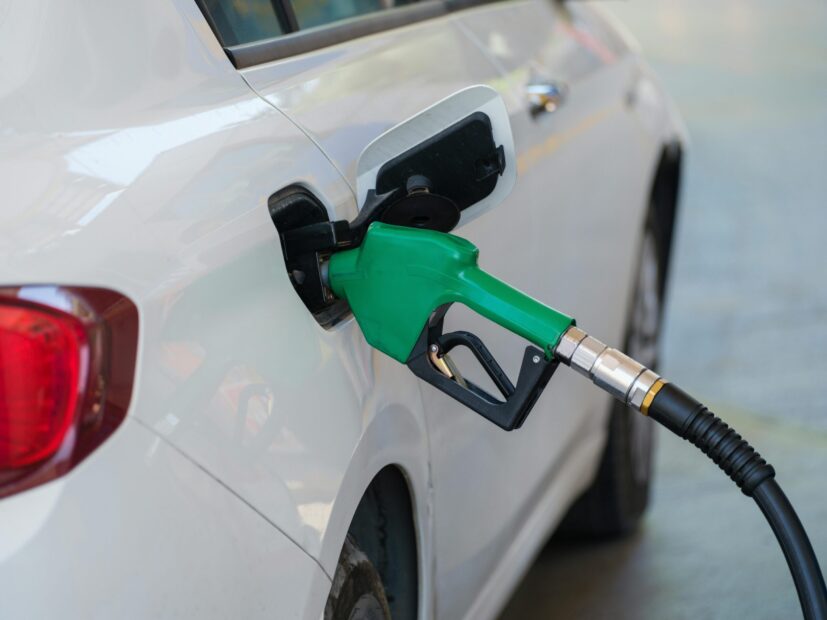
Fuel prices for petrol and diesel have stayed firm this week, with no fresh hikes. This steady pricing offers some relief to households and businesses watching their budgets tightly.
The government’s current pricing strategy balances global crude oil costs with domestic tax policies, dampening sudden spikes that could otherwise fuel inflation. As fuel prices stabilise, consumer confidence gets a modest boost since transport and logistics costs remain predictable for the short term.
Stable fuel prices also support businesses, especially in sectors reliant on transportation—agriculture, retail, manufacturing, and logistics. When fuel costs hold steady, companies face fewer input cost shocks, which can mean lower product price volatility.
From the consumer’s point of view, fuel expenditure forms a substantial part of monthly budgets, especially in urban and semi-urban regions. Stability here can ease the pressure on household spending, potentially freeing up funds for other essentials or discretionary purchases.
However, underlying global oil market pressures and fluctuating international supply chains mean this calm might be temporary. Consumers and businesses alike should stay alert to price signals, as any sudden sharp rise would feed rapidly into inflationary pressures.
For daily and region-wise petrol and diesel prices, trusted platforms such as the India Bullion and Jewellers Association or Bhaskar Business are excellent resources.
Economic Impact and Wider Business Context
This combination of a stock market holiday and fuel price stability occurs at a time when India’s economy faces both internal and external challenges. The stock market reflects investor caution tied to global trade constraints and evolving geopolitical scenarios. Meanwhile, steady fuel prices act as a natural dampener against inflationary shocks.
The festival holiday pause in the markets highlights a rhythm in Indian commerce that blends cultural life with economic activity. Investors get to pause, but the underlying forces—US tariffs, precious metal prices, electric vehicle manufacturing—continue their course and influence longer-term economic health.
Stable fuel prices reduce the pressure on transport costs, which is crucial in an economy where logistics heavily impact goods prices. This steadiness helps temper inflation, benefiting consumers and industries alike.
On the flip side, the stock market’s cautious mood signals that traders are weighing potential risks carefully. They know that global uncertainties still loom large, and future market movements will depend largely on how India navigates trade policies and inflation.
In summary, while the market holiday gives a breathing space and fuel prices remain stable, these factors represent interconnected threads in India’s broader economic fabric. Staying aware of these shifts helps consumers, investors, and businesses make informed decisions in a world where steady moments are often brief but meaningful.
For detailed daily market insights and price updates, readers can explore Livemint’s stock market news, which offers timely updates and analysis relevant to current market conditions.
Conclusion
India’s business environment in 2025 balances complex global tensions with internal economic shifts. The US tariffs raise challenges for exports, compelling India to explore new markets and reinforce domestic manufacturing. Meanwhile, silver and gold prices reflect deeper economic uncertainty, driving investors to precious metals as a safeguard amid inflation worries. Stable petrol and diesel prices provide some breathing room for consumers and businesses, even as crude oil risks remain high.
This web of trade barriers, commodity price changes, and market movements reveals an economy that is adapting and responding, not retreating. For businesses and investors, the key lies in staying alert to these shifting dynamics and acting with foresight.
The road ahead carries hurdles but also opportunities as India strengthens its global trade stance, industrial base, and financial resilience. Keeping an eye on policy developments and market signals will help navigate these evolving conditions with confidence. Your decisions today can set the foundation for success in this demanding but promising economic chapter.