
Top India News 28 August 2024: Modi Cabinet Updates, Political Swings, Flood Alerts, Justice
 Floods and Justice
Estimated reading time: 18 minutes
Thank you for reading this post, don't forget to subscribe!28 August 2024 News Highlights (Modi Cabinet Moves, Political Shifts, Floods and Justice)
Morning breaks with headlines rolling in from every direction. The 28th of August 2024 unfolds with high-stakes moves in the Modi Cabinet, shifting ground in party politics, and stories of ordinary people facing swollen rivers. Meanwhile, the courts deliver verdicts that ripple through the public mood, setting the tone for justice and debate.
Each update carries weight. At every hour, something changes—a leader speaks, a river rises, or a new law is tested. Whether you’re looking for big changes in power or stories that touch daily life, this day catches it all. Dive in for sharp insights, clear facts, and a real sense of India as it moves through another headline-stacked day.
Watch the latest updates on YouTube: 28 August 2024 breaking news Hindi Aaj Tak
Modi Government 3.0 Cabinet Meeting Highlights
The first cabinet meeting of the Modi Government 3.0 set a clear tone for its tenure. Lasting an engaging five and a half hours, the session was chaired by Prime Minister Narendra Modi himself. The focus was sharp on governance reforms and efficient delivery of services. This gathering was foundational, signalling both continuity and change within the government’s top ranks.
Meeting duration and agenda
The meeting stretched over five and a half hours, reflecting the weight of the issues on the table. Chaired by PM Modi, the agenda prioritised key governance reforms across sectors, aiming to tighten project execution and improve public welfare programmes. Discussions leaned heavily towards streamlining administrative processes and integrating new policy measures. The government emphasised practical and measurable steps over broad statements, pushing to translate plans into tangible outcomes swiftly.
Key ministerial appointments
This meeting brought some notable shifts in ministerial responsibilities:
- Shivraj Singh Chouhan took on a new role, stepping into fresh responsibilities that build on his prior leadership experience.
- H.D. Kumaraswamy also received a significant ministry assignment, expanding his political reach within the Union Cabinet.
- Jitan Ram Manjhi and Lalan Singh were entrusted with portfolios that strengthen representation and focus on socio-economic development.
- Among stable pillars, Amit Shah continued as the Home Minister, ensuring steady leadership on internal security.
- Rajnath Singh maintained his role leading Defence, a crucial portfolio given the regional challenges.
- Nirmala Sitharaman stayed on as Finance Minister, steering the country’s economic strategy with a steady hand.
- S. Jaishankar retained the External Affairs portfolio, navigating India’s global partnerships and diplomatic engagements.
This combination of fresh names and experienced leaders signals a balance between continuity and innovation within Modi’s Cabinet 3.0.
Policy signals and next steps
A few key policy moves and future actions were spotlighted:
- There will be a review of ongoing NHAI (National Highways Authority of India) projects, aiming to expedite construction and address bottlenecks. This reflects the government’s commitment to infrastructure growth with agility.
- Approvals for new smart city projects were given the green light, reinforcing urban development as a priority to accommodate growing populations and improve quality of life.
- The cabinet set expectations for more focused and outcome-driven meetings ahead, signalling a rhythm of regular check-ins for policy progress and course corrections.
Overall, the meeting laid out a roadmap geared for hands-on governance with close tracking of key projects. The government appears keen on sustaining momentum and efficiency as it advances its agenda.
For further information on recent Modi Cabinet updates, sources like The Hindu provide detailed news coverage.
Key Political Developments Across States
Politics is never at rest, and across India, recent events are shaping the landscape with a mix of protests, party shifts, and election preparations. From West Bengal to Jammu and Kashmir, there is much unfolding that affects governance and public sentiment. Let’s break down the latest movements state by state.
West Bengal doctor protests and BJP response
The streets of Kolkata recently saw a surge of unrest tied to the tragic rape and murder case of a young doctor. The protesters gathered at Nabanna, the state secretariat, demanding action and justice. The demonstration, dubbed the “Nabanna Abhijan,” quickly escalated, leading to police clashes that left several injured.
Among the voices calling for calm was Kunal Ghosh, who appealed for peaceful protests and urged all parties to seek justice through lawful means. Meanwhile, BJP leaders condemned the injuries caused during the protest, accusing the state government of mishandling the situation. In response, the BJP called for a 12-hour bandh on 28 August to highlight the issue and press for accountability. Despite the government’s warning against supporting the bandh, sporadic violence broke out, reflecting the tension simmering in West Bengal politics.
You can read more about these protests and the political responses in detail from The Hindu’s report on West Bengal protests.
Champa Soren’s party switch
In Jharkhand, a significant political shift occurred when Champa Soren resigned from the Jharkhand Mukti Morcha (JMM). She is scheduled to join the Bharatiya Janata Party (BJP) on 30 August, signalling a change in local political dynamics.
This move comes at a delicate time when the BJP is working to expand its footprint in Jharkhand ahead of critical elections. Soren’s defection could strengthen the BJP’s position by attracting sections of the JMM’s traditional base. It also presents challenges for the JMM, which must now regroup to maintain its influence. Party switchovers like this are not rare in Indian politics, but they often foreshadow shifting electoral tides and indicate evolving alliances.
BJP leader JP Nadda’s Bihar tour
JP Nadda, the national president of the BJP, is set to tour Bihar on 6 and 7 September 2024. This visit aims to energise the party’s organisation ahead of the upcoming state elections. Bihar has a history of fiercely competitive politics, and Nadda’s presence is expected to bolster BJP cadres and outline the party’s strategies.
During this tour, Nadda will attend meetings with local leaders, address rallies, and interact with grassroots workers to encourage voter mobilisation. Bihar remains crucial for the BJP’s ambitions, and such tours often reveal how centrally the party plans to focus on this state in the buildup to elections.
Jammu-Kashmir election updates
In Jammu and Kashmir, election fever is palpable as political parties firm up their candidate lists. The People’s Democratic Party (PDP) recently released its second list of candidates, reflecting its preparations to contest aggressively. This announcement comes amidst heightened political tensions in the region, where security concerns and governance issues frequently intersect.
The release of candidate lists signals a clear intent by parties to stake their claim in the union territory’s political future. However, the environment remains sensitive, and each campaign is watched closely by political observers and security agencies alike.
Gujarat flood response and Rahul Gandhi’s appeal
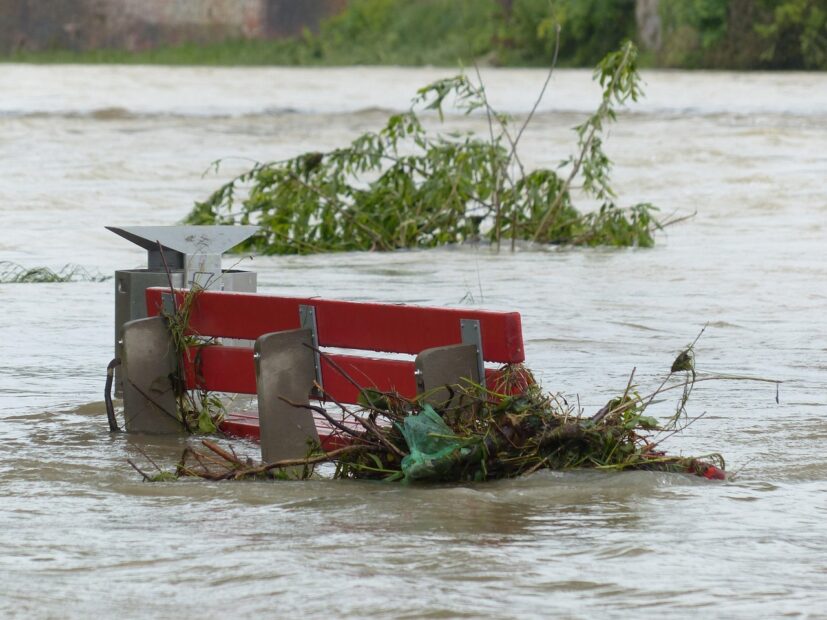
Gujarat is under alert due to heavy rains causing floods in several parts of the state. The government has initiated relief measures and coordinated with the central administration to manage the crisis. Meanwhile, Rahul Gandhi has publicly appealed to Prime Minister Narendra Modi for enhanced flood relief efforts, emphasising the urgency of aid to affected communities.
This situation highlights the ongoing challenges posed by extreme weather events and the political responsibility to respond effectively. Flood relief talks are underway, with all sides aiming to ensure support reaches those in need quickly.
For updates on Gujarat’s flood situation and political responses, news outlets like Hindustan Times cover the situation closely.
These political movements reveal a mix of protest, party strategies, and urgent governance actions. Every state tells a different story, yet all are bound by the urgency to connect with people and manage public expectations before the coming elections.
Security and Border Incidents
Security concerns remain at the forefront across several regions today, with developments on the borders, city streets, and even escalating to a near international alert. From the tense border clashes in North Kashmir to major investigations and safety measures in urban India, the day reveals a complex web of challenges troubling public safety and law enforcement. Below are the key incidents shaping this ongoing story.
North Kashmir border encounter: State that an encounter continued near the Pakistan border on 10:17 PM
Late last night, forces engaged in a tense encounter near the Pakistan border in North Kashmir. The skirmish began close to 10:17 PM, with security officials confirming the continuation of the operation well into the early hours. This is part of the ongoing efforts to curb infiltration attempts and militant activity along the Line of Control. The region remains on high alert, with troops maintaining a strong presence to prevent further incidents. This encounter underlines the fragile security situation near the border and the constant vigilance required to protect the territory.
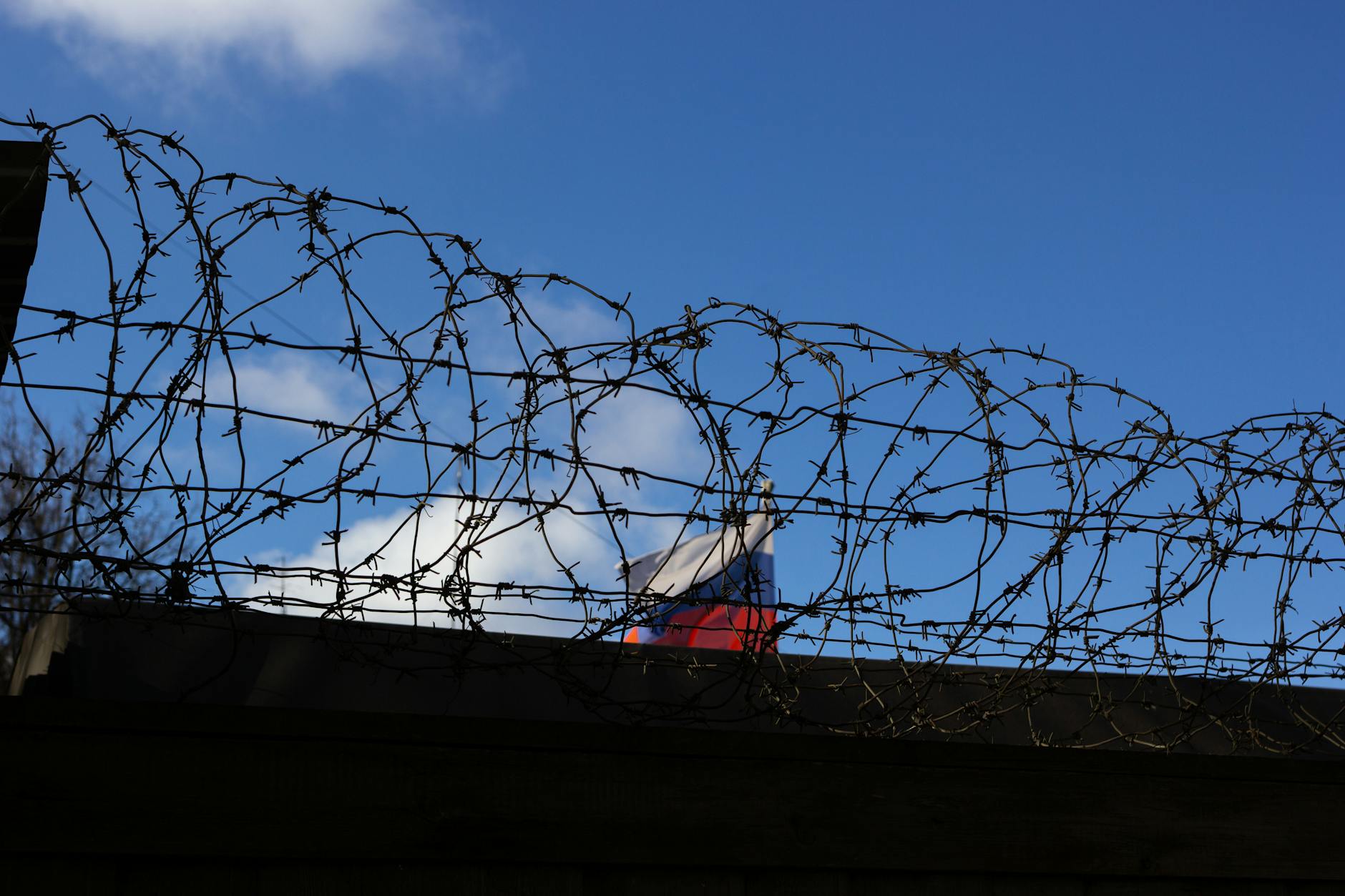
Photo by Plato Terentev
Kolkata rape-murder case developments: Cover CBI questioning of former RG Kar principal Sandip Ghosh, IMA suspension, and ASI polygraph test
The Kolkata doctor’s tragic case has taken a sharp turn with fresh investigations and institutional actions. The Central Bureau of Investigation (CBI) recently questioned former RG Kar Medical College principal Sandip Ghosh, intensifying the probe into alleged lapses surrounding the incident. In a significant move, the Indian Medical Association (IMA) has suspended Dr Ghosh’s membership following mounting public pressure and scrutiny. Meanwhile, an Assistant Sub-Inspector (ASI) associated with the case underwent a polygraph test as part of the ongoing efforts to ensure transparency and accountability. These developments highlight the growing determination within official circles to uncover the full truth while reshaping how safety protocols might be reformed in Kolkata and beyond.
For more on the IMA’s latest decisions, read this detailed report from Times of India.
Task force in Goa for doctor safety: Explain formation after Kolkata case, its mandate to protect medical professionals
Following the outrage in Kolkata, Goa has taken a proactive step by setting up the country’s first dedicated task force aimed at safeguarding medical professionals. This group is mandated to assess risks, recommend safety measures, and work closely with law enforcement to protect doctors and healthcare workers from harassment and violence. Goa’s health department insists the task force will monitor threats and ensure rapid action against offenders. The move acts as a critical response to increasing threats faced by medics nationwide, serving as a model for other states to follow in prioritising the security of those who care for public health.
Railway disruption in Uttar Pradesh: Mention BJP MLA Ashok Kirtania stopping a train at Madgaon station
In a controversial event, BJP MLA Ashok Kirtania allegedly halted a train at Madgaon station, Uttar Pradesh, causing significant disruption to the railway schedule. This incident has sparked debates about the role of political figures in public infrastructure and safety. Railway authorities condemned the act as irresponsible, highlighting how such disruptions affect thousands of commuters daily. The motives behind the stop remain under investigation, but the episode underscores tensions between politics and public order, calling attention to the need for strict adherence to protocol when dealing with essential transport services.
International nuclear alert in Russia: Briefly note IAEA warning about possible nuclear incident at Kursk plant
On the international front, the International Atomic Energy Agency (IAEA) issued a warning over a potential nuclear incident at the Kursk nuclear plant in Russia. Reports indicate unusual military activity around the facility, raising safety concerns that prompted the agency to closely monitor the situation. The IAEA’s alert stresses the importance of nuclear safety and the risks that such close proximity military operations pose in sensitive locations. This development serves as a reminder of the fragile balance involved in managing nuclear infrastructure amid geopolitical tensions.
For the latest updates from the IAEA on nuclear safety, see their official statement here.
Environmental and Weather Updates
Recent days have seen intense weather patterns influencing life across multiple Indian states. Heavy rains, flood warnings, air quality improvements, and unexpected flight alerts have marked a dynamic environmental atmosphere. These developments call for close attention as authorities, communities, and individuals navigate the consequences.
Gujarat and Maharashtra heavy rain alerts
The Indian Meteorological Department (IMD) has issued heavy rain alerts for Gujarat and Maharashtra spanning the next three days. Several districts face sustained downpours, heightening the risk of flooding and disruption.
Key districts affected include:
- In Gujarat: Kutch, Surendranagar, Patan, Ahmedabad, Mehsana, Gandhinagar, Kheda, Anand, Vadodara, Panchmahal, and Bharuch.
- In Maharashtra: Coastal regions have received similar warnings for persistent heavy rainfalls.
The impact on districts has been significant, with flooding reported in low-lying areas, waterlogged roads, and disruptions of daily life. In Vadodara, army units have been deployed to support civil authorities. Their role extends from rescue operations to maintaining public order and logistics during these trying conditions. This deployment reflects the seriousness with which the situation is being managed.
Authorities continue to monitor weather patterns closely, ready to escalate response efforts if needed. Residents in vulnerable areas are urged to stay alert and follow official advisories.
Air pollution drop across India
A recent study by the University of Chicago reveals a noticeable improvement in air quality across India between 2021 and 2022. The report finds an average 20% decline in air pollution levels during this period.
This improvement matters for several reasons:
- Health benefits: Cleaner air reduces risks of respiratory diseases and other pollution-linked conditions.
- Climate impact: Lower pollution contributes to reduced greenhouse gas emissions, supporting broader environmental goals.
- Urban living: Enhanced air quality improves overall quality of life, particularly in heavily industrial or traffic-congested cities.
The report credits factors such as stricter regulations, improved vehicle emission standards, and increased use of renewable energy sources.
Such positive trends offer hope in the ongoing fight against pollution, but sustained effort is vital to maintain and further these gains.
Flood relief and rescue operations
In response to the rising flood threats, the government has activated multiple measures, including the deployment of three army units in Vadodara to bolster rescue and relief efforts. These troops assist with evacuations, distribution of essential supplies, and emergency medical aid.
Alongside the army, National Disaster Response Force (NDRF) teams along with local agencies remain engaged in:
- Assessing flood-affected zones
- Providing temporary shelters
- Restoring critical infrastructure
Local authorities are coordinating closely with central agencies to ensure swift and efficient relief. These combined efforts seek to reduce the impact on vulnerable communities and accelerate recovery.
Drone alert near Amritsar airport
A brief drone warning was issued near Amritsar airport recently, prompting heightened security checks and flight monitoring. The alert caused temporary disruption but was swiftly resolved without incident.
Authorities confirmed the drone had entered restricted airspace unintentionally, and standard protocols ensured no safety threats. This event underlines the growing importance of drone regulation near airports to prevent potential hazards.
Delhi-NCR waterlogging after rain
Following recent showers, parts of Delhi-NCR have experienced notable waterlogging, affecting traffic and daily routines. Several low-lying areas reported pooling of water, temporarily halting movement on key roads and intersections.
Local municipal bodies responded by deploying pumping equipment and clearing storm drains. Commuters were advised to take alternate routes and avoid waterlogged spots for safety.
Although inconvenient, the quick local response helped minimise longer-term disruptions and risks associated with stagnant water, such as sanitation problems.
These updates reflect how changing weather and environmental factors continue to shape life and governance across India. Staying informed and prepared remains essential as communities face these challenges. For ongoing updates on weather alerts and relief efforts, sources like DD News offer timely information.
Legal and Judicial Actions
The legal landscape on 28 August 2024 carries significant weight, touching on high-profile court hearings, judicial decisions, and ongoing investigations. These legal developments are shaping public discourse and influencing political and social dynamics across the country. Here’s a detailed look at the main legal events driving headlines today.
Supreme Court PMLA review hearing: State date and significance of the hearing
The Supreme Court has scheduled a crucial review hearing under the Prevention of Money Laundering Act (PMLA) for later this month. This hearing is critical as it concerns the scrutiny of ongoing investigations and legal procedures tied to high-profile financial offences. The court’s decision here will set important precedents regarding the interpretation and enforcement of PMLA provisions. Given the increasing use of this act in political and financial cases, the ruling is expected to have widespread implications on how anti-money laundering laws are implemented in India.
The hearing is closely observed by legal experts and political commentators alike, as it could recalibrate the balance between investigative agencies and accused parties regarding procedural safeguards and rights. The transparency and rigour of this process will be under the spotlight, highlighting the judiciary’s role in upholding fairness amid complex financial litigations.
Kolkata HC rejects strike petition: Explain the dismissal of a public interest litigation against a BJP‑called strike
In Kolkata, the High Court dismissed a public interest litigation that sought to halt a strike called by the Bharatiya Janata Party (BJP). The petition argued that the strike infringed on public order and essential services, but the court ruled that the strike was a legitimate form of protest within constitutional rights. The dismissal indicates the court’s inclination to uphold democratic expressions like strikes, even when politically charged, provided they remain peaceful and lawful.
This rejection underscores the judiciary’s recognition of political dissent as a fundamental right, while also implicitly expecting that such protests do not disrupt critical services or public safety. It sets a nuanced legal tone on the delicate balance between protest rights and governance.
Delhi HC on Rau’s coaching centre: Note the court’s order to halt classes pending petition
The Delhi High Court has issued an order to temporarily halt classes at Rau’s coaching centre following a petition raising concerns about safety and regulatory compliance. This suspension will remain in place until the court completes its review of the allegations made against the establishment. The interim order highlights the judiciary’s readiness to act swiftly to prevent potential harm, especially within the education sector which directly impacts vulnerable students.
This move is a reminder that institutions serving large populations must adhere strictly to safety norms and quality standards, or face legal consequences. Parents and stakeholders are awaiting further updates with keen interest given the disruption to regular classes.
CBI interrogation of Sandip Ghosh: Detail the 12‑day questioning schedule and its context
The Central Bureau of Investigation (CBI) has commenced a scheduled 12-day interrogation of Sandip Ghosh, the former principal of RG Kar Medical College. This questioning relates to his alleged involvement or oversight failures connected to the high-profile Kolkata doctor rape-murder case. The extended interrogation period reflects the seriousness with which the agency is pursuing leads, aiming to gather comprehensive testimonies and evidence.
This probe forms part of a wider investigation into institutional accountability and systemic lapses that might have contributed to the tragedy. The CBI’s thorough approach is intended to ensure nothing is overlooked in pursuit of justice.
Political figures’ legal statements: Include Kangana Ranaut’s comments on party ties and farmers, and other statements
Among political and public personalities, Kangana Ranaut has made striking comments regarding her stance on party affiliations and the farmers’ issue. She has publicly distanced herself from traditional party politics, emphasising her role as an independent voice supporting farmers’ rights and advocating for reforms outside party lines. Her statements have stirred debate about the intersection of celebrity influence and political activism.
Other political figures have also issued legal statements addressing ongoing controversies and judicial outcomes, each weighing in with calls for respect for the rule of law and fair investigations. These declarations collectively shape public perception and add pressure on investigative agencies and courts to act judiciously.
This detailed snapshot of legal events reflects the careful balance courts are maintaining between enforcing the law, respecting democratic rights, and holding individuals accountable. The outcomes of these cases will impact not only the immediate parties but also broader social and political currents. For more on judicial updates, follow the latest reports from reliable sources like The Hindu and Times of India.
Conclusion
The events of 28 August 2024 paint a vivid picture of a nation balancing ambition, crisis, and accountability. From the decisive first meeting of Modi’s third Cabinet to intense protests in West Bengal and relentless flood struggles in Gujarat, India’s pulse is unmistakable. Legal developments and security alerts remind us how governance, justice, and safety are intertwined in everyday life.
This day shows India navigating complex challenges while pushing ahead with reforms and political recalibrations. Staying informed is key, as every headline shapes the wider story of the country’s future. Keep following these developments closely; they reveal much about where India stands today and where it is headed tomorrow.