


US Imposes 50% Tariff on Indian Exports: Saurabh Bhardwaj Demands Strong Action 2025
Estimated reading time: 14 minutes
Thank you for reading this post, don't forget to subscribe!US Slaps India With 50% Tariff (Saurabh Bhardwaj Demands Action and Respect)
America’s sudden move to slap a 50% tariff on Indian exports in August 2025 set off a storm at home. At the centre stands Saurabh Bhardwaj (AAP Delhi president), who didn’t hold back, urging the government to answer for the hit to India’s pride and the jobs at stake. The decision touched a nerve in households and trading hubs alike, threatening incomes across textiles, gems, and more. Now, anger simmers as many call for strong action to protect what matters most—India’s dignity and its hard-working exporters.
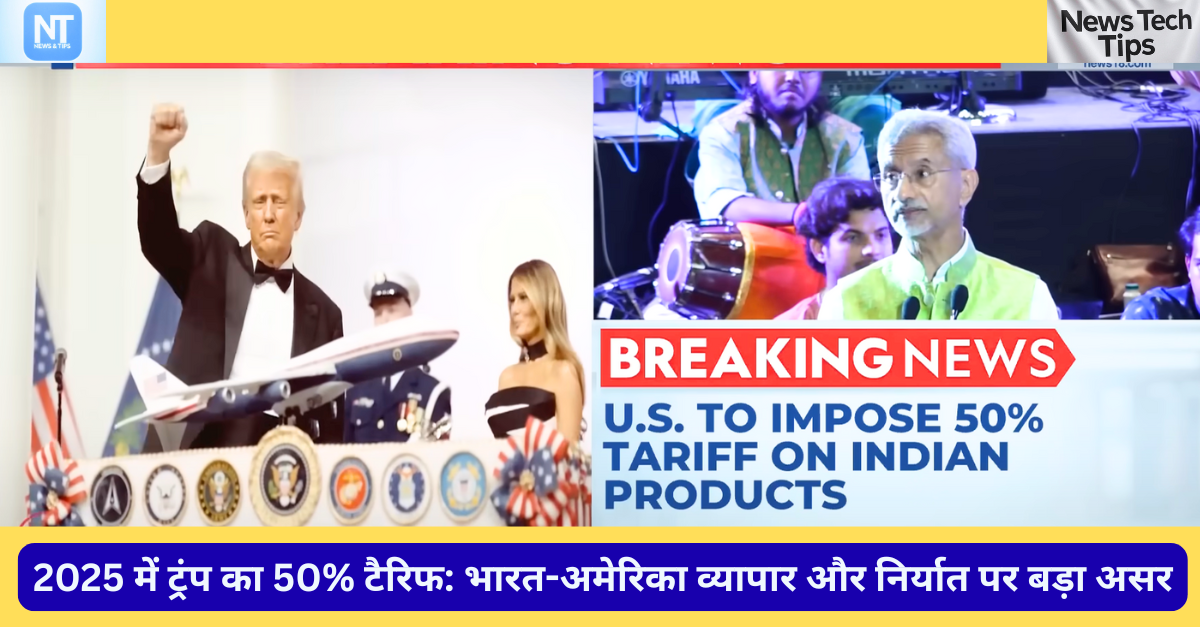
Watch a related news clip:
US Tariff Policy and Its Scale
The US tariff policy under the Trump administration sharply escalated tensions with key trading partners, most notably India and China. Following earlier tariff measures, the recent decision to impose a 50% tariff on certain Indian exports marked a significant step up, impacting a wide range of industries and challenging established trade norms. To understand the full scope, it’s important to inspect both the new measures targeting India and how the tariff strategy compares with previous actions taken against China.
Trump’s 50% Tariff on India
In August 2025, the Trump administration delivered a harsh blow to Indian exports by doubling existing tariffs from 25% to a staggering 50% on select goods. This move was triggered primarily by India’s purchase of Russian oil despite US sanctions, signalling a punitive response aimed at pressuring New Delhi to realign its trade and geopolitical stance.
The products targeted by this steep tariff increase include key sectors such as:
- Gems and jewellery
- Garments and textiles
- Footwear
- Certain types of steel and aluminium
These sectors represent substantial parts of India’s export economy, affecting thousands of businesses and workers reliant on the US market. The tariffs took effect in late August 2025, with shipments already in transit facing uncertain costs and potential rejection.
Economic justification from the US outlined concerns over unfair trade practices and the need to protect American industries from perceived underpriced imports. The administration argued that the tariff hike reflected an effort to rebalance trade deficits and punish India’s actions that contradict US foreign policy.
The scale of this tariff is remarkable, representing one of the highest rates imposed by the US on any country recently, threatening to disrupt established supply chains and provoke a prolonged trade standoff.
Tariffs on China as a Benchmark
The 50% tariff on India revisits the approach first tested with China, where a 25% tariff was introduced during Trump’s earlier trade battles starting in 2018. This precedent showed how tariffs could be wielded aggressively to counteract what the US described as unfair trade practices, intellectual property theft, and systemic economic issues in China.
When the US imposed those 25% tariffs, China responded swiftly with its own retaliatory duties, hitting American exports ranging from soybeans to automobiles. The tit-for-tat nature of the dispute significantly raised the stakes, leading to uncertainty in global markets and increased costs for companies on both sides.
Saurabh Bhardwaj referenced this situation as a warning sign. He highlighted that just as the China tariff war disrupted exports and jobs, the same could happen with India if the government does not act decisively. The sectors hit in India mirror those affected in China, including steel, aluminium, and consumer goods, underscoring the US’s strategy of targeting sectors with direct economic and political impact.
By citing the China example, Bhardwaj aims to shed light on the scale of the challenge India faces and the urgency to protect the country’s trade interests before the dispute escalates beyond repair.
For further details on the background and effects of Trump’s tariff policies on India and China, see this Reuters report on Trump’s tariff impact on India, and the Al Jazeera coverage of new tariffs hitting Indian sectors.
Saurabh Bhardwaj’s Response to the US Tariff Hike
Saurabh Bhardwaj’s reaction to the US imposing a 50% tariff on Indian goods cuts straight to the heart of the issue: it is not just about trade but about respect and India’s standing on the world stage. His sharp words challenge the silence he perceives from the government and call for decisive action. Let’s explore the key points Bhardwaj has made and what steps he demands from India in response.
Key statements and accusations
Bhardwaj does not hold back in his critique of the US and the Indian government. He sharply accused the US of acting “like a king,” implying a sense of arrogance and unilateral authority in imposing harsh tariffs without heeding the impact on India’s economy or dignity. In his own words, Bhardwaj said:
“The US is behaving as if it is a king, yet India stands silent.”
This line cuts to the core of the frustration felt by many. For Bhardwaj, India’s lack of a strong response damages the nation’s self‑respect. He explicitly criticised Prime Minister Narendra Modi, charging that the PM’s inaction harms the country’s pride:
“By not responding strongly, the government is damaging India’s self‑respect and losing the chance to protect our exporters and workers.”
He views this silence or passivity as a setback, allowing America to act without consequence while Indian workers and businesses bear the brunt. Bhardwaj’s statements paint a picture of an unequal negotiation where India must refuse to accept a diminished place.
Call for equal tariffs on the US
Bhardwaj’s demand is clear and bold: India should retaliate by imposing a matching 50% tariff on American imports. He believes this step will force the US to rethink its position by showing that India will not accept unfair treatment quietly.
The purpose behind this demand is twofold:
- To make the US government understand the cost of their tariff and the impact it could have on American businesses.
- To protect Indian industries and workers by creating a level playing field where trade relations cannot be dictated one-sidedly.
Bhardwaj argues that only through a strong and clear message will India regain its bargaining power and respect in international trade dialogues. He urges the government not to be passive observers but active defenders of the country’s economic interests and dignity.
His call is a reminder that trade is more than numbers and policies; it affects livelihood, pride, and the perception of a nation’s strength on the global map. By demanding reciprocal tariffs, Bhardwaj pushes for a stance that signals India is ready to stand up for itself.
For more on India’s reaction and potential trade moves, see this ANI News article covering Bhardwaj’s demand for tariff parity.
Impact on Indian Exporters and Workers
The sudden 50% tariff imposed by the US has sent shockwaves through key Indian export sectors. This shift is not just a matter of balance sheets but one that threatens livelihoods, livelihoods that stretch across hundreds of thousands of workers and countless families who depend on these industries. The scale and immediacy of the impact paint a worrying picture for businesses and communities alike.
Sectors most vulnerable
Several Indian sectors stand directly in the firing line. Those most vulnerable include:
- Jewellery and gems
Accounted for nearly $10 billion in exports to the US in FY24, these sectors are bracing for devastating losses. Exports could plummet by up to 75%, with higher tariffs making Indian products far less competitive than rivals in countries like Italy or Turkey. - Textiles and apparel
Textile exports, a backbone of India’s economy with a large labour base, face potential declines of 70%. US tariffs raise costs sharply, undercutting Indian goods priced against cheaper producers like Bangladesh or Vietnam. - Woodcraft and metal craft
These traditional crafts, including intricate wood and metal handiwork, are also hit hard. Though smaller in export value than textiles or gems, they represent cultural heritage and support thousands of artisans.
The total export value affected by the tariffs is around $48.2 billion annually. This wide net stretches beyond these sectors alone but these industries are the hardest hit, facing some of the steepest falls in demand and income.
Human cost and regional spread
Behind these staggering numbers lie real people. An estimated 150,000 workers in jewellery alone risk losing jobs due to the sudden drop in exports. The impact spreads across numerous districts known for these trades:
- Gujarat and Rajasthan for gems and jewellery
- Tamil Nadu and Maharashtra with huge textile and apparel manufacturing hubs
- Craftspeople in regions like Madhya Pradesh and Odisha who rely on wood and metalcraft exports
The loss goes beyond just paychecks. Entire communities revolve around these industries. Families face uncertainty about schooling, health, and basic needs. Small factories and workshops could close, resulting in widespread joblessness and economic hardship.
This threat calls for urgent relief measures. Without immediate government support, the pain will deepen, pushing vulnerable workers and their families closer to poverty. The time to act is now if these sectors—and the millions depending on them—are to survive this trade upheaval.
For further insight into the tariff’s effects on these sectors and India’s economic response, see this detailed Al Jazeera report on the US tariffs hitting Indian exports.
Political Fallout for PM Modi and the AAP
The US slapping a 50% tariff on Indian exports has stirred a political storm, testing Prime Minister Modi’s government and handing the Aam Aadmi Party (AAP) a strong platform to challenge the establishment. The issue has not only rattled trade and industry but also sharpened criticism over the government’s response and opened discussions about India’s future trade approach and electoral tactics.
Critique of government response
Many observers and opposition voices have swiftly pointed out that the government’s reaction has been slow and insufficient. Critics argue that waiting too long to offer relief pushes exporters and workers deeper into trouble. There are widespread calls for:
- Faster disbursal of financial aid to affected industries, especially gems, textiles, and leather, which bear the brunt of the tariff costs.
- Direct subsidies or tax breaks designed to soften the blow on small and medium enterprises struggling with export costs.
- Stronger protective measures including immediate retaliatory tariffs or trade restrictions on American goods, showing firmness on the international stage.
Many see the Modi administration’s efforts as reactive rather than proactive. While the government has promised tax incentives and reforms like GST simplification, critics feel these measures lack urgency or scale to match the tariff’s severity. The silence or delayed action feeds perceptions that the government is not prioritising the welfare of exporters and workers, leaving doors open for opposition parties to frame this failure as a decline in India’s global standing.
The AAP, led by Arvind Kejriwal and voiced locally through leaders like Saurabh Bhardwaj, have seized this moment to demand a far more robust response. They accuse Narendra Modi’s government of eroding India’s pride and economic security by not responding boldly enough, urging for immediate tariff reciprocity and protectionist policies.
Potential shifts in policy or rhetoric
The weight of this tariff crisis could reshape government policy and rhetoric in several ways going forward:
- Trade talks: The government may adopt a firmer stance in future negotiations, focusing on reducing dependency on the US market by diversifying trade partners. Talks with Europe, Southeast Asia, and Latin America are likely to gain fresh urgency.
- Domestic narrative: Modi’s administration may double down on “self-reliant India” messaging, pushing slogans like “Make in India” but with added emphasis on shielding local industries from outside shocks. This might include greater state intervention or incentives for export competitiveness.
- Election strategies: Politically, the tariff issue offers a clear wedge for opposition parties. The AAP, in particular, will use it to highlight the government’s failures and paint themselves as defenders of working-class exporters and manufacturers. In upcoming elections, Modi’s government might respond with populist moves such as salary hikes for government workers, subsidy packages, or accelerated infrastructure projects aimed at shoring up economic confidence.
We can expect increased rhetoric stressing India’s sovereignty and economic dignity, coupled with strategic efforts to reshape supply chains to reduce vulnerabilities. However, the challenge lies in turning these words into swift, tangible policies that can mitigate the immediate fallout and signal strength ahead of crucial political battles.
For current responses and deeper political analysis on this issue, see this BBC report on Modi’s reaction to the US tariffs and AAP’s demand for reciprocal tariffs covered by the New Indian Express.
Possible Paths Forward for India
Facing the sharp 50% tariff hike from the US, India must now consider practical routes to soften the blow and safeguard its economy. There are two clear paths that stand out: diversifying export markets and taking a firm stance with the US through diplomatic negotiations. Both involve hard decisions and swift action, but each offers a way to protect India’s trade interests and uphold national pride.
Diversifying export markets
Relying heavily on the US market has become a clear vulnerability. India’s export sectors being hit hardest include gems, textiles, and footwear, all major earners linked closely with America. The recent tariff surge highlights the need to broaden horizons, seeking new opportunities in regions keen to strengthen economic ties.
India is actively pivoting towards China, the Middle East, and Africa as alternative markets. These regions offer large, growing consumer bases and expanding industrial needs. For example:
- China remains an important trade partner despite geopolitical complexities, with cooperation in certain sectors still viable.
- The Middle East provides strong demand for textiles, pharmaceuticals, and energy products, backed by growing investments.
- Africa has emerged as a promising destination, where India has increased exports of mineral fuels, machinery, and vehicles.
This strategic shift is supported by a series of new free trade agreements (FTAs). Recent deals with Norway, Switzerland, Iceland, and Liechtenstein, plus ongoing negotiations with the UK, Oman, and the European Union, aim to reduce tariffs and ease trade formalities. India’s move to diversify through these agreements reflects a clear plan to spread commercial risks across multiple partners rather than relying on a single dominant buyer.
By embracing these alternative markets, India can steadily rebuild export momentum. The goal is to unlock fresh demand that balances the tariff hit from the US, cushioning exporters and creating new jobs in emerging regions. This approach demands patience and sustained diplomatic efforts but promises a healthier, more balanced export portfolio over time.
Negotiating with the US
Diversifying markets is vital, but India cannot ignore the importance of direct talks with the US. Diplomatic engagement offers a chance to roll back some of the harshest impacts of the tariff hike. Indian officials are likely exploring several approaches:
- Seeking tariff reductions through dialogue, highlighting sectors most vulnerable to the new duties and emphasising mutual benefits of trade partnerships.
- Negotiating targeted exemptions for sensitive products like pharmaceutical ingredients or agricultural goods, which are critical for Indian industry and public health.
- Exploring phased tariff rollbacks in exchange for India aligning more closely with US policies on trade and geopolitical concerns.
Such talks will require leverage and preparedness. India must demonstrate both its willingness to play by international trade rules and its readiness to push back firmly when needed. The success of these negotiations depends heavily on linking economic and strategic interests in a way that persuades US policymakers to temper their stance.
Saurabh Bhardwaj and other leaders have already called for bold governmental action, including reciprocal tariffs, but behind the scenes diplomacy can open doors that tariffs alone do not. Building trust, clarifying misunderstandings, and finding win-win outcomes can gradually ease tensions and restore more balanced trade relations.
The current atmosphere shows promise that India could win targeted tariff relief if it pushes consistently and smartly. Meanwhile, talks help buy time to accelerate market diversification efforts and support domestic industries in adjusting.
For more on India’s strategies to face these trade challenges and diversify exports, see this AngelOne report on export diversification and trade deals and The Guardian’s analysis of India’s trade response.
Conclusion
The US tariff shock threatens more than just trade figures; it challenges the dignity of Indian workers and the heart of communities tied to exports. Saurabh Bhardwaj’s demand for matching tariffs reflects a call to defend India’s pride and stand firm against unfair treatment.
India must strike a careful balance—protecting the livelihoods of millions while maintaining vital global partnerships. A clear, strong policy response can shield exporters and send a message: India will not accept economic bullying in silence.
As the tariff dispute unfolds, safeguarding dignity and jobs must remain front and centre, alongside a strategic approach that secures India’s place in world trade with respect and fairness.