

Trump’s 50% India Tariff Shakes US-India Relations, Sparks Crypto Scandal in 2025
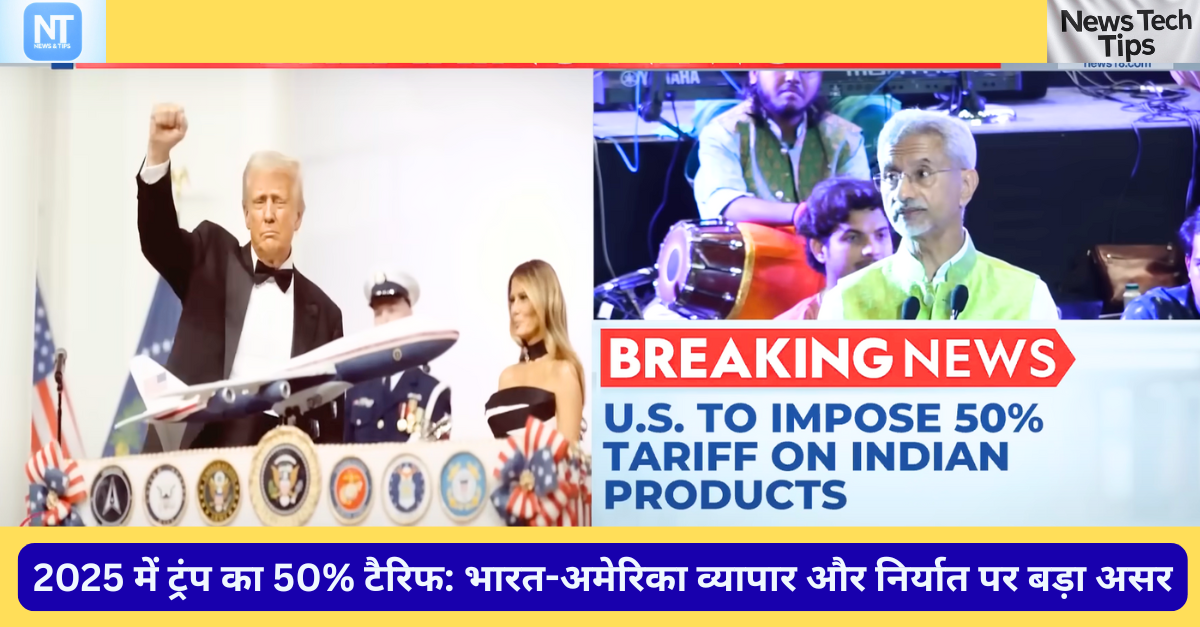 Trump’s 50% India Tariff Shakes US-India Relations, Sparks Crypto Scandal in 2025
Estimated reading time: 18 minutes
Thank you for reading this post, don't forget to subscribe!Trump’s Tariff Move on India and Pakistan (Sullivan’s Allegations, Impact on US-India Ties, and the Crypto Angle)
Sweeping tariffs have changed the stakes between Washington, New Delhi, and Islamabad overnight. The Trump administration’s decision to hit Indian goods with a staggering 50% tariff, while Pakistan faces a much lower 19% rate, has triggered fresh debate on the shape of US-India ties. Former US National Security Advisor Jake Sullivan didn’t mince words, warning that these moves risk turning India away from Washington and opening doors to Beijing.
Sullivan’s remarks strike a nerve because trust and open markets are the foundation of modern alliances. With Indian exports like textiles and jewelry now at risk and US credibility in question, many are watching to see whether old friendships can weather the storm of new trade wars. How these tariffs play out could redefine America’s image and the road ahead for US-India cooperation.
Watch Jake Sullivan discuss these issues on YouTube: Jake Sullivan Slams Trump Tariffs | Warns US Pushing India Toward China | News9
Trump’s Tariff Strategy on India and Pakistan
Tariffs have often been used as a blunt tool in international trade, but the way the Trump administration handled India and Pakistan stands out. The shifting rate hikes, public statements, and the stark gap between duties on the two South Asian neighbors have set off a fresh wave of arguments over Washington’s goals. Looking closely at the timeline and official reasons, you can see a strategy that was as much about sending a message as it was about economic retaliation.
Initial 25% tariff on India and escalation to 50%
The first shot across the bow came in July, when the United States slapped a 25 percent tariff on a wide range of Indian goods. This was not a routine adjustment. The official explanation tied the duty hike to Indian firms’ continued purchase of Russian crude oil, despite US-led sanctions. The White House claimed that these imports offered Moscow economic breathing room, undercutting efforts to pressure Russia amid its ongoing war in Ukraine.
Within days, the tension climbed higher. A second hike added another 25 percent, bringing the total tariff on select Indian imports to a staggering 50 percent. US trade representatives said the move was about getting India to “realign its strategic choices.” This sharp increase sent shockwaves through business circles in both countries, especially in sectors like textiles, gems, and auto parts.
If you’re looking for a full timeline of the actions, PBS NewsHour lays out all the major US tariff moves. The message was clear: keep buying Russian oil, and you’ll pay the price—not just in words, but in cold, hard tariffs.
Key Details:
- First, a 25% duty targeted Indian goods, citing Russian oil trade.
- Days later, the total rate doubled to 50%.
- US officials pointed to national security and a need to “punish” India for its international alliances.
- Indian exports in textiles, jewelry, and manufacturing faced the brunt.
For an up-to-date look at which sectors in India feel these tariffs most, Al Jazeera has a timely breakdown.
Original 29% retaliatory tariff on Pakistan, later reduced to 19%
Pakistan’s experience followed a different track. Early on, the US imposed a 29 percent retaliatory tariff on Pakistani exports, mostly apparel, leather, and some food products. The justification here was less about Russia, and more tied to a string of disputes over intellectual property and market access. American officials argued that unresolved complaints about Pakistani trade practices required a strong response, but not the kind of “full-force” seen with India.
In a surprising shift, the administration later announced the duty would be scaled back from 29 percent to 19 percent. Officials pointed to a handful of recent Pakistani concessions, such as dropping tariffs on certain US farm goods and agreeing to new terms on copyright protections.
Quick Facts:
- Pakistani exports hit with 29% tariff; mostly textiles, leather, food.
- US trade reps said the rate reflected unresolved market access issues.
- Weeks later, tariff dropped to 19% after negotiations and minor Pakistani reforms.
- The 10% reduction was meant to “reward good-faith” movement, according to official US notes.
The contrast between India’s 50 percent rate and Pakistan’s final 19 percent duty laid bare Washington’s shifting priorities. Public statements, negotiation logs, and press briefings all show just how fluid—and politically charged—tariff policy can be.
For more in-depth policy and timeline specifics behind these executive orders, check out NAMM’s full breakdown of US tariffs and their impacts.
These tariff twists didn’t just affect trade numbers. They shaped headlines, forced companies to rethink supply chains, and fueled long debates about America’s place in South and Central Asia.
Jake Sullivan’s Critique and the Alleged Business Deal
A storm of opinions followed the decision to hit Indian exports with a 50 percent tariff while lowering Pakistan’s rate to 19 percent. As drama unfolded, former National Security Advisor Jake Sullivan raised tough questions, going beyond economics. He suggested the policy shift wasn’t just about oil or market access, but rather reflected deeper, personal motives inside the Trump camp. This tension at the crossroads of diplomacy and business has fueled a wave of scrutiny over whether personal interests sometimes collide with national strategy.
Sullivan’s claim of sacrificing India for Pakistan deals
Jake Sullivan, well respected for his sharp strategic insight, made an accusation that shook the debate. He charged that the Trump administration’s drastic tariff hikes on Indian goods signaled a “strategic setback” for US-India relations—one caused by sacrificing the longstanding partnership for less transparent deals with Pakistan.
Sullivan’s most pointed criticism came when he said Trump’s approach “put America’s global standing in the toilet.” He claimed it did not just strain diplomatic trust, but actively pushed India away from Washington and closer to Beijing. According to Sullivan, Trump “sacrificed India ties for his family’s business deals with Pakistan,” putting the US on the back foot in South Asia at a time when stable alliances matter most. Sullivan said these moves sent “the wrong message to partners across the world” and made Beijing “look like the better bet” for India.
For a direct look at Sullivan’s public statements and the broader impact, see this summary on India Today: Donald Trump sacrificed India ties for family’s Pak deals and the in-depth analysis by Indian Express: Trump pushing Delhi towards Beijing, says ex-NSA Sullivan.
Key takeaways from Sullivan’s allegation:
- The 50% tariff on India was seen as a dramatic overreach.
- The consequence: India, the world’s largest democracy, could drift closer to rivals like China.
- US credibility as a reliable partner has taken a hit in the region.
- According to Sullivan, Trump prioritized potential family gain over America’s long-term strategic interests.
Reported Trump family involvement in Pakistan crypto venture
As Sullivan’s critique rippled, fresh reports highlighted a business angle that some say shaped these controversial tariffs. At the center sits World Liberty Financial (WLF), a crypto venture with close ties to the Trump family. News broke that Eric Trump, Donald Trump Jr., and Jared Kushner together hold a 40 percent stake in WLF, with Donald Trump listed as “co-founder emeritus.” The deal, formalized in April 2025, connects WLF to Pakistani military-linked funds through a British-Pakistani entrepreneur who also helms Pakistan’s Crypto Council.
The crypto partnership has drawn attention for several reasons:
- Transparency concerns: WLF’s adviser is also CEO of Pakistan’s crypto council and is tangled in a web of companies some describe as shell entities, raising fears about the opaqueness of cash flows.
- Security risks: Major crypto exchanges like Binance, now tied up in the deal, have faced record fines for enabling money laundering. Binance’s founder CZ was sentenced to four months in prison for financial misconduct, and he now reportedly advises Pakistan’s crypto sector.
- Motive for tariff policy: Investigative reports allege that the Trump family’s business interests in this crypto sector may explain why Pakistan received a much softer tariff blow, compared to the punishing 50 percent rate on Indian goods.
New evidence even links one crypto entity in this deal to a military-controlled fund. After WLF’s settlement with Pakistan, observers noted an increase in US-Pakistan military visits and new agreements, leading some critics to call this “crypto diplomacy.” The Reuters coverage of World Liberty Financial tokens offers more detail on the launch and structure of the venture, while India Tribune outlines the alleged risks and concerns.
The intersection of political tariffs and high-stakes crypto deals places real strain on the trust required for international partnerships. As more facts come to light, the motives behind these moves may matter as much as their results for both Washington and New Delhi.
Impact on US‑India Relations and Global Perceptions
The US decision to slap a 50% tariff on Indian exports, while offering Pakistan much lighter terms, has stirred far more than economic anxiety. There is now real risk that India will rethink its long reliance on the US, quietly sizing up new partnerships. Other American allies are also watching closely, wondering just how dependable Washington really is when push comes to shove.
Potential shift of India towards China
For decades, India has walked a careful line between the US and China. But when Washington suddenly targets Indian goods with the highest tariffs in modern history, it does not take long for New Delhi to consider its options. The move sends a strong message that US priorities can change fast, even at the cost of long-standing partners.
India depends on foreign investment and high-tech imports. If the US squeezes too hard, China stands ready to fill the gap. Beijing has long courted Indian manufacturers and offered attractive infrastructure deals. Now, with US tariffs threatening jobs across India’s export industries, those offers may look more appealing than ever.
- Chinese tech and investment groups have already made approaches to Indian firms feeling tariff pressure.
- Security cooperation, too, is suddenly up for review as Indian officials hedge against US unpredictability.
- A wave of student, business, and diplomatic exchanges between India and China could reshape alliances in Asia.
In a world where trust is currency, every policy misstep shifts the balance. As one detailed analysis at Project Syndicate notes, these tariffs do far more than tax exports—they risk driving India, the US’s most important counterweight to China in Asia, into Beijing’s sphere of influence.
Erosion of US reliability among allies
While India may reconsider its strategic ties, other US allies take careful note of Washington’s willingness to upend trade deals without warning. After the tariff shock, headlines from Tokyo to Berlin highlighted the risk of trusting American promises. When a partner as central as India faces penalties for its sovereign energy choices, smaller allies lose confidence fast.
The sense of unpredictability winds its way into nearly every diplomatic conversation:
- Japan recalibrates joint defense projects, now doubting future US follow-through.
- Vietnam and Australia look to hedge trade routes and security deals, aware that tariff flip-flops could hurt them next.
- European officials quietly ramp up efforts to broker independent trade pacts, without counting on US support.
A deeper look from the team at Brookings explains how fast trust erodes when the US appears to use friendship as a bargaining chip, not a bond. Global opinion polls show a sharp drop in US favorability in regions where the tariffs made headlines—further proof that the costs reach far beyond lost sales and angry diplomats.
How Washington tries to mend this rift will set the course for many future partnerships. In a moment where alliances should keep rising threats in check, even one harsh move could tip the scales in a whole new direction.
Economic and Political Consequences for India
The sudden imposition of a 50% tariff on Indian exports to the United States has turned India’s export engine into a sputtering machine overnight. The ripple effect is huge, reaching from port cities and factory towns all the way to the gilded halls of Parliament. Not only is the country facing a fresh threat to its jobs and revenues, but also a political storm as leaders scramble for answers and a path forward.
Effect of 50% tariff on Indian exports: Sectors hit and revenue loss
The 50% US tariff acts like a sledgehammer on India’s economy. Roughly two-thirds of India’s $86.5 billion in annual exports to the United States are now subject to this steep tariff. That’s a market that no other country can replace in the short term, and Indian exporters know it.
Textiles, jewelry, seafood, leather goods, and auto parts make up the backbone of India’s shipments to the US. Now, they’re staring down a potential 70% plunge in export value from $60.2 billion to as little as $18.6 billion, according to Indian trade experts and industry bodies. Jobs tied to these industries—millions of them—hang in the balance. Factory owners in textile hubs like Surat and Tirupur brace for empty order books and potential layoffs. Gems and jewelry exporters, who see their products as India’s economic crown jewels, now call the tariff a “trade embargo” by another name.
Let’s break down the direct impact on some of India’s most vulnerable export sectors:
- Textiles & Apparel: India’s largest US-bound export, accounting for over $17 billion a year. Some manufacturers say their whole US supply chain could collapse, with orders already shifting to Bangladesh and Vietnam.
- Gems & Jewelry: This industry, famed for diamond polishing and gold jewelry, faces stiff competition. With US tariffs this high, Indian goods are now priced out of much of the market.
- Seafood (especially shrimp): Coastal exporters say the US market, which eats up more than half their shrimp, will evaporate.
- Leather Goods: Another labor-heavy sector, with clusters in Uttar Pradesh and Tamil Nadu, warns of deep job cuts and reduced production.
Here’s a quick side-by-side view of potential losses for the top sectors hit:
| Sector | Export Value Pre-Tariff (USD Billion) | Projected Loss (%) | New Estimated Value (USD Billion) |
|---|---|---|---|
| Textiles | $17 | -70 | $5.1 |
| Gems & Jewelry | $14 | -65 | $4.9 |
| Seafood | $8 | -70 | $2.4 |
| Leather Goods | $7 | -60 | $2.8 |
For more detail on the sector-by-sector breakdown, see The Economic Times’ analysis of export hits and Al Jazeera’s coverage of trade at risk.
Some export-oriented factories, faced with the choice of taking massive losses or shuttering, have halted new hiring and canceled expansion plans. In fabric and gem clusters, the mood is grim. Competitors in Southeast Asia are already stepping in to grab the lost ground in the US market, making long-term recovery even harder.
Domestic political response in India: Leaders and trade bodies react
The political reaction in India has been intense and swift. Prime Minister Narendra Modi’s office described the US move as a “direct attack on Indian livelihoods.” Commerce Minister Piyush Goyal called emergency meetings with major trade bodies and state ministers to draft an immediate response. In a televised address, he condemned the tariff as “punitive, arbitrary, and damaging to the spirit of partnership,” asserting that India “will not stand by while millions of Indian workers are threatened by foreign policy games.”
Key industry groups, such as the Federation of Indian Export Organisations (FIEO) and the Confederation of Indian Industry (CII), have issued strong statements pressing the government to act. They highlight that India’s manufacturing ambitions—cornerstones of the ‘Make in India’ campaign—are now under threat. FIEO’s president warned that “the very backbone of India’s export sector could break,” pointing to the ripple effect through supporting industries, including logistics, warehousing, and transport.
Political opposition parties have seized on the tariff shock as evidence of foreign policy mismanagement. Leaders in Parliament called for independent reviews and demanded compensation packages for affected workers and exporters. Social media campaigns question whether New Delhi’s global strategy left India too exposed.
Some concrete moves and policy shifts are already visible:
- Export relief package: The finance ministry is drawing up short-term relief for affected exporters, with interest-free loans and extended tax breaks under discussion.
- Trade diversification: The government is speeding up talks on new trade agreements, including those with the UK, the EU, and Southeast Asian nations, to find alternatives.
- Domestic consumption push: Policymakers may adjust Goods and Services Tax (GST) rates to boost local demand for goods hit by lost US orders.
For a broad look at stakeholder voices and domestic political fallout, Reuters provides extensive coverage of the political response.
India’s leaders are now at a crossroads. The stakes run from the shop floor to Parliament, touching workers, business owners, and strategists alike. Their response could shape India’s economic future, with effects felt long after the headlines fade.
What the Future May Hold
The trade conflict between the US and India has left scars that may not heal overnight, but the story isn’t finished yet. Every spat in global trade history leaves the door open, even if only a crack, for negotiation and reset. The next few months could bring surprising twists, with political winds in both countries shifting and business lobbies pushing for stability. Let’s explore what changes might come and what steps both nations could take to mend their battered partnership.
Possible policy reversals: Discuss conditions under which the US might lower the tariff or offer relief

Photo by Markus Winkler
Tariff policies are never set in stone. They often bend under pressure from markets, voters, or rival powers. If the White House feels economic pain at home or sees major allies drifting, it may search for an off-ramp. There are clear signs Washington could soften its stance, but conditions have to be right.
Key scenarios where relief becomes likely:
- Market pressure in the US: American importers and retailers, faced with steeper costs and empty shelves, may lobby hard for lower tariffs or exemptions.
- Diplomatic shifts: Rapprochement on bigger issues—like security, technology or climate—might give the US cover to ease tariffs in exchange for Indian cooperation elsewhere.
- Reciprocal moves by India: If New Delhi cuts its Russian oil deals, offers new defense deals, or opens home markets to US tech or farm goods, expect policy in DC to shift quickly.
- Political change: A new administration after the 2025 elections might use tariff relief as an olive branch to restore goodwill with India.
There’s already talk among experts that tariffs could drop if negotiations yield even partial compromise—dropping the rate from 50% to 15-20% would still be high, but far more manageable for trade and business. If that happens by year-end, the shock to growth might not linger so long. See the latest scenario-based analysis at LiveMint: Trump tariffs on India explained.
Strategic steps to mend US‑India ties: Suggest diplomatic actions, joint initiatives, or trade negotiations that could rebuild trust
Both sides have plenty of tools—diplomacy, trade talks, joint programs—to stop this downhill slide and rebuild trust. Simple, honest actions matter as much as grand gestures.
Consider these possible moves:
- High-level Dialogues: Quick face-to-face meetings between leaders and ministers can cool tempers and restart stalled projects.
- Bilateral trade talks: Restarting trade talks and even offering a timeline on tariff review could give industry leaders—and stock markets—the signal they need to plan ahead.
- Targeted relief: The US could grant speedy exemptions to key Indian exports, especially in sectors hit hardest such as textiles or medical supplies, mirroring past moves that eased trade bottlenecks in times of crisis (NPR: U.S. tariffs take effect on India).
- Joint innovation funds: New joint investment vehicles or research centers in renewable energy, digital health, or semiconductors could create lasting links between tech communities and signal a return to partnership.
- Multinational exercises: Ramping up military exercises or space missions would demonstrate that broader strategic trust is alive and well despite trade rows.
- Working groups on crypto regulation: Tackling concerns around new financial tech together could close trust gaps and fight money laundering or terror risks tied to recent scandals.
The rebuilding process takes time but also requires speed with early wins—exemptions, joint task forces, meaningful summits—that show real commitment, not just talk. Trust rebuilds in small steps, but every step counts when the stakes for the next decade’s alliance are this high.
Conclusion
The fallout from these tariffs cuts deeper than trade figures. The US-India partnership, built over decades on shared promise and mutual growth, wobbles when trust fades and motives blur. Sullivan’s warnings are a stark reminder that relationships, like business deals, live and die by credibility. As New Delhi weighs new friends and old rivalries, Washington’s next steps will echo far beyond stock tickers and shipping docks.
Everything hangs on whether leaders choose recovery or rivalry. The world is watching how the US mends fences, pursues fairness, and restores confidence not just in India, but with all its allies. Thanks for reading—keep an eye on the headlines. The policy shifts ahead could redraw the map of global cooperation for years to come.