
Municipal Elections in Remote Villages: How Votes Shape Roads, Water, Schools in 2025
Estimated reading time: 16 minutes
Thank you for reading this post, don't forget to subscribe!How Municipal Elections Shape Daily Life in Remote Villages (Essential Decisions on Roads, Water, and Schools)
The sun peeks over a line of hills, lighting up simple rooftops and dirt paths in a quiet remote village. Daily life stirs as neighbors carry water, children gather for school, and elders discuss road repairs near the market. Before most people finish their morning chores, choices made at the last village election have already set the day’s rhythm.
Local leaders decide which roads get fixed, who keeps the school lights on, and what water flows from dusty taps. For families here, every vote shapes how safe a walk to school feels, whether a teacher stays the year, or if the well will run dry by noon. National headlines rarely reach these homes, but the work of a new village councilor or school board member is felt before breakfast. In places like this, the next municipal election is more than a vote. It’s a chance to change what tomorrow looks like for everyone you know.
Watch a real story about life in a remote village
Local Leaders Direct Everyday Essentials
Each morning in a remote village starts with quiet, simple routines. What many may not see is how these routines are built on choices by local leaders. Mayors, council members, and village heads do more than run meetings. They decide how money is used to fix main roads, keep water clean, support local schools, and even set the hours for the tiny clinic down the lane. Small councils, sometimes just three or four neighbors, make decisions that reach into every corner of daily life. Below are the ways their votes turn into action.
Roads and Transport
Good roads can mean the difference between a morning walk and a long, tiring hike. Local councils often meet to talk about which routes need repairs after each rainy season. These leaders decide how to split funds for filling potholes, grading dirt tracks, or building bridges that link villages to nearby markets. Imagine a mayor visiting an outlying farm, witnessing the muddy path that slows down everyone’s work. Persuading the council to spend part of the yearly budget on gravel for this stretch, he helps cut travel time from an hour down to thirty minutes. After the new road opened, farmers could get their goods to market fresher, and children made it to school on time even after storms.
These changes, while simple, often transform everyday life. Behind every filled pothole or bus route is a local official who heard complaints, looked at the numbers, and made a choice. For more about how local election outcomes can shift priorities like roads and transport, you can explore this resource from the INBAR Foundation about government responsibilities.
Water and Sanitation
Clean water does not arrive by accident. Village heads meet with health workers and engineers to decide where to drill new wells, repair cracked pipes, or clear blocked drains. Sometimes, it comes down to a close council vote after hearing from mothers, teachers, and shopkeepers. In one small village, the old well ran dry every summer, forcing families to walk far in search of water. At a council meeting, the new group voted to reallocate funds and brought in a drilling rig. Within weeks, children filled their buckets from a new, clear pump in the center of town.
Village officials also set rules for safe waste disposal and check that contractors actually finish their work. When a waste pit overflowed last year, it was swift action from the council that sent workers to sort it out before sickness spread.
Education and Youth Programs
A village school is more than just a building. Local votes shape which teachers are hired, how many desks fill the room, and if there’s a club for kids after school. Council members pour over the budget line by line, deciding if there’s enough to patch the leaking roof or buy new books. Not long ago, one village council gained a new majority who had campaigned on education. Using their voting power, they shifted spending and opened a small computer lab for local youth. Now, students type out homework assignments and video chat with teachers in the city—an option never possible before.
Mayors and school boards watch school attendance and clinic visits, often linked in small communities. Their decisions about hiring a second teacher or keeping library doors open longer ripple out through families, making it easier for children to stay curious and safe. For a deeper look at how votes shape schools and safety, visit Why Local Elections Matter, which explains how each ballot can alter daily life in surprising ways.
Election Results Shape Core Services
Who wins in a municipal election often means more than just a change in leadership—it directly shifts how core services run in a village. These shifts are visible in everyday places like the health clinic, local safety patrols, and community gathering spots. For residents, the impact can be as clear as added evening nurse hours, improved street lighting, or a brand-new community market. These changes show how votes become everyday improvements that touch every neighbor’s life.
Health Clinic Hours
When a mayor champions health staff, especially nurses, the difference is immediate and practical. Imagine a village clinic that closes by late afternoon. Sick residents, especially those working during the day, face long, difficult journeys to reach care before it shuts. A mayor supporting a nurse to extend evening clinic hours changes this routine. These new hours mean less travel after dark or in bad weather, making care accessible to all.
Expanding clinic hours also eases pressure on families to arrange childcare or miss work, creating a safety net for health that fits into daily life. Beyond convenience, this reflects a vote for leaders who prioritize health access. When council members back funding for salaries or supplies specifically tied to a nurse’s extended schedule, the community directly benefits. This shows how election outcomes mold healthcare availability far from city centers.
Public Safety and Policing
Safety in small villages often hinges on local council decisions about who patrols the streets, how well-lit they are, and how quickly emergency plans kick in. Council votes can influence the presence of a trained local safety officer, a figure residents know by name and trust with their concerns. Without elected backing, these positions can go unfilled, leaving gaps in night patrols or response readiness.
Street lighting is another service tied to election results. Good lighting along main paths and market areas reduces risks and boosts a sense of security. Local leaders decide whether to invest in upgrading bulbs or maintaining streetlamps—small but critical choices that affect how safe people feel walking home after dark.
Emergency response planning, including coordination for fires or medical crises, relies on budgets and leadership that prioritize preparation. When elections bring in council members focused on safety, plans can be updated, training provided, and equipment maintained. These steps turn into quicker, coordinated responses when emergencies arise, a direct outcome of who holds power.
Community Facilities
The pulse of social life often depends on village decisions about facilities like community centers, libraries, and market spaces. Election winners influence where funds flow and which projects move forward. For example, a new community center can become a hub for meetings, celebrations, or youth programs, breathing life into village interaction and keeping traditions alive.
Upgrading a library means more than books. It offers a quiet space for students, access to information, and sometimes internet access—opening doors to learning and connection. When leaders prioritize such upgrades, they show a commitment to the village’s future.
Creating a market space provides a stage for local artisans, farmers, and traders. It becomes a daily or weekly gathering where neighbors connect, share news, and support local livelihoods. The decision to build or improve these spaces depends on council votes reflecting voters’ priorities.
In all these cases, winning candidates bring their promises to life by shaping public environments that foster community bonds. These choices mold not just facilities, but how the village breathes socially and economically.
For more insights on how local government decisions shape health and safety services, check out this article on how local officials make health care choices by The George Washington University.
Voter Turnout in Remote Villages
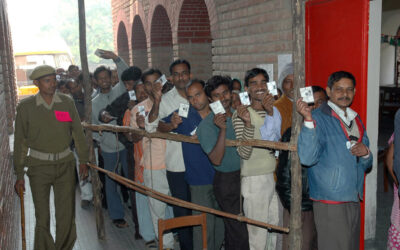
Voter turnout in remote villages is often much lower than in urban areas, yet these elections deeply affect daily life. The reasons behind low turnout are varied but quite practical. Distance, communication gaps, and trust issues can all block a villager from casting their ballot. Overcoming these challenges requires thoughtful outreach and community support. Let’s explore the main hurdles voters face, how outreach programs have made a difference, and the role nonprofits play in boosting participation.
Barriers to Voting
Voting is not always easy in remote villages. Several obstacles stand in the way:
- Travel time: Many villagers must make long, exhausting journeys to reach distant polling stations. One elderly farmer, for example, recently missed voting because he had to walk over two hours each way and could not leave his animals unattended.
- Limited internet and information: Without reliable internet, announcements about voting dates and procedures rarely reach everyone. A mother in one village shared how she only learned about election changes when neighbors told her after the fact.
- Language gaps: Voting materials and ballots are often in languages not spoken by all villagers. A group of youth missed out because election instructions were printed only in the national language, not their local dialect.
These barriers create a sense of distance from the election process itself, making participation feel out of reach for many.
Effective Outreach Programs
Some villages have turned those challenges into opportunities with creative outreach. Programs that work tend to use simple, direct tactics to get people involved:
- Door-to-door canvassing ensures a personal touch, answering questions and delivering information face-to-face.
- Local radio reminders spread voting dates and important instructions in native languages throughout the day.
- School partnerships teach children about voting, who bring the message home to their families.
One standout example raised turnout by roughly 30 percent in a rural district by combining all three methods for the municipal election. Villagers reported feeling better informed and more motivated to participate, especially when trusted neighbors helped explain what to expect.
Role of Nonprofits and NGOs
External organizations play a crucial role in supporting remote villages through:
- Voter education: Workshops and materials inform residents about why their vote matters and how to navigate the ballot.
- Registration drives: Groups travel to villages to register new voters who might otherwise miss the opportunity.
- Transparent ballot handling: NGOs assist with fair vote counting and polling station monitoring, building trust in the process.
These efforts not only increase turnout but foster confidence in local governance overall. In many places, nonprofits stand as a bridge between isolated communities and the democratic process, encouraging participation even when obstacles seem overwhelming.
Incorporating outreach tailored to the unique realities of remote villages helps turn distant elections into local events that everyone can join. More details on strategies to increase voter participation are available in resources from the Nonprofit Vote Voter Engagement Toolkit and reports on barriers faced by rural voters.
Stories of Change After an Election
When people in remote villages cast their votes, the results often spark real, visible change that reshapes daily life. These are not abstract promises but practical improvements—roads fixed, fresh water flowing, places for children to play safely. Below are three stories that show how a single municipal election brought new hope and better living conditions to small communities.
Case Study: Road Revival in Hilltop Village
In Hilltop Village, the main unpaved lane had long been a barrier rather than a pathway. For years, muddy tracks made travel slow and hazardous, especially during the rainy season. When a new council candidate campaigned, promising to fix this road, many villagers felt skeptical but hopeful. After winning the election, the council member immediately pushed for funds to pave the critical stretch.
By the next dry season, the work was done. The once bumpy, dusty path turned into a smooth, paved lane. Travel time between farms and the market was cut in half. Farmers found it easier to bring fresh produce to town, often increasing their income. Children could reach school safely and on time, no matter the weather. This straightforward project changed how people lived day to day, proving local elections can make big differences where it matters most.
Case Study: Clean Water Initiative
Water shortages had been a quiet crisis in Meadowbrook Village for years. The old well ran dry every summer, forcing families to walk miles to distant springs. When voters elected a new mayor, they chose someone who prioritized clean water. The mayor secured a government grant to drill a new well, a project long stalled due to funding gaps.
Once completed, the well became the village’s lifeline. Clean water flowed steadily, cutting down on walking trips and reducing health risks from unsafe sources. Mothers who used to juggle water collection alongside chores found their days easier. Students showed up at school less tired and sick. This fresh water supply triggered a ripple effect—better hygiene, more time for work and study, clearer horizons ahead.
Case Study: Youth Sports Field
In Pinegrove Village, children played where they could—usually on uneven grounds or dusty spaces near busy roads. A young council member noticed this and campaigned on a simple idea: a safe sports field for after-school play. Winning a council seat gave her the platform to advocate strongly for this project.
Funds were approved, and a new sports field appeared by the community center within a year. This field became the new heart of village life. Kids gathered there every afternoon, running, kicking balls, and building teamwork. The field reduced accidents from playing near roads and created a positive outlet for youth energy. For families, it brought peace of mind and a place for children to make friends and stay active.
These stories reflect how a single election can reshape a village, turning promises into tangible improvements. Roads, water, and safe spaces take shape through local leaders who respond to what voters need most. For residents of remote villages, these changes are the threads that weave a stronger community fabric.
For more examples on how local leaders influence infrastructure and community well-being, you can explore insights on rural road projects and local governance from King’s College London’s research.
Creating a Stronger Voting Culture
Building a sturdy foundation for voting in remote villages requires more than just holding elections. It means nurturing trust, opening clear lines of communication, and preparing the next generation to understand the power of their voice. When villagers see leaders as accessible, budgets as transparent, and voting as a shared community duty, the whole culture around elections shifts—becoming stronger and more meaningful. Here are some practical ways to bring that vision to life.
Regular Town Hall Meetings
Monthly town hall meetings give villagers a dependable forum where their voices can be heard and questions get real answers. These gatherings create a rhythm, a promise that officials will regularly report on ongoing projects and challenges. Instead of hearing about decisions secondhand, residents experience transparency firsthand. Officials share progress on roads, water supply, education, and listen to concerns about what still needs fixing.
These meetings also break down distance between voters and leaders, helping build trust step by step. An open conversation can replace suspicion with clarity, turning politics into a shared effort rather than a guessing game. When people see their feedback influence local plans, their interest in elections grows naturally.
Transparent Budget Reports
Nothing drains confidence like hidden numbers or unclear spending. Villages boost trust when they publish simple, easy-to-understand budget reports that connect the dots between election promises and actual funding. Villagers can then see, for example, how money allocated to fix a main road or improve school facilities comes directly from decisions made at the council.
These reports don’t need to be long or complex—just clear tables or charts that show where funds flow. Transparency helps households feel like partners, not bystanders. This openness also encourages leaders to stay accountable, knowing their spending is visible to the whole village.
Drawing on examples of participatory budgeting practices, where communities get to discuss and decide on spending priorities, can turn budgets into tools for engagement rather than mistrust. This approach is gaining traction worldwide because it builds a direct link between votes and results, a practical way to deepen investment in elections. Learn more about such strategies in the paper on participatory budgeting from the Harvard Kennedy School here.
Civic Education in Schools
A stronger voting culture starts with young minds grasping how local elections affect their daily lives. Teaching children about elections, public services, and the responsibilities of local officials builds early awareness that pumps life into future participation. Schools can run mock elections, encouraging students to practice voting and discuss how choices impact roads, schools, and water.
This isn’t just about theory. When students understand that voting shapes if their school gets more books or if the local clinic stays open longer, they start to value elections as part of community life. It also creates natural conversations at home when children share their learning, spreading knowledge beyond the classroom walls.
Introducing civic education in schools plants a seed of responsibility and curiosity—a seed that grows as young villagers mature into informed voters with confidence to participate in shaping their future. Research shows that early civic education programs improve voter turnout and engagement in the long run, as explored in this study on citizen engagement in public services here.
By combining regular dialogue, clear budget communication, and early education, remote villages can build a voting culture that is informed, engaged, and ready to hold its leaders accountable—essential steps to turning elections into real community milestones.
Conclusion
Municipal elections in remote villages are more than formalities; they lay the foundation for daily life. Every vote influences roads, water supplies, schools, and safety measures that shape the community’s rhythm and wellbeing. Local leaders turn those votes into real actions—paving roads, ensuring clean water, keeping schools open, and making the village safer.
Understanding this makes each ballot a powerful tool to improve neighbors’ lives and build stronger communities. When villagers vote with purpose, they invest in a future where small changes lead to lasting progress. Recognizing the direct link between elections and everyday improvements invites everyone to take part, knowing their voice matters in shaping what tomorrow looks like.
Thank you for reading and thinking about the vital role of local elections in remote villages. Your vote doesn’t just count, it changes lives.