




How to Collaborate with YouTubers in 2025: Step-by-Step Guide for Channel Growth
 How to Collaborate with YouTubers in 2025: Step-by-Step Guide for Channel Growth
Estimated reading time: 16 minutes
Thank you for reading this post, don't forget to subscribe!How to Collaborate with Fellow YouTubers (Step-by-Step Guide for Better Growth and Creativity)
Collaborating with other YouTubers opens doors to fresh audiences, new creative ideas, and stronger trust among viewers. When you team up with creators who share your interests, you reach beyond your own followers and build credibility by association. This kind of partnership doesn’t just boost growth — it sparks creativity and brings energy to your channel that’s hard to create alone.
This guide will walk you through the key steps to successful collaboration, from finding the right partner and planning your content to sharing the workload and promoting your videos. You’ll see how clear goals, honest communication, and choosing formats that feel natural can make your partnership shine. Along the way, vivid examples will help you picture how simple actions lead to real results for your channel’s growth and engagement.
By following this step-by-step process, you’ll help your channel grow faster while creating content that excites both you and your audience.
youtube video example on collaboration
Identify and Approach the Ideal Partner
Finding the right YouTube partner is like picking the right teammate for a game. They need to complement your style, share your audience’s interests, and match your channel’s vibe. If you get this right, the collaboration can lift both channels and energize your content. Let’s break down the steps to find your ideal collaborator and make contact with confidence.
Research niche and audience overlap
Start by listing creators whose channels share a theme or style with yours. Look for similarities in the topics you cover, whether it’s gaming, tech reviews, cooking, or any niche. Then, pay attention to the audience they attract. If their viewers are interested in what you do, you already have a good chance of connecting with an audience that fits your channel.
Make a simple table or spreadsheet to organize this info:
- Channel Name
- Content Theme
- Audience Interests (based on video topics and comments)
- Estimated Audience Overlap (high, medium, low)
This method helps you spot channels where your viewers’ interests intersect. When you focus on shared viewer interests, both channels benefit from the collaboration.
Use analytics tools for data
Numbers don’t lie. Take advantage of tools like Social Blade, TubeBuddy, and YouTube Studio to gather clear data on potential partners. Check:
- Subscriber counts to get a sense of their reach
- Engagement rates (likes, comments, shares) to see how active their audience is
- Demographics to compare age, location, and interests with your own channel
These numbers give a solid foundation beyond first impressions. For example, a creator might have many subscribers but low engagement, which could mean their audience is less active. Matching demographic data means your collaboration will feel relevant and targeted.
For a practical guide on using these tools, you can find useful tips on YouTube collaborations for channel growth.
Check engagement and brand fit
Not every creator with the right numbers fits your channel’s image. Look deeper into the quality of their audience’s engagement. If comments show excitement and meaningful interaction, that’s a strong sign. Also, observe their uploading schedule; consistent uploads signal reliability. Finally, match their tone and style with yours. A lighthearted cooking channel may not gel well with a highly technical, serious channel even if their audience overlaps. The key is to keep your brand authentic while benefiting from the partnership.
Craft a personalized pitch
Now for the first impression: your pitch. Write a short message that clearly shows why you admire their work and what you offer. A winning pitch includes:
- A brief introduction of yourself
- Why you think the partnership benefits both channels
- A specific idea for the collaboration (a video topic or format)
Here’s a simple template:
Hi [Creator Name],
I’m [Your Name], and I run [Your Channel Name]. I really enjoy your videos about [specific topic]. I think our audiences share similar interests and would enjoy a collaboration. I’d love to team up on a video about [collaboration idea] that could bring value to both of our viewers. Let me know if you’re interested!
Personal touches show you’ve done your homework and respect their time.
Timing and follow‑up etiquette
Send your pitch on a Tuesday or Wednesday morning when creators are more likely to check messages. Give them about a week to respond—people are busy, and rushing can backfire. If you don’t hear back, send a polite reminder after seven days. Avoid multiple follow-ups that might feel pushy.
Remember, approaching collaboration as a mutual opportunity rather than a favor creates goodwill. A respectful timeline and clear communication open the door for future partnerships.

Design a Win‑Win Collaboration Plan
Success in a YouTube collaboration depends on a clear plan both creators agree on. It’s like drawing a roadmap before a road trip — everyone knows where to go, who drives when, and what stops to expect along the way. When you map out the format, goals, tasks, scripts, and promotions together, you avoid misunderstandings and make sure both channels benefit equally. Here’s how to build a plan that feels fair and smooth for you and your partner.
Choose a suitable format
Picking the right video format sets the tone for your collaboration. Different types of content bring out different strengths and can spark unique energy for your viewers:
- Challenges work well when you want pure fun and audience engagement, especially if both creators have playful, competitive spirits. These get more reaction from viewers who love watching others try something new or tricky.
- Guest appearances offer a more natural way to introduce each other’s audience. One creator drops by to share expertise or a quick segment, making it easy to film and edit separately while still feeling connected.
- Joint tutorials suit creators who share a passion for teaching or showing step-by-step processes. It combines talent and knowledge, motivating viewers to learn from both perspectives at once.
Selecting your format depends on your style, goals, and how much effort you want to invest. Challenges grab attention fast, guest spots keep it simple, and tutorials build lasting value for your audience.
Set clear goals
Before filming a single frame, both creators should agree on what success looks like. Clear goals give direction and keep the collaboration focused:
- New subscribers: Are you aiming to gain a certain number of followers each? This goal helps keep promotion sharp.
- Watch time: Longer watch times mean YouTube values your video more. Decide if you want engaging, in-depth content to hold viewers.
- Brand exposure: Maybe the priority is raising awareness for your channels or projects rather than immediate numbers.
Set measurable goals so you can track results later and adjust your approach if needed. Defining your goals upfront ensures both channels feel rewarded by the partnership.
Outline responsibilities and deadlines
Unclear roles can slow down or stress out your collaboration. A simple checklist clarifies who handles what and when each task is due:
| Task | Responsible Creator | Deadline |
|---|---|---|
| Scripting | Creator A | [Date] |
| Filming segments | Both | [Date] |
| Editing final video | Creator B | [Date] |
| Thumbnail design | Creator A | [Date] |
| Upload to YouTube | Creator B | [Date] |
This kind of roadmap stops confusion and keeps each person accountable. Plus, it highlights dependencies, like editing only starting when filming is done.
Draft a script or talking points
Scripts don’t have to be rigid but do help keep your video tight and engaging. A short outline covering intro, main content, and call-to-action gives structure while letting each creator’s personality shine.
Here’s a simple way to shape your script:
- Introduction: Greet viewers and briefly introduce both creators and the video’s purpose.
- Main content: Break down the collaboration’s core, whether a tutorial step, challenge segment, or guest chat.
- Call-to-action: End by inviting viewers to subscribe, comment, or watch each creator’s separate channel for more.
This balance of planning and flexibility keeps conversations natural, making the video feel genuine and inviting.
Agree on promotion schedule
Your collaboration’s success doubles when you promote it at the right times on multiple platforms together. Set a schedule covering YouTube and each creator’s social accounts, so both audiences hear about the video loudly and clearly.
- Plan when each video goes live on YouTube, noting exact upload date and time.
- Coordinate posts on Instagram and Twitter to hit just before and after the upload.
- Use YouTube community tabs to share sneak peeks, polls, or countdowns that build buzz.
Having a detailed promotion calendar avoids last-minute chaos and maximizes your reach. This way, you get the best push possible from two channels instead of just one.

Image created with AI depicting a collaborative YouTube planning session
Planning your collaboration like this turns guesswork into clear steps. When each partner knows their role, goals, and timings, the whole project moves faster and feels fair. This preparation gives your collaboration the best chance to reach new viewers and keep both creators excited.
For more tips on building collaborations you can rely on, check out this guide on setting yourself up for your first YouTube collaboration.
Create and Launch the Joint Video
Taking your collaboration from concept to release demands careful attention. This is the moment where ideas meet action, and your teamwork shines. The way you produce, edit, optimize, and publish your video influences not just how it looks, but how many people will watch and enjoy it. Below, you’ll find simple, practical steps to get your joint project filmed, polished, and launched for maximum impact.
Share production tips
Successful production depends on laying a solid foundation. Focus on four essentials:
- Basic gear: Good video doesn’t need expensive equipment. A decent DSLR or mirrorless camera paired with a smartphone can work if you frame your shots well. A tripod keeps your footage steady. Use a lavalier mic or a shotgun mic to capture clear sound. Test audio before filming.
- Lighting: Natural light is your friend. Shoot near large windows for soft, even lighting. If indoors, use affordable ring lights or softboxes to reduce shadows. Avoid harsh overhead lights that create glare or unflattering contrast.
- Audio sync: When filming in multiple locations or with multiple cameras, clap your hands or use a clapperboard to sync audio and video easily during editing. This simple cue saves time and keeps dialogue aligned.
- Keep it natural: Collaborate like you’re having a real conversation. Avoid over-rehearsing. Let the dialogue flow to capture genuine reactions and chemistry. This relaxed style draws viewers in and makes your video feel authentic.

Image created with AI showing two YouTubers collaborating in a well-lit studio
Edit for seamless flow
Editing shapes the viewer’s experience. Here’s how to keep the joint video smooth and engaging:
- Trim pauses: Cut long silences or awkward pauses to keep the pace lively. Shorter clips feel more dynamic.
- Add graphics: Use simple overlays like names or pop-up text to highlight points or jokes. Visual cues can brighten the video and keep viewers attentive.
- Balance screen time: Make sure both creators get fair visibility. Switch between shots and use split screens or cutaways so each personality shines equally.
- Sync audio and correct color: Match audio levels so volume stays consistent, and apply basic color grading to unify footage from different cameras.
Good editing isn’t just about cutting clips but creating a rhythm that keeps your audience engaged throughout your collaboration.
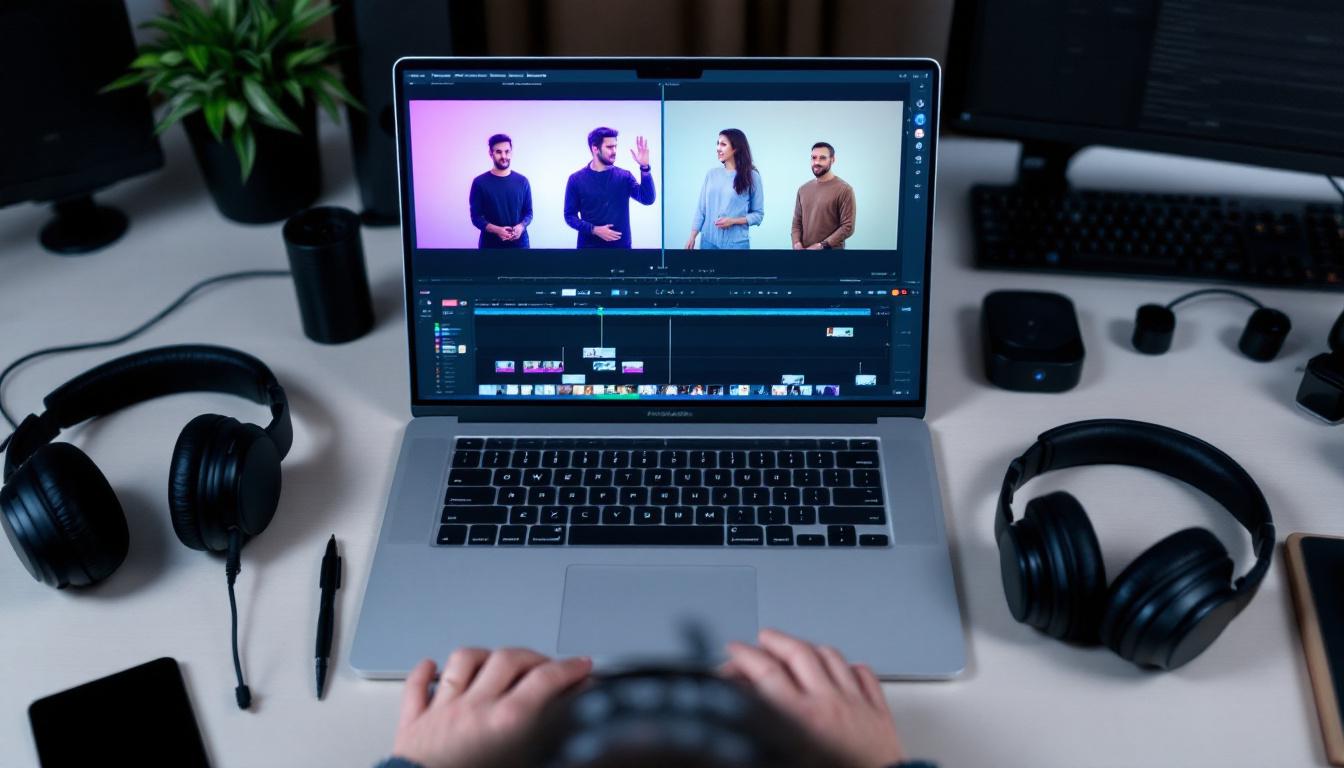
Image created with AI illustrating a clean video editing workstation
Optimize title, thumbnail, and tags
Once the video is ready, make it easy to find and irresistible to click:
- Combine keywords: Merge popular and relevant keywords from both channels’ audiences in the title and description. This broadens search reach and matches multiple viewer interests.
- Eye-catching thumbnail: Design a thumbnail that clearly shows both creators, uses bright colors, and has readable text. Split screens and reaction shots work well. For more ideas on thumbnail design, see this YouTube thumbnail best practices guide.
- Relevant tags: Use tags that describe the video’s topic and your duo. Avoid irrelevant keywords. Tags help YouTube categorize your video and suggest it to the right audience.
- Clear description: Write a description that includes collaboration details, timestamps, and direct links to each creator’s channel. Clear info helps viewers find more from you both.
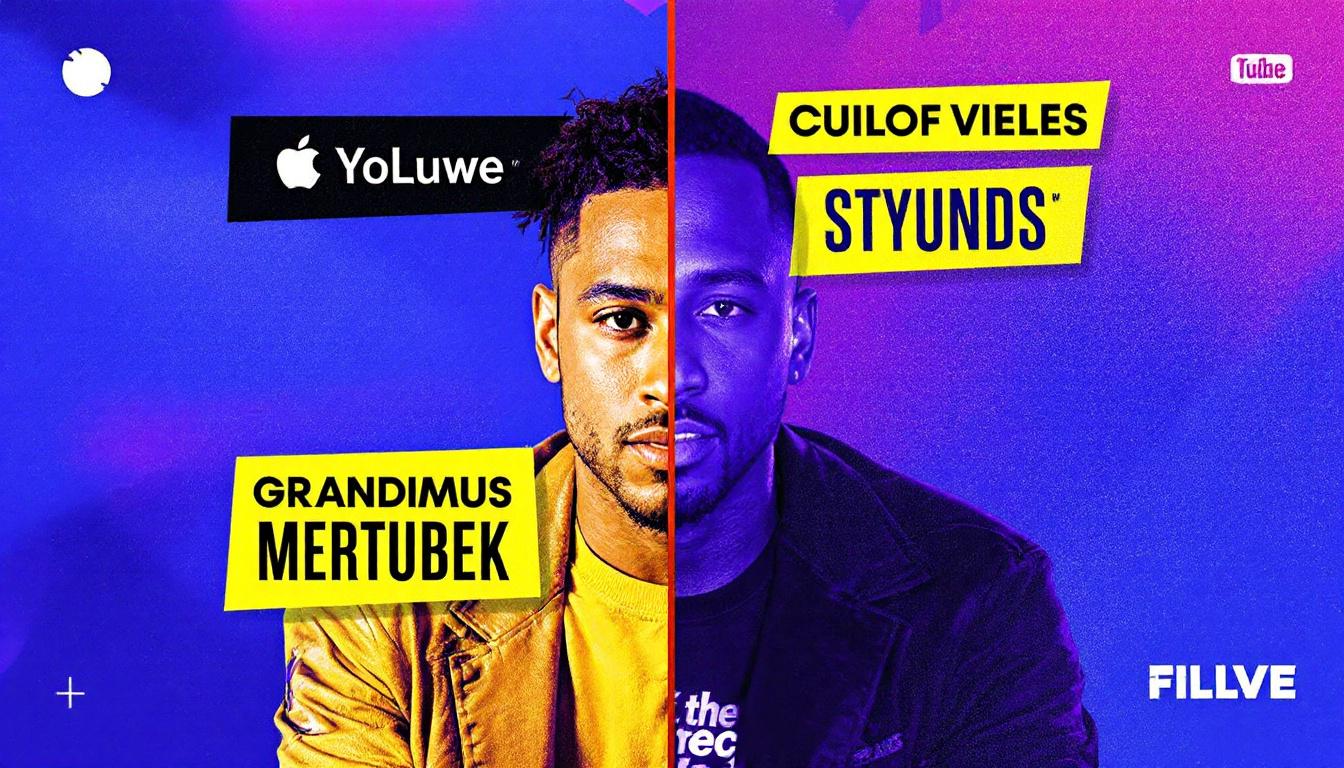
Image created with AI showing a striking YouTube thumbnail combining two creators
Publish with coordinated timing
Releasing your collaborative video at the same time on both channels multiplies its impact:
- Simultaneous posting: Uploading together boosts YouTube’s algorithm by creating a larger, concentrated burst of activity. It signals interest and relevance, increasing chances your video gets recommended.
- Maximize excitement: Shared timing creates buzz among both audiences and encourages live chat, comments, and shares in the first hours after launch.
- Plan ahead: Agree on exact upload day and hour. Share final files and metadata before publishing to avoid last-minute hiccups.
By syncing your release, you create a bigger splash than two separate launches.
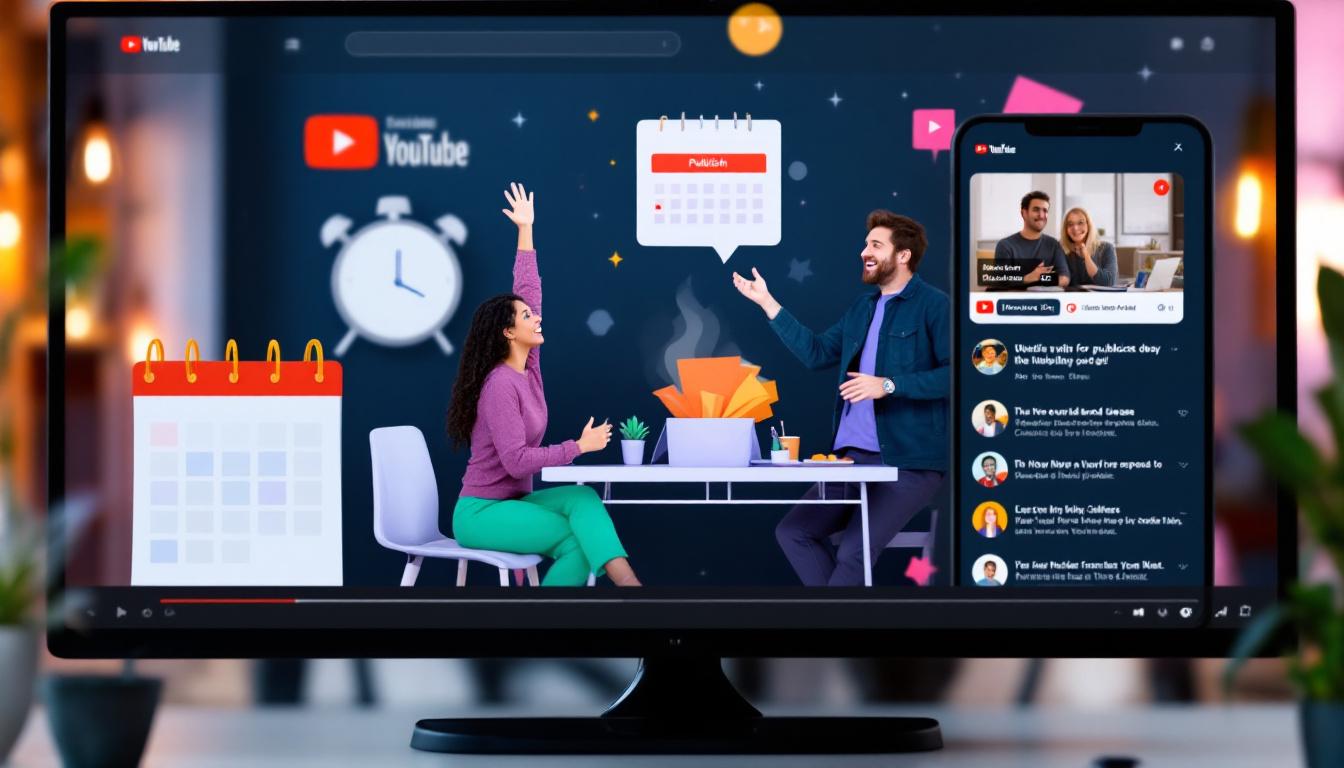
Image created with AI depicting two creators celebrating a video launch
Cross‑promote on socials
The collaboration doesn’t end on YouTube. Promote it on social platforms to reach even more viewers:
- Share teasers: Post short clips or highlights from the video on Instagram Reels, Twitter, and TikTok. These quick glimpses spark curiosity.
- Behind-the-scenes content: Show candid moments during filming or prep. Fans love seeing the effort and fun before the final product.
- Link channels: Mention and link each other’s channels in video descriptions, community posts, and social bios. Directing traffic back and forth grows both audiences.
- Tag and engage: Tag each other in posts and encourage followers to interact and share.
Cross-promotion multiplies your reach outside YouTube, making sure your collaboration gets noticed on all fronts. For more ideas on boosting your channel via cross-promotion, check how YouTube creators successfully share collaborations.

Image created with AI illustrating cross-promotion of a joint video across social media platforms
Following these steps lets you go beyond just making a video together—you build a shared presence that grows both of your communities. Production, editing, optimization, timing, and promotion all matter. When done well, your collaboration becomes a launchpad for future projects and more loyal fans.
Review Results and Build Ongoing Relationships
After your collaboration video goes live and the initial excitement settles, the real work begins: reviewing results and nurturing the partnership. Tracking the outcomes shows you what worked and what needs adjusting. It also sets the stage for future collaborations that build lasting value for you and your partner. Keeping communication open and engaging your joint audiences beyond one video turns a simple collab into a steady growth engine.
Track key metrics
Start by reviewing the numbers that tell the story behind the views:
- View count: The total number of views reveals how well your video reached audiences. Compare this with your regular uploads to see if the collab brought more eyeballs.
- Subscriber lift: How many new subscribers did each channel gain? Tracking subscriber growth shows how the collaboration converted casual viewers into loyal fans.
- Watch time: This metric uncovers how long viewers stuck around. Higher watch time signals strong engagement, helping your video rank better on YouTube.
- Traffic sources: Check where viewers came from. Did the video drive traffic from suggested videos, search, social shares, or from each other’s channels? This insight helps fine-tune promotion strategies for next time.
These data points are your compass for understanding impact. YouTube Studio and analytics tools like Sprout Social’s guide to YouTube metrics provide detailed reports with this information.

Image created with AI showing two creators reviewing collaboration results
Analyze audience feedback
Numbers matter, but so do voices. Dive into the comments to collect audience reactions. Look for:
- Praise: What parts did viewers enjoy? Positive feedback highlights your strengths and what resonated best.
- Criticism: Constructive comments and concerns direct you to areas for improvement.
- Questions and suggestions: Sometimes fans ask for follow-ups or different topics, giving fresh ideas for future projects.
Observing patterns in feedback helps you understand what your communities value. Use those insights to shape your next collaboration and show viewers you’re listening.
Send a thank‑you note and report
A simple email or message after the project is a powerful way to strengthen your partner relationship. Express your gratitude and highlight key successes like:
- View counts and subscriber lifts
- Positive audience reactions
- Any unexpected wins or funny moments
This thoughtful follow-up leaves the door open for trust and continued teamwork. A brief report not only sums up performance but also signals professionalism and respect for your partner’s efforts.
Discuss next steps or future collabs
Don’t let the momentum fade. Soon after the thank-you, start brainstorming ideas for what’s next. Use questions like:
- Which formats worked best for both of us?
- What topics or trends could we explore together?
- Are there seasonal or event-based ideas to target?
- What tentative timelines make sense for another video?
Setting potential dates or themes gives you a shared goal to look forward to, making collaboration a cycle, not a one-time thing.
Stay active in each other’s community
Beyond videos, maintain a supportive presence:
- Comment on new uploads: Leave genuine, encouraging comments that show ongoing interest.
- Share community posts and updates: Amplify each other’s news or milestones.
- Give occasional shout-outs: Highlight their work in your videos or social feeds to boost mutual visibility.
This continual engagement deepens the connection between your audiences and builds steady goodwill between creators.
Maintaining these practices transforms your collaborators into partners and allies who can help you grow for the long term.
For more about understanding metrics and growing your channel, visit YouTube Analytics: Top 7 Metrics to Track.
Conclusion
Collaborating with fellow YouTubers follows a clear path: find the right partner, plan your project carefully, create and launch your video, then review results and build ongoing relationships. Each step strengthens your channel’s growth and creativity by connecting you with new audiences and fresh ideas.
This process combines strategy and genuine teamwork, turning simple cooperation into lasting partnerships. By reaching out and starting small collaborations today, you open the door to bigger opportunities and more engaged viewers.
Keep refining your approach and nurturing connections to make each collaboration more rewarding. Your next great video and new fans are waiting.