

BJP Delhi Meeting Sets Bihar 2025 Strategy: Seat Sharing, SIR Dispute, Modi’s Mother Row
 BJP Delhi Meeting Sets Bihar 2025 Strategy: Seat Sharing, SIR Dispute, Modi’s Mother Row
Estimated reading time: 18 minutes
Thank you for reading this post, don't forget to subscribe!BJP’s Delhi Strategy Meeting Signals High Stakes for Bihar Election (Agenda, SIR Dispute, and Seat Sharing)
Evening shadows stretch across Delhi as key BJP leaders gather at Amit Shah’s home. This isn’t just a routine strategy session. Meetings have run from Patna to Delhi for days, each more tense than the last. At stake is the 2025 Bihar assembly election, and nerves are frayed.
The room is thick with urgency as three topics dominate every conversation: a fresh insult targeting Prime Minister Modi’s late mother, the SIR voter-roll dispute that could shape the electorate’s makeup, and the delicate balance of seat-sharing among NDA allies. Senior figures pore over reports and updates, each aware that the next move may tip the scale in Bihar. Bihar is watching, and every word, every decision, carries extra weight this season.
Delhi Meeting: Key Issues in the Bihar Election
A handful of senior leaders gathered in Delhi to map out the path to Bihar’s next big test. The room was charged with energy, a mix of strategy, pressure, and clear goals. Attendees ranged from Amit Shah, who hosted the session, to Bihar’s own party chiefs who will steer campaigns on the ground. The agenda was tight, the stakes high, and every word carried weight as the clock ticked toward the election season.
Overview of Attendees and Leadership
Amit Shah stood at the center as host, guiding the discussion with a steady hand. Across the room sat the party’s senior figures, each with years of experience in winning tough races. Bihar’s state leaders were present in full force, ready to translate Delhi decisions into field actions. The presence of core Bihar heads underscored one thing: this was not a cosmetic meeting. It was the real work of shaping a campaign that can mobilize voters in a state that requires both broad appeal and deep local understanding. The mix of voices reflected a simple truth: Bihar’s election demands a coordinated effort, with Delhi’s national perspective aligning with the ground-level needs of the party apparatus in Bihar. For further context on the central leadership’s role in state campaigns, you can explore background analyses here: Union Home Minister Amit Shah to chair Bihar BJP Core Committee Meeting.
Agenda Items: Mother Insult and SIR Issue
Two flashpoints defined the discussion and set the tone for the meeting. First, the Mother Insult matter. The group examined how this topic had the power to rally or alienate segments of voters, weighing the risks of escalation against the need to defend party leadership. The framing was careful yet firm, aiming to project a disciplined response that could unify supporters without amplifying opposition narratives. Second, the SIR issue, the voter-roll discrepancy in Bihar, loomed large. Attendees scrutinized data gaps, legal considerations, and how any changes could affect turnout patterns. The link between these items was clear: the tone of the response to an insult could influence how voters perceive the party’s stance on social issues, just as the SIR decisions would shape trust in the party’s organizational competence. Together, they would shape the campaign’s messaging framework and tactical moves in the months ahead. More on how parties manage sensitive issues during campaigns can be found here: Nitish, Shah condemn insult to Modi’s late mother and Congress submitted 89 lakh complaints to EC during SIR.
Survey Report Review
The latest opinion polls were put under a bright light. The team walked through methodologies, sample sizes, and regional weightings to understand what the numbers truly said. The key takeaways focused on turnout expectations, the strength of local narratives, and the margins by which the NDA might win or lose seats. By translating poll insights into concrete tactics, leaders discussed where to push hard and where to pull back. The exercises helped shape decision-making on message emphasis, candidate visibility, and alliance dynamics. These poll readings are not just numbers; they’re a forecast of how voters might respond to the campaign’s next moves. For readers seeking a broader look at how poll data informs campaign strategy, see this overview: Amit Shah, JP Nadda slam Mahagathbandhan over offensive remarks.
Strategic Seat Sharing: NDA Allocation Blueprint
The room stays hushed as leaders lean over maps of Bihar, each seat a potential victory or a missed chance. This section dives into how the High Command plans seat sharing within the NDA. It explains the blueprint that marks strong and weak seats, and shows how that map guides tough negotiations with allies. Think of it as a chessboard where every move is measured against long-term gain, not just the next election.
High Command’s Seat Allocation Blueprint
The internal document is more than a list. It is a strategic compass that flags which seats are most winnable for the BJP and which ones demand tradeoffs with allies. Strong seats get reinforced with credible candidates and focused campaigning, while weaker ones are left open for alliance partners to contest. The blueprint also notes risk areas, such as districts where local issues could tilt results or where anti-incumbency runs high. With this map in hand, negotiations become about securing durable support rather than chasing quick wins. The aim is a stable majority that can endure shifting tides in Bihar politics. For context on how party leadership shapes state campaigns, you can explore analysis here: Union Home Minister Amit Shah to chair Bihar BJP Core Committee Meeting.
Identifying Strong and Weak Constituencies
Google maps simplify travel, but political maps reveal a different kind of terrain. In this blueprint, strong constituencies are those with reliable local support, solid party organization, and past margins that give the BJP confidence. These seats become anchors for the campaign, where high-profile candidates and targeted messaging can lock in votes. On the other hand, weak seats are spots where margins are tight or where anti-incumbency looms. Here, the NDA might offer opportunities to allies who bring local strength, grass-roots networks, and fresh energy. Examples will hinge on regional dynamics and candidate quality, but the principle stays the same: cast the strongest possible line in strong seats while negotiating productive accommodations in weaker ones. For readers following the pattern of seat strengths in Bihar, a broader political overview can be found here: Bihar Assembly Elections 2025: Political Trends.
Negotiations with NDA Partners
Negotiations center on three core ideas: fairness, safeguards, and clear outcomes. Concessions are weighed against the long arc of Bihar’s political landscape, not just the next polling cycle. For JD(U), RJD, and other partners, the talks cover candidate selection, seat swaps, and the division of campaign resources. Safeguards ensure that the alliance keeps a stable line on governance and messaging, even when regional pressures rise. The discussions also address how to handle potential defections or shifts in public sentiment, with contingency plans ready. The aim is to stitch together a compact that respects local leadership while preserving a coherent national strategy. Readers who want to see how similar negotiations play out in other state contexts can explore analyses here: BJP JD(U) Alliance Dynamics in Bihar and RJD and NDA negotiations insights.
Addressing the SIR Voter Roll Controversy
As Bihar moves closer to the 2025 assembly polls, the debate over the Special Intensive Revision (SIR) of voter rolls has become a heated political battle. The BJP’s Delhi strategy sessions had one eye on the shifting numbers and the other on the public trust that each update could sway. Sorting out the real numbers and rebuilding momentum at the booth level has become as important as shaping top-line narratives. Here’s a closer look at what’s at stake, the cracks exposed by recent on-ground reviews, and how party leaders are planning to regain the initiative.
Background of the SIR Issue: Understanding the Numbers and the Stakes

Photo by Element5 Digital
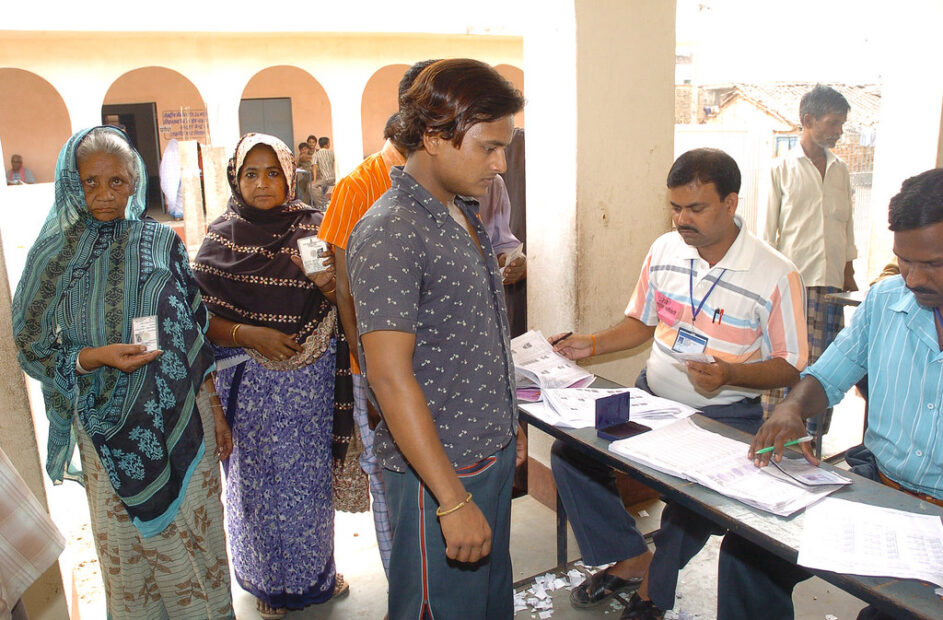
The Special Intensive Revision (SIR) of Bihar’s voter list has sparked major controversy this election cycle. Officials claimed that approximately 6.5 million names could be dropped from the state’s rolls, many flagged as duplicates or outdated entries. For context, that is nearly the population of some Indian states. You can read more about the scale of these changes at Hindustan Times’ report on the SIR exclusion numbers.
Why does this matter? Large-scale removals trigger worries of disenfranchisement and can shift the balance in close contests. Every single name off the list could represent a lost vote, a missed booth captain, or a loyal supporter stripped from the party’s ledger. The issue is not just technical; its political weight is massive. It strikes at the core of democratic trust and at the very base that parties depend on to mobilize their strength.
Ground Activity Gaps and Leadership Concerns
For weeks, BJP field reports hinted at deeper problems beneath the numbers. Critics inside and outside the party have pointed to a lack of energy on the ground since the SIR draft rolls were announced. Canvassers and local leaders struggled to fight confusion and anger as residents discovered their names missing during verification drives.
The Delhi meeting placed these concerns front and center. Senior leaders demanded detailed updates on booth performance, local outreach, and how affected communities were reacting. The message was clear: no voter should feel discarded, and no region should be ignored. Plans for urgent ground checks, retraining of party volunteers, and renewed visits to critical districts were set into motion, all designed to shore up confidence and sharpen the party’s field operations.
Planned Counter-measures
Rebuilding trust and fighting back against the SIR uproar required action on multiple fronts. The BJP mapped a response with three clear pillars:
- Legal Challenges: Party lawyers prepared to contest any unjust removals and quickly escalated cases where entire villages or demographic groups were disproportionately dropped. The process depended on court petitions as well as intervention through the Election Commission, highlighted by recent reports on the integrity of Bihar’s new voter lists.
- Voter Outreach: Mass campaigns to help voters check their status, reapply if needed, and get their names back on the rolls. Party cadres went door to door, carrying forms, smartphones, and clear instructions. In towns and villages, local leaders hosted help desks and public meetings to answer questions and restore trust.
- Media and Communication: The BJP leaned on its media cells and friendly platforms to highlight success stories and address public fears. Case studies where names were restored or errors fixed appeared in targeted newspapers and WhatsApp groups. National spokespeople put the issue in context, emphasizing transparency and the right of appeal.
The end goal remains simple: every legitimate voter’s name must count, and the process must appear fair to every family watching. These efforts aim not only to fix this round of deletions but to prove that the party is listening and ready to fight for every vote—no matter how small the margin.
For analysis of ongoing duplicate and missing voter issues in Bihar’s rolls, see the deep-dive at The Reporters’ Collective.
Political Messaging Around the Modi Mother Insult
The weeks leading up to the Bihar elections have seen emotions run high as political discourse turns personal and pointed. The BJP has put the controversy surrounding the insult to Prime Minister Modi’s late mother at the heart of its messaging—transforming a personal affront into a campaign theme about women’s honor and respect. Voters see this play out not only in speeches and social media hashtags but also in the strategic decisions made in party war rooms from Delhi to Patna. Here’s how the party shapes this controversy into a bigger narrative.
Framing the Insult as an Attack on Women

Image generated with AI
The BJP’s core strategy is to present the attack as an insult not just to one person, but to womanhood itself. When the video surfaced from Darbhanga, party leaders quickly declared that any disrespect toward Modi’s late mother was disrespect to every mother and daughter in Bihar. By connecting the insult to “matri shakti” (the collective power of women) and family dignity, the party seeks to elevate the issue above partisan spats. This rhetorical move gives the narrative emotional weight and aligns with deep-rooted cultural values.
Statements from senior BJP women leaders amplified this approach, arguing that the words hurled hurt the dignity of all women, not just one family. Demands for an apology came not only from men in the party, but also prominent female voices, emphasizing the symbolic nature of the insult. This approach makes the incident relatable to families that value respect and compassion, especially in a state like Bihar where tradition and community remain strong pillars. Details and reactions from women leaders are covered in reports such as BJP’s women leaders slam Opposition over insults to Modi’s mother.
Media Strategy and Public Statements

Image generated by AI
No issue gains traction in an election without a rapid and unified media plan. The BJP’s communication wings acted swiftly, launching a series of coordinated responses:
- Press Conferences: Senior leaders, both national and from Bihar, addressed the media with emotional statements that highlighted the personal pain and broader disrespect.
- Speeches: Rallies featured Modi and other top voices linking the insult to age-old struggles faced by women in Bihar, drawing a sharp line between party values and “opposition arrogance.”
- Social Media Campaigns: Hashtags related to women’s dignity began trending, with video clips and quotes from party leaders shared across platforms like Twitter and WhatsApp.
Every press release and social post echoed the same central message: insulting a mother crosses the line of political decency. This allowed the party to set the terms of debate, forcing opposition leaders to respond on BJP’s chosen ground. News outlets tracked the impact of these moves, as seen in headlines such as “She’s gone, yet targeted”: PM Modi gets emotional over abuses at mother during Bihar rally.
Potential Rally Themes
The controversy gives BJP a chance to blend emotional appeal with its standard pitch on growth and governance. Upcoming rallies are likely to feature themes that harness both:
- Respect for Women: Drawing from the insult, speakers may call for a “politics of respect” that places women’s dignity at the center of public life. Expect mentions of “matri shakti” in every district stop.
- Development Linked to Family Security: Rallies will present a vision where security for every family, especially for mothers and daughters, links to better roads, schools, and public services.
- Contrast Between Eras: Speakers may remind voters of Bihar’s recent past—invoking “jungle raj” and lawlessness—against promises of order, respect, and opportunity made real under BJP governance.
- Justice and Decency: The party can highlight a clear moral divide, describing itself as the defender of tradition and values, while painting the opposition as arrogant and out of touch with regular families.
By combining the personal and the political, the BJP aims to create a sense that the election is not only about jobs or roads but about who will stand up for the dignity of every home. This storytelling strategy pulls on emotions while directing focus toward the policies and promises central to the party’s Bihar pitch.
For a deeper look at how BJP weaves together these threads in response to opposition attacks, read the coverage “PM Modi Slams RJD, Congress Over Remarks on His Late Mother”.
Implications for the Upcoming Bihar Assembly Election
The Delhi strategy meeting has set the stage for a high-stakes contest as Bihar gears up for its assembly polls. Every speech, campaign promise, and alliance deal now becomes a lever for shifting hearts and minds. With voter lists under scrutiny, alliances on edge, and a public mood pulsing with questions of respect and inclusion, the next months will shape the fate of the state. What unfolds will echo not just in Patna, but across India’s political map.
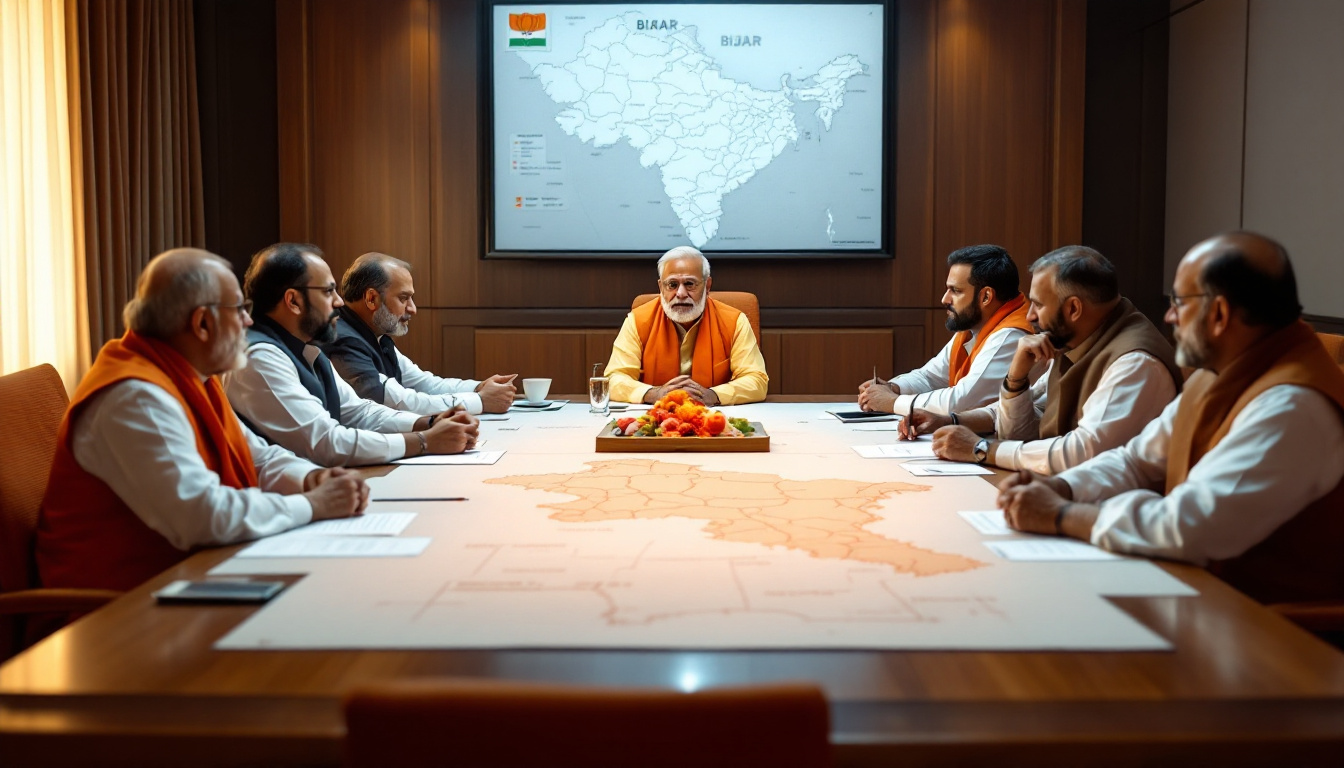
Image created with AI
Projected Impact on Voter Sentiment
Messages born in these closed-door meetings often travel farther than any campaign rally. Major themes will likely stir a response from two key groups: women and voters in rural Bihar.
- Women voters: Framing the Modi mother insult as a direct attack on dignity has struck a chord, especially in towns and villages where family honor runs deep. BJP’s message, tying the insult to broader issues of women’s respect, could help recapture support among women who might otherwise have been ambivalent. Emotional narratives like these often bring out voters who sit out less-charged contests.
- Rural sentiment: The SIR voter-roll controversy cuts two ways. Many rural families now worry about being left out of the system. Rapid outreach and visible efforts to fix mistakes can rebuild some of that lost trust. If the BJP is seen as responding fast, rural voters may return to the fold rather than stray to rivals promising change.
- Youth and first-time voters: As digital campaigns pick up, younger voters—especially those targeted by WhatsApp campaigns and Instagram updates—could decide tight races. The party’s ability to connect with their aspirations (jobs, security, social mobility) matters even more now.
- Caste dynamics: Recent promises on caste census and justice affirm long-standing pulls in Bihar politics. BJP must balance this traditional plank with its renewed push for women’s dignity and social order.
Shifting moods will reflect in coming opinion polls and turnout in key districts. Wider coverage by Moneycontrol’s opinion poll points to a likely edge for the NDA, with the BJP projected to post gains if these messages stick.
Timeline to Election Day
Strategy means nothing without a clock ticking down. Here’s how the roadmap from the Delhi meeting lines up with Bihar’s election calendar:
| Key Date Range | Event | Significance |
|---|---|---|
| June 24 – July 25 | SIR voter roll revision and claims process | Voter outreach, legal fights |
| Early September | Expected EC announcement of elections | Official campaign rules set |
| September – October | Candidate selection, rallies, final legwork | Field operations hit peak |
| October – November | Polling days across 243 constituencies | Main voting, NDA focus districts |
| 1-2 days after polls | Counting and result declarations | Coalition building, party decisions |
Expect field visits, door-to-door campaigns, and final seat sharing headlines to all collide in early fall. WhatsApp groups and booth-level managers will work overtime as rallies shift from planning into action. For the background details about official polling dates and process, you can stay updated with election commission news and timelines.
Risks and Contingency Plans
Every campaign carries its own set of potholes. BJP leaders in Delhi war rooms are mapping out what could go wrong—and how they’ll fight back:
- Legal risks: The SIR controversy could still escalate. If more voters raise legal challenges or mass exclusions become headlines, the BJP legal team stands ready with court petitions and evidence files. A quick pivot from technical blame to “fighting for every genuine voter” is the message they plan to use, echoing their response to Specific SIR-driven voter list disputes.
- Opposition attacks: The RJD and Congress are sharpening their lines, framing BJP as out-of-touch or behind unpopular voter roll changes. The BJP’s counter is to highlight the “law and order” failures of previous opposition governments and keep alliances tight.
- Alliance frictions: Seat sharing can still fray nerves, especially if partners like JD(U) or Lok Janshakti Party feel slighted. Last-minute talks and fresh offers are in reserve. Media leaks, joint rallies, and even offers of extra campaign resources have been pre-authorized to keep partners in the NDA camp. Analysis of ongoing NDA allocation debates shows how quickly pressure can build.
- Unexpected events: High-profile arrests, local unrest, or media stings always threaten to disrupt planned messaging. This year’s playbook calls for rapid crisis teams—social media, legal, and ground-level operatives primed to respond within hours.
Setbacks are never far in Bihar’s political game. But with daily briefings and a focus on discipline, BJP aims to keep the story moving in their direction—turning stumbles into stories about resilience and readiness.
Each day closer to the vote, every message, legal step, and handshake with an ally will matter. The decisions made in that Delhi meeting will echo through every booth and ballot box this fall.
Conclusion
Every decision forged in that Delhi meeting reaches beyond party lines and power charts—these choices shape the very heart of the Bihar campaign. The push to repair voter rolls, the messaging crafted around respect and family honor, and the careful trade of seats within the NDA tell voters one clear story: this contest is personal, and the outcome will ripple from everyday homes to the highest seats of power.
With the stakes rising, BJP’s leadership hopes its discipline and narrative control will carry the party through the hurdles ahead. Grassroots energy and alliance discipline will decide if the promises echo in every rural lane and city ward. As Bihar edges closer to voting day, the echo of those tense conversations in Delhi will guide both strategy and spirit, setting the tone for what could be one of the most closely watched elections in years.
Thank you for following along—your insights and opinions shape this conversation as much as any leader’s statement. Share your thoughts below, and stay tuned for updates as the campaign shifts from boardrooms to ballots.