




PM Modi Opens India’s First Bamboo Bio-Refinery in Assam for Green Energy 2025
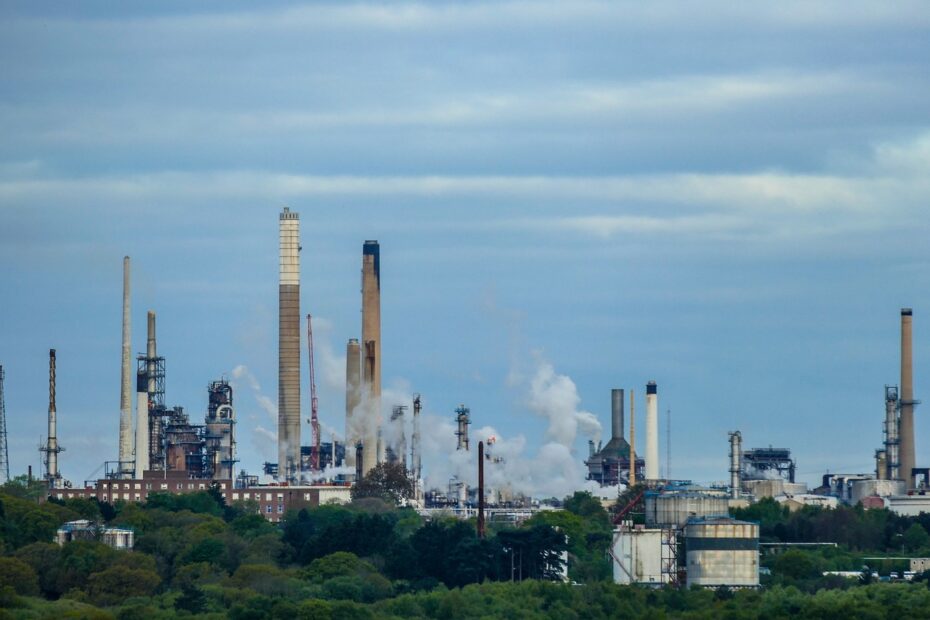 PM Modi Opens India’s First Bamboo Bio-Refinery in Assam fo
Estimated reading time: 11 minutes
Thank you for reading this post, don't forget to subscribe!PM Modi to Open India’s First Bamboo Bio-Refinery in Numaligarh (Boosting Green Energy and Local Growth)
Prime Minister Narendra Modi is set to inaugurate India’s first bamboo-based bio-refinery in Numaligarh, Assam on September 14. This plant will produce ethanol from bamboo, a unique step towards green fuel and clean energy in the country.
With an investment of around ₹4,000 crore, the facility isn’t just about energy—it promises big benefits for Assam’s local farmers and economy, supporting thousands through bamboo sourcing and by-product production. The project also fits into a larger plan to expand the Numaligarh Refinery and strengthen India’s energy security while cutting down carbon emissions.
This marks a key move for Assam and India’s path to sustainable growth and environmental care.
Watch the inauguration here:
Numaligarh Bio-Refinery: Project Highlights and Milestones
The Numaligarh Bamboo Bio-Refinery is a remarkable step in India’s green energy journey and Assam’s local development. This facility is not just another refinery; it harnesses bamboo, a sustainable and fast-growing resource, to produce ethanol. This project aligns with national goals for clean energy, job creation, and environmental responsibility.
Key Project Highlights
This bio-refinery stands out for several reasons:
- Investment Scale: The project cost is around ₹7,200 crore, showcasing a strong commitment to green energy investment in the northeast region.
- Raw Material Usage: The plant will annually process an estimated 3 lakh metric tonnes of bamboo, tapping into Assam’s rich bamboo resources.
- Ethanol Production: Expected annual ethanol output is approximately 50,000 tonnes, meeting growing demand for renewable fuel alternatives.
- Farmer Support: Over 3,000 local bamboo growers will benefit directly, encouraging sustainable farming practices and rural income growth.
- Environmental Impact: By producing ethanol from bamboo, the refinery aims to significantly reduce carbon emissions compared to fossil fuels.
This project goes beyond manufacturing ethanol; it strengthens the regional economy by establishing a supply chain around bamboo cultivation and processing.
Milestones Achieved So Far
The journey of the Numaligarh Bamboo Bio-Refinery includes several key achievements:
- Project Approval and Funding: Secured initial approvals and funding from government bodies and Oil India Limited, setting the foundation for development.
- Construction Phase: Major infrastructure and technological installations were completed on schedule, demonstrating effective project management.
- Raw Material Procurement: Organized bamboo sourcing from local farmers, ensuring sustainable supply and community participation.
- Commissioning and Testing: The plant recently began commissioning phases, preparing for full-scale ethanol production.
- Upcoming Inauguration: The official launch by Prime Minister Modi on September 14 underlines the project’s national importance and readiness to serve as a model for future bio-refineries.
Each milestone marks a significant step toward operational success and sustainable energy production in India.
What Makes This Project Stand Apart?
Unlike traditional refineries relying on crude oil, this bio-refinery uses bamboo, which grows quickly and absorbs carbon dioxide efficiently. By turning bamboo into ethanol, the refinery provides a clean fuel option while promoting rural livelihoods. This dual benefit pushes Numaligarh into a leadership position in India’s green energy transition.
The refinery not only contributes to Assam’s economy but also supports the country’s broader climate goals and energy independence.
For more about the inauguration and deeper insights into the project, you can check this detailed Assam Tribune report on Numaligarh Bamboo Bio-Refinery.
Environmental Benefits: Lower Emissions and Sustainable Energy
The Numaligarh Bamboo Bio-Refinery is much more than a new energy plant—it represents a serious commitment to reducing pollution and promoting sustainable energy. By converting bamboo into 2G ethanol, this refinery offers a promising solution for cutting carbon emissions while utilizing a resource that grows quickly and regenerates naturally.
Lower Carbon Emissions with 2G Ethanol from Bamboo
One of the biggest environmental advantages of this project is the potential to slash carbon dioxide emissions drastically. Compared to petrol, the ethanol produced from bamboo can reduce CO2 emissions by nearly 80 percent. How is this possible? Unlike fossil fuels, which release carbon stored underground for millions of years, bamboo ethanol uses carbon already captured through photosynthesis. When burned, it simply releases this carbon back into the atmosphere, creating a much smaller net impact.
This ethanol qualifies as a second-generation (2G) biofuel because it relies on plant biomass—specifically bamboo—not food crops. This strategy avoids the food-versus-fuel dilemma and leverages a renewable source that thrives in Assam’s climate without intensive fertilizer or pesticide use.
A Carbon-Negative Design
The Numaligarh refinery doesn’t stop at just reducing emissions. The entire process is designed to be carbon-negative, meaning it actually removes more carbon from the atmosphere than it emits. This ambitious goal stems from how residues and by-products are managed.
After extracting sugars from bamboo to produce ethanol, leftover plant materials do not go to waste. Instead, they fuel a green power plant within the facility, generating electricity in a clean, sustainable way. This step not only powers the refinery but also limits dependence on fossil energy sources.
Boosting Sustainability Through Biochar and Research Collaboration
Sustainable energy doesn’t end with fuel and power. Another exciting environmental initiative comes from partnerships like the one with IIT Guwahati, which is helping develop biochar production at the site. Biochar is a charcoal-like substance created by heating plant residues in the absence of oxygen. When added to soil, biochar improves fertility, increases water retention, and locks carbon underground for decades or longer.
By integrating biochar production, the refinery creates a circular system that supports both energy needs and ecological health. These efforts reinforce Assam’s leadership in making biofuel projects environmentally responsible and profitable.
In sum, the Numaligarh Bamboo Bio-Refinery exemplifies how renewable energy projects can offer substantial environmental gains, combining low emissions, renewable inputs, and innovative use of waste materials to make a real dent in carbon footprints.
For more information on how this refinery is shaping India’s green energy future, you can explore this detailed overview of India’s First Bamboo-based Bioethanol Refinery in Assam.
Economic Impact on Assam’s Rural Communities
The launch of the Numaligarh Bamboo Bio-Refinery promises to reshape Assam’s rural economy significantly. This facility is not just a new industrial site; it is a source of steady income, job opportunities, and economic growth for thousands of farmers and workers in the region. The ripple effects of this project are expected to improve livelihoods and boost Assam’s longstanding bamboo economy.
Strengthening Local Livelihoods through Bamboo Cultivation
Bamboo has always been part of Assam’s culture and economy, but formalizing its use at such a large scale changes everything for rural farmers. The refinery will source over 3 lakh metric tonnes of bamboo annually, which means:
- Stable demand for bamboo: Farmers now have a reliable buyer, reducing the usual uncertainties from market fluctuations.
- Better prices for raw bamboo: Organized procurement ensures fair compensation, helping farmers earn more from their crops.
- Encouragement for sustainable farming: Income from bamboo cultivation motivates farmers to maintain and expand their bamboo groves, ensuring environmental balance alongside economic benefits.
Many small-scale farmers, especially those relying on subsistence agriculture, will see this project as a game changer by creating an additional income stream without needing massive new investments.
Job Creation and Skill Development in Rural Areas
Beyond bamboo farming, the bio-refinery is creating direct and indirect employment opportunities. These include:
- Plant operations and maintenance jobs – Skilled and semi-skilled roles are opening up within the refinery.
- Supply chain and logistics – Transporting bamboo from collection centers to Numaligarh involves numerous drivers, packers, and coordinators.
- Processing and value addition – New opportunities arise in handling bamboo waste for biochar and power generation.
This diversification helps rural workers avoid seasonal unemployment and reduces migration to cities, keeping families rooted in their communities. Training programs linked to the bio-refinery ensure locals develop relevant skills, boosting their employability long term.
Infusing Capital into the Rural Economy
The economic infusion expected from the refinery is impressive. Analysts anticipate over ₹200 crore flowing annually into the rural economy surrounding Numaligarh. This capital inflow leads to:
- Increased spending power for farmers and workers, supporting local businesses like shops, transport, and services.
- Development of bamboo aggregating centers around villages, which act as hubs for collection and quality control.
- Stimulus for related industries, such as bamboo handicrafts and furniture, which benefit from renewed interest in bamboo cultivation.
Together, these changes foster a healthier economic cycle, reinforcing rural communities’ financial well-being and resilience.
Promoting Inclusive Green Growth
This project embodies a win-win model where environmental sustainability meets rural prosperity. By using a fast-growing, renewable resource like bamboo to produce ethanol, it opens doors for clean energy solutions, all while promoting inclusive economic development for Assam’s villages.
For further insight into how this refinery impacts Assam’s rural economy and bamboo growers, you can explore the detailed report at the Assam Tribune’s coverage.
Future Prospects: Innovations and Regional Transformation
The inauguration of the Numaligarh Bamboo Bio-Refinery is just the beginning of a wide-ranging transformation for Assam and its surrounding regions. This project is setting the stage for new advances in green technology and reshaping Assam’s economy and environment. As the refinery moves from concept to full operation, we can expect a cascade of positive changes fueled by innovation and regional involvement.
Pioneering Innovations Driving the Bio-Refinery’s Success
The refinery showcases advanced technology that turns bamboo—a fast-growing, abundant plant—into ethanol and other valuable products. This isn’t a typical bio-refinery; it’s built on several innovative pillars:
- Chempolis Fractionation Technology: This cutting-edge process extracts sugars from bamboo exceptionally efficiently, enabling higher ethanol yield with lower energy input.
- Second Generation (2G) Biofuel Production: Using non-food biomass like bamboo reduces pressure on food crops and provides a sustainable fuel source that’s environmentally friendly.
- Waste-to-Value Strategies: By-products like bamboo residues are used to produce biochar and green power, creating a closed-loop system that maximizes resource use and lowers emissions.
These innovations aim to make the plant a blueprint for future renewable energy projects. The technology focus also enhances product quality, operational costs, and environmental performance, positioning Assam as a hub for green energy research and development.
Regional Transformation Through Economic and Social Growth
The refinery’s impact won’t stop at energy. It is poised to reshape the socio-economic landscape of Assam by empowering local communities and creating new industries around bamboo cultivation and processing.
- Empowering Farmers: Around 3,000 local farmers will have guaranteed demand and fair prices for their bamboo harvest. This direct economic lift encourages sustainable farming and generates steady rural incomes.
- Boosting Employment: From plant workforce to supply chain logistics, the refinery will create thousands of jobs that offer skill-building and reduce migration from rural to urban areas.
- Infrastructure and Market Growth: Bamboo collection hubs and transport networks will expand, stimulating related sectors like bamboo handicrafts, furniture, and even eco-tourism based on the region’s wellness as a green energy center.
This region-wide growth is like planting a seed that will blossom into a more resilient, self-sufficient economy grounded in sustainable practices.
Environmental and Climate Benefits at Scale
The eco-friendly design goes hand in hand with the socio-economic changes. By processing 5 lakh metric tonnes of bamboo annually, the facility will reduce reliance on fossil fuels and cut carbon emissions drastically. The project’s carbon-negative approach — using waste for power generation and soil health improvement via biochar — reinforces Assam’s role in combating climate change.
Together, these factors make the Numaligarh Bamboo Bio-Refinery more than just an energy plant. It is a model for how innovation can fuel growth that respects natural resources and uplifts communities.
For a deeper understanding of the ongoing innovations and local economic benefits, the Assam Tribune article on the bio-refinery offers comprehensive insights that paint a clear picture of this transformational project.
Conclusion
The Numaligarh Bamboo Bio-Refinery stands as a clear example of how sustainable energy and economic growth can work hand in hand. By turning fast-growing bamboo into clean ethanol, it tackles carbon emissions while providing steady income and jobs to thousands of farmers and workers in Assam. This blend of environmental care and rural development aligns with India’s broader energy goals and strengthens local communities.
This project goes beyond a single refinery. It sets a practical model for future initiatives that wish to combine green technology with social impact. Watching how this evolves could offer valuable lessons for other regions aiming to boost clean energy while supporting farmers.
As the bio-refinery begins operations, it invites us to rethink energy production—encouraging everyday solutions that are good for both the planet and people. Keep an eye on Numaligarh as it shapes the path for India’s renewable energy future.