


Air India Express Flight Cancelled After Eagle Strike at Vijayawada Airport | September 2025
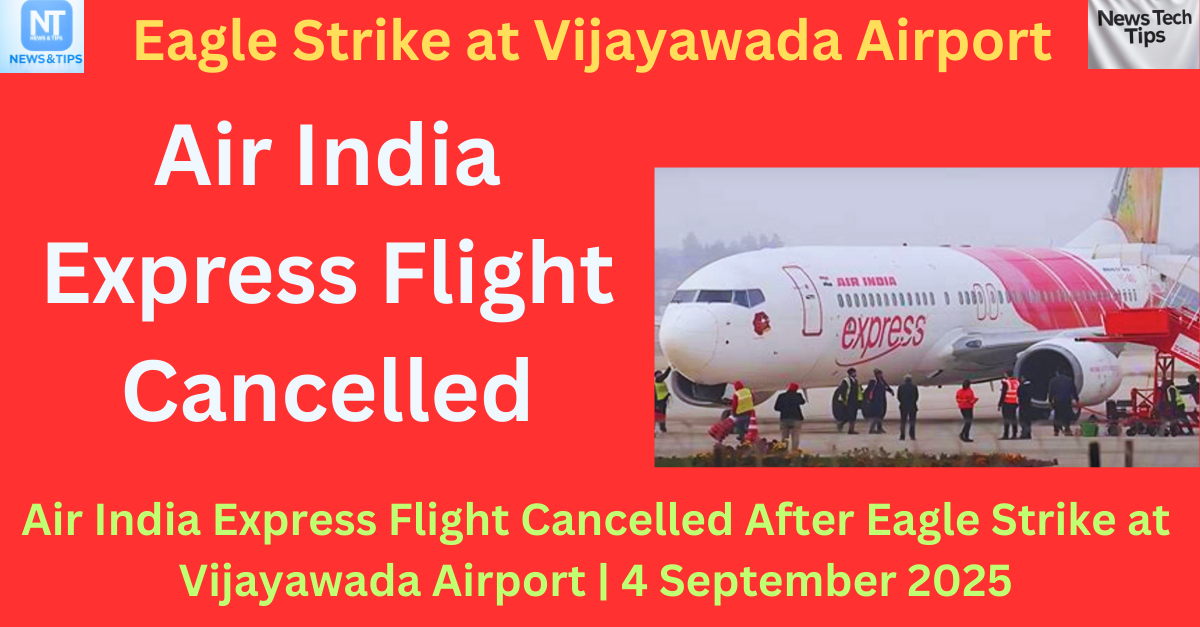 Air India Express Flight Cancelled After Eagle Strike at Vijayawada Airport | September 2025
Estimated reading time: 13 minutes
Thank you for reading this post, don't forget to subscribe!Air India Express Flight Cancelled After Eagle Strike at Vijayawada Airport (September 2025 Update)
An Air India Express flight scheduled to depart from Vijayawada to Bengaluru on September 4, 2025, was cancelled after an eagle struck the nose of the aircraft while it was taxiing for takeoff. Around 100 passengers saw their travel plans disrupted as safety protocols required the aircraft to undergo a detailed inspection before any further operation.
Flight crews acted swiftly, bringing the plane to a halt and moving it to a safe location for checks. Passengers were deplaned without incident, and the airline arranged alternate travel options or refunds to address the inconvenience.
Bird strikes like this one highlight a persistent risk for airlines, especially at airports near natural habitats. As safety comes first in aviation, such incidents show why airlines prioritize immediate action and thorough inspection after any wildlife encounter.
Watch video coverage on YouTube
What Happened at Vijayawada Airport
On the morning of September 4, 2025, an unexpected event disrupted routine operations at Vijayawada Airport. An Air India Express flight, set to depart for Bengaluru, suffered a bird strike while taxiing for takeoff. About 100 passengers and crew experienced a sudden but well-managed delay as aviation safety procedures came into play.
Details of the Bird Strike Incident
Between 8:10 and 8:30 AM, as the Air India Express aircraft rolled along the taxiway, an eagle struck the plane’s nose section. The impact occurred just as the flight prepared to gain clearance for takeoff. Bird strikes often happen when airports are close to natural habitats, making vigilance by both crew and ground staff essential.
The crew responded quickly and with precision:
- They aborted the scheduled takeoff immediately.
- The aircraft was taxied safely to a designated parking bay away from active runways.
- Ground teams began a systematic inspection of the nose area, checking for damage to flight safety systems and structural components.
For travelers on board, the abrupt stop brought a clear sense of concern, but the measured, professional actions of the crew helped relieve panic or confusion.
Passenger Experience and Impact
Roughly 100 passengers were affected. Many were business travelers or families with plans that now needed to change. The airline prioritized passenger safety and clear communication, offering direct assistance with rebooking and refunds.
Air India Express took these steps:
- Provided options for free rescheduling of tickets on later flights.
- Offered full refunds for those who needed to cancel their journeys.
- Kept passengers informed with regular updates at the terminal and through SMS notifications.
Despite the disruption, reports suggest that most passengers remained cooperative and appreciative of the airline’s approach. Assistance from airport staff and prompt luggage retrieval helped minimize inconvenience.
These events highlight the professionalism seen in the Indian aviation sector when responding to safety-critical incidents. For more detailed coverage, The Times of India has a full news report on the Air India Express flight cancellation at Vijayawada Airport.
Quick Facts: The Vijayawada Incident
Here’s a summary for easy reference:
| Aspect | Details |
|---|---|
| Date | September 4, 2025 |
| Incident Time | 8:10–8:30 AM |
| Flight Route | Vijayawada to Bengaluru |
| Aircraft | Air India Express |
| Point of Impact | Nose Section |
| Passengers Affected | Approx. 100 |
| Airline Response | Inspections, rebooking, and refunds |
The situation at Vijayawada Airport stands as an example of how airlines and airport authorities can turn an unexpected hazard into a calm, safe experience for travelers. To learn more about how the situation unfolded, Deccan Chronicle also provides details on the steps taken after the bird strike.
Why Bird Strikes Are a Serious Concern for Airlines
Bird strikes pose a real threat to aircraft safety and airline operations worldwide. From small airports to major hubs, these unplanned encounters between birds and planes create risks and disrupt the schedules of thousands of travelers each year. Even routine flights can be halted or delayed for hours as engineers inspect for hidden damage that could threaten a safe journey. Recent incidents in India, including those at Vijayawada, Tiruchirappalli, and Kochi, highlight just how common and disruptive these events have become.
What Is a Bird Strike and Why Is It Dangerous?
A bird strike happens when a moving aircraft collides with one or more birds in flight or on the ground. The most common points of impact are the nose, engines, wings, and windshield. While a sparrow or pigeon hitting a plane may sound harmless, the combined speed of an aircraft and the weight of a bird can result in significant damage.
Airline crews take these hits seriously because:
- Birds can dent or puncture aircraft structures, affecting safety.
- Engines can ingest birds, causing sudden loss of power or fires.
- Windshields can crack, endangering pilots and passengers.
- Small fractures or holes may not be visible right away but still threaten aircraft integrity.
These collisions can lead to costly repairs, disruptions, and sometimes emergency landings or aborted takeoffs. According to the FAA, wildlife strikes have resulted in more than 643 human deaths and destroyed over 360 aircraft globally from 1990 to 2024. Bird strikes continue to rise as both air traffic and bird populations grow in urban areas. For global perspective, see the FAA’s overview of wildlife strike safety risks and statistics.
How Common Are Bird Strikes?
Bird strikes happen more often than most passengers realize. Airlines around the world report thousands of such incidents each year. In India, the problem is especially pronounced near airports surrounded by wetlands, fields, or urban sprawl.
Here’s a quick breakdown:
- Most strikes occur during takeoff and landing, when planes fly at lower altitudes.
- Many strikes cause only minor damage, but some result in flight delays or cancellations.
- Major airports handle several reports a week, though not all receive media attention.
The FAA estimates that 14,500 wildlife strikes were reported in the US in a single year, with many more likely going unreported. More details on the frequency and reporting of these incidents can be found at the FAA’s wildlife strike database FAQ.
Recent Bird Strike Incidents in India
Recent months have seen several high-profile bird strike incidents in India:
- An Air India Express flight on September 4, 2025, was canceled at Vijayawada due to an eagle hitting the nose section during taxi.
- A Sharjah-bound Air India flight from Tiruchirappalli suffered a disruption only a day earlier, as engineers were called to address the aftermath. You can read details about this incident from The Economic Times coverage.
- On August 17, 2025, a Kochi to Delhi flight had to abort takeoff when a strike triggered a technical fault. Full reports are available via India Today.
These examples show that bird strikes can cause lengthy inspections, cancellations, and return-to-stand actions even when damage is not immediately visible.
Why Airlines Cancel or Delay Flights After Bird Strikes
When a bird hits an aircraft, airlines must act with caution. Safety comes before schedules. After a strike:
- Pilots report the incident and taxi the plane to a safe location if possible.
- Engineers inspect the impact area for dents, cracks, or engine problems.
- If the damage is minor and all systems are safe, the plane may return to service after checks.
- If there’s any question about flight safety, the airline cancels the flight or arranges a replacement aircraft.
Inspections are often mandatory by law. Even a small, unnoticed crack can threaten the pressurized cabin or flight systems. That’s why airlines invest time and resources in post-strike checks before restarting operations.
The Impact on Passengers and Operations
Bird strikes trigger a ripple effect:
- Passengers face delays, cancellations, and rerouting.
- Airlines bear direct costs for repairs, alternative transport, and compensation.
- Airports manage disrupted schedules and increased workload for ground staff.
Safety and transparency drive every decision. These steps protect the lives of those on board and uphold trust in air travel. As incidents highlight, bird strikes are not rare, and airlines must stay alert, prioritizing safety every time a bird and a plane cross paths.
Airline Safety Protocols After Bird Strikes
Airline safety protocols following a bird strike are designed to protect everyone on board and uphold public trust in air travel. After an incident, a series of detailed steps are followed to inspect, assess, and resolve potential risks. These procedures balance safety, operational integrity, and passenger comfort. Airlines, including Air India Express, must comply with strict standards developed by national aviation authorities such as the Directorate General of Civil Aviation (DGCA).
Immediate Actions on the Ground
When a bird strike occurs, pilots act quickly to reduce risk.
- The flight crew reports the event right away, often while still taxiing or just after the strike is observed.
- The aircraft is moved to a designated safe area or apron, away from active runways and taxiways.
- Ground support and maintenance teams respond with approved checklists and inspection procedures.
This phase prioritizes safety over speed. Stopping the aircraft in a secure spot removes all operational pressures and allows for a calm, focused response.
Engineering Inspection and Risk Checks
Trained technicians examine the plane with precision. A bird strike can affect visible surfaces like the nose, wings, or windshield, but hidden components also require attention.
Key inspection steps include:
- Checking the nose cone, windshield, engine cowlings, and leading edges for cracks, dents, or punctures.
- Scanning the engines for ingestion, which can cause internal damage or loss of thrust.
- Reviewing sensors and critical instruments in the impact area.
- Completing system checks to validate that communication, navigation, and control systems remain safe.
Even a small hidden fracture may threaten flight safety. This thorough approach means some inspections can last several hours, especially for larger jets or after strikes near the engines.
For a full breakdown of technical inspection and compliance protocols, see the Financial Express overview on post-birdstrike steps.
Passenger Management and Travel Options
After a bird strike, airlines prioritize passenger care. Air India Express, for example, kept travelers informed and provided options for either alternate flights or full refunds after the September 2025 Vijayawada incident.
Typical measures include:
- Clear announcements both on board and at the terminal, explaining the reason for delay or cancellation.
- Options for free rebooking on alternate departures.
- Full refunds for passengers unable or unwilling to reschedule.
- Assistance with baggage retrieval and onward journey planning.
These actions demonstrate a commitment to safety and transparency. They also help minimize stress for travelers during unexpected disruptions.
Safety Rules and Regulatory Oversight
Airline protocols do not exist in isolation. The DGCA sets national standards for post-incident inspection, reporting, and corrective action. All scheduled Indian carriers, including Air India Express, must follow these guidelines for both routine and emergency events.
The process typically involves:
- Mandatory reporting of all bird strikes to the DGCA.
- Completion of standardized inspection and engineering forms, as described in DGCA’s Air Safety Circulars.
- Adherence to prescribed maintenance and system-testing routines before aircraft is cleared for flight.
- Continuous improvement based on national safety plans and global best practices. More background on strategic safety management is available in the DGCA’s National Aviation Safety Plan.
By keeping safety as the top priority, airlines accept delays and additional costs to prevent repeat incidents or missed damage. Every post-strike response underscores a commitment to putting safety before the schedule.
Recent Aviation Safety Updates and DGCA Guidelines
Keeping airline safety at the highest level requires constant updates to rules and practices. The Directorate General of Civil Aviation (DGCA) in India has recently rolled out new measures that enhance the efforts to prevent accidents caused by pilot fatigue and other operational risks. These updates complement existing safety rules and reflect a more scientific approach to ensuring flight crews are fit for duty, directly benefiting passenger safety.

Image showing aviation fatigue management system dashboard overseeing crew safety. Image created with AI
New Fatigue Risk Management Guidelines
The DGCA has introduced a formal Fatigue Risk Management System (FRMS) framework aimed at reducing human error linked to tiredness. These guidelines require airlines to:
- Set limits on maximum flight time, duty hours, and rest periods based on scientific research rather than traditional fixed rules.
- Make pilots and cabin crew track their rest and alertness by maintaining sleep logs.
- Encourage crew members to report fatigue openly without fear of penalty.
- Implement monitoring systems that use data to predict fatigue risks and allow operational adjustments.
This approach moves beyond just limiting how long a pilot can fly. It integrates human factors knowledge and analytics to prevent fatigue before it compromises safety. According to the DGCA, this will help reduce errors that often occur during critical phases of flight, like takeoff and landing.
Updates to Flight Duty Time Limits (FDTL)
Existing regulations on Flight Duty Time Limits (FDTL), which control how long pilots and crew can work in a day or week, have been updated for better flexibility and safety. Airlines must follow these enhanced limits that factor in rest quality, circadian rhythms, and workload.
Key points include:
- More tailored duty periods for different types of operations, including night flights.
- Mandatory minimum rest periods to promote recovery.
- Scientific backing for adjustments, such as limiting consecutive night flights or long-haul segments.
These rules support balanced crew scheduling and reduce the risk of fatigue build-up that could impair decision-making on board.
Data-Driven Safety Practices
Airlines are now encouraged to adopt data-driven methods to manage fatigue risks. This includes using technology like wearable devices, fatigue monitoring software, and flight data analysis to make informed decisions on crew scheduling and readiness.
With these tools, airlines can:
- Detect early signs of fatigue in pilots and cabin crew.
- Adjust rosters dynamically to prevent risky duty patterns.
- Provide personalized support for crew wellbeing.
By turning science and real-time data into operational policies, the aviation industry improves safety without heavily disrupting schedules.
Passenger Safety and Regulatory Oversight
These DGCA guidelines reinforce the commitment to passenger safety by ensuring pilots and cabin crew remain alert and healthy. Airlines that follow these measures reduce the chance of accidents caused by fatigue-related errors.
The DGCA’s regulatory oversight includes:
- Mandatory reporting and investigation of fatigue issues.
- Regular audits on airline fatigue management practices.
- Updates to policies based on emerging research and incident analyses.
Passengers benefit from these layered protections, knowing their flight crews operate under strict health and safety supervision.
For more on DGCA’s new fatigue management framework, Hindustan Times provides detailed coverage and The Economic Times explains the impact on Indian airlines.
This latest DGCA initiative is part of a broader effort to reduce operational risks and increase reliability in Indian aviation. By prioritizing pilot wellbeing alongside technical inspections like those after the Vijayawada bird strike, the industry strengthens multiple safety layers.
Conclusion
The Air India Express flight cancellation at Vijayawada on September 4, 2025, was a necessary safety measure after an eagle struck the aircraft’s nose during taxiing. The airline’s quick response, including grounding the plane for thorough inspection and providing alternate options to about 90 affected passengers, underscores the priority given to passenger safety over schedule.
While bird strikes are relatively common incidents in aviation, they are treated with seriousness due to the potential risks involved. This event highlights the ongoing challenges airports face, especially those near natural bird habitats, and why strict safety protocols must be followed without compromise.
The Indian aviation sector continues to strengthen safety practices through rigorous inspections and regulatory oversight. These efforts help protect lives while minimizing disruption, maintaining confidence in air travel for passengers across the country.