



US Oil Policy 2025: Domestic Drilling Surge, OPEC+ Strategy, and Global Market Impact
 US Oil Policy 2025: Domestic Drilling Surge, OPEC+ Strategy, and Global Market Impact
Estimated reading time: 13 minutes
Thank you for reading this post, don't forget to subscribe!The New Direction of US Oil Policy
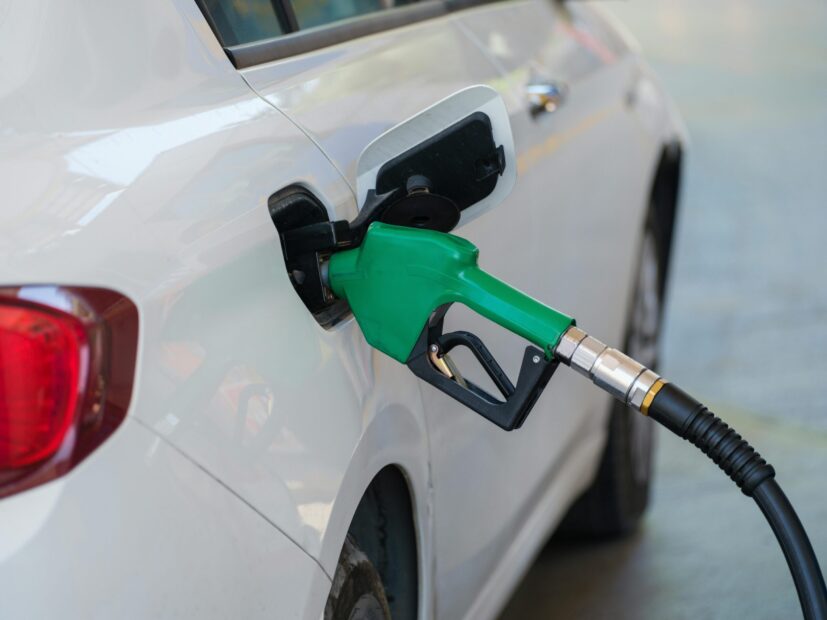
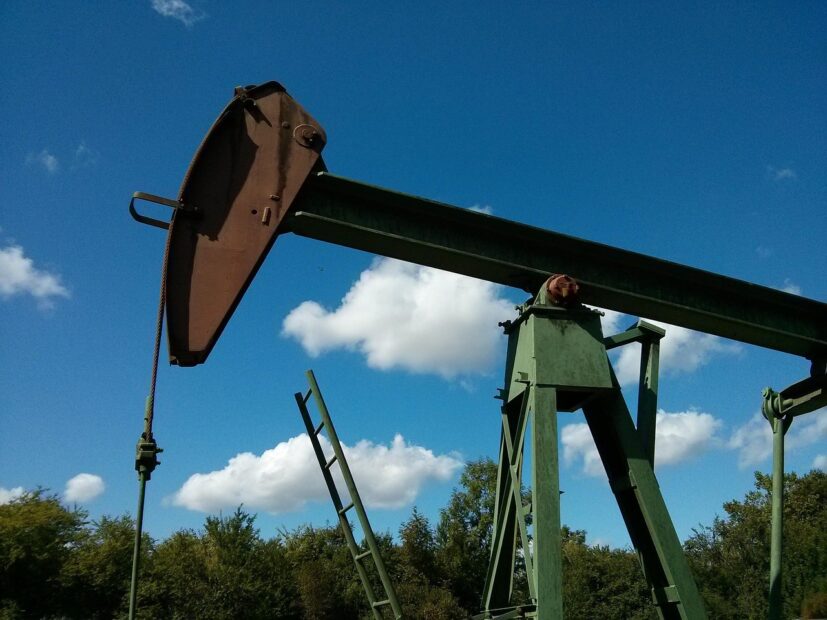
In early 2025, the US government shifted gears in its energy approach, embracing a robust policy often dubbed “drill, baby, drill.” This phrase captures a renewed focus on increasing domestic oil production, aiming to hit record-breaking levels. The strategy is straightforward: by pumping more crude at home, the US hopes to lower fuel prices for American drivers and reduce dependency on foreign oil. The result? More rigs spinning, pipelines humming, and oil barrels filling storage tanks.
Yet, this focus on ramping up production unveils a complex balancing act beneath the surface. The administration wants to boost supply fast enough to cool down prices at the pump, but the world stage complicates things. Oil policy in 2025 isn’t just about national energy security or local economic benefits; it’s also a tool in a larger geopolitical chess game involving Russia and the ongoing war in Ukraine.
Boosting Domestic Oil Production
The policy encourages drilling across shale plays and offshore fields, backed by fewer regulatory hurdles and incentives for producers. This push means the US is hungry to reclaim or even surpass its status as the world’s top oil producer. Expect to see:
- Increased investment in exploration and extraction technologies.
- Accelerated approvals for new drilling permits.
- Expanding infrastructure to bring oil to market more efficiently.
This approach aims to flood the domestic market with oil, driving prices down and supporting thousands of jobs in the oil sector. It also signals a move to greater energy independence, cutting the economic throat of oil imports.
The Tug of War Between Prices and Production
At first glance, more supply should naturally translate to cheaper fuel for consumers. But oil markets are never that simple. Prices are influenced by global events beyond America’s borders. The “drill, baby, drill” mindset hopes production growth will temper price spikes but faces these challenges:
- Global demand fluctuations influenced by economic growth or downturns.
- OPEC+ production decisions that can tighten or loosen supply worldwide.
- Disruptions from conflicts, especially in Eastern Europe, where the war in Ukraine impacts energy flows.
So, while the US can increase its output, global factors might still push prices up, frustrating consumer expectations.
Geopolitics: Oil as a Weapon in the Ukraine Conflict
Oil policy now doubles as a geopolitical lever. The US’s commitment to beefing up production ties directly into its position on Russia. Since the war in Ukraine began, Russia’s oil exports have been restricted or sanctioned by the US and its allies. By boosting domestic output, the US tries to:
- Weaken Russia’s economic power by replacing its oil on the global market.
- Clamp down on Moscow’s revenue, limiting its ability to fund the war.
- Offer allies alternative sources of energy, reducing their reliance on Russian oil.
This adds pressure on Russia but risks global market volatility. Any peace talks or shifts in the conflict could swing prices dramatically, creating unpredictability for producers and consumers alike.
The new US oil policy is a bold bet on domestic strength and strategic influence abroad. It mixes straightforward market goals with the complexities of global diplomacy and conflict, making energy policy in 2025 a carefully calibrated act on multiple fronts.
Explore how oil prices and US energy policies intersect and the ongoing impact of geopolitical tensions between Russia and the West in this detailed look at fuel price swings.
OPEC+, Production Shifts, and Strategic Competition
The recent changes in US oil policy have sent ripples around the global oil markets, prompting OPEC+ to respond quickly. After holding back output with steep production cuts for years, OPEC+ is now reversing course, increasingly boosting supply. This shift marks a strategic realignment, as the group works to defend its position in a market where US shale production is on course to surge. The battle for market share is intensifying, shaping the future of oil prices and global supply.
Accelerated Unwinding of Production Cuts
OPEC+ had imposed significant production cuts totaling over 5 million barrels per day (bpd) in recent years to shore up oil prices. However, the scene changed dramatically in 2025. Instead of cautiously maintaining these cuts, the group has accelerated unwinding them, restoring close to 2.2 million bpd of output earlier than planned. In August alone, major members like Saudi Arabia and Russia pushed production up by nearly 550,000 bpd.
This sudden shift reflects a deliberate decision to put volume back into the market. It’s like turning the tap wider against a background of rising US shale output and concerns about losing customers to more flexible producers. OPEC+ is effectively signalling that maintaining market share has become more important than propping up prices in the short term.
The Strategy Behind Restoring Supply Faster
OPEC+ members see the US shale sector as a growing threat. Shale producers can ramp up output quickly when prices are right and are less bound by long-term infrastructure and political constraints. If OPEC+ were to hold back too long on production, they risk ceding ground in global oil sales.
Restoring supply faster is a calculated move to keep buyers close and discourage US shale expansion from dominating the global market. It is a reminder that OPEC+ doesn’t only play supply politics for price control but also fights hard to assert influence over physical market share.
At its core, this approach takes a pragmatic stance: while prices might dip or waver from time to time, securing loyal customers ensures long-term economic stability for OPEC+ members. It’s a delicate balance between pumping enough to maintain relevance and not flooding the market to the point where prices crash.
Price Effects and Market Balancing Act
This ramp-up in production brings a mixed bag for oil prices. More supply generally means downward pressure, but a soft global economy tempers demand growth. China, India, and other big consumers have shown slower fuel demand this year, feeding worries about oversupply. The International Energy Agency even forecasts a supply surplus approaching 1.5% by late 2025, which could push prices below $60 per barrel.
Yet, OPEC+’s strategy isn’t simply about triggering a price war; it’s about making sure their barrels remain competitive, even if that means short-term price moderation. They face a market where maintaining balance requires constant tweaking and coordination, especially as US policy continues to encourage domestic oil growth.
For you as an observer or market participant, it’s useful to think of this dynamic like a chess match. OPEC+ is no longer just defending its “king” — high prices — but also its “territory” — market share. Moves over the next months, including upcoming OPEC+ meetings, will be pivotal as they weigh how much more oil to release without tipping the table into chaos.

For a deeper dive into how these accelerated output decisions are shaping the market landscape, Reuters provides timely updates on OPEC+’s output plans and their market implications.
Read about OPEC+ accelerating oil output hikes in 2025
Explore OPEC+’s market share strategy and recent production shifts
This ongoing shift in strategies means that global oil markets will remain highly competitive and somewhat volatile, especially as the US leverages domestic production gains amidst OPEC+’s tactical moves.
Trade Tensions, Sanctions, and Global Demand
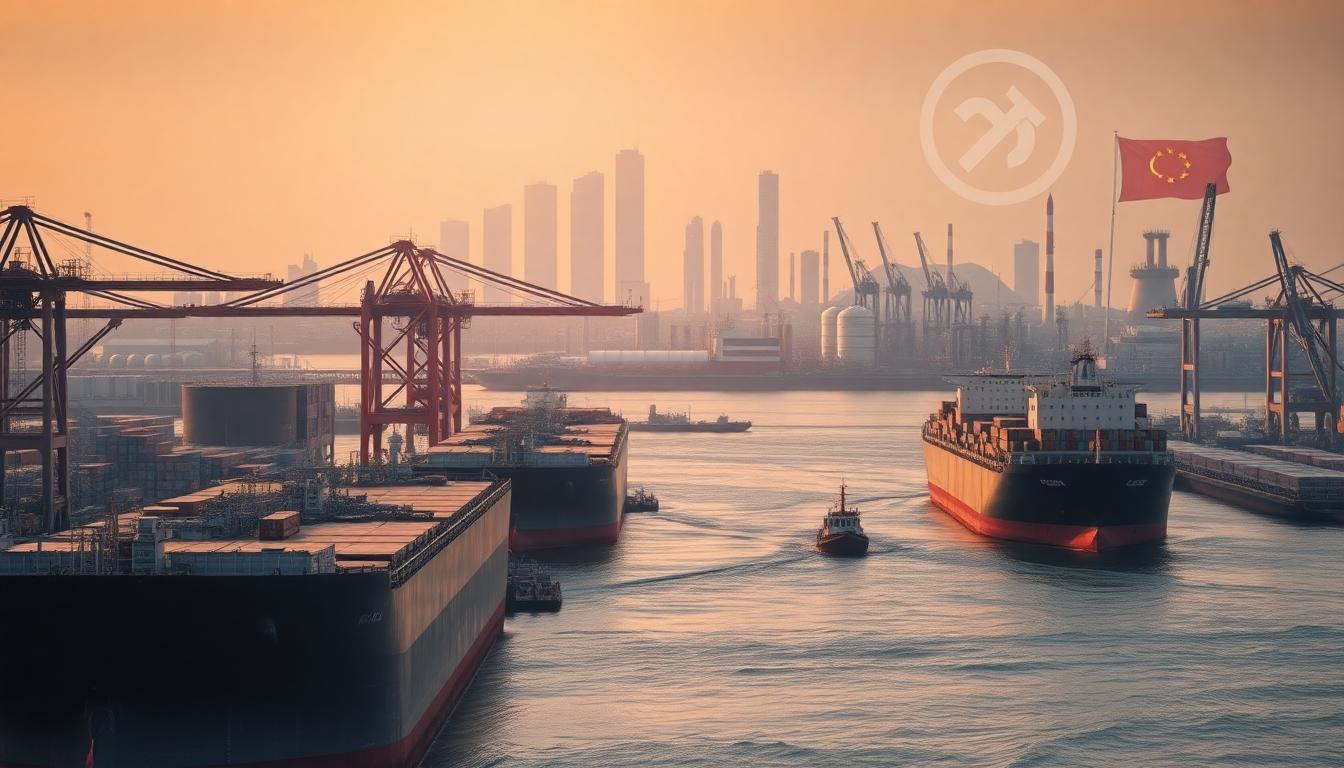
Trade tensions and sanctions are shaping the trajectory of global oil markets in 2025. These factors not only restrain supply chains but also influence how much oil countries consume, especially in the world’s biggest emerging economies. The US’s shifting policies, including new tariffs and sanction regimes, have tangled with China’s economic health and manufacturing sectors, creating ripple effects that extend far beyond their borders. Understanding this interplay is crucial to grasp the outlook for oil demand in Asia and worldwide.
China’s Role and Recent Challenges
China stands at the centre of global oil demand, and recent headwinds signal risks that cannot be overlooked. Rising corporate debt has forced many companies in key industries into a cautious stance. Weak consumer confidence has slowed domestic growth, a vital factor since China is the largest oil importer worldwide. On top of this, ongoing trade restrictions and tariffs imposed by the US add pressure to industrial sectors that rely heavily on petrochemicals and core manufacturing products.
Petrochemicals in particular are a sizeable chunk of oil feedstock demand, powering everything from plastics to electronics. These sectors are vulnerable to tariffs, which directly push up input costs and disrupt supply chains. When tariffs climb, manufacturers face a squeeze on profit margins and may cut production or delay expansion plans. For oil demand, this translates to slower growth or even stagnation in consumption across Asia’s largest economic hub.
Here’s what this means:
- The US tariffs on Chinese imports—covering critical petrochemicals and chemicals—raise costs and reduce trade volume.
- The impact hits export-driven manufacturers who use oil-derived inputs intensively.
- Weaker manufacturing output dampens demand for refined products like diesel and naphtha.
- Slower domestic consumption, paired with cautious policy responses, limits China’s oil appetite.
The International Energy Agency (IEA) has cut its oil demand growth forecast for China in 2025 to around 180,000 barrels per day, down from earlier expectations. Meanwhile, OPEC remains cautiously optimistic but acknowledges that the upside is constrained by these economic pressures. The gap between these forecasts highlights the uncertainty clouding China’s oil consumption outlook.
India, in contrast, still shows steady demand growth due to strong economic expansion, but it cannot fully offset China’s weakening numbers. Emerging markets in Asia depend heavily on China’s manufacturing and petrochemical activities to drive energy use, so the trade tensions ripple across the whole region.
Behind all this, new US tariffs on imports from Mexico and Canada have also shifted crude trade flows and pricing dynamics in North America, impacting global trading patterns. Meanwhile, sanctions targeting Russia, Iran, and Venezuela add another layer of complexity. The US enforcement of these sanctions aims to curb supplies from sanctioned countries, reshuffling crude routes and affecting global prices.
Recent easing or tightening of these sanctions can sharply influence market balances. For example, relaxations may see returns of sanctioned barrels to market, putting downward pressure on prices. Conversely, stricter enforcement limits supply and can push prices higher.
In sum, trade disputes and sanctions create an unpredictable environment for oil demand growth. China’s debt worries and trade restrictions pose the biggest risks to Asia’s oil consumption, while sanctions squeeze supply from key producers and reshape market trade flows. The tug of war between these forces means that global oil demand forecasts remain fluid and sensitive to policy shifts.
For a detailed insight, the IEA’s Oil Market Report – June 2025 provides the latest figures and analysis on these trends, while OPEC’s own monthly report explores demand projections in emerging markets.
Shifts in the Energy Industry and Market Trends
The energy industry is evolving swiftly, with the Permian Basin standing out as a key player in the US oil and gas output surge. However, even as production climbs, infrastructure bottlenecks—particularly in natural gas takeaway capacity—are imposing constraints, driving price swings and forcing companies to rethink their strategies. Here’s a focused look at the Permian Basin’s role, the challenges it faces, and what pipeline projects mean for the future.
The Permian Basin and US Infrastructure Bottlenecks
The Permian Basin is often described as the heart of the US shale industry. It leads the country in oil production, contributing a significant share of domestic barrels. The rush to increase output has been impressive, but it comes with its own set of challenges. One of the most pressing issues is the limited capacity to move natural gas out of the basin, leading to frequent bottlenecks.
Natural gas takeaway systems in the Permian are struggling to keep pace with production. You might think more gas means better prices, yet the opposite happens at times—especially at the Waha Hub, the key pricing point in West Texas. Several times in 2025, Waha prices have dipped into negative territory.
Negative Waha prices happen when there is more gas produced than pipelines can export, forcing producers to pay others to take the gas or even flare it, which is a crude and environmentally harmful solution. For example, in May 2025, prices plunged below zero due to spring pipeline maintenance and ongoing capacity constraints. This shows how infrastructure limits directly pressure market pricing.
Several major pipeline projects are in the wings, aiming to ease these pressures. For instance:
- The Matterhorn Express Pipeline (2.5 billion cubic feet per day, or Bcf/d) went live in late 2024, sending gas toward Katy, Texas.
- The Blackcomb Pipeline is planned to boost capacity by another 2.5 Bcf/d, transporting gas from the Permian to Agua Dulce by mid-2026.
- The Gulf Coast Express expansion aims to add 0.57 Bcf/d by mid-2026 through enhanced compressor stations.
- Other pipelines, including the Hugh Brinson and WhiteWater Permian-to-Katy pipelines, are scheduled for completion between 2026 and 2028, promising more relief but also raising new questions about future demand.
Midstream investments hinge greatly on balancing these pricing signals and production trends. Without consistent price incentives, some investors hesitate to commit to costly infrastructure if production growth falters. On the other hand, ongoing production increases maintain demand for new takeaway capacity.
Companies like Diamondback Energy and Devon Energy are applying capital discipline, signalling measured production growth to match infrastructure realities. Furthermore, natural gas-to-power deals are emerging as producers seek to diversify pricing exposure away from the congested Waha hub.
The story of the Permian Basin is one of tremendous output potential restrained by a complex dance of pipeline capacity, price signals, and investment timing. The landscape promises major shifts in the near future as these pipelines come online, but the path there involves navigating tight market conditions and volatile prices.
For those tracking US energy markets, understanding the Permian’s bottlenecks and pipeline plans is crucial. The region’s natural gas prices, especially at Waha, serve as a barometer for the entire shale industry’s health and its ability to sustain growth.
To dive deeper into pricing dynamics and infrastructure challenges, this analysis of Waha gas fundamentals provides clear insights. Meanwhile, detailed reporting on price drops during pipeline maintenance can be found in Reuters’ coverage on negative Waha prices.
Conclusion
Global oil markets in 2025 stand at a fragile crossroads shaped by sweeping US policy changes and strategic responses from OPEC+. The US surge in domestic production challenges traditional supply dynamics while trade tensions, sanctions, and uneven demand—especially from China and India—add layers of unpredictability. OPEC+ is balancing market share against price stability, knowing that any misstep could deepen volatility in an already delicate environment.
This push and pull will define the oil market’s next chapters. Investors, industry players, and consumers alike should watch how production decisions, geopolitical events, and economic shifts unfold. Keeping a close eye on supply adjustments, trade developments, and emerging market demand will be key to understanding how prices and global energy security evolve throughout the year. The interplay of these forces will shape not just 2025 but the longer-term future of oil markets worldwide.