

Election Commission Set for Pan-India Voter List Update After Bihar Pilot: Key States in Focus 2025
 National residency certificate
Estimated reading time: 12 minutes
Thank you for reading this post, don't forget to subscribe!Election Commission Plans Nationwide Voter List Revision After Bihar Trial (Kerala, Assam, TN, Bengal Next)
The Election Commission of India is set to take a significant step by planning a pan-India Special Intensive Revision (SIR) of voter rolls following its recent pilot in Bihar. This move aims to sharpen the accuracy of electoral lists by removing ineligible voters and adding all who qualify. States like Kerala, Assam, Tamil Nadu, and West Bengal are expected to be next in line for this update, ahead of their crucial 2026 assembly elections.
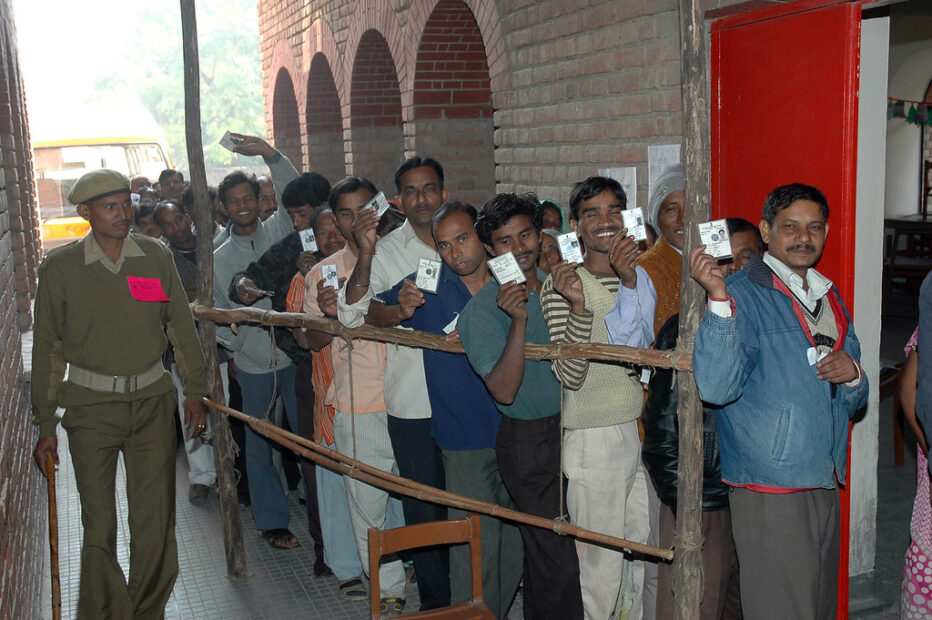
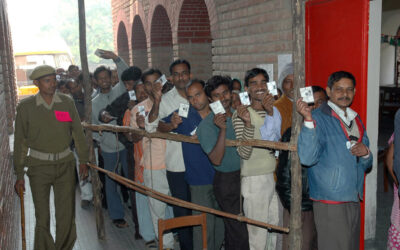
The nationwide exercise will involve house-to-house verification by Booth Level Officers to cross-check the voters’ lists. Along with verifying identities, this process will focus on eliminating duplicate entries, deceased names, and foreign illegal migrants to ensure fair and clean elections. With the aim of finalizing these rolls early next year, the Election Commission is scheduling talks with state officials to smooth out the process and handle local challenges. This comprehensive review is crucial for upholding the integrity of India’s democracy as it prepares for several upcoming key electoral events.
For a visual overview of the current political context around the SIR in India, you can watch this video:
Special Intensive Revision | Voter List Row Reaches Tamil Nadu: P Chidambaram Vs Election Commission – NDTV
Background and Significance of the Special Intensive Revision
The Election Commission of India’s Special Intensive Revision (SIR) is a crucial effort to ensure the electoral rolls are accurate and trustworthy. By verifying voter eligibility and removing irregularities, this process aims to maintain the integrity of elections nationwide. Following a comprehensive pilot in Bihar, the Commission is now preparing to apply this exercise across India, targeting states with major upcoming assembly elections. Understanding the Bihar pilot’s methodology and the need for a pan-India rollout sheds light on why this revision matters to every voter.
The Bihar Pilot Exercise
Bihar became the testing ground for the Special Intensive Revision, running through a detailed timeline of electoral roll scrutiny. The process kicked off earlier this year with Booth Level Officers (BLOs) conducting house-to-house verification. Families were asked to submit declaration forms pinpointing birth details, which helped confirm eligibility and citizenship.
The methodology involved:
- Enumerators visiting every household to verify voter details physically.
- Collecting signed forms that included documentary evidence of age and place of birth.
- Cross-checking to weed out duplicates, deceased voters, and illegal migrants.
However, the exercise was not without challenges. Many documents submitted by voters did not clearly show essential birth information, creating confusion about who qualifies. Opposition parties raised concerns about the fairness and transparency of the process. This led to a series of legal challenges and interventions by the Supreme Court of India.
On September 1, 2025, the Supreme Court upheld the deadline for filing claims and objections related to Bihar’s SIR, stressing the need to complete the exercise promptly to avoid disrupting electoral timelines. The court’s involvement underscored just how sensitive and important this verification process is to the democratic fabric.
Bihar’s pilot has been a complex but invaluable test, revealing gaps in documentation and procedural hurdles, while showcasing the need for better planning and communication for future rolls. For more on the judicial aspect and voter concerns, The Hindu offers detailed insights on this ongoing saga of Bihar’s SIR.
Why a Pan-India Approach is Needed
With Bihar’s pilot shaping the future steps, the Election Commission now plans a nationwide Special Intensive Revision. Why stretch this process across the country? The answer lies in upcoming crucial assembly elections in Kerala, Assam, Tamil Nadu, and West Bengal scheduled for April 2026.
Each of these states has a dynamic electoral landscape and large populations. The SIR aims to identify and remove inaccuracies across all voters’ lists, such as names of deceased voters, duplicates, and ineligible foreign nationals. At the same time, it enables the inclusion of all eligible citizens who may have been left out.
Importantly, the pan-India SIR will be consolidated with the annual summary revision process of electoral rolls, which typically occurs around the same time. This consolidation is a smart strategy to avoid overlapping or redundant work. It reduces administrative load and concentrates resources to achieve a cleaner, updated voter list by early January 2026—the set qualifying date.
Here’s why this makes sense:
- Having one combined revision process lowers confusion among voters and officials.
- It speeds up the preparation of final electoral rolls well before polling begins.
- It allows efficient deployment of Booth Level Officers (BLOs) and polling staff.
- It upholds electoral integrity by ensuring that all eligible voters are accounted for, and irregular entries are purged.
The Commission’s decision reflects the knowledge gained from Bihar and the broader urgency to enhance voter registration accuracy nationwide ahead of a busy political calendar. This large-scale exercise is expected to cover every state and Union Territory, excluding Bihar, which has already completed its revision.
The pan-India revision is an opportunity for Indian democracy to tighten voter lists and remove uncertainties. As this process unfolds, it will help millions trust the system more, keeping elections fair and transparent.
For the latest updates on the nationwide SIR rollout and state-specific plans, read the Economic Times article on the upcoming pan-India revision and its significance ahead of 2026 elections.
Links for additional reading:
- Challenge to the ECI’s Revision of Electoral Rolls in Bihar – Supreme Court Insights – SC Observer
- Another chance: On Bihar’s Special Intensive Revision – The Hindu
- Election Commission may roll out pan-India special electoral revision – Economic Times
Key Features and Process of the Pan-India Voter List Revision
The Election Commission of India (ECI) is preparing for a nationwide Special Intensive Revision (SIR) of electoral rolls following the pilot exercise in Bihar. This exercise aims to cleanse the voter lists by verifying eligibility, removing duplicates, deceased voters, and illegal entries. The process will also include enrolling all eligible citizens who may not yet be on the rolls. The approach integrates lessons from Bihar to ensure a smooth and transparent revision across the country, including states like Kerala, Assam, Tamil Nadu, and West Bengal ahead of their assembly elections in 2026.
Verification and Documentation Requirements
Verification during the SIR builds upon the framework trialed in Bihar, introducing clearer documentation rules:
- For applicants born before January 1, 2000, who were on the electoral rolls after the last intensive revision (2002-04), submitting a signed declaration form (
Form 6) confirming their citizenship will usually suffice. This ensures minimal barriers to renewal for existing voters. - For applicants aged 18 and above who were not included on previous rolls, they must provide documentary proof of age and citizenship. Acceptable documents include birth certificates, school records, Aadhaar cards, or passports.
- Parental or guardian information documents may be required for younger applicants to anchor their eligibility, especially in cases where birth proof is unavailable or unclear.
- The declaration form now explicitly demands proof of place and date of birth. This refinement follows challenges in Bihar where ambiguous documentation led to confusion and disputes.
- Voters are expected to confidently present documents verifying their identity and qualification to vote to avoid deletion or exclusion.
- The verification process emphasizes in-person, house-to-house confirmation by Booth Level Officers (BLOs), preventing fraudulent entries such as duplicate names or entries for deceased individuals.
This detailed documentation requirement strengthens the integrity of the voter rolls while providing clear guidelines to voters for successful inclusion. The process aims to uphold every eligible citizen’s right, backed by fair evidence, aligning with constitutional provisions.
Timeline and Logistics
The pan-India Special Intensive Revision is set to roll out starting September or October 2025 with a tightly managed schedule:
- One-month enumeration period: BLOs will visit every house across the country to verify details and collect forms.
- One-month claims and objections window: Citizens can submit applications to add, delete, or modify entries during this period.
- 25-day disposal phase: Electoral officers will scrutinize objections and claims, inspecting or cross-verifying as needed.
The entire process aims to complete by early January 2026, when final electoral rolls will be published, ready for the first half of the year’s elections.
This large-scale exercise involves a substantial logistical effort including:
- Deploying thousands of trained BLOs across states for door-to-door verification.
- Coordinating with state electoral offices to handle local challenges.
- Using data from Bihar’s pilot exercise to fine-tune resource allocation and dispute resolution.
- Rationalizing polling stations to cap electors around 1,200 per booth, enhancing accessibility and fairness.
The house-to-house visits are crucial, not just for accuracy but to establish voter trust. This human touch helps clarify doubts, assist with forms, and ensure no eligible voter is unintentionally omitted.
Integration with Annual Summary Revision
To make the process efficient and avoid overlapping work, the pan-India SIR will be combined with the annual summary revision scheduled for the same period. The Election Commission has set January 1, 2026, as the qualifying date for this electoral roll update. This unified approach means:
- Both the intensive revision and the routine annual updating will use the same cut-off date, syncing data collection and verification.
- Voters who turn 18 on or before this date will be automatically included, streamlining new registrations.
- The merged process prevents duplication of effort for electors, officials, and administrators alike.
- It offers a consistent framework to monitor claims, objections, additions, and deletions in one cycle.
This thoughtful synchronization respects the volume of work involved in nationwide electoral management and aids timely preparation of the rolls for crucial 2026 elections in multiple states.
By anchoring the SIR within the annual process, the Election Commission not only makes efficient use of resources but also provides clarity and certainty for voters across India.
For official details on this process, you can refer to the Election Commission’s page on Special Summary Revision and read recent coverage explaining the upcoming pan-India voter list update in detail from the Economic Times.
This structured and transparent process is designed to rebuild voter confidence in electoral rolls with accuracy and fairness, setting the stage for smooth elections in the year ahead.
Implications and Challenges Ahead
As the Election Commission (EC) embarks on a pan-India Special Intensive Revision (SIR) of voters’ lists, the process unfolds amid a mix of cautious optimism and significant concerns. The exercise promises to bring cleaner and more accurate electoral rolls, vital for fair elections. However, it also brings political debates, administrative hurdles, and technological demands that shape its path forward.
Political and Social Response
The announcement of a nationwide revision sparked intense political reactions. Opposition parties have voiced worries about the possible exclusion of legitimate voters, especially marginalized groups, fearing it may disenfranchise citizens ahead of critical elections. They argue the documentation demands and the pace of the process could unfairly impact voter inclusion.
In response, the Election Commission has emphasized transparency and voter protection measures. The EC assured the public that no eligible voter will be deleted without proper notification and an opportunity for claims or objections. It also pointed out that the entire revision would comply with directives from the Supreme Court, which has closely monitored the Bihar pilot.
The Supreme Court has reinforced safeguards to protect voters’ rights by:
- Directing the EC to accept claims and objections even after deadlines if voters face difficulties.
- Asking for clear communication to voters about their inclusion status.
- Ordering assistance through local legal and electoral volunteers to resolve disputes promptly.
These judicial interventions aim to keep the revision free from political bias and ensure it does not suppress voter participation. The EC’s willingness to follow court instructions reflects its intent to maintain trust, while opposition parties continue to observe the process critically.
For deeper insights into the ongoing political and legal developments, see The Hindu’s editorial on Bihar’s Special Intensive Revision and the Indian Express report on Supreme Court rulings.
Technological and Administrative Readiness
Executing a nationwide revision of voter lists demands strong administrative and technological preparation. Learning from Bihar’s pilot, the Election Commission has intensified training for electoral registration officers and booth-level officers (BLOs). This training focuses on:
- Accurate examination and handling of documents proving citizenship and age.
- Effective communication with voters during house-to-house verification visits.
- Using handheld devices and tablets to digitize voter data on-site.
Digitization plays a central role. The EC plans to leverage digital forms and workflow management systems that help officers upload verified data directly to a central database. This reduces errors and accelerates processing, allowing officials to quickly review claims or objections.
One key administrative reform includes rationalizing polling stations by capping the number of electors at 1,200 voters per booth. This aims to:
- Maintain manageable voter lists per location for smoother conduct of elections.
- Facilitate booth-level officers’ ability to monitor and verify voters more thoroughly.
- Improve accessibility for voters by ensuring polling stations are not overcrowded.
Preparing for this involves mapping and, where necessary, restructuring many booths, especially in densely populated urban areas. Coordination between state governments and the EC is crucial to implement these changes with minimal disruption.
For more on the Election Commission’s logistics and training measures, visit the New Indian Express coverage on electoral machinery activation and related Economic Times reporting.

Election Commission conducting training sessions for Booth Level Officers to enhance digital voter list management.
The path ahead mixes promise with complexity, demanding vigilance and care. The ultimate goal remains clear: a fair, credible electoral process where every eligible voter is empowered and counted.
Conclusion
The pan-India Special Intensive Revision marks an important step in safeguarding the accuracy and fairness of India’s electoral rolls. Building on the Bihar exercise, the Election Commission is committed to removing irregularities such as duplicate, deceased, and ineligible names, while including all eligible voters.
This thorough verification process will strengthen citizen trust, making sure every valid voter has a place on the list ahead of the crucial 2026 assembly elections in Kerala, Assam, Tamil Nadu, West Bengal, and beyond. The Commission’s clear documentation requirements and house-to-house checks reflect a firm dedication to transparency and fairness.
As preparations continue, this nationwide revision signals a fresh commitment to clean, reliable electoral data. It reinforces India’s democratic foundation at a time when accurate voter records matter more than ever.