



Trump Unveils New Russia Sanctions, Plans Ukraine Peace Deal | 2025 Update
 Trump Unveils New Russia Sanctions, Plans Ukraine Peace Deal | 2025 Update
Estimated reading time: 15 minutes
Thank you for reading this post, don't forget to subscribe!Trump Announces New Russia Sanctions and Push for Ukraine Peace Deal (September 2025)
The world woke up to a surge of tension as Donald Trump declared new sanctions on Russia and called for a push toward a serious peace deal in Ukraine. News tickers flashed images of Kyiv’s battered skyline, where missile fragments still smoked near government offices. Families in Ukraine hurried to the subway for shelter while European capitals braced for aftershocks in oil and gas prices.
In Washington, the announcement landed like a thunderclap, signaling a sharp turn from calls for a ceasefire to demands for a comprehensive settlement. Diplomatic phones started ringing across the globe. Moscow, Kyiv, Brussels, and Paris weigh their options while millions wonder what comes next. Trains sit idle along battle lines; soldiers wait behind sandbags. As sanctions bite harder and talk shifts to peace, the stakes could not be clearer—one wrong move could redraw the map of Europe.
Watch related coverage: Trump says he is ready to move to second phase of sanctions against Russia (CNN)
Trump’s Big Move: What He Announced and Why
Donald Trump stepped in front of the press with the sharp air of a man on a mission. Flanked by aides, he didn’t waste time. His message slammed into headlines around the globe: the United States will press Russia with a much harder round of sanctions, press for actual peace (not just a shaky truce), and warn other nations like China and India against keeping Russia’s war machine running. This isn’t the same playbook as the last administration—Trump wants results, and he’s not shy about showing his impatience. In his words, “I am ready to move, and we will get this done.”
The Second Wave of Sanctions
Trump’s new plan brings the hammer down hard. The second wave of sanctions aims to choke off Russia’s access to global money and key technology. This time, entire sectors—banking, energy, even major shipping lanes—are in the crosshairs. By turning up the pressure, the administration hopes to make it clear there’s no path forward without serious talks.
Here’s what the new sanctions plan targets:
- Major Russian banks and financial systems
- Crude oil exports and pipelines
- High-tech equipment linked to military production
- Any companies, anywhere, helping Russia dodge existing sanctions
Trump made it clear the rules apply to America’s friends, too. Any country still buying discounted Russian oil—like China or India—will risk losing precious access to US and European markets. The message is blunt: pick a side or pay the price.
From Ceasefire to Real Peace
This moment marks a shift from past attempts to freeze the fighting. The last few years brought ceasefires, but they were usually brief—guns quiet for a while, only to roar again days later. Trump now refuses to settle for another fragile truce. He is pressing for a full peace deal that sets borders in stone and lets families return home for good.
Trump’s plan calls for:
- Direct talks, not just through third parties or video calls.
- Both Russia and Ukraine agreeing to strict terms—no more vague promises.
- International peace monitors to guarantee no side breaks the deal.
Rather than endless negotiations drowned in diplomatic language, he wants finality. “End the violence, sign the paper, and let people rebuild,” he said, underscoring his frustration with previous failed efforts.
Keeping Pressure on Global Players
One of the bigger shocks came from Trump’s warning to China and India. These economic giants have kept buying Russian oil at a discount, keeping Russian cash flowing even as others cut ties. Trump’s announcement put them on notice: trade with Russia means risking their own economies’ access to Western banking and consumer markets. This warning isn’t just about energy—it’s about the shape of global alliances.
Here’s how it shakes out for the world’s top players:
| Country | Stance on Russian Oil | Trump’s Message |
|---|---|---|
| China | Buying discounted | “Decide—trade with us or Russia” |
| India | Buying discounted | “Our market access is now on the line” |
| EU & Allies | Sanctioned imports | “Stay united, pressure works” |
Trump’s Stated Goals and Tone
Trump’s own words tell the story. He’s tired of waiting for others to act. He wants to end the horror, broker a deal that outlasts any election, and make sure nobody can redraw the map through force again. He even offered to meet Putin and Zelenskyy face-to-face—nothing done by phone or through envoys.
His tone has switched from measured diplomacy to raw impatience. No more careful phrases. No more “let’s see.” He has made it clear: peace is the only outcome, and he’s ready to throw the full weight of US power behind it.
For more details on Trump’s stance and the impact on global trade, see this report at Reuters on international sanctions pressure.
Trump’s move has everyone watching. Can hard pressure and personal diplomacy finally stop a war that has shaken the world for years? The stakes have never been higher, and for those holding their breath in Kyiv and Moscow, every new word from Washington counts.
Inside the Alaska Summit: Talks, Sticking Points, and Rising Tension
The Alaska summit unfolded more like a pressured chess match than a celebration of peace. Both Donald Trump and Vladimir Putin entered the Anchorage room with heavy agendas and almost no space for casual talk. Negotiations were branded as a “listening exercise,” but under the soft lighting and constant hum of aides, the purpose was crystal clear: big moves hung in the air. As hours dragged on, it became clear neither side came for small talk. Every word, pause, or stare brought tension closer to the brim.
Security Guarantees and the Role of NATO Allies
Trump pressed for the United States and NATO allies to back Ukraine with real security guarantees. He wanted assurances strong enough to deter Russia, but not an open door for US boots on Ukrainian soil. The plan circled around arms sales, fast-moving support in a crisis, and joint monitoring. No firm promise would send American soldiers next to Russia’s border, but any package would still demand NATO’s backing and Europe’s buy-in.
For Ukraine, these guarantees could mean shipments of advanced missiles, air defense systems, and ongoing intelligence feeds—enough to signal absolute support, yet not enough to claim NATO’s full security umbrella. European leaders watched these talks warily, eager to avoid being drawn into a direct clash while supporting Kyiv. Some EU officials, like those quoted in this Reuters statement on the Trump-Putin talks, emphasized any move must keep Ukrainian consent center stage.
Moscow, of course, bristled at the idea. Russian diplomats listened for clues that new weapon shipments or joint maneuvers might cross what Kremlin leaders call a “red line.” The worry is that more Western military help could draw the region even closer to open confrontation. Kyiv’s team, battered by recent attacks and knowing what’s at stake, wanted written guarantees yet feared being pushed aside if Washington and Moscow struck a deal on their own. Any new guarantee, signed in ink or spirit, would ripple across Eastern Europe:
- Poland and the Baltic states might call for similar support, nervously eyeing their own borders.
- Germany and France would face pressure to ramp up their own military spending and rethink Europe’s defense architecture.
- Future US administrations could inherit a security promise that ties American credibility to the region’s fate for years.
The summit left everyone with a simple but loaded question: Can new guarantees really keep Ukraine safe, or do they just buy time for the next crisis? The debate is far from settled, but the stakes have never felt higher.
Read more about how security guarantees could play out in this Reuters analysis of the Ukraine negotiations.
Ukraine’s Red Lines: What Zelenskyy and Allies Demand
President Volodymyr Zelenskyy’s “red lines” are a firewall against any peace plan that trades Ukraine’s future for a sheet of signatures. As news of new talks and Western pressure stirs hope, anxiety, and stubborn resolve, Kyiv’s demands stand firm. Ukraine won’t back down or leave its fate in someone else’s hands—no matter how loud the voices in Washington, Moscow, or Brussels. These lines aren’t bargaining chips. They are promises to Ukrainians, neighbors, and future generations.
Absolute Non-Negotiables: No Loss of Ukrainian Land
Zelenskyy has made it plain: not one inch of land will be handed to Russia as the price for peace. Every offer and leaked proposal crashes against this rock. Eastern towns flattened by occupation, bomb-scarred southern ports, and the pride-swollen heart of Kyiv all fall inside a border line that Ukraine sees as sacred.
- Ukrainian leaders reject any deal that would split the country or force civilians to live under an occupier’s flag.
- The defense of borders is the north star for the Ukrainian government, echoed by ordinary people and frontline soldiers alike.
- European governments have also been clear: changing any border by force cannot be accepted, a stance captured in statements from both the EU and Ukraine’s independent media.
Bring Them Home: The Return of Ukrainian Children
Perhaps the most emotional of Ukraine’s red lines is the demand to bring home Ukrainian children deported by Russia during the war. This has become a symbol—a clear line between civilization and aggression.
- The government will not accept peace that leaves thousands of its sons and daughters in Russian hands or in foreign orphanages.
- This demand is echoed by the US, EU, and even international organizations, all pushing Moscow to act. The call for the return of every child is not just a talking point but a dealbreaker, as confirmed in recent Euronews reporting.
Decisions About Ukraine Cannot Be Made Without Ukraine
Another hard line: No major decision about Ukraine’s future, security, or borders can be made outside Kyiv’s door. Deals behind closed doors are a nonstarter, whether at a Paris table, a Berlin summit, or a D.C. lunch.
- Zelenskyy and his team fear “solutions” that look neat on paper but ignore their agency or let Russia win indirectly.
- Comments from European leaders and official statements from the EU Council ring with the same message: “Nothing about Ukraine without Ukraine.” Find this theme repeated in the EU’s own August press release.
Why Europe Emphasizes Ukraine’s Agency
Europe remembers, deep in its bones, what happens when borders and futures get traded in back-room deals. European leaders do not want a repeat of history’s mistakes—appeasing an aggressor, then paying in the long run. For Europe, Ukraine’s full and willing signoff on any deal protects the whole neighborhood from future chaos.
- The EU and many major capitals now state publicly that only Kyiv can speak for its people, territory, and future.
- European support is tied to this principle; breaking it risks a rift between Ukraine and its allies, and among the allies themselves.
What Ukraine’s Partners Want from the US
Ukraine’s friends know that any deal without American weight behind it may not stick. European officials want clear US commitments: military supplies, hard guarantees, and continued support if Russia tests the next ceasefire. They hope Washington keeps its foot on the brakes so that a rushed or lopsided deal does not leave Europe exposed.
- US security and global credibility are seen as vital for a strong and lasting peace.
- At the same time, Europeans want to make sure the US listens to Ukraine, not just its own interests.
Ukrainian Strikes: Kyiv Stays on the Offensive
Recent weeks have seen Ukrainian forces strike targets deep inside Russian-occupied zones, destroying depots and shooting down drones. Kyiv is showing it will not just sit and wait for terms written elsewhere.
- These attacks are loud reminders that Ukraine still fights for what is rightfully its own.
- The message: “We are not bystanders,” and “We will act.”
The Mood Among Ukraine’s Closest Partners
Across Europe and in Kyiv’s government halls, the mood is a mix of support, nerves, and raw determination.
- Support: Allies continue to send billions of euros, new weapons, and humanitarian aid.
- Anxiety: Many quietly worry about war fatigue or a sudden change in US policy.
- Determination: No one wants to be remembered as the one who blinked.
| Red Line | Zelenskyy’s Stand | Western Allies’ Position |
|---|---|---|
| No loss of territory | Non-negotiable | EU and US back the border principle |
| Return of children | All must be returned home | Broad support; demands seen as a question of international justice |
| Agency for Ukraine | No decisions without Kyiv | EU leaders insist “nothing about Ukraine without Ukraine” |
Ukraine’s conditions are more than diplomatic lines—they are the glue holding together a battered people and their hopes for tomorrow. For more on the details and history of Kyiv’s non-negotiables, consult Independently sourced reporting on Ukraine’s peace conditions and the EU’s joint statement on Ukraine’s agency.
What Happens Next? Global Risks and Hopes

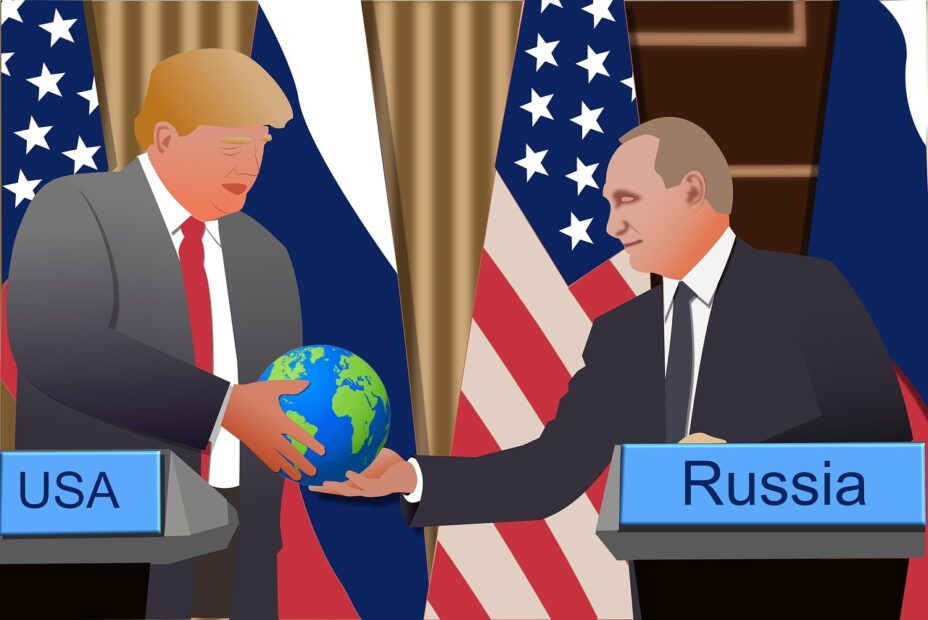
Image created with AI
Trump’s push for tougher sanctions and a real peace deal in Ukraine has turned every compass needle, not just in Kyiv or Moscow, but in capitals across the globe. This moment is a mix of fear, hope, and historic risk. The new plan could break the grinding war or set off new storms, depending on how leaders and public opinion respond.
Economic Shocks: Sanctions with Global Consequences
Fresh sanctions mean more than headlines. They reach into homes and markets far from Ukraine. When the first wave hit, families worldwide paid more for groceries and gas. This new round could be sharper.
It helps to break down the potential impacts:
- Oil prices may jump as Russia, one of the world’s largest producers, faces new export bans. This squeezes budgets from Berlin to Boston.
- Banking sanctions ripple out: Cutting Russian banks off from global transactions risks strains in Europe and beyond.
- Supply chains face new delays if Russian products are blocked, hitting everything from fertilizer to computer chips.
It’s a domino effect. A few blocks in Russia may topple companies or strain families thousands of miles away. Experts are still debating the wisdom of total economic isolation. Some warn, as detailed in this analysis of global sanctions effects, that overreaching could hurt Western economies, too.
The Danger of Escalation
When world powers make threats, the risks are never just on paper. New sanctions might box Moscow in, leaving fewer peaceful exits. If each measure ramps up the pressure, tensions can spill over.
Possible flashpoints include:
- Russian counter-moves: Cyberattacks, taking foreign assets, or heightening military drills.
- Unintended clashes: Troop movements in border regions could spark dangerous confrontations.
- Proxy responses: Allies or separatist groups act out, testing NATO’s patience.
The risk isn’t just headlines. The war could spread or last longer if leaders misread signals or try to save face. Some defense experts, as seen in recent security briefings, caution that rapid escalation puts everyone on edge.
Fear of a Rushed Deal
There is growing pushback from officials in Kyiv, Brussels, and even Washington. They worry about speeches and photo ops leading to a deal that looks neat on cable news but leaves cracks beneath the surface.
Readiness for peace isn’t the same as readiness for a fair deal. Critics point to:
- Pressure on Ukraine to accept tough trade-offs, especially with allies craving calm before their own elections.
- Overlooked red lines, risking anger in Ukraine or splits in the alliance.
- Quick signatures that skip serious verification or leave bits of unresolved conflict.
For some, Trump’s impatience may mean making peace on paper while problems smolder below. Ukrainian and European lawmakers have voiced caution, warning in this coverage from The Guardian that speed should not trump fairness or safety.
Possibility of Real Change
Despite hard risks, the air holds a spark of hope. Tough moves from Washington could finally bring Russia to serious talks. European capitals cling to the hope of calm borders, families safe at home, and trade flowing without fear.
At moments like this, history changes course:
- World leaders can set new rules or lock in new divides.
- Families in Ukraine can hope for a return to school and work, not shelter and sirens.
- Markets might find footing, or a new round of chaos.
Upcoming summits and sudden phone calls will matter. Each decision, by Trump, Putin, Zelenskyy, or leaders in Brussels and Beijing, could steer the chapter that follows.
The air is thick with risk and hope. World capitals buzz with tension, but also a sense that the next act—the one following Trump’s historic announcement—could reshape not just Ukraine, but how peace and war are decided for years to come.
Conclusion
Trump’s sweeping move on Russia and the Ukraine war has shifted the world’s gaze back to borders and broken hopes. His announcement pulled old fears and fierce ambitions into the open, making it clear that peace or chaos now hangs on a handful of decisions and late-night talks. For families hiding in basements, soldiers waiting for word, and businesses holding their breath, real change feels close enough to touch but miles from safe.
The fate of Ukraine and the future order of Europe now rest on negotiations as brittle as glass. Each line in an agreement will echo for decades. As leaders gather and the world waits, it is the ordinary people in Kyiv, Warsaw, and Moscow who bear the cost. Their lives, stitched by fear and hope, show how much depends on a handshake or a sigh across a tense table.
Thank you for following this story. Share your thoughts below and keep watch—history is being written, and every voice matters.