


Indo-Nepal Border Closed in Darjeeling: Unrest, Economic Losses, and Governor’s Report.
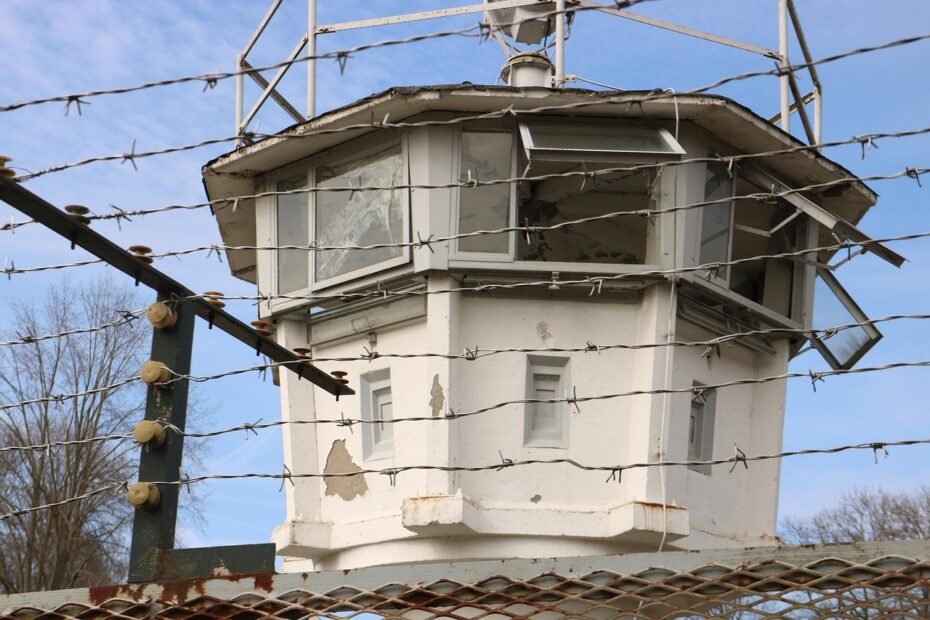 Indo-Nepal Border Closed in Darjeeling: Unrest, Economic Losses, and Governor’s Report.
Estimated reading time: 16 minutes
Thank you for reading this post, don't forget to subscribe!Indo-Nepal Border Tension in Darjeeling: Closed Gates, Unrest in Nepal, and Governor Bose’s Report to Delhi
The usually crowded stretch of the Panitanki border stands almost empty today, marked by a line of silent, stranded trucks and the anxious faces of families hoping for passage. The echoes of horns and market chatter have faded, replaced by the low murmur of concern as armed security patrol the deserted bridge. Unrest, violence, and fierce protests sweeping through Nepal have brought this vital crossing between Darjeeling and Kakarbhitta to a standstill, halting the flow of people and goods in both directions.
This turmoil has unleashed a wave of economic pain, with hundreds of trucks loaded with food, medicines, and daily essentials stuck at the border, causing losses that run into crores each day. Shops have shuttered, workers are marooned, and families on both sides face uncertainty. In this tense atmosphere, West Bengal Governor CV Ananda Bose arrived for a first-hand look, preparing a detailed report for Delhi on a crisis that is rippling far beyond the border. As officials work to help stranded Indians return home and security remains tight, the next steps will shape not only local lives but also ties between India and Nepal.
Watch real-time coverage of the Panitanki border situation
Sealed Borders and Disrupted Lives: Immediate Impact of the Unrest

At the Indo-Nepal border near Darjeeling, the situation looks nothing like normal. Gates at Panitanki are locked shut. Sirens and engines have fallen quiet, replaced by the clip-clop of boots and the hum of radios from security forces. The air is tense, anxious. Families waiting at the crowded edge keep glancing over their shoulders, hoping for good news, but facing only frustration and fear as hours turn to days.
Silent Streets, Idle Engines
Row after row of trucks sit in the dust, weighed down by grains, veggies, and medicine bound for the towns and hill stations beyond the border. With the crossing closed, these goods cannot move forward or back. Fresh produce wilts. Business owners tally their mounting losses in notebooks, hanging on to hope with each phone call they make. Even the busy Panitanki market stands silent, shutters down, as routine trade has ground to a halt.
Bus stands, usually packed with commuters, are now empty. Empty benches stretch along the curb where daily travelers once queued up. Drivers linger nearby, sipping tea in silence, their vehicles and livelihoods both stalled.
Security Tightens: SSB and Police on Patrol
The Sashastra Seema Bal (SSB) and local police have locked down the area, watching every corner, every passerby. Their presence is meant to offer security but is also a clear signal: nobody crosses without orders. Police officers check identity cards, their patrol vehicles crawling along both sides of the road. Bright yellow tape and steel gates mark the division, preventing any crossing, not even for urgent cases. For more insight on heightened border security, see this report on security at the Indo-Nepal border in Bengal.
Hardest Hit: Daily Wage Workers and Cross-Border Traders
Some of the most heartbreaking images are of daily wage workers stuck far from home. For many, the border was their usual path—carrying goods, stacking crates, or providing transport. Now, these workers pace the border, calculating the rupees they lose each day. Goldsmiths who travel between India and Nepal for business have seen their work dry up overnight.
A brief look at those directly affected:
- Transporters and truckers: Blocked from delivering goods, face mounting food and accommodation costs.
- Shopkeepers and small traders: Lose sales on both sides, with perishables going to waste.
- Daily wage laborers: Cut off from regular work, some forced to sleep outdoors.
- Goldsmiths and cross-border artisans: Cannot reach clients or suppliers.
Stranded Tourists and Frantic Families
Indian families stuck in Nepal and visitors from the hills are caught in a web of confusion. Tour buses, now idle, line up at the crossing. Parents comfort crying children and clutch travel documents, trying to reach relatives by phone. Volunteers bring food and bottles of water. Each new rumor spreads fast, adding to the uncertainty about when relief might arrive. Hundreds of Indian tourists, desperate for a safe route back, wait for official help and clearance, as detailed in recent coverage of travel restrictions and tourist impacts.
Economic and Emotional Toll
Across Panitanki, the financial and emotional cost of the sealed border grows every day. The region—where traders, families, and cultures once crossed freely—is now held still by this shutdown. For too many, routines end and worry takes their place. The border has always been a bridge for life, not a barrier. This crisis has made that suddenly, painfully clear.
Events in Nepal: The Spark That Lit the Border Crisis
When news breaks on one side of a border, it often ripples fast to the other. In the narrow stretch between Nepal and India near Darjeeling, that ripple has become a wave, shaking up daily life and cracking open deep worries about stability, safety, and survival. The roots of the Panitanki border closure trace straight back to dramatic and deeply personal events in Nepal—where a groundswell of anger, mostly from the youth, has turned the streets upside down.

Kathmandu protests: youth crowds and police lines amid unrest.
The Uprising Begins: Corruption, Outrage, and Then the Ban
Kathmandu is no stranger to street protests, but these past weeks have been different. As stories of high-level corruption surfaced, a surge of anger rolled across towns and cities. Frustration with daily struggles—rising prices, job scarcity, dim political leadership—hit a breaking point. The government tried to regain control by blocking major social media platforms, hoping to cut off organizing power and slow the spread of dissent.
Instead, the ban only fueled bigger rallies. Hundreds of thousands, armed with flags and fierce slogans, poured onto the streets. The mood changed. Protests moved quickly from calls for reform to outright defiance. The message became clear, as covered in this BBC report on Gen Z’s leadership in Nepal’s protest wave.
- Social media blackout: Facebook, YouTube, and Instagram went silent.
- Nationwide protests: The youth, especially, led marches and sit-ins.
- Increasing violence: Confrontations between protesters and security forces turned deadly.
Violence Grips Kathmandu: Curfew and the Fall of the Prime Minister
As days wore on, Kathmandu changed from a city of busy markets to one split by barricades. Skirmishes between police and demonstrators left dozens wounded and at least nineteen dead. Sirens wailed after dusk. The government responded with a strict curfew, sending army trucks through the alleys. Prime Minister KP Sharma Oli, hemmed in by anger and his own party’s doubts, submitted his resignation. The crowd’s roar became a demand for fresh leadership and a clean slate for Nepal’s future.
For more key details on the escalation and PM Oli’s resignation, see coverage at NBC News.
| Day | Key Events in Kathmandu | Immediate Effects |
|---|---|---|
| Day 1 | Corruption protests start | Social media access slows, marches begin |
| Day 2-3 | Platforms banned, crowds swell | Students, workers join demonstrations |
| Day 4 | Curfew imposed, violence erupts | Markets and movement restricted |
| Day 5 | PM resigns, army deployed | Government in caretaker mode |
Shocks Across the Border: How Nepal’s Crisis Disrupted Darjeeling
The Indo-Nepal border at Panitanki is more than a gate—it connects families, economies, and daily life. When the violence peaked and casualties in Nepal climbed, authorities feared unrest moving across the border. The response was swift. Border gates slammed shut, security tightened, and travel halted.
- Traders stranded: Indian and Nepali merchants, goldsmiths, and daily wage laborers found their livelihoods stopped in an instant.
- Suspended transport: Buses and private vehicles heading into Nepal were turned back, leaving hundreds waiting at Panitanki.
- Emergency responses: Both the West Bengal government and central authorities set up helplines and sent officials to help stranded citizens, as truck operators reported losses crossing into hundreds of crores each day.
For deeper coverage of the financial fallout and border management, see recent Economic Times reporting.
The Mood on Both Sides: Suspicion, Grief, and a Search for Answers
The ban on social media and rising violence in Nepal didn’t just block web pages; it cut connection between people, towns, and even family members split by the border. Rumors sway hundreds waiting at Panitanki, with each news update making the air feel a little heavier.
- Some Nepali families fled into India searching for safety.
- Indians in Nepal phoned relatives back home, describing fear as protests edged closer.
- With uncertainty hanging over both sides, the normal rhythm of border trade and friendship has paused.
Even as the world watches Kathmandu, the shock is felt most sharply on this thin stretch of road between two countries. Here, crisis in Nepal isn’t just news—it is a neighbor’s cry coming loud and clear through closed gates. For a deeper dive into why these protests have shaken Nepal’s society so deeply, read the summary at AP News.

Panitanki border as the crisis unfolded, early morning. Image created with AI.
Official Response: Security Reinforcements and Government Action
As the Indo-Nepal border at Panitanki sits in anxious silence, officials have stepped up with a mix of boots on the ground and urgent briefings. In moments like these, the government’s role becomes almost surgical—balancing force with care, authority with compassion. The border isn’t just a line now; it’s a stage for round-the-clock vigilance and fast-moving decisions meant to reassure both locals and travelers trapped by events far beyond their control.
Around-the-Clock Security: Show of Force at the Border
The government’s first visible response has been to turn the Panitanki crossing into a secured, watched zone. The Sashastra Seema Bal (SSB) and local police have rolled out extra patrols that now sweep the border day and night in almost military fashion. Orders are sharp and clear: keep watch, keep everyone safe, and make sure nothing slips through the cracks.
Security teams control:
- Naka searches at every crossing: Officers stop each person, asking for ID, searching vehicles, and keeping logs of movement in and out of the buffer zone.
- Heightened alert with clear chains of command: Radios buzz with updates; patrol teams keep one eye on the road and another on foot traffic by the markets, the gates, and the riverbanks.
- Layered barriers and rapid-response units: Steel barricades mark the official edge, but backup forces stand ready nearby for any sudden flare-up or emergency.
The mood is stern but cautious. Tourists and traders, though jittery, find some comfort in the visible order even as nerves wear thin from the constant checks.
Visits and Reviews: Officials on the Ground
These aren’t days for leadership from a distance. West Bengal Governor CV Ananda Bose, joined at times by other top officials, has made multiple stops at the border. He hasn’t just waved from inside a car—he’s stepped straight into the dust and uncertainty, holding face-to-face talks with police, SSB jawans, and relief staff.
- The Governor led sharp reviews of security setup, talking directly with those manning the barricades. Each official gets a blunt report on supply gaps, coordination issues, and the mood on the ground.
- Emergency meetings gather security chiefs, disaster management teams, and district staff—a war-room approach, aiming to plug every possible hole in the plan.
- West Bengal Chief Minister Mamata Banerjee also checked in via video and field-level updates, stressing the need for calm and the safe return of every stranded Indian.
For a clear look at these official visits and reviews, see the detailed on-ground coverage at PTI News and more government statements at UNI India.
Humanitarian Efforts: Helping the Stranded and Vulnerable
Security is just half the story; what happens to families and workers trapped by these events finishes the picture. Officials have scrambled to launch helplines and set up response tents right where the need is sharpest—close to the border gates.
- Helplines and mobile desks: Volunteers and staff take calls from stranded Indians in Nepal, collecting names and sorting travel needs. Each day brings new lists of students, families, and traders hoping for safe passage home.
- Food, water, and urgent care: Aid tents now hand out packets of food, basic medicines, and bottled water. Medical teams stay alert for anyone with health issues, offering checks in temporary shelters.
- Assurances for tourists: With tour buses still lined up and children crying in waiting areas, officials speak on loudspeakers, promising every stranded visitor that help and escort will come as soon as possible.
For a deeper sense of the humanitarian side and safe return plans, read the latest updates covered by UNI India.
Delhi Awaits the Governor’s Report
Every hour, details from Panitanki flow toward Delhi. Governor Bose is gathering the field reports, checklists, and frontline stories needed for a full, direct briefing to the central government. This report, crafted out of direct inspection and testimony, is set to shape the next steps from the highest levels. Only after this review will Delhi move ahead with new instructions—underscoring how closely the center is watching and weighing each move before the border can reopen or restrictions can ease.

Governor and top officials conduct early morning review with security and relief teams.
The border may feel like the edge of the world right now, but with these coordinated actions, both local and national leaders are working minute by minute, hoping to bring a sense of order—and hope—back to Panitanki soon.
Trade Stalls and Families Wait: Economic and Social Fallout
When Panitanki’s gates close, daily life along the Indo-Nepal border grinds to a painful standstill. Quiet streets aren’t just empty; they reflect hefty losses no one can afford, and a long wait for hundreds of families clinging to hope. Stand by the border and you’ll see: commerce, connection, and community caught in this uneasy pause. The ripple from this single shutdown stretches from an idle fruit vendor to truckers, cooks, goldsmiths, and schoolchildren. Every hour, the impact—both economic and emotional—bites deeper on both sides.
Stalled Trade Bleeds Crores Each Day
Every morning, traders at Panitanki look out at lines of trucks heavy with perishable goods—fresh grains, vegetables, and supplies that are now spoiling fast. Since the unrest began, daily losses have soared. Local trade bodies and truck operator groups estimate that the halt at this narrow crossing costs a staggering ₹200 to ₹250 crore every day. This isn’t just a number—it’s the price of silent engines, wilting produce, and unpaid drivers waiting for a green signal.
For more detail on the economic fallout and those most affected, check the latest ground reporting at Economic Times.
Here’s a quick snapshot of the fallout:
| Impact Area | Description |
|---|---|
| Blocked Trucks | Grains, vegetables, medicines stranded and rotting |
| Shopkeepers | No customers, no sales—perishables go bad |
| Transporters | Fuel, lodging costs rise with each idle day |
| Perishable Trade | Goods that feed border towns lost with every sunset |
Daily Wagers, Artisans, and Small Shopowners Take the Brunt
For thousands bordering Panitanki, livelihoods depend on a day’s work across invisible lines. Daily wage laborers—porters, loaders, rickshaw drivers—lose crucial earnings as the market stays silent. Many artisans, like goldsmiths and weavers, cross daily to reach customers; now, they count coins as they watch days pass. Shopkeepers who survived bad seasons before now see another blow, with little help in sight.
- Porters and loaders used to haul market produce for both sides. With the gates locked, they’re left jobless on dusty streets.
- Small shopowners see usual buyers vanish, cash reserves shrinking as hope thins.
- Transporters pay out of pocket for food, parking, and repairs, just to watch goods spoil.
- Artisans with custom orders pause their tools, unable to deliver, and risk losing long-time clients.
A powerful report by Moneycontrol details how Indian border communities are staring at mounting losses, with hundreds of businesses now on the brink.
Families in Limbo, Some Forced to Risky Crossings
Behind the trade numbers are families with stories suddenly put on hold. Some sit with packed bags by the gates, waiting for word from relatives across the border. Others, desperate for safety or to reunite with loved ones, weigh the risks of illegal crossings. Children are kept inside, unsure if tomorrow means school or more waiting. Volunteers hand out bread and tea, while social workers track names, trying to offer comfort when little can be promised.

There are whispers of people sneaking through quiet river bends when night falls—parents hoping to get children to the other side or workers needing wages too badly to wait. Anxiety builds with rumors. Reunions are put off, and celebrations are skipped. For many in Panitanki and Kakarbhitta, even crossing to buy medicine or visit an elder now feels like a gamble.
Local Businesses: Staring Down an Uncertain Future
Each day lost at the border chips away at the future for border businesses. Hotels near the crossing report empty rooms. Tea stalls by the taxi stands serve fewer cups. Cloth merchants, once busy supplying both sides, spend hours tallying their losses. Travelers and shopkeepers are left to guess how long this freeze might last, with no clear answers.
For updates on the wider mood in Darjeeling as turmoil spills over, visit Matters India’s coverage.
It’s not just economics at stake—it’s the trust, routine, and small joys of border life. On this thin stretch of road, families and businesses count losses in rupees and in days, waiting for the gates to open and life to restart.
Conclusion
On the banks of the Mahananda, the Panitanki crossing stands stalled, its gates closed to the rhythm of daily life. Everything feels stretched thin—the lines of stranded trucks, the tired faces of traders, the quiet hope in families pressed close to the border fence. Each new sunrise brings with it a beat of waiting, as both border communities and officials watch for the next message from Kathmandu or Delhi.
The street silence and halted trade are reminders of how closely linked Darjeeling and Nepal remain, even in crisis. But as tension holds sway, signs of care shine through. Local leaders, police, and relief volunteers keep watch, ready to give comfort or new instructions. Governor CV Ananda Bose’s visit and his upcoming report to Delhi offer a path toward coordination and stability that only grows stronger when nations listen to each other’s alarms.
Through hardship and uncertainty, the spirit of the people along this border endures. Their patience, shaped by years of facing storm and scarcity, anchors the hope that talk, respect, and practical action can soon reopen these gates—restoring more than trade or travel, but the everyday bond between neighbors.
Thank you for reading. If this story touches your own experiences or memories from the border, please share your thoughts and help keep the conversation alive for a more peaceful tomorrow.