

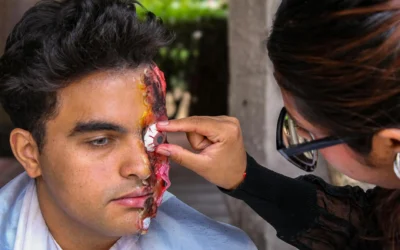


WHO Urgent Oral Disease Warning: Global Health Risks and Solutions.
 WHO Urgent Oral Disease Warning: Global Health Risks and Solutions.
Estimated reading time: 14 minutes
Thank you for reading this post, don't forget to subscribe!WHO Warns of Oral Disease: Key Health Risks and Global Solutions This Week
The World Health Organization has issued a stark warning: oral diseases now affect nearly half the global population, impacting 3.5 billion people. Most of these cases involve untreated tooth decay, severe gum disease, and oral cancers, causing pain, discomfort, and sometimes even death. Oral health often flies under the radar in public health discussions, yet it’s deeply connected to overall well-being and linked to major diseases like diabetes and heart conditions.
This week’s top health stories highlight the urgent need to address this widespread neglect. The WHO is calling for stronger prevention strategies and greater access to affordable oral care worldwide. Understanding these risks and the global response offers fresh insight into how oral health shapes our quality of life and why it demands immediate attention.
Watch: Here are the top health stories this week | Health Smart
WHO’s Warning on Oral Disease: A Growing Public Health Concern
The World Health Organization has sent a loud alarm about oral diseases, labeling them as a massive and growing public health challenge. Nearly half the globe—about 3.7 billion people—struggle with oral health problems. This staggering number spotlights how widespread and urgent this issue really is. Oral diseases, including untreated tooth decay, severe gum disease, and oral cancers, are no longer minor annoyances or just cosmetic concerns. They’ve become a major health burden with a direct impact on everyday life, dignity, and global healthcare systems.
The Global Toll of Oral Diseases
Oral diseases affect people of all ages, genders, and backgrounds worldwide, cutting across social and economic lines. The sheer scale is hard to ignore:
- Tooth decay, especially in permanent teeth, tops the list as the most widespread condition.
- Gum diseases affect a huge number of adults, causing pain, tooth loss, and even more serious health problems.
- Oral cancers add to the severity, with cases rising sharply in multiple regions.
The problem disproportionately hits low- and middle-income countries where access to dental care and prevention is limited. In these areas, oral diseases often go untreated, leading to pain, infection, and sometimes life-threatening complications.
Common Oral Diseases and Their Impact
Oral diseases are not just about cavities or bleeding gums. Here’s a closer look:
- Tooth Decay (Dental Caries): This occurs when bacteria in the mouth break down sugars and produce acids that erode tooth enamel. Untreated, it causes unbearable pain and often leads to tooth loss.
- Gum Disease (Periodontal Disease): Starts as mild gum inflammation but can progress to serious infection affecting the bone around teeth. It’s a major cause of tooth loss among adults worldwide.
- Oral Cancer: One of the most severe oral diseases, oral cancer can be deadly if not diagnosed early. Its incidence is climbing, with estimates suggesting a 65% increase by 2050.
All these conditions cause more than discomfort; they affect speech, eating, self-esteem, and social interactions. This can lead to a lower quality of life and even push families into poverty due to rising treatment costs.
Economic and Social Costs
Oral diseases strain not only individuals but also healthcare systems and economies. Treatment often involves costly procedures, which many cannot afford. Preventive care and early intervention are lacking in many regions, leading to late-stage disease that is expensive to manage.
The burden extends beyond finance. It impacts:
- Workplace productivity due to pain and absenteeism
- Children’s growth and development due to difficulty eating or speaking
- Increased risk of other diseases like diabetes and heart conditions linked to poor oral health
The WHO’s alert is a wake-up call to governments, health professionals, and communities to put oral health on the public health map. Improving access to affordable, effective care and better prevention habits can reduce this growing crisis.

Photo by Pavel Danilyuk
For more detailed and updated information on this urgent issue, check the World Health Organization’s oral health fact sheet.
Key Factors Behind the Rise in Oral Diseases Worldwide
Oral diseases are spreading faster than many expect, and the reasons go beyond poor hygiene alone. From what we eat to where we live, several forces are pushing oral health problems to alarming levels globally. Understanding these factors helps us see why millions suffer from tooth decay, gum disease, and oral cancers without the necessary care or prevention. Let’s break down the main contributors to this growing crisis.
The Impact of Diet and Sugar Consumption
A major driver behind the rise of tooth decay and cavities is excessive sugar intake. When we consume sugary foods and drinks, the bacteria in our mouths feed on these sugars, producing acids that eat away at tooth enamel. This process leads straight to cavities if left unchecked.
Common culprits include:
- Sugary sodas and energy drinks
- Candies and sweets
- Sweetened cereals and snacks
- Fruit juices with added sugar
The World Health Organization clearly warns to limit free sugars (those added to foods plus sugars in honey, syrups, and fruit juices) to less than 10% of total daily energy intake, aiming even lower at below 5% for the best protection. Staying within these limits can dramatically reduce the risk of dental caries while supporting overall health.
Limiting sugar is more than a guideline; it’s a crucial step to defend your smile. When sugar consumption is high, it doesn’t just increase your risk for cavities but also worsens gum problems and can even affect your immunity and inflammation levels.
For detailed WHO sugar guidelines and their impact on dental health, you can visit the Sugars and dental caries fact sheet by WHO.
Tobacco and Oral Health Risks
Using tobacco, whether smoking cigarettes or chewing smokeless tobacco, is a direct road to serious oral health problems. Tobacco harms the delicate tissues inside your mouth, increasing the risk for gum disease and leading to a chain reaction of damaging effects.
Tobacco users have:
- Twice the risk of gum disease compared to non-users
- Much higher chances of developing oral cancers, especially cancers of the lip, mouth, and throat
Oral cancer caused by tobacco use is especially deadly because it often gets diagnosed late. The toxin exposure weakens immune defenses in oral tissues and promotes cancerous changes.
The Centers for Disease Control and Prevention (CDC) reports that nearly 29% of older adults face tobacco-related oral health problems. This statistic highlights how persistent tobacco use adds to the global oral disease burden.
Cutting tobacco use is among the most effective ways to protect your oral health and save lives. Learn more about tobacco’s impact on oral health from CDC’s tobacco use and oral health facts.
Access to Dental Care and Health Inequality
Even with good habits, many people cannot get basic dental care due to barriers rooted in cost, location, and lack of insurance. These obstacles leave whole communities struggling with untreated oral diseases, creating a stark divide between those who receive care and those left behind.
Key barriers include:
- High cost of dental visits, treatments, and preventive services
- Living in rural or underserved areas with few providers nearby
- Lack of dental insurance coverage, especially for low-income families
When dental care is out of reach, problems become worse and more complex. This creates health gaps where disadvantaged groups, regardless of age or background, face greater risks for severe oral diseases.
The CDC highlights these disparities, showing how poorer, rural, and minority populations experience more oral health problems due to limited care access. This is a clear call for public health systems to work harder on making dental care affordable and available to all.
For a closer look at these health inequalities and barriers, check the CDC’s resources on health disparities in oral health and access to care challenges.
These three major factors—diet and sugar habits, tobacco use, and unequal access to dental care—work together to fuel the rise in oral diseases worldwide. Addressing them demands focused public health responses and personal commitment to healthier choices.
WHO Strategies and Global Efforts to Combat Oral Diseases
Public health leaders worldwide recognize that addressing oral diseases requires strong education programs, solid policies, and well-prepared health systems. The World Health Organization (WHO) has laid out a clear global strategy for 2023 to 2030 that combines these elements to reduce the burden of oral diseases and ensure access to oral health care for all. The approach focuses on prevention through awareness, smart regulation, and integrating oral health into overall health care. Let’s take a closer look at how education and policies are playing key roles.
Public Health Campaigns and Education
Education is the foundation of better oral health habits. When people understand why brushing, flossing, and cutting down on sugar matter, they are motivated to take action. WHO supports community and school programs that make oral care practical, simple, and even fun.
Successful campaigns focus on:
- Teaching children proper brushing techniques and the importance of fluoride.
- Using interactive activities and oral health screenings in schools to catch problems early.
- Engaging parents and caregivers with clear, easy messages about diet and oral hygiene.
- Promoting routine dental visits and preventive care to detect issues before pain or serious damage occurs.
For example, school-based programs in several countries use visual tools, songs, and contests to encourage kids to brush twice a day. Community outreach events spread messages about reducing sugary snacks and tobacco use, linking oral health to overall health. These efforts empower people not just to treat but to prevent problems, creating healthier habits over the long term.
Education campaigns also connect people to dental services and support affordable care options, especially in underserved areas. By raising awareness and offering accessible solutions together, these programs break down barriers that keep many from seeking help.
For more insight into global education initiatives promoting oral health, check WHO’s comprehensive Oral Health Programme page.
Policy Actions and Health System Strengthening
Laws and policies shape the environment for better oral health. Governments worldwide are adopting measures like sugar taxes and tobacco bans that reduce risk factors directly linked to oral diseases.
- Sugar taxes increase the cost of sugary drinks and snacks, leading to lower consumption. This simple economic nudge helps curb tooth decay across populations.
- Tobacco control laws limit smoking and smokeless tobacco products that cause gum disease and oral cancers. Smoking bans in public places protect non-users and reduce tobacco use overall.
- Regulating fluoride use in water supplies and toothpaste supports safe and effective prevention, especially where access to care is limited.
Beyond prevention, WHO emphasizes integrating oral health into primary health care systems. This means dentists, doctors, nurses, and community health workers work together to identify oral health problems early and offer timely care. For instance, routine health visits include oral screenings and preventive treatments like sealants or fluoride varnishes. This strategy not only expands access but ensures oral health is treated as essential to total health, not a luxury.
Strengthening the health workforce and improving data collection helps governments track progress and identify gaps. WHO’s global strategy calls for cooperation between governments, NGOs, and the private sector to scale proven approaches and fund oral health priorities.
With these policies and system investments, countries can reduce the oral disease burden and move closer to universal health coverage that includes oral health by 2030.
Learn more about WHO’s holistic approach to oral health and policies in their Global Strategy and Action Plan on Oral Health 2023–2030.

Photo by Nazar Rovnay
These combined efforts in education, policy, and health system integration build a powerful framework to fight oral diseases globally. The WHO strategy offers a clear path to protect smiles and improve health for millions.
What You Can Do Today: Tips for Maintaining Good Oral Health
When it comes to oral health, the simplest daily habits often make the biggest difference. Taking care of your teeth and gums doesn’t have to be complicated or time-consuming. With a few smart steps, you can build a routine that protects your smile and keeps pain and disease at bay. Each small choice adds up to long-term benefits that few other health habits can match.
Brush Thoroughly and Twice a Day
Brushing your teeth remains the cornerstone of oral health. Use a soft-bristled toothbrush and fluoride toothpaste to clean all tooth surfaces—including the backs and sides—for at least two minutes each time. Brushing twice daily removes plaque, prevents decay, and keeps your gums healthy.
- Replace your toothbrush every 3 to 4 months or sooner if the bristles look worn.
- Use gentle, circular motions rather than harsh scrubbing to avoid gum damage.
- Don’t forget your tongue, where bacteria tend to accumulate.
Brushing is simple but powerful. Think of it as giving your mouth a daily fresh start you can build on later.
Floss Daily to Reach Hidden Spots
Brushing alone can’t clean between teeth, where food debris and plaque hide. Flossing targets these tight spaces to prevent cavities and gum inflammation. Aim to floss at least once a day using dental floss, floss picks, or interdental brushes recommended by your dentist.
- Gently slide the floss up and down along each tooth’s side.
- Curve it around the base of the tooth, reaching just below the gum line.
- Avoid snapping the floss into your gums to stop irritation.
Flossing may feel tricky at first, but with a little practice, it quickly becomes second nature—and your gums will thank you for it.
Choose a Teeth-Friendly Diet
What you eat shapes your oral health as much as how you clean. Sugar feeds the decay-causing bacteria that produce acids damaging tooth enamel. Limiting sugary foods and drinks can drastically reduce your risk of cavities.
- Swap soda and candy for water, fresh fruits, and raw veggies.
- Include calcium-rich foods like cheese, yogurt, and leafy greens to strengthen teeth.
- Avoid frequent snacking, which keeps sugar in your mouth longer.
A balanced diet nourishes your entire body—and your smile is right there benefiting every day.
Schedule Regular Dental Checkups
Even with the best home care, professional dental visits are vital. Dentists can spot early signs of trouble, provide cleanings to remove hardened plaque, and offer personalized advice based on your oral health. Most adults should see a dentist every six months, but your dentist may recommend a different schedule based on your needs.
- Early treatment means simpler repairs and less discomfort.
- Preventive cleanings and exams protect you from costly problems later.
- Your dentist can guide you on products or habits to improve your daily routine.
Staying on top of dental visits keeps your smile in its best shape and prevents small issues from growing.

Photo by Kaboompics.com
Small Steps Build Strong Smiles
These daily actions might seem simple, but they form the foundation of a healthy mouth. Brushing, flossing, eating well, and visiting your dentist regularly fight against the growing threat of oral disease. Every minute you spend on these habits pays off in comfort, confidence, and lasting health.
For expert advice and detailed tips on oral hygiene routines, you can explore this comprehensive guide to oral hygiene from the Cleveland Clinic. It offers clear instructions that can help you build and maintain your best oral care habits.
Taking control today means fewer problems tomorrow. Your smile deserves that commitment.
Conclusion
The WHO’s warning on oral diseases is a clear call to act now. Oral health affects billions, shaping comfort, confidence, and overall well-being, yet it remains overlooked in many health systems.
Taking simple steps like reducing sugar intake, quitting tobacco, and maintaining regular dental care can protect your smile and health. At the same time, stronger public health policies and wider access to affordable care are essential to close the gap on this global challenge.
The global push led by the WHO and allied health groups offers real hope for turning the tide. By recognizing oral health as a key part of overall health, we can build healthier habits, better services, and brighter futures—one smile at a time. Your attention to oral health matters today and can inspire change tomorrow. Thank you for joining this vital conversation.