


How to Avoid Clichés and Build Real Fashion Movie Characters With Better Style.
 How to Avoid Clichés and Build Real Fashion Movie Characters With Better Style
Estimated reading time: 12 minutes
Thank you for reading this post, don't forget to subscribe!How to Avoid Clichés and Build Real Characters in Bad Fashion Movies (With Smarter Style Choices)
Flat, cliché characters with tired fashion choices are the hallmark of any bad fashion movie. These characters feel like paint-by-numbers figures—they wear predictable outfits and follow worn-out personality tropes. When fashion becomes a shortcut instead of a storytelling tool, authenticity disappears, leaving viewers disconnected.
This post offers fresh insights on how to avoid those pitfalls. You’ll learn how to build characters who feel real, with style that supports their personality and story. Ready to break free from the typical “bad fashion movie” molds? Let’s turn style into a powerful expression of character instead of a tired costume.
Watch this video on character archetypes and dialogue for an extra boost of inspiration.
Understand Common Fashion Movie Tropes and Why They Fail
Fashion movies often fall into predictable traps that keep characters from feeling real, making the story less engaging. These clichés aren’t just boring—they actually undo the work of building believable personalities. When filmmakers rely on tired fashion tropes, they miss the chance to create style that reveals who characters truly are. Let’s break down the most common traps and why they hurt your story.
The ‘Instant Makeover’ Trap
You know the scene: the “plain” character gets a flashy, glamorous makeover in a few minutes, and suddenly they’re the center of attention. It seems magical, but in reality, it feels shallow and rushed. Real change takes time and happens on many levels—not just what someone wears.
An instant makeover sends the message that worth depends on looks, which is limiting and unrealistic. It also smacks of lazy character development. Instead of showing who the character really is inside, the film shortcuts to surface-level beauty. This makes it hard to connect with the character’s journey or growth. The transformation ends up feeling more like a costume change than a meaningful evolution.
Costume Porn and Visual Overload
Ever watch a fashion movie where the outfits scream for attention, but the characters barely do? That’s the “costume porn” trap—where extravagant, detailed clothing takes center stage, drowning the story.
Focusing too much on eye-popping fashion overwhelms the viewer and pulls focus from the plot and personality. While stunning visuals are part of the appeal, they shouldn’t replace storytelling. Characters lose their humanity when their wardrobes are more interesting than their motivations.
Instead of dazzling outfits standing in for character depth, fashion should highlight personality and emotion. Otherwise, the movie risks feeling like a runway show with no real people behind it.
The Fashion Villain Stereotype
There’s a tired pattern that links “bad guys” with harsh, judgmental wardrobes—a character is made villainous by dressing them in severe, dark, or flashy clothes. This stereotype boils people down into a single note: fashion equals morality.
Using wardrobe choices to label good vs. evil is crude storytelling. It strips characters of complexity and turns fashion into a blunt tool of judgment rather than expression. Real people don’t fit neat boxes like that. Clothes can hint at personality but should never define the entire character.
Making villains look the part by dressing them in “bad” fashion is a shortcut that cheapens both the story and style. Strong characters need layered wardrobes that match who they are—not just their role in the plot.

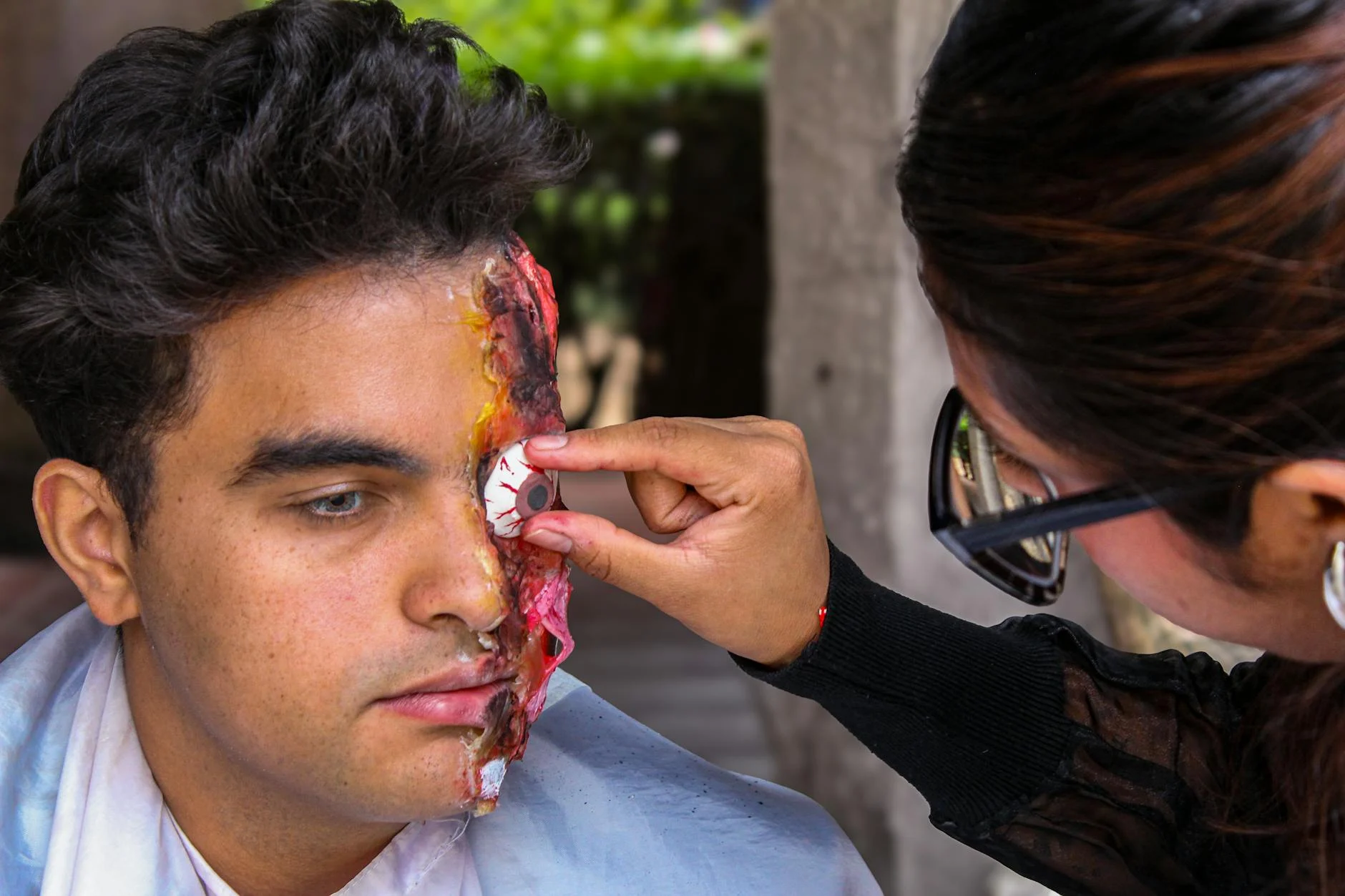
Photo by Tima Miroshnichenko
Fashion should support the story, not distract or stereotype. Avoid these traps to bring depth and authenticity your characters deserve. For more on how fashion tropes affect media, check out this thoughtful look at fashion tropes in media.
Craft Characters with Thoughtful, Purposeful Fashion Choices
Good character fashion doesn’t happen by accident. It’s about making smart choices that bring out who the character is—in a way that feels natural, believable, and consistent. Clothes should tell the audience something about a character’s life and mindset without shouting. When fashion fits perfectly with the story, it makes your character stand out as real, not like they just wandered in from a costume shop.
Prioritize Fit and Functionality
Imagine a character who looks great in their outfit but moves awkwardly or can’t handle simple actions. That breaks the spell quickly. Clothing should fit the character’s body and lifestyle naturally. Whether they’re running, sitting, or gesturing, their clothes should support those movements, not hinder them.
Ill-fitting or impractical outfits shout “costume,” not “real life.” When fabric hangs off or bunches up unnaturally, or shoes don’t look wearable, you lose credibility. Instead, aim for clothes that follow the character’s shape and feel like something they’d actually pick to wear daily, given where they live and what they do. When movement looks believable, it builds trust and helps the audience connect on a deeper level.
Use Accessories as Storytelling Tools
Accessories can be subtle but powerful hints at a character’s backstory or mood. A worn leather bracelet, a delicate locket, or a stubbornly old watch all whisper secrets about who they are. These details shape personality without overwhelming the overall look.
Choose accessories with intention. They shouldn’t compete with the costume but complement it, drawing the eye to smaller, telling details. A scarf might show a character’s care for comfort, or a quirky pin could reveal a hidden cause they support. These small touches add texture and complexity, giving viewers more to notice and remember.
Reflect Personal Style Over Trends
Characters should dress in ways that feel like they grew into their style, not just grabbed the latest trend off the rack. Quick shifts to flashy, trendy looks can feel jarring and unearned. Instead, build a consistent fashion sense that reflects their personality and evolves naturally with their story.
A character’s style can reveal their values and emotions—a reserved color palette can show introversion, while a splash of bold patterns might hint at confidence or rebellion. When fashion evolves with the plot and personal development, it feels honest. Staying clear of fashion fads for shock value avoids cliché traps and helps characters remain relatable over time.

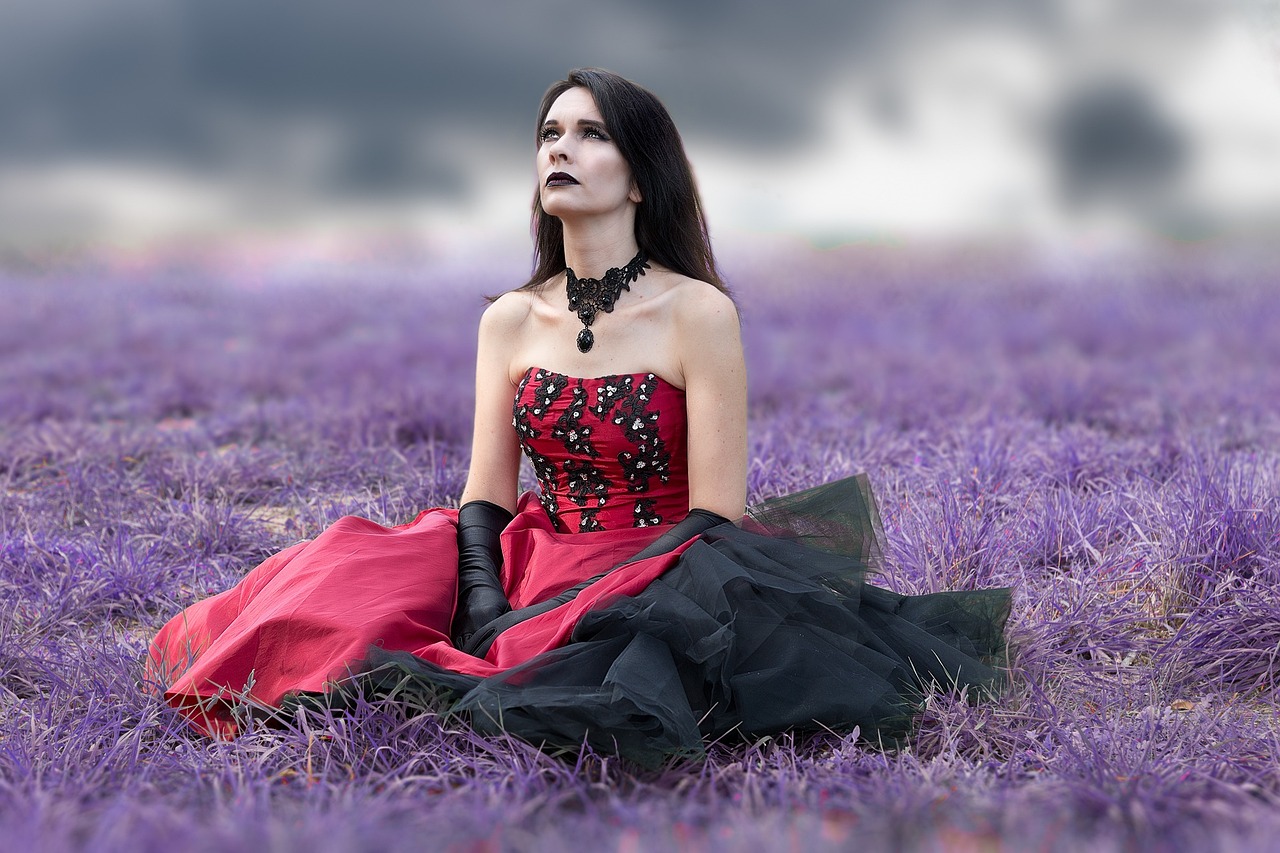
Photo by Antonio Friedemann
For a deeper dive into using costumes to shape characters and tell stories, take a look at this insightful piece on Storytelling through Costume Design.
Avoid Stereotypes by Building Multi-Dimensional Characters
When fashion is used as a surface-level label for characters, stereotypes sneak in easily. Your goal is to move past clichés and create wardrobes that reflect real people with layered lives. Multi-dimensional characters feel authentic because their style choices come from who they are—not what the script demands as an “easy look.” Fashion should be a natural part of their story, a visual symbol of their complexities, not a costume to fit a tired role.
Knowing your characters inside and out is key. This means understanding why they dress the way they do and showing how their style changes as they change. Let’s explore how to avoid the trap of stereotypes with clear motivations and wardrobe evolution that makes sense.
Identify Clear Motivations Behind Fashion
Every wardrobe choice should have a reason beyond looking cool or ticking a box. When a character’s fashion arises from a personal motivation, it adds depth. Think about what drives their style decisions:
- Are they dressing to express confidence or hide insecurity?
- Is their style tied to their culture, profession, or past experiences?
- Do they dress for comfort, rebellion, or approval?
When you understand these “whys,” the outfits stop feeling like a uniform and start revealing personality. A character who wears vintage clothes might treasure nostalgia, or someone who favors minimalism could crave control amid chaos. These reasons give the audience insight into the character’s mind without spelling it out.
Such motivations make the fashion choices believable. Instead of dressing characters in what looks trendy or stereotypically “cool,” you highlight their individuality. This makes the style a natural extension of who they are, which pulls viewers in and builds empathy.
Show Evolution Through Wardrobe
Clothes change as characters grow. Wardrobe should reflect internal shifts in subtle, believable ways. A sudden, head-to-toe makeover is rarely realistic and often screams “bad movie.” Instead, track the character’s journey with small adjustments that mirror their emotional arc or conflicts.
For example:
- A character wrestling with self-doubt may slowly swap oversized, dull clothing for more fitted, vibrant pieces.
- Someone loosening up and embracing risk might add playful accessories or brighter colors over time.
- A character facing turmoil might start with polished, controlled ensembles before slipping into disheveled or guarded styles.
These gradual transformations reinforce the character’s depth and progress without feeling forced. Smart wardrobe shifts show that style isn’t static — it’s part of a lived, evolving experience.
When done well, fashion provides clues about mindset and story beats. It motivates viewers to look closer, notice growth, and connect emotionally. In contrast, wardrobe choices that jump without warning or relate only to stereotypes flatten the character and break immersion.

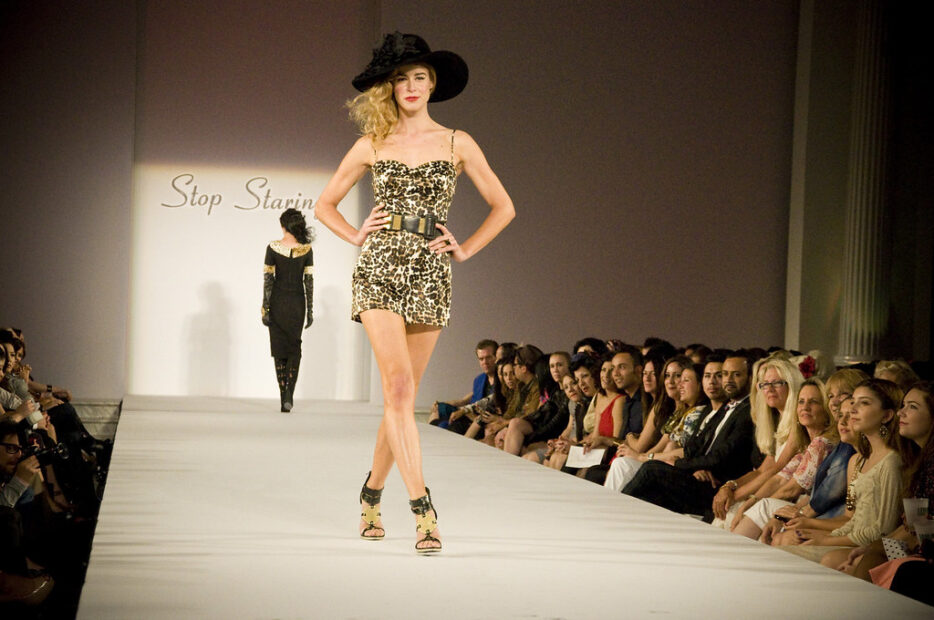
Photo by TBD Tuyên
For anyone wanting to dive deeper into creating multi-layered, stereotype-free characters, this article on how to avoid stereotypes when writing diverse characters offers practical tips that apply well to fashion choices in film.
Promote Ethical and Inclusive Fashion Choices on Screen
Fashion on screen offers a powerful chance to reflect real life with honesty and respect. When the industry pushes for ethical and inclusive fashion choices, it elevates storytelling and connects with audiences in a meaningful way. This isn’t just about casting diverse faces or mixing up wardrobes; it’s about honoring identity, culture, and history without slipping into lazy tokenism or stereotypes.
Bringing this mindset into film means more than decorating a scene with colorful characters. It means showing authenticity through thoughtful casting and wardrobe choices that truly represent people’s lived experiences. It also means moving beyond shallow fashion-based judgments, creating space for deeper, more nuanced portrayals.
Represent Realistic Bodies and Backgrounds
Diversity in casting is no longer an option; it’s essential for realism and honesty. Characters should reflect the richness of human experience, which includes diverse races, body types, abilities, and cultures. Fashion choices must respect those backgrounds. Outfits aren’t just clothes; they tell stories about heritage, geography, personality, and social context.
Avoid the trap of tokenism where characters from minority groups wear stereotypical dress or exist only to tick a diversity box. Instead, focus on crafting wardrobes that flow naturally from who the character is and where they come from. For example, wardrobe should honor traditional elements without reducing culture to costume. It should celebrate differences authentically rather than serving as a quick backdrop for drama.
Beyond skin color and ethnicity, inclusive fashion embraces all body types in a respectful way. Realistic fit, appropriate fabrics, and accessible designs make characters believable, not caricatures. When viewers see diverse bodies dressed thoughtfully on screen, it grows acceptance and challenges narrow beauty standards.
Casting and styling with these principles leads to full characters whose clothes support, rather than overshadow, their story. For more insight on this topic, explore how embracing diversity and representation transforms filmmaking.

Photo by cottonbro studio
Avoid Fashion as Moral Judgment
It’s tempting to use fashion in stories as a shorthand for morality—a clean cut good guy, a flashy bad guy, or “fast fashion” as a symbol of irresponsibility and shallow values. But these choices often fall flat and rob the narrative of complexity.
Labeling fast fashion as purely negative or designer labels as inherently villainous ignores the many layers fashion can have. Fashion is culture, identity, and economics all rolled into one. Plenty of people make ethical choices without ever stepping into a sustainable boutique, and not every villain spells their status with a designer handbag.
Using fashion as a strict moral compass simplifies characters into stereotypes and misses the chance for richer storytelling. Portraying the spectrum of choices—ethical, sustainable, fast, or luxury—opens up compelling conflict and character development. It allows films to explore motivations, pressures, and personal values behind those choices.
A more thoughtful approach treats fashion as a tool for showing internal contradictions, growth, and real human struggle. It invites the viewer to understand and even question their own biases about clothing and status. Avoid the black-and-white trap and embrace the nuances that make characters—and fashion—complex and interesting.
For a breakdown of how diverse styles and values can coexist in narratives, see the discussion on fashion in Hollywood and diversity’s benefits.
This careful attention to casting and fashion builds characters who live beyond their clothes. Ethical and inclusive fashion choices enrich the movie experience and help break down tired clichés in bad fashion films.
Conclusion
Avoiding clichés in fashion movies means investing in characters who feel real and multi-layered, not just wardrobes full of clichés or flashy distractions. Thoughtful style choices reveal who the character truly is and track their inner journey naturally.
When fashion tells a story instead of shouting for attention, viewers connect deeply and remember the character long after the credits roll. Embracing authenticity, clear motivation, and subtle growth makes your characters stand out from the typical ‘bad fashion movie’ crowd.
Fashion is more than clothing—it’s a key to understanding, empathy, and memorable storytelling. Keep pushing beyond the surface and use style to reveal complex, honest personalities that audiences will root for and believe in.