



Russia Deploys Nuclear Bombers Near NATO Border, Raising 2025 War Fears
Estimated reading time: 5 minutes
Thank you for reading this post, don't forget to subscribe!Russia Threatens All-Out War with NATO as Nuclear Bombers Deployed in Chilling Warning
Tensions between Russia and NATO have surged dramatically in 2025, raising global concerns over the possibility of a large-scale conflict. Recently, Russia deployed strategic nuclear bombers near NATO borders, sending a stark warning of readiness for all-out war. This aggressive posture, coupled with an intensified hybrid warfare campaign, highlights a precarious moment in international security that could reshape alliances and military strategies worldwide.
Understanding the Basics
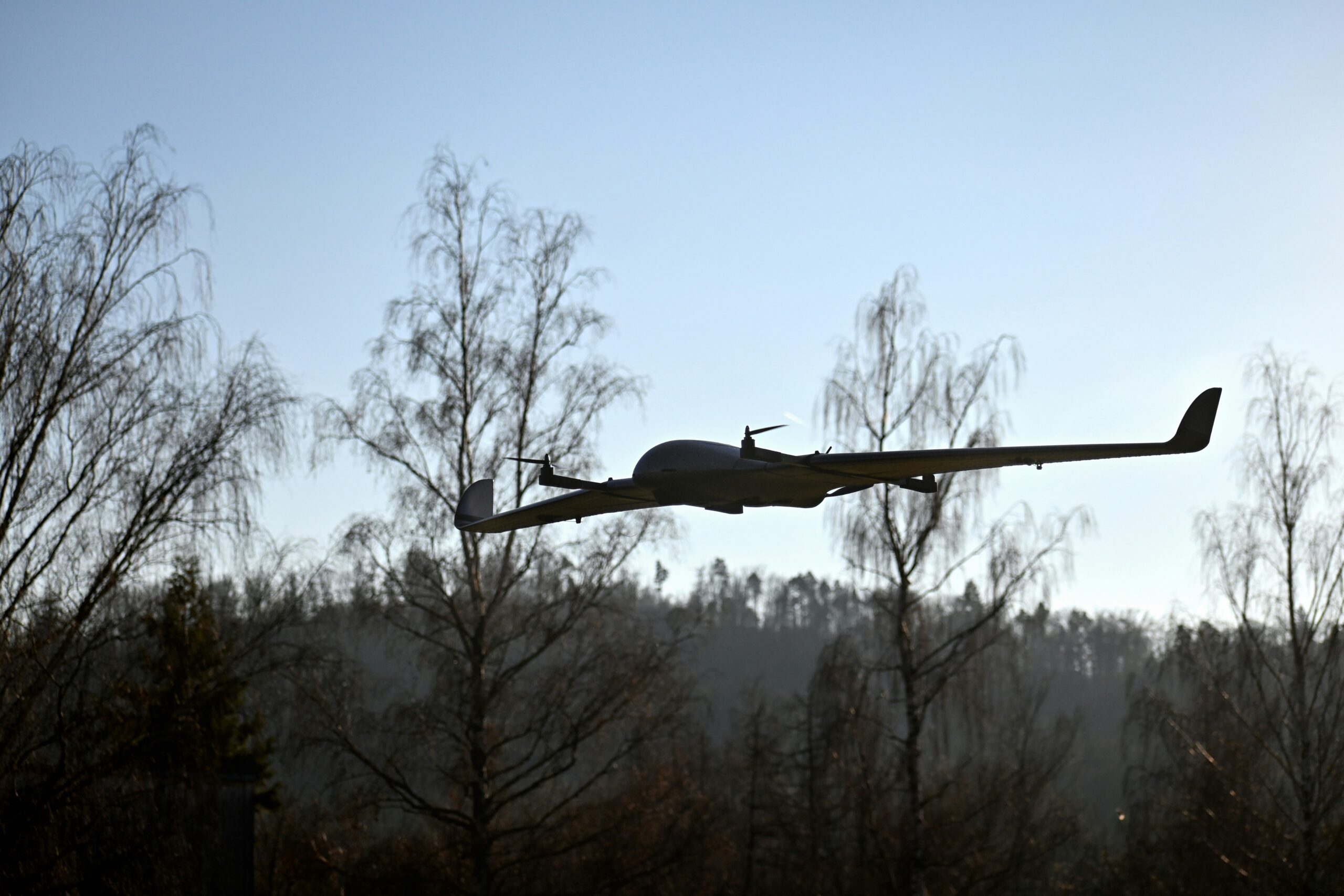
At the heart of the current crisis are Russia’s recent moves to challenge NATO’s military presence in Eastern Europe. The Kremlin’s deployment of nuclear-capable bombers near NATO countries signals a message beyond mere posturing. These bombers, capable of carrying nuclear weapons, serve as a reminder of Russia’s strategic capabilities and willingness to escalate in defense of its interests. Meanwhile, Russian drones have violated Polish airspace multiple times, prompting NATO’s Article 4 consultations—a mechanism allowing members to discuss security concerns posed by potential threats.
This pattern fits into Russia’s broader strategy of hybrid warfare, a mix of conventional military threats, cyber operations, and targeted sabotage to destabilize opposition without outright war. NATO’s response includes deploying F-16s and F-35s for air policing and ramping up military aid to Ukraine, which remains a prime flashpoint in this tense environment.

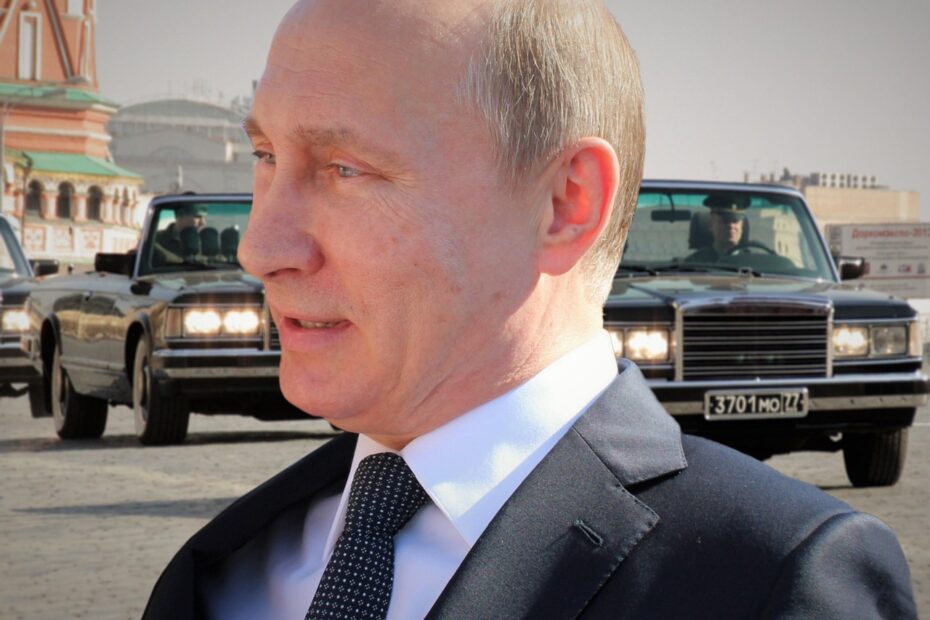
Russian nuclear bombers deployed near NATO borders as a warning. Image created with AI.
For a deeper appreciation of NATO’s strategic position and military responses, the official NATO website offers detailed insights into alliance policies and defense measures.
Key Benefits and Advantages of NATO’s Unified Stance
NATO’s collective defense principle, enshrined in Article 5 of its treaty, remains a powerful deterrent. When one member is attacked, it’s treated as an attack on all. This unity strengthens member security and complicates adversarial calculations. The alliance’s ability to mobilize swiftly with advanced aircraft and coordinated intelligence-sharing ensures rapid response to threats like Russian drone incursions.
By pushing for stronger air defense systems and mutual funding projects across Europe, NATO is improving its resilience against both conventional and hybrid attacks. Ukrainian President Zelenskyy’s calls for a Europe-wide air defense shield demonstrate this collective spirit, aiming to minimize escalations and protect civilian populations.
Meanwhile, the European countries stepping up to assist Poland signify a tightly knit regional defense strategy. This collaboration boosts confidence among smaller member states that might otherwise feel vulnerable to Russia’s intimidating tactics.
For more details on the evolving European military collaboration, Sky News covers Russia’s recent military drills near NATO.
Common Challenges and How to Overcome Them
The biggest challenge in this crisis is avoiding miscalculation. Russia’s nuclear threats, if misunderstood, risk accidental escalation into open conflict. Communication channels between NATO and Russia are limited, and trust is at an all-time low. This heightens the danger of military encounters spiraling out of control.
Another obstacle is managing hybrid warfare attacks that blur the line between peace and war. The multiple drone raids over Poland illustrate how disruptive these tactics can be. NATO’s solution lies in enhancing air defenses specifically designed to neutralize drones and cyber threats.
Public opinion within NATO countries also faces pressure, as prolonged conflict risks fatigue and political division. Maintaining unity among diverse member nations requires transparent communication from leaders and steady demonstrations of defensive strength to reassure the public.
Countries seeking a clearer understanding of the broader conflict dynamics and Russia’s evolving tactics can explore detailed assessments from the Institute for the Study of War.
Tips for Getting Started with Staying Informed
- Follow trusted news sources for daily security updates and verified reports.
- Explore official NATO statements and briefings for alliance positions and strategies.
- Engage with educational resources about nuclear strategy and hybrid warfare to better grasp complex issues.
- Stay aware of diplomatic dialogues and international reactions, which often signal shifts in conflict dynamics.
- For a comprehensive overview of ongoing sabotage and hybrid attacks in Europe, the New York Times coverage is an informative resource.
Keeping up with these will help you understand the big picture as events unfold and allow you to form informed opinions on this critical geopolitical conflict.
The current threat of all-out war between Russia and NATO is unlike anything seen in decades. The deployment of nuclear bombers underscores the severity of the standoff. Yet, NATO’s united front, increasing military readiness, and open support for Ukraine offer hope for containment. Staying informed and aware allows us all to grasp the gravity of this moment and watch how global security strategies adapt to these new challenges. Peace may be fragile, but vigilance and cooperation remain our strongest tools to maintain it.
For a close look at the military builds and alliance responses involved, see this video coverage by CBS News: