


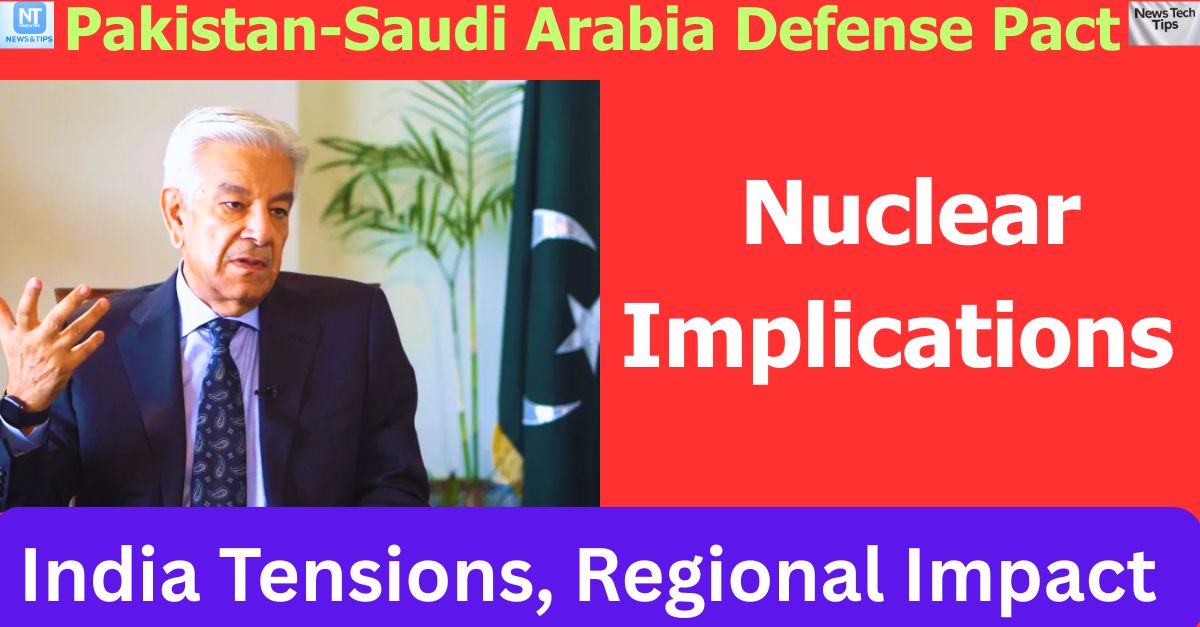
Pakistan-Saudi Arabia Defense Pact 2025: Nuclear Implications, India Tensions, Regional Impact
Estimated reading time: 11 minutes
Thank you for reading this post, don't forget to subscribe!Pakistan-Saudi Arabia Defense Pact 2025: What the Historic Agreement Means for the Region (Nuclear Weapons, India Tensions, and Future Cooperation)
September 2025 marked a historic moment—Pakistan and Saudi Arabia signed a mutual defense pact that has everyone talking. This agreement goes far beyond headlines. It signals tight military cooperation between two of the world’s most influential Muslim nations at a time when regional tensions run high.
Pakistan brings its nuclear status to the table, promising a powerful security shield for both countries. The pact matters even more now, with India’s concerns and ongoing friction never far from the spotlight. As the details of this agreement continue to emerge, many are watching closely to see what it means for the future of South Asia, the Middle East, and the balance of power.
Watch a quick analysis on YouTube: Pakistan And Saudi Arabia Sign Mutual Defence Pact With Nuclear Implications | India Today News
What Is the 2025 Pakistan-Saudi Arabia Defense Pact?
The 2025 Pakistan-Saudi Arabia Defense Pact marks a turning point for both countries and the wider region. Announced on September 17, 2025, in Riyadh, the pact officially unites Pakistan, a nuclear-armed nation, with the Kingdom of Saudi Arabia under a clear promise: if either faces an attack, the other will come to its aid. This bold move isn’t just a simple handshake; it cements years of quiet cooperation into a public, binding commitment. For many, it feels like the official seal on a relationship that has always mattered—now written in bold letters for the world to see.
When and Why the Agreement Was Signed
This agreement came at a time when tensions in West Asia and surrounding regions were running high. Recent attacks, shifting alliances, and uncertain Western support have pushed both nations to seek greater security closer to home. On September 17, 2025, Prime Minister Shehbaz Sharif of Pakistan and Saudi Crown Prince Mohammed bin Salman signed the deal in Riyadh, sending a clear message: solidarity and self-reliance come first.
The decision to sign wasn’t made overnight. For decades, both countries have relied on each other for support—military training, intelligence sharing, financial aid, and political backing. This pact takes that deep friendship and locks it into a treaty. Now, both sides are committed, not just in words, but in action.
Key Terms: Mutual Defense and Military Cooperation
At its core, the pact is a mutual defense agreement. Here’s what that means in simple terms:
- If one country faces aggression, the other will treat it as an attack on itself. This is the heart of the agreement. It is very similar to the idea behind famous treaties like NATO.
- The pact outlines plans for closer military coordination, including:
- Joint training exercises
- Shared defense technology
- Increased intelligence sharing
- Streamlined logistics for troop movement and assistance
What’s new here? Prior defense cooperation was more informal, with behind-the-scenes help and unofficial security pledges. Now, everything is written and public. The stakes are higher, and the expectations are clear for everyone—even rival countries.
How the Pact Changes the Status Quo
Saudi Arabia and Pakistan have always been good friends, but they’ve now taken their partnership to the next level. Before this agreement, cooperation happened quietly. Now, there’s an open promise of support if things get tough.
This also means that Saudi Arabia, if threatened, could count on military help from Pakistan—including, according to officials, potential access to Pakistan’s nuclear deterrence if the situation becomes critical. This is a major change for the Gulf’s security picture and is already making regional powers take notice. Reuters explains how this pact folds Pakistan’s nuclear umbrella into Middle East planning—a point that isn’t lost on India or Iran.
What Stays the Same
Despite the new treaty, some things haven’t changed:
- Neither Saudi Arabia nor Pakistan is backing away from old friends or trade partners.
- Both are still committed to peaceful coexistence, even while preparing for worst-case scenarios.
- The pact doesn’t mean automatic war; it means being ready and willing to act if one is attacked.
The agreement doesn’t make every rumor true either—analysts at the Belfer Center point out that it does not guarantee nuclear weapons will be handed over. The real power is in the promise—and the signal it sends to friends and foes alike.
Decades in the Making
The 2025 pact may sound like a new development, but it’s the result of long-standing partnership. For years, Pakistani military trainers have supported Saudi forces, and Saudi financial aid has kept Pakistan afloat during critical times. This new deal doesn’t erase the past; it honors and expands on it.
In short, the 2025 Pakistan-Saudi Arabia Defense Pact takes a close, historic bond and gives it sharp new focus for a tense era. For anyone watching South Asia and the Middle East, this is a pact that could shape the region’s future for years to come.
If you want to see more background and expert analysis, check out this summary by NBC News or read official statements on its Wikipedia page.
Decoding the Pakistan-Saudi Military Relationship
Pakistan and Saudi Arabia have built a unique security partnership over decades. The connection is rooted in shared faith, mutual trust, and tradition. Pakistani troops have long helped train Saudi forces, while both nations have exchanged expertise in intelligence and defense. Now, with the signing of the formal defense pact in 2025, this reliable friendship gets an official stamp. The pact follows years of behind-the-scenes help and regular joint training. For both sides, the relationship is a shield—Pakistan brings military strength and nuclear know-how, Saudi Arabia offers economic backing and political clout. Each stands stronger with the other’s support.
Does This Pact Involve Pakistan’s Nuclear Weapons?
Pakistan, often in the headlines as the world’s only Muslim-majority nuclear-armed country, naturally raises questions when it signs a defense pact. People want to know: does this deal mean Saudi Arabia now gets access to nuclear weapons, or protection under Pakistan’s nuclear umbrella?
Here’s the reality:
- Pakistan’s nuclear policy has not changed in public statements. The country says its nuclear weapons are meant to deter India, not to be transferred to other nations.
- The pact focuses on conventional military help, like joint exercises and intelligence sharing.
- Analysts point out the agreement does not guarantee Saudi Arabia nuclear arms or protection by Pakistani nukes. There’s no promise of a nuclear shield written into the deal.
It’s easy for myths to swirl on social media, but most official sources and experts agree: the power of this pact lies in its message, not in new weapons transfers. For more in-depth analysis, read the Belfer Center’s breakdown of the pact and Reuters’ coverage of “nuclear umbrella” rumors.
Impact on India and Regional Security
Whenever Pakistan moves closer to a strategic partner, eyes in New Delhi (and beyond) widen. India and Pakistan have a relationship marked by recurring tension, border disputes, and fears of escalation. With this pact, some worry that new security promises could add fuel to the fire.
It’s important to set the record straight:
- The agreement does not mean Pakistan will use nuclear weapons if a conflict with India breaks out. The pact is about mutual defense and cooperation, not automatic escalation.
- The real shift is the public, formal commitment. Before, a lot happened quietly; now, it’s written down for all to see.
Other countries in the region, such as Iran and the Gulf states, are also watching. The pact reshapes alliances and signals a move toward greater collective security planning. Some may see opportunity in stronger security ties; others might worry about new arms races or shifting balances.
If you want details on how India and other neighbors are reacting, sources like DW’s review of the pact’s background and impact provide helpful insights.
This new era is not just about promises on paper. It’s about both countries building on tradition, tightening cooperation, and preparing together for an uncertain future. The world is watching because the stakes, and the signals being sent, are high.
What Happens Next? Future of Pakistan-Saudi Cooperation
The ink is barely dry on the 2025 defense pact, yet geopolitical watchers are already focused on what comes next for Pakistan and Saudi Arabia. This new era is set to bring military drills, bolder diplomatic moves, and the kind of regional influence neither country could hope to achieve alone. Let’s see what the future likely holds for this high-profile alliance.
Expansion of Joint Military Exercises
The stage is set for larger, more complex military drills. Experts predict that both armies and air forces will join forces in new joint exercises. These exercises will likely become routine, not just one-off events. This deeper cooperation means both sides can learn from each other, share technology, and respond faster to threats.
Pakistan has the experience of decades of training Saudi soldiers. Now, joint drills will focus on rapid response, anti-terror operations, and even cyber defense. This is more than just military muscle—these exercises build trust and signal to the world that both countries are ready to cooperate under any condition. For further details on how advanced training and defense industry co-production are becoming central, read more in Arab News’ alliance analysis.
Regional Ripple Effects
The defense pact is already shifting strategies across the Middle East and South Asia. Countries like India and Iran are recalibrating their defense postures in response. India, used to keeping a wary eye on Pakistan, now watches both Islamabad and Riyadh’s moves. Iran, too, will rethink its approach to Arabian Peninsula security.
Other Gulf countries may see the pact as a blueprint for their own alliances. In effect, this deal gives Saudi Arabia a security back-up that isn’t rooted in Western promises. At a time when global alliances are in flux, this sends a strong message: regional security shouldn’t only rely on distant friends. Al Jazeera’s deep dive, “Watershed: How Saudi-Pakistan Defence Pact Reshapes Region’s Geopolitics,” breaks down this ripple effect and explains why other countries are watching closely.
Economic and Technical Cooperation on the Rise
Military ties are just the start. Saudi Arabia and Pakistan are expected to extend cooperation into defense manufacturing and new defense technologies. Given Saudi vision for a diversified economy (Vision 2030), investment in Pakistan’s tech sector and arms industry is likely to increase. This could create jobs, fuel startups, and push both nations up the regional innovation ladder.
Tables below highlight likely areas of joint development and cooperation over the next several years:
| Area | Expected Developments |
|---|---|
| Joint Military Exercises | Increased frequency, larger scale, new domains (air, land, cyber) |
| Defense Manufacturing | Co-production, shared technology, new factories |
| Economic Investment | Cross-border projects, venture funding, infrastructure loans |
Public and Global Response
The public reaction in both countries has been upbeat. In Pakistan, many citizens view this pact as the ultimate proof of Muslim unity and a strategic win. In Saudi Arabia, there’s strong support for stepping forward as a regional security leader, now backed by a proven military partner.
On a global level, western governments and international media are analyzing every step. Some US officials worry about what this means for Saudi’s ties with Washington or possible nuclear technology transfers, as highlighted by The Washington Institute. However, most analysts agree the deal cements decades of trust and shared goals, rather than upending the global order overnight.
New Opportunities, Rising Stakes
For both Riyadh and Islamabad, this alliance opens fresh diplomatic channels, shared security planning, and stronger economic ties. The world is watching how this relationship will evolve—not just in military terms, but as a foundation for broader friendship and growth.
Want to see how this pact may keep shaping the headlines? Follow detailed updates and analysis from CNN’s coverage of the defense pact and stay alert as the partnership unfolds in real time.
Conclusion
The 2025 Pakistan-Saudi Arabia defense pact is a public seal on decades of trusted partnership, covering joint military action, intelligence sharing, and coordinated defense. While fears and headlines hinted at nuclear sharing, both countries have stopped short of that step. Pakistan’s nuclear stance remains aimed at deterrence against India, not at providing a nuclear shield for Saudi Arabia or the Gulf. The agreement’s strength comes from its promise of military support and clear commitment—not from any secret weapons deal.
Regional alliances are shifting, and this pact stands out for its openness, ambition, and careful limits. As these two nations deepen ties, the world will keep watching the ripple effects on diplomacy and security. Stay tuned here for updates as this story develops. Thank you for reading, and join the discussion by sharing your perspective on this evolving partnership.