



Amazon Prime Refunds 2025: FTC $2.5B Settlement, Who Qualifies and How to Claim
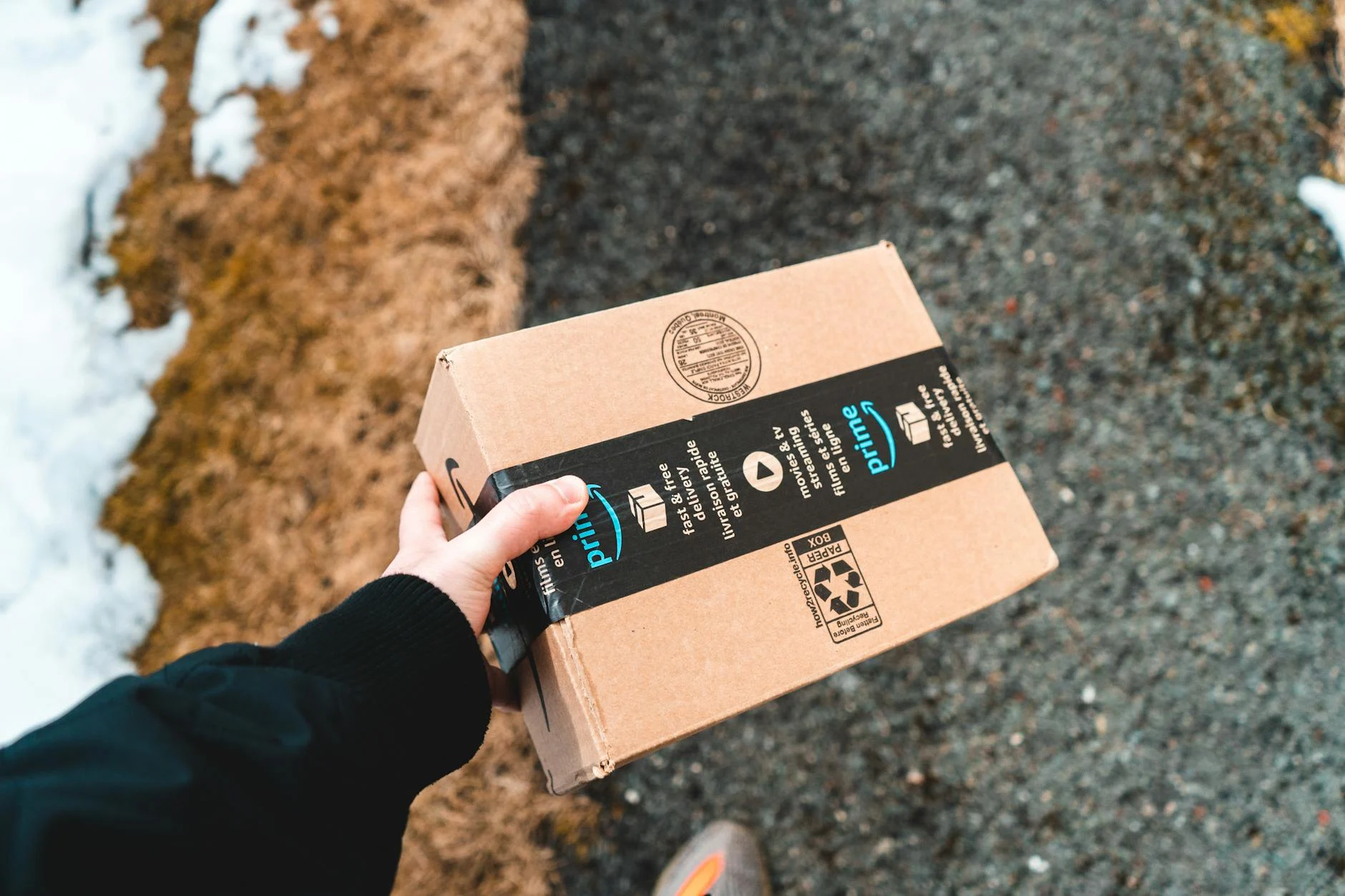 Amazon to Refund Millions of Prime Members in $2.5B FTC Settlement
Estimated reading time: 12 minutes
Thank you for reading this post, don't forget to subscribe!Amazon to Refund Millions of Prime Members in $2.5B FTC Settlement
Millions of Prime members may see money back in their accounts, all tied to how Amazon signed people up for Prime. In September 2025, Amazon agreed to a $2.5 billion settlement after the FTC said the company used tricky signup and hard-to-cancel flows that pushed customers into paid memberships.
Here is the simple breakdown. The deal sets aside $1.5 billion for refunds to about 35 million people, plus a $1 billion civil penalty paid to the government. Amazon denies wrongdoing, but this agreement ends a high-stakes fight and puts cash on the table for affected users.
If you ever clicked through a checkout box and later found Prime on your bill, this is for you. The FTC said Amazon used dark patterns, like preselected boxes and confusing cancel steps, that caused unwanted charges. The refund fund is meant to make those customers whole.
In this post, you will see who might be eligible, how much you could get, and how to confirm your status. We will cover when payouts could start, where to watch for official messages, and what to do if you think you were charged by mistake. You will also see what Amazon must change so signup and canceling are clear.
Keep reading if you want a fast checklist, a timeline, and tips to avoid junk fees going forward. We will stick to the facts, show you the exact steps to check eligibility, and link to trusted sources for updates.
Video overview for quick context: https://www.youtube.com/watch?v=tM82W6Yz74M
Why Did the FTC Sue Amazon Over Prime Subscriptions?
The short answer: the FTC said Amazon used tricks that pushed people into Prime and made canceling too hard. In 2023, the agency filed a complaint describing hidden buttons, preselected boxes, and a maze-like cancel flow that trapped users in paid memberships. Amazon denied wrongdoing, but in September 2025 it settled to end the trial. The deal is the agency’s largest consumer deception case to date, and it forces refunds and changes to signup and cancel flows. You can read the FTC’s original 2023 allegations and legal filings for yourself in the agency’s case materials: FTC’s 2023 complaint against Amazon.
Understanding Dark Patterns in Amazon’s Signup Process
Dark patterns are design choices that steer you to a choice you might not make on your own. The FTC said Amazon used these in key moments when people checked out or explored shipping options. Here is how that looked in practice, using plain examples from the case:
- Preselected options: A default box next to “free shipping with Prime” could be on by default. You think you are picking fast shipping. You are actually starting a Prime trial that rolls into a paid plan.
- Lookalike buttons: A big, bright button to “Start your free trial” sits front and center. A smaller, low-contrast link to “continue without Prime” blends into the page. Most people click the obvious choice.
- Misleading labels: Language like “Continue” appears at checkout, which sounds like you are just finishing your order. In reality, you add Prime to your account.
- Forced friction to avoid signup: Declining Prime sometimes meant multiple screens, extra clicks, or pop-ups that nudged you back to the trial.
The complaint also said canceling was hard on purpose. The cancel path required extra steps, repeated confirmations, and pressure to stay. Some flows hid the final “Cancel” behind several pages. The FTC called this “sabotaging” cancellations, saying consumers were charged even when they tried to quit on time. For source detail and case timeline, see the FTC’s docket page: Amazon.com, Inc. (ROSCA), FTC v..
Why does this matter? Small design choices add up. When millions shop every day, these patterns lead to unwanted signups and surprise charges. The 2025 settlement, which the FTC labeled historic, puts strict rules around how signup and cancel must work.
The Human Impact: Stories from Affected Prime Users
For many, this was not a one-off annoyance. It showed up as surprise bills, time wasted in support chats, and money lost before they caught the charge.
- A college student clicked through checkout for a textbook. A month later, they saw a Prime charge they never meant to accept. They spent an afternoon figuring out how to cancel and asked for a refund.
- A parent signed up for a “free trial” for holiday shopping. They missed the end date. Renewals hit for months. Busy schedule, missed emails, real dollars gone.
- A small business owner shared an account with staff. One click during a rush order started Prime. The company ate the cost for a quarter before someone caught it.
These stories echo across about 35 million people. The settlement sets aside $1.5 billion in refunds, aimed at those who were enrolled and charged when they did not want Prime. It is not just about money. It is about time, trust, and clear choices. The FTC called this a record-setting consumer deception case and outlined the refund structure and penalties in its announcement: FTC Secures Historic $2.5 Billion Settlement Against Amazon.
The bottom line: people deserve clear options and a simple cancel button. This case pushes one of the largest online retailers to meet that standard, without the tricks.
How to Check If You’re Eligible for an Amazon Prime Refund
If you were enrolled in Prime without clear consent, or you faced hurdles when trying to cancel, you may be covered by the settlement. The refund pool is $1.5 billion, with many people expected to get about $51, and some cases handled automatically. Details are rolling out in September 2025, so it pays to check your account now and watch for official notices. For background and ongoing updates, see the FTC’s announcement: FTC Secures Historic $2.5 Billion Settlement Against Amazon.
Signs Your Prime Signup Might Qualify for a Refund
Look for patterns that match what the FTC flagged. If any of these sound familiar, you likely fall in the eligible group.
- Unexpected enrollments during checkout: You clicked through “free shipping” or “free trial” while finishing an order, then got billed after the trial.
- Confusing or hidden opt-outs: The “continue without Prime” option was small or hard to find, and you ended up with Prime.
- Hard-to-cancel experience: You tried to cancel but hit multiple screens, repeated prompts to stay, or no clear final cancel button. Charges kept coming.
- Renewals you did not expect: A free trial rolled into paid months without a clear reminder or obvious cancel path.
- Household or business account confusion: Someone on a shared account started Prime during a purchase and you did not notice until bills arrived.
- Support runaround: You contacted support to cancel or dispute charges and still got billed another cycle.
Take five minutes to scan your money trail:
- Check your bank or card statements for “Amazon Prime” or “AMZNPRIME” line items you did not plan. Look at the month your trial ended and the next two billing cycles.
- In Amazon, open Your Account, then Memberships and Subscriptions (or Prime Membership) and review the Start date, Renewal charges, and Cancellation history.
- Search your email for “Prime trial,” “Prime renewal,” and “cancellation confirmation.” Missing or unclear notices can support your claim.
If these signs match your experience, you are likely in scope for a refund from the settlement fund described above.
Step-by-Step Guide to Claiming Your Potential Refund
Most refunds will be automatic where Amazon can verify the account and charges. Some people will need to submit a simple claim. Start here.
- Log in to your Amazon account.
- Go to Your Account, then Memberships and Subscriptions, and open Prime Membership.
- Note your Prime start date, renewal dates, and cancellation date if you canceled.
- Review your billing history.
- Match Prime charges on your bank or card statements to Amazon’s membership timeline.
- Save screenshots or PDFs. You may not need them, but they help if asked.
- Look for official settlement notices.
- Watch for emails from amazon.com or notices in your Amazon account inbox.
- The FTC will post updates and official links. Keep an eye on the FTC’s page: FTC Secures Historic $2.5 Billion Settlement Against Amazon.
- Check if you qualify for automatic payment.
- According to reporting, some eligible members will get up to about $51 automatically, while others will file a claim when the portal opens. See coverage for what to expect: Amazon to pay $2.5 billion in FTC lawsuit over Prime.
- Submit a claim if prompted.
- Use only the official claim site linked by the FTC or Amazon. Do not use links from social posts or random emails.
- Provide your Amazon login email, contact info, and confirm the charges shown. Keep it consistent with your account records.
- Monitor payout timing.
- Expect notifications in the first 30 days after the announcement, a claim site to follow, then payments within months as claims are processed.
Stay safe while you claim:
- Never pay to apply. Refund claims are free.
- Do not share passwords or two-factor codes.
- Verify URLs. Stick to ftc.gov and amazon.com pages. If something looks off, navigate manually from the FTC’s release page above.
Quick recap: check your subscription history, match it to your billing statements, watch for official messages, and use only trusted links. Act soon, since timelines are moving in September 2025 and early steps can speed your refund.
What Changes Will Amazon Make and Why It Benefits Shoppers
The settlement is not just about refunds. It rewires how Prime is offered, confirmed, and canceled. That means fewer traps, clearer choices, and real control over your money. The changes also set a new bar for how big platforms design their checkout and subscription flows.
Key Reforms Amazon Must Implement Right Away
Amazon must strip out dark patterns and make the path in and out of Prime obvious, short, and consistent. Here is what that looks like in practice and why it matters.
- Clear “No, thanks” at signup: A visible, equal-weight button to decline Prime on signup and checkout pages. This counters lookalike buttons and hidden opt-outs flagged by regulators. Reuters notes Amazon must provide a clear and conspicuous way to decline Prime during checkout (Reuters coverage of the settlement terms).
- Transparent enrollment prompts: Clean labels that say when a free trial starts and when it converts to paid. No vague “Continue” buttons that double as consent. This fixes misleading copy that blurred the choice to enroll.
- One-click or one-screen cancellation: A straightforward cancel path from Account to Prime, with a final confirm. No loops, no repeated “are you sure?” pages, no re-routing. This removes the hurdles that extended charges and trapped users.
- Prechecked boxes are out: No default opt-ins that enroll customers in a trial when they pick fast or free shipping. You opt in only if you choose it.
- Upfront pricing and renewal timing: The price, trial length, and renewal date must appear before you enroll, and at renewal. Clear reminders reduce surprise bills and missed trial end dates.
- Consent that means consent: Enrollment requires a clear, affirmative action tied to the Prime terms. That standard protects against accidental signups during checkout.
These fixes map directly to the lawsuit’s claims about hidden nudges and a maze-like cancel flow. They turn Prime into a choice you can see, understand, and reverse without a fight.
Long-Term Wins for Online Shoppers Everywhere
This case will ripple far beyond Amazon. When the biggest e-commerce player has to clean up its flows, others pay attention. The $1 billion penalty, paired with $1.5 billion in refunds, signals real accountability for design that tricks people. CNN called it a historic settlement affecting an estimated 35 million customers (CNN’s overview of the agreement).
Here is what changes for you across the web:
- Fewer subscription traps: Expect clearer trials and simpler cancels on shopping sites, apps, and streaming services. Companies will copy safer patterns to avoid complaints and penalties.
- Cleaner checkout pages: Equal-weight decline options and honest button labels become a norm. If a page feels pushy, you will know it is out of step.
- Stronger consent standards: Firms will log explicit consent for paid plans, which helps you dispute charges and win.
- Better reminders and receipts: Renewal notices and pricing disclosures move front and center. That keeps monthly bills predictable.
- More power in account settings: Short, direct cancel paths reduce support runarounds and save time.
This is a win for everyday shoppers. Clear choices, faster cancels, and no tricks make online buying feel fair again. The result is a smoother, more trustworthy experience, from first click to final bill.
Conclusion
This settlement puts real money back in people’s pockets, pushes Amazon to clean up its flows, and sets a clearer standard for subscriptions across the web. Refunds are coming for millions, and Prime signup and cancellation are getting simpler with plain labels, equal-weight choices, and a direct cancel path.
Take a minute to check your eligibility. Review your Prime history, match it to your billing statements, and watch for official notices. Follow the FTC’s updates for the claim portal and timing, and keep an eye on emails and account messages from Amazon. Use only links from ftc.gov or amazon.com.
Share this guide with anyone who might have been enrolled or struggled to cancel. Subscribe for our next update on payout timing and what to expect during claims. Fairer online shopping is within reach, and this case moves it forward for everyone.