


Bihar Assembly Election 2025: 243 Constituencies Map & Booth List
 Bihar Assembly Election 2025: Constituencies, Booth List
Estimated reading time: 12 minutes
Thank you for reading this post, don't forget to subscribe!Bihar Assembly Election 2025: Constituencies, Booth List
The buzz is back in Bihar. Tea stalls are alive with talk of leaders, promises, and the road ahead as the 2025 assembly polls draw near. With 243 seats and over 7.3 crore voters, every lane, bazaar, and village has a stake in what comes next.
This election matters close to home. People want clear answers on jobs, better roads, safe schools, and reliable health care. Your vote will shape the work done in your own block, ward, and mohalla.
This post keeps it simple and useful. You will get a clean map of all constituencies, easy booth lists, and practical ways to find your polling station without fuss. We will also share official links and tips so you feel sure on voting day.
Ready to plan your vote with calm and clarity? Up next, a quick look at constituencies, then booth details by district, followed by step-by-step ways to confirm your booth and documents.
Explore Bihar’s 243 Assembly Constituencies: Where the Action Happens
From dense city wards to riverbank hamlets, Bihar’s 243 seats tell very different stories. Urban pockets demand jobs, transport, and safety. Farming belts ask for stable prices, flood relief, and roads that last. Knowing your seat helps you ask sharper questions and vote with confidence. Use official sources to confirm boundaries, voter lists, and the latest booth details as the season picks up.
Patna and Central Bihar Hotspots
Patna division blends high-rise neighborhoods with agrarian blocks on the Ganga plains. The district alone has 14 Assembly constituencies, with a stark urban to rural spread across the ring roads and river channels. For official seat names and maps, start with the Patna district page for constituencies and AC numbers. See: Constituencies | District Patna.
Key constituencies to watch:
- Patna Sahib: Urban core, high media attention, strong party machinery on both sides. Crowded booths near business hubs can see slower lines during peak hours.
- Digha: Mixed urban-rural profile, apartments and old settlements together. Infrastructure projects often decide mood here.
- Bankipur: Old city wards, traders, service workers, and students. Youth turnout can swing the final tally.
- Kumhrar: Densely populated with active local networks. Candidate accessibility matters.
- Patliputra: Rapid housing growth, shifting voter mix, transport is a top demand.
- Danapur: Cantonment influence and peri-urban villages, mixed issues from drainage to school access.
- Maner: Semi-urban stretch with farming roots, crime and road quality are core concerns.
- Phulwari: Education and health institutions shape debate, ward-level work is tracked closely.
- Masaurhi: Rural belts with commuting workers, welfare delivery and road repair can tip choices.
- Paliganj: Agrarian, canal and irrigation needs take center stage.
- Bakhtiarpur: Small-town core with surrounding villages, migration and jobs are hot topics.
- Barh: River-side vulnerabilities, embankments and health access stay in focus.
- Mokama: Industrial pockets meet flood-prone stretches, law and order and transport weigh heavy.
- Bikram: Farming-led blocks, crop support and local markets drive sentiment.
Turnout patterns to note:
- Urban seats often see lower turnout than nearby rural ones, especially mid-day. Even a small mobilization push late afternoon has shifted results in past cycles.
- Rural blocks tend to close strong, with families voting together after farm work.
Why these seats swing elections:
- Patna’s urban seats influence media narrative and momentum. A clear lead here energizes party cadres statewide.
- Peri-urban belts decide on roads, safety, and jobs, not just party lines. A credible local face can beat wider waves.
Quick tips for locals:
- Track your candidate’s ward visits and past project record, not just rallies.
- Compare manifestos against municipal upgrades promised in the last term.
- Watch booth-level arrangements in high-density wards for a smoother voting experience.
If you want a broader view of district-wise ACs across Bihar, the CEO’s official list helps with names and numbers: AC with district.
Northern Bihar’s Key Districts and Seats
Muzaffarpur, Sitamarhi, and nearby districts form a belt of about 20 seats that live by the rivers. The Gandak, Bagmati, and Kosi systems shape life and voting here. Flood-prone zones demand embankments, relief camps, and all-weather roads. Large farming communities prioritize MSP awareness, market access, and timely input supply.
Muzaffarpur area highlights:
- Seats around Kanti, Bochahan, Kurhani, Sakra, Muzaffarpur, and Gaighat reflect mixed urban-rural life. Cold storage, sugarcane pricing, and small industry jobs often dominate.
- Turnout tends to hold steady in village clusters where local panchayat leaders mobilize families.
Sitamarhi pocket:
- Constituencies like Riga, Bathnaha, Parihar, Sursand, Bajpatti, and Sitamarhi sit close to the Nepal border and floodplains. Relief work, embankment health, and bridge connectivity weigh on minds.
- For current local resources and BLO references, the district page is updated often: Sitamarhi Assembly Election 2025.
How alliances speak to these voters:
- NDA campaigns tend to highlight central schemes, roads, PMAY houses, and fertilizer availability. In flood zones, they stress disaster response and highway links.
- RJD-led messaging often centers on agrarian distress, youth jobs, and local transport. In villages, they spotlight PDS delivery, hostel availability, and block office access.
- Micro-castes and occupational groups can change the race. Alliances build seat-level arithmetic, not just statewide slogans.
Use a seat map to orient yourself before you weigh options. An interactive view helps compare clusters across the state: Bihar Assembly Constituency Map 2025.
Southern and Eastern Bihar Strongholds
Gaya, Bhagalpur, and Purnia add a different texture to the contest. Hills and forest edges meet the rice belts and river trade towns. You see a sharper mix of caste blocs, migration stories, and education gaps. Campaigns here often blend identity with concrete project lists.
Gaya region:
- Seats around Gaya Town, Bodh Gaya, Sherghati, Barachatti, Guraru, and Atri capture both religious tourism and rural livelihood needs. Road upgrades to tourist circuits, security, and school quality can push late momentum.
- Reservation seats nearby add layers to candidate selection. Parties balance coalition math with local goodwill.
Bhagalpur region:
- Bhagalpur, Nathnagar, Sultanganj, Gopalpur, and Pirpainti track river trade, weaving, and small business credit. Bridge work and flood defenses carry weight along with power supply.
- Voters respond to hostel capacity, college seats, and hospital facilities. Youth migration shapes talk on job fairs and skilling.
Purnia and Seemanchal:
- Purnia, Dhamdaha, Kasba, Banmankhi, Amour, Bahadurganj, and Kishanganj sit in a high-rainfall, agrarian belt. Roads, border trade, and policing often decide late breakers.
- Social coalitions are layered. Parties pick candidates who can stitch community ties and reassure new voters.
What drives decisions here:
- Caste equations meet development promises. A strong local candidate narrows gaps, even when the statewide mood leans the other way.
- People assess welfare delivery at the block office, not just on paper. If a scheme reached the village on time, it shows up on polling day.
For official statewide timelines and 2025 context, start with the election overview and updates: 2025 Bihar Legislative Assembly election. For data checks on elector movement and district totals, the CEO Bihar documents are a reliable reference: Constituency wise information on migrated electors.
Key takeaway for voters:
- Know your seat’s mix. City wards argue over traffic and safety. Floodplain villages look at embankments, relief, and farm inputs. Pick the candidate who can solve your area’s first problem, not someone else’s.
Polling Booths in Bihar: Find Yours and What to Expect on Election Day
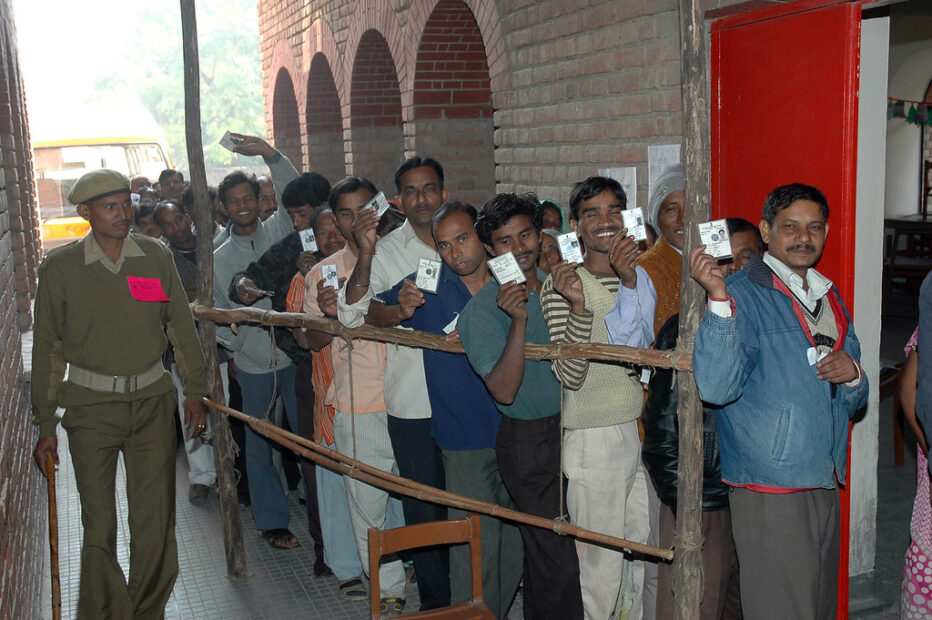
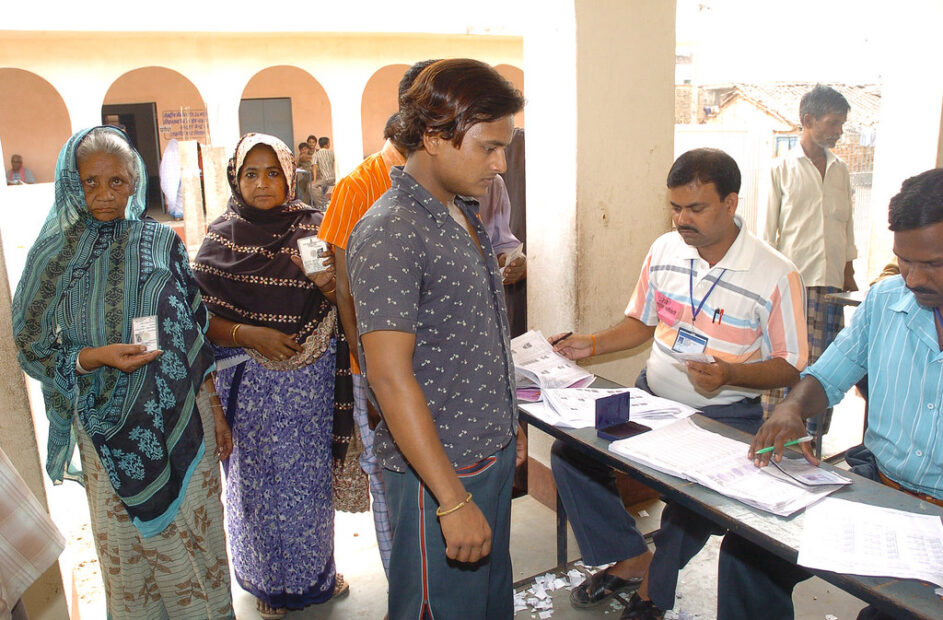
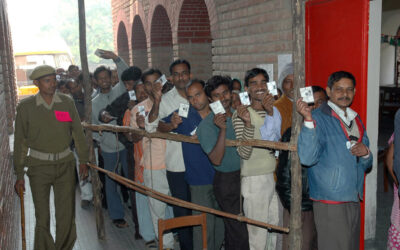
Across Bihar, 90,712 polling booths are set up so no one has to travel far. At dawn, you will see families and neighbors walking in groups, shawls over shoulders, talking about candidates as they head to the school or panchayat building that serves as their booth. The process is simple, guarded, and quick if you plan ahead.
How to Search for Your Local Polling Station
Finding your booth takes two minutes if you have your voter ID ready. Use the CEO Bihar website or app and keep a PDF copy saved on your phone.
Follow these steps:
- Go to the official site: OFFICE OF THE CHIEF ELECTORAL OFFICER, BIHAR.
- Open the polling station section to search by voter details or EPIC number. You can also review booth information at Polling Station (Main and Auxiliary) Details.
- Enter your name, EPIC number, district, and Assembly Constituency as asked.
- Confirm your booth name and address, then download the PDF for easy reference.
If you face issues, dial 1950 from your registered mobile. The helpline team will guide you to your booth and BLO contact.
What to expect at the booth:
- You will vote on EVMs with a VVPAT slip visible for a few seconds. This confirms your choice.
- Timings are 7 AM to 6 PM. Early morning and late afternoon often see shorter lines.
- Security staff and polling personnel manage entry, queues, and help seniors and people with disabilities.
- Your privacy is protected. The voting compartment is closed, and your vote stays secret.
Carry acceptable ID:
- Bring your EPIC (voter ID). If not available, carry any of the ECI-approved photo IDs. See the list on the Election Commission of India.
- Keep a small paper with your booth number to speed things up.
Smart queue tips:
- Hydrate and wear a cap in the sun.
- Check your booth location before you start. Many schools have multiple rooms and auxiliary booths.
- Follow the queue markers, avoid crowding near doors, and help elders reach the priority line.
Stay alert:
- Ignore viral posts that quote fake timings or bogus forms. Cross-check with the CEO Bihar site or 1950.
- Do not post your ballot choices online. Photos inside the voting area are not allowed.
Voter List Updates: Who’s In and New Rules for 2025
The final electoral roll was published on October 1, 2025, after a Special Intensive Revision. Duplicate and inactive entries were removed, and new 18-plus voters were added. The state now has about 7.3 crore voters ready for the Assembly election.
Who is eligible:
- You must be 18 years or older on the qualifying date.
- You should be a resident of Bihar in the constituency where you enroll.
How to confirm your name:
- Check online on the CEO portal using your name or EPIC, then download the page as proof: OFFICE OF THE CHIEF ELECTORAL OFFICER, BIHAR.
- Visit the nearest voter help center or BLO counter at your ward office or school.
- For SIR-related clarifications and timelines, review updates referenced by national bodies like the Special Intensive Revision update.
Quick verification routine:
- Search your name, confirm the spelling, address, and part number.
- Note your Assembly Constituency, Part Number, and Booth Number.
- If details are missing or wrong, file a request through the portal or ask your BLO. Keep the acknowledgment.
Keep in mind:
- Full booth lists are available constituency-wise on official portals and are updated after SIR in October 2025.
- Your name on the roll and a valid ID are both needed at the booth. Without your name on the roll, you cannot vote.
Picture the day. The sun climbs, the road warms, and village paths fill with steady steps. You carry your ID, share a nod with neighbors, and cast a vote that speaks for your street, your school, your field.
Bihar Election Timeline: Dates, Phases, and How to Stay Informed
Bihar’s clock is ticking. The Election Commission is expected to announce the schedule in early October, with polling spread across late October and November. The goal is smooth voting before the current Assembly’s term ends on November 22. Treat dates as guidance until the official press note drops.
Here is the expected flow based on past practice and current reporting:
- Announcement window: October 6 to 7, followed by immediate Model Code of Conduct (MCC) across the state. See coverage that points to an announcement after October 6: poll date announcement likely after October 6.
- Polling phases: 3 to 5 rounds in late October to mid November, spaced around festivals like Diwali and Chhath. Media reports suggest a compact schedule with three phases as one scenario: Bihar may vote in 3 phases.
- Counting: Late November, allowing time to form the new House before November 22. For a broad overview, keep an eye on the evolving summary here: 2025 Bihar Legislative Assembly election.
What to watch as campaigns heat up:
- Major players: NDA (BJP and JD(U)), Mahagathbandhan (RJD and Congress), and Jan Suraaj in select pockets.
- Ground mood: Rallies, padayatras, and targeted promises on jobs, roads, safety, and farm support. Expect rapid manifesto drops and video explainers from each side.
- Your quick plan: Save your EPIC number, track MCC updates, and confirm your booth once rolls refresh after the announcement.
Phased Voting: Why Bihar Does It This Way
Bihar is big, busy, and diverse. Voting across 243 seats happens in multiple rounds so every booth can get staff, machines, and security without strain. Think of it like running many well-managed fairs instead of one crowded mela.
Why 4 to 5 dates are common:
- Security deployment: Central forces move district to district. Phases let police cover sensitive pockets with focus.
- Logistics: EVM and VVPAT units get checked, moved, and replaced if needed. Phases reduce breakdown risk.
- Festivals and harvest: Dates avoid Diwali, Chhath, and key farm cycles. More people turn up when the day fits their lives.
- Geography and weather: Floodplains, river crossings, and long travel routes demand flexible scheduling.
Past patterns help set expectations:
- 2015 used five phases to cover the state’s spread.
- 2020 ran in three phases with strict health protocols.
- 2025 will be finalized only after the official schedule is released. Treat any calendar you see as a placeholder until the press conference.
Bottom line for voters:
- Phased polling protects your ballot. It puts trained staff and adequate security at every school, panchayat hall, and community center used for voting.
- Once dates are out, follow the MCC rules in public meetings and on social media. Parties must stick to spending and speech norms from day one of the announcement.
- For real-time alerts on phases, candidate filings, and voting day instructions, watch the Election Commission’s official updates and trusted news trackers.
Conclusion
You now have the map, the booth paths, and the tools. Confirm your name on the roll, note your booth, and plan to vote early. Share these links with your family, help elders with PDFs, and carry a simple checklist on polling day.
One vote shapes your school, your road, your market. It also shapes Bihar’s voice for the next five years. Download the Voters Helpline app, follow CEO Bihar updates, and stay calm, kind, and focused.
Let hope rise like the sun on the Ganges, steady and bright.