


Bihar 2025: Women Voters Lift NDA, Check the relates point referance link
 Women Voters Lift NDA, say top pollsters (Check the relates point referance link)
Estimated reading time: 11 minutes
Thank you for reading this post, don't forget to subscribe!Bihar 2025: Women Voters Lift NDA, say top pollsters (Check the relates point referance link)
Bihar heads to the polls in late October or early November 2025, with 243 seats in play and nerves running high. Top pollsters say Nitish Kumar and the NDA hold a clear edge, powered by strong support from women voters. This surge could blunt the opposition’s traditional Muslim-Yadav base, at least in key battlegrounds.
The stage is set with JD(U) and BJP on one side, and the RJD-Congress Mahagathbandhan on the other. Women-focused schemes, from education to household support, have built steady goodwill that shows up in surveys. For sources and poll insights, Check the relates point referance link , then watch how this gender gap could shape the result.
Nitish Kumar’s Smart Moves to Win Women Voters
Women in Bihar remember who stood by them when it mattered. Nitish Kumar’s long trail of programs, from school support to cash in hand, has grown into trust. That trust now meets quick relief and a clear promise of dignity. Pollsters tracking the 2025 race say this bond gives the NDA a head start, and the momentum shows up when you Check the relates point referance link .
How Past Efforts Still Echo Today
Two decades ago, many girls in Bihar stayed home after Class 8. Then came bicycles, uniforms, and a push to keep girls in school. The path was simple and direct, yet life changing. A teen girl pedaled to class on a new bicycle, came home with homework done, and began to dream bigger. Today, that girl is a mother who runs a tailoring corner from her porch, helps her daughter with algebra, and tells neighbors why the vote matters.
- Bicycles for girls: The program started in 2006 helped reduce dropout rates and made public spaces feel safer for girls. It even caught global attention for its impact on mobility and schooling. For a look at how it spread beyond Bihar, see this report on the model being replicated abroad from the Indian Express: Bihar’s model of bicycles to girls replicated by six African countries.
- Uniforms and school support: Small, steady expenses were covered, so families kept girls in classrooms. That created a first generation of young women who finished school, learned to use banks, and felt confident traveling for work.
These stories now meet the voting booth. Women who once rode to school are homemakers or micro-entrepreneurs today, and they see a line from their first uniform to their daughter’s college form. This memory, matched with current relief, explains why survey snapshots show women shifting toward the NDA. It is personal, not abstract.
New Schemes Delivering Fast Results
The last two months brought a burst of targeted help, seven welfare schemes centered on women’s empowerment, health, economic aid, and social security. The aim is clear, quick relief that shows up in the kitchen budget and the bank passbook.
The headline move is the Mukhyamantri Mahila Rozgar Yojana, with a direct transfer of Rs 10,000 to 75 lakh women. That is not a promise on paper. It is money landing in accounts, fast. Coverage from Times of India breaks down the scale and rollout: NDA’s DBT ‘Brahmastra’: Rs 10,000 for 75 lakh women.
Picture a small village on market day. A woman named Sita receives the message on her phone that the amount is credited. She buys a second-hand counter, a box of biscuits, matchboxes, and oil packets, and opens a tiny kirana next to her home. By evening, she has cash for milk, a little left for savings, and a plan to add soaps next week. The mood at home is lighter.
What makes these moves stick with voters is speed and simplicity:
- Direct cash: Money goes straight to women, which builds control and confidence.
- Jobs and income support: Training and seed funds turn skills like stitching or food processing into earnings.
- Health and social security: Support for checkups, nutrition, and safety nets keeps families stable.
Poll watchers argue that such visible gains sway undecided women and deepen loyalty among first-time beneficiaries. When relief meets respect, votes follow. In village chats and WhatsApp groups, women trade tips on using the new funds, compare prices, and talk about what comes next. That energy points to an NDA edge, reinforced by fresh schemes that match daily needs.
Together, the old trust and the new cash flows make a simple case. Help was given when they were girls, and it is arriving again when they manage homes and money. That is why many women say the path forward is clear.
Women Voters: The Real Power in Bihar Polls
Women are likely to decide Bihar 2025. Their turnout has outpaced men in past state polls, and their choices often tilt close contests. In seats that swing by a few thousand votes, a small shift among women can rewrite the map. Pollsters already say this advantage lifts the NDA, and you can Check the relates point referance link for deeper breakdowns.
Turnout Trends and Why They Matter
Across recent elections, women showed up in greater numbers and stayed the course. In Bihar’s 2020 assembly polls, female turnout topped male participation for the third time in a row. That pattern is not a one-off, it is a steady climb. For a clean view of the trend, see the Election Commission’s statewide comparison of male and female turnout over past assembly polls: Comparative figures of Male-Female Voters’ turnout in Bihar. Newsrooms also recorded this surge in 2020 as a decisive shift: Female turnout more than men for third Bihar poll in a row.
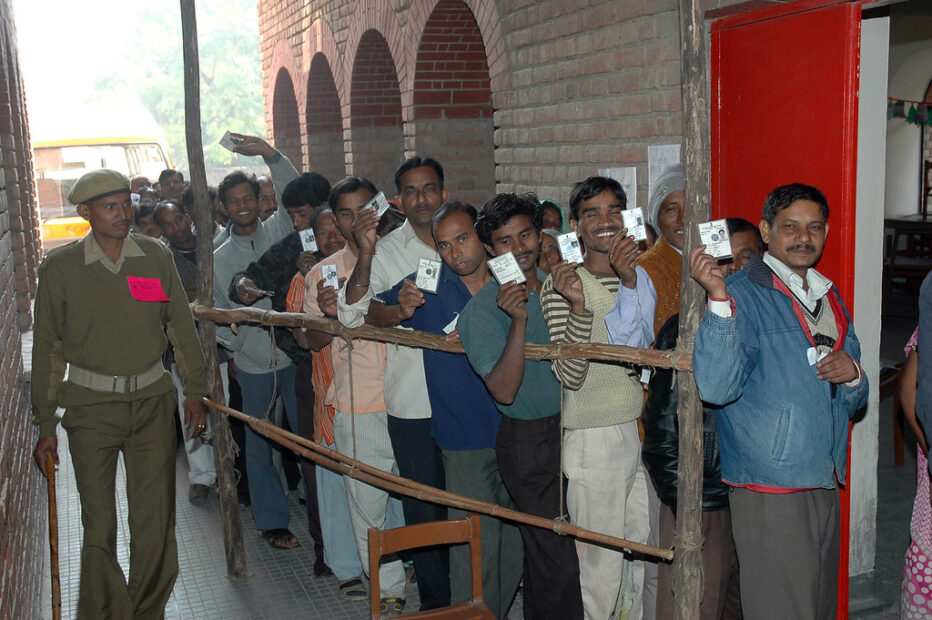
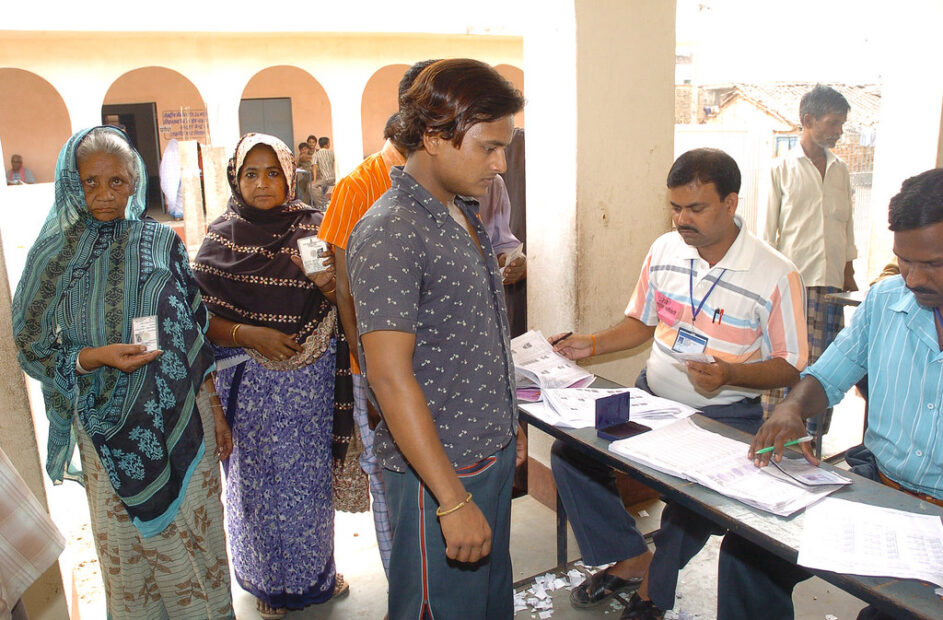
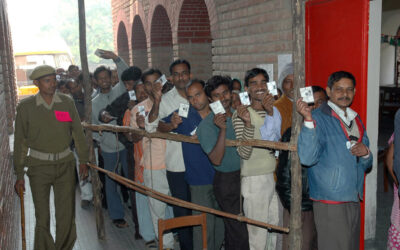
Picture a queue outside a rural school. Morning fog lifts, and women in bright saris wait with voter slips in hand. The line stretches past the banyan tree, moves fast, and keeps growing. From Seemanchal to Magadh, polling staff note the same scene. In urban booths too, college students arrive early, then office-goers in the afternoon, and homemakers by evening. This steady flow adds up.
Why it changes results:
- Higher participation: When women turn out more than men, they define the median voter.
- Issue focus: Safety, price stability, schooling, and small business income guide their picks.
- Close margins: In a 2 to 3 percent race, a modest women’s swing is decisive.
Top pollsters argue this bloc favors the NDA in 2025, with women’s votes offsetting traditional caste arithmetic in several seats. Their take is clear in recent discussions on seat projections and the gender gap: Advantage NDA in Bihar, women votes may trump Muslim-Yadav factor.
Challenges with Voter Lists and Fixes Needed
This election also faces a voter roll churn. After a Special Intensive Revision, Bihar’s final list stands at 7.42 crore electors. The update cut total electors by about 47 lakh, which raised eyebrows in many districts. The Election Commission detailed the process and next steps here: Special Intensive Revision of Electoral Rolls in Bihar. For a quick status and how citizens can verify entries, see this explainer: How to check the final voter list.
Why did women feel the pinch in some pockets? Documentation hurdles stack up. Name changes after marriage, address shifts due to migration, mismatched IDs, and lapsed phone numbers can stall verification. When a family moves or splits households, women’s records get left behind. In tight-knit rural communities, a missing voter entry equals one lost voice.
What it means for 2025:
- Turnout risk: If deletions hit women harder in certain booths, local turnout could dip.
- But influence holds: Even with fewer names, women’s relative participation and unity of choice can swing results.
- On-ground fixes: Camps for addition and correction, door-to-door BLO visits, and digital self-verification keep the rolls fluid.
Parties know this. The NDA has pushed outreach to help women re-register, update records, and vote with ease. That includes booth helplines, ward-level volunteers, and targeted awareness drives. These efforts meet the Commission’s own correction windows, which are still adding names and fixing errors.
The big picture stays the same. Women show up, they vote with purpose, and they matter in every close fight. When their names are on the rolls, they shape the outcome. When some names slip, their share of turnout and tighter cohesion still pulls weight. In a state where small margins pick governments, that is real power.
Does the Muslim-Yadav Block Still Hold Sway?
The Muslim-Yadav coalition shaped many RJD wins in the past. It still matters, but its solo strength looks thinner in 2025. Pollsters tracking Bihar say women’s voting choices, backed by direct benefits and turnout, could offset this once-dominant arithmetic. Check the relates point referance link for the latest snapshots in this shift.
Breaking Down the Vote Share
The Muslim-Yadav group adds up to roughly one-third of Bihar’s electorate. This estimate varies by district, but the pattern holds: strong in pockets, uneven across most seats. In earlier cycles, this base helped the RJD lock down close fights. As candidate lists diversified, and local issues gained weight, that edge narrowed.
Think of the spread like this:
- Seemanchal belt (Kishanganj, Purnea, Araria): Higher Muslim share, stable Yadav presence, strong RJD footing.
- Mithila and Magadh: Mixed caste blocks, split loyalties, MY influence visible yet short of a majority on its own.
- Bhojpur, Saran, and parts of South Bihar: Yadav strength exists, but counter-mobilization by other OBCs, EBCs, and upper castes often evens the field.
This means the MY vote is broad, not deep enough in many seats to win alone. In a 243-seat race, that matters. A 30 to 33 percent base can lead, but without add-ons from EBCs, women voters, Dalits, or youth, it struggles to close. Analyses after 2024 and local bypolls flagged cracks and cross-voting within this bloc, raising questions about cohesion. See one discussion on strain within the coalition here: RJD’s poll debacle and fissures within the MY base. For a broader background on the party’s social roots and turf, this profile helps: Rashtriya Janata Dal.
Poll points in simple terms:
- The MY share remains sizable, but distribution reduces its seat-by-seat punch.
- Triangular contests and higher women turnout complicate the math.
- Alliances that add even a small swing among women or EBCs can flip close seats.
A 2020 explainer set up this math and its limits, which still apply in many constituencies: Bihar’s Y-M votes and whether it brings RJD back.
Why Women Might Tip the Scales Over Caste
Women vote on what they can see and use, from cash transfers to safety to school support. That is a different lens than caste loyalty. When money lands in the account, gas reaches the kitchen, and travel feels safer, the choice feels personal, not just social. Pollsters say this sentiment is strong in 2025.
Key shifts highlighted by recent panels:
- Benefit-first mindset: Direct transfers and services build quick trust across caste lines.
- Turnout edge: Women’s participation often exceeds men’s, which lifts their weight in close races.
- Issue filter: Price control, health access, school quality, and small income boosts are top of mind.
At a chai shop in Bihta, you hear two types of talk. One group counts caste heads and old loyalties. The other group, led by women who manage home budgets, compares scheme benefits and timelines. When the second group grows, caste arithmetic loses its lock. That is the argument many poll experts make today. A recent discussion sums it up: Women votes may trump the Muslim-Yadav factor, giving NDA an advantage.
What this means for Bihar politics next:
- Parties must speak to daily costs, health, and mobility, not just identity.
- Women-focused programs will shape candidate selection and campaign time.
- Coalition math will add a gender layer to caste, not replace it, making mixed appeals the winning play.
If women keep voting this way, seat outcomes will reflect a new mix: identity plus benefits, with the second part carrying more weight than before. In 2025, that is the difference between a solid base and a winning map.
Conclusion
Nitish Kumar enters this contest with a clear tailwind from women-focused support, which challenges the old Muslim-Yadav math in many seats. Expect a close fight, yet women look set to define the margins that decide power.
Make your vote count, stay alert to updates, and share this with friends who care about Bihar’s future. For more polls and news, Check the relates point referance link to track every shift. Empowerment grows when turnout rises, and 2025 can be the year women turn trust into a winning map.