


Baksa Unrest Eases After Zubeen Garg Death, Normalcy Returns in Assam
 Baksa Unrest Eases After Zubeen Garg Death, Normalcy Returns in Assam
Estimated reading time: 8 minutes
Thank you for reading this post, don't forget to subscribe!Baksa Unrest Subsides: Calm Returns After Violence Over Zubeen Garg’s Death
Shutters lifted at dawn, buses coughed back to life, and roadside tea stalls began to hum again. After two tense days, Baksa has exhaled. Protests tied to the death of Zubeen Garg had spiraled into clashes near Baksa District Jail, but the violence has eased and daily life is edging back toward normal.
Police say the situation is under control, with security still in place around the jail and key junctions. Authorities report arrests, detentions, and ongoing identification of those suspected of instigating the violence. Mobile data and internet services, which were briefly suspended, are now back.
This update lays out a simple timeline of what happened, why anger boiled over, and how order was restored. It also shares practical guidance for residents and visitors. For context on the ground status, see reports confirming stability in Baksa from reliable outlets like The Hindu’s on-ground update and a summary noting normalcy by Mathrubhumi’s news desk.
Timeline: From Transfer to Tension to Calm in Baksa
Oct 15: Accused moved to Baksa District Jail under tight security
On October 15, five accused connected to the Zubeen Garg case were moved to Baksa District Jail. Reports say the group included a manager, a cousin, and members of security staff. The transfer followed court direction and came with heavy escort.
The move mattered. It brought the case into Baksa’s center, changed the mood, and drew crowds to the jail gates. Two of the accused were remanded to judicial custody, with safety concerns noted by the court, as covered by The Hindu’s custody report.
Protest at jail gates grows, then clashes erupt
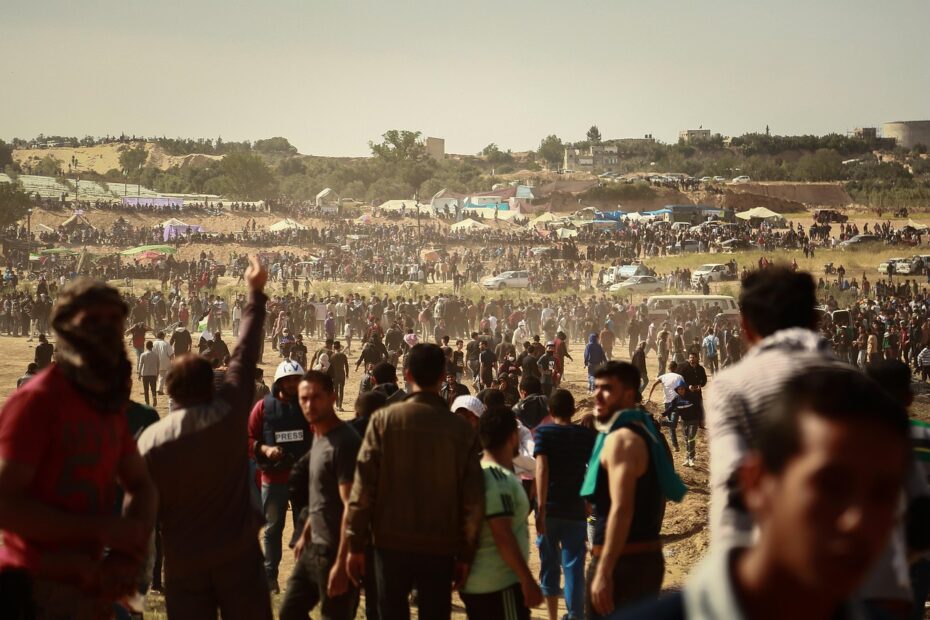
By noon, people gathered near the jail perimeter. Chants rose. Some demanded that the accused be handed over. Anger built in a tight space, and the crowd swelled. Tension peaked when people surged toward the inner gates.
In a charged atmosphere, small triggers move a crowd fast. What began as protest tipped into confrontation within minutes. Police formed lines and tried to hold space.
Stones, fires, and a rapid police response
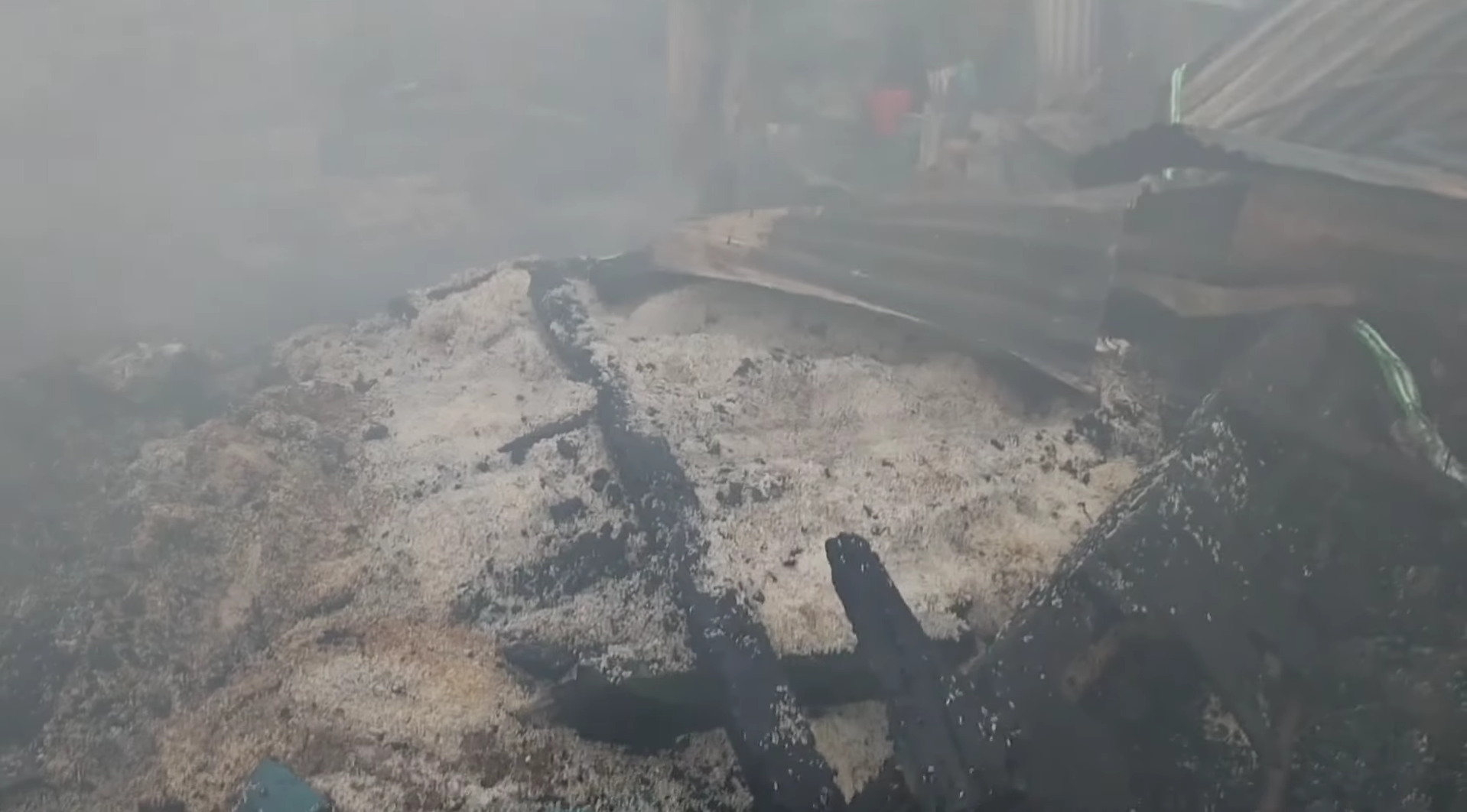
Stone pelting started. Police vehicles and media cars were damaged. Some vehicles were set on fire. A section of the crowd pushed to breach the compound.
Police responded with a lathi-charge and tear gas to push people back and secure the jail. Authorities also used non-lethal rounds at key moments to stop a breach, according to police updates captured in national reports, including India Today’s field report from the jail site.
Arrests, bans on gatherings, and internet shutdowns
As night fell, police detained and arrested more than ten people linked to the violence, with more identified from video evidence. Prohibitory orders limited large gatherings to prevent flare-ups. Mobile data and internet services were suspended for a short period across affected pockets.
As the situation cooled, services were restored and movement resumed. Officials confirmed that normalcy had returned, a point echoed by headlines noting that conditions were stable and under control in Baksa, including this update on the ground situation and follow-ups highlighted by regional newsrooms.
Why Did Protests Turn Violent? Anger, Rumors, and Distrust
A region in grief, tempers on a short fuse
Zubeen Garg was a beloved artist. His songs cut across age and place. When he died, people across Assam grieved. According to case coverage, he passed away while swimming overseas in September, a detail referenced in court-focused reporting.
Grief can make a community raw. When you feel the loss deeply, any new spark lands on dry grass. People wanted answers and fairness. That deep feeling set the stage for fast reactions when the accused arrived in Baksa.
Calls to hand over the accused and the power of rumor
Calls to hand over suspects are unlawful and dangerous. They erase due process and put people at risk. In a crowd, one shouted claim or a viral post can be enough to tip action.
Rumors move faster than facts, especially in tense moments. A quick check helps. Look for a named source, an official handle, or at least two trusted outlets reporting the same core details. If you cannot verify, do not share. Report the post instead.
Fears of special treatment inside the jail
Some believed the accused might get easy conditions in a new jail with modern facilities. That idea triggered rage among parts of the crowd. The belief, even without clear proof, fueled the push to confront police at the gates.
Only the courts decide guilt or punishment. Jail conditions follow law and oversight, not public demand. The fair path is slow, but it is the only path that holds up.
What better communication could have changed
Clear updates reduce fear. Regular briefings from the district and police, open Q&As with local leaders, and visible fairness during transfers all build trust. A simple schedule of next court steps, shared in Assamese and English, would have eased nerves.
People listen to voices they trust. When officials, elders, and artists give the same message, calm grows. The goal is not spin, it is clarity at speed.
How Order Was Restored: Security, Community Voices, and Services Back Online
Layered security and swift detentions
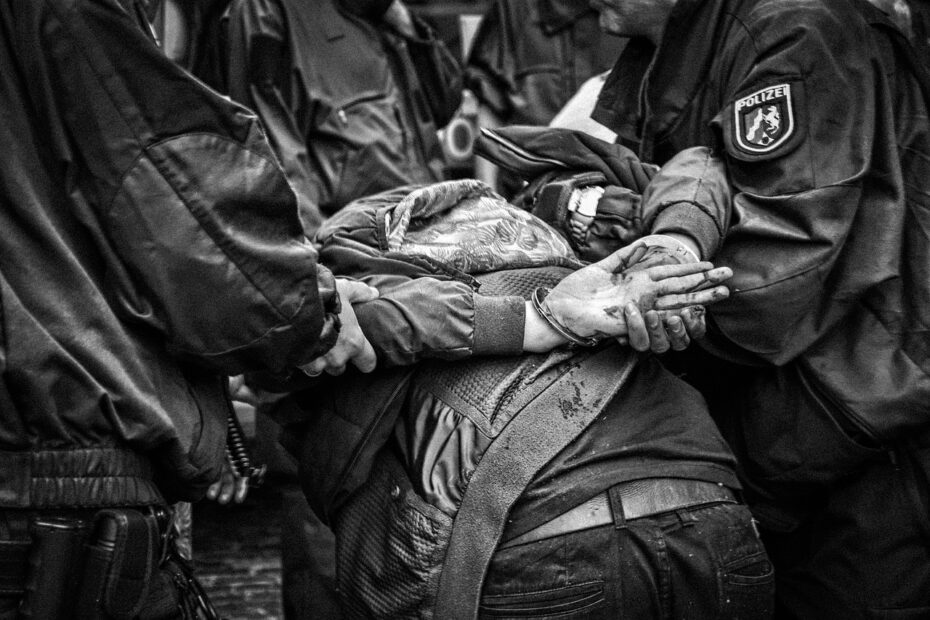
Security forces ring-fenced the jail. Outer and inner cordons stayed in place through the night. Patrols moved along approach roads. When a section of the crowd tried to surge, police used lathis and tear gas, then non-lethal rounds to prevent a breach.
Detentions and arrests followed. Investigators reviewed footage to identify those who incited clashes. Officers said third-party agitators tried to twist a protest into violence, a point repeated in briefings and media accounts.
Bans on crowds, checkpoints, and quicker legal steps
Prohibitory orders limited gatherings in sensitive zones. Checkpoints on key roads screened traffic and slowed movement near the jail. Police filed FIRs tied to arson, assault, and damage to public property.
These steps are temporary. They are tied to public safety, not a long-term rulebook. As calm held, officers eased pressure, but kept presence in spots that saw flashpoints.
Local voices that cooled tempers
Community elders asked people to go home. Artists and student groups appealed for patience and peace. The message was simple: honor Zubeen’s memory by keeping the streets calm and letting the courts do their work.
These voices mattered. They gave people permission to step back. As the messages spread, crowds thinned and the mood softened. Coverage from regional outlets noted the steady shift toward normal, reflected in updates such as this round-up of improving conditions.
Roads and networks reopen, daily life resumes
Markets opened, buses ran on time, and schools announced schedules. Mobile data returned, and calls went through without delay. People kept an eye on updates, but the fear that held the town loosened.
Police and district teams stayed visible to maintain confidence. A day after the worst clashes, officials stated the area was under control, a point echoed in regional feeds such as India Today NE’s update noting restored order, alongside national reporting from The Hindu.
What to Know Now: Safety Tips, Justice Process, and Staying Informed
The five accused and the road ahead in court
Next steps include court hearings, custody review, and transfer security. Escorts will remain tight for any movement, with route checks and timed transfers. Hearings will shape custody length and access to counsel.
Only the court will deliver judgment. Media coverage will report steps in the process, including remand, bail pleas, and any special security provisions, as outlined in updates like this court-focused report.
Accountability for violence and support for victims
Police have filed cases for rioting, arson, and assault. More suspects are being identified from videos. Those accused will face charges in court.
Owners of damaged vehicles or shops can seek compensation through legal channels. Keep FIR copies, repair bills, and photos. District relief desks can guide claims where public property damage is involved.
Stay alert, not alarmed: follow verified updates
Stick to official handles. Check the district administration, Assam Police updates, and trusted newsrooms. Reports from national outlets such as India Today’s on-ground piece and stability notes like The Hindu’s status update can help you verify claims fast.
If you see a suspicious post, do not share it. Use the platform’s report tools. If a claim affects safety, call the local police control room and confirm.
Travel and daily life tips for Baksa right now
- Avoid the jail area and nearby approach roads unless you have official business.
- Stick to main routes in Mushalpur and surrounding blocks.
- Carry ID, keep your phone charged, and save emergency contacts.
- Follow police advice at checkpoints. Stay calm and cooperate.
- If you run a shop or stall, keep shutters open during daylight, and close early if advised.
Conclusion
Baksa is steady again, and that matters. We honor the loss of Zubeen Garg by choosing peace, letting the law work, and helping neighbors who suffered damage or injury. Share food, share a ride, share space, but not rumors. If a claim seems wild, pause and check before you post.
The streets are open, phones are working, and children are back to class. Let patience hold while the courts do their part. Thank you for reading, and for keeping calm heads and kind hearts in the days ahead.