




Air China Lithium Battery Fire 2025: Timeline, No Injuries, Safety Tips
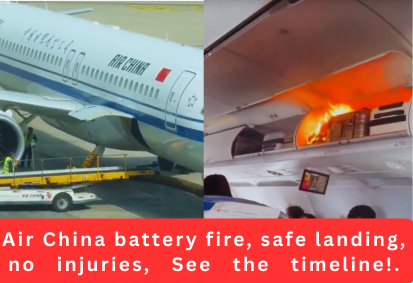 Air China battery fire, safe landing, no injuries. See the timeline
Estimated reading time: 7 minutes
Thank you for reading this post, don't forget to subscribe!Battery Fire Breaks Out on Air China Flight (What Happened and How to Fly Safer)
A battery fire on an Air China flight in October 2025 brought a tense few minutes, then a calm finish. Smoke rose from a carry-on area, the crew acted fast with gear designed for electrical fires, and the plane landed safely. No one was hurt. If you fly with a phone, power bank, camera, or laptop, this story matters. You will get a clear timeline, simple battery safety tips, and what to expect on future flights. The goal is clear heads and smart habits, not blame or fear.
Inside the Air China incident: a clear timeline from smoke to safe landing
- Route: a scheduled Air China service in October 2025.
- First sign of trouble: smoke from an overhead bin in the cabin.
- Suspected cause: a spare lithium battery in a passenger’s bag.
- Crew response: used equipment intended for electrical fires, followed checklists, moved people if needed, and kept the area contained.
- Cabin mood: tense, then calm, with firm voices and steady steps.
- Diversion: the aircraft landed safely, as multiple outlets reported in similar October events. FlightGlobal reported a lithium battery fire in an overhead bin, and The New York Times noted safe outcomes with no injuries.
- Outcome: no injuries, a delay, and an investigation.
Takeaway: training and quick action kept everyone safe.
What started the fire: suspected spare lithium battery in a carry-on
Investigators believe a spare lithium battery overheated. Damage, a short circuit, or a faulty cell can trigger heat. There is no brand or model identified. Spares belong in the cabin, not in checked bags, but they need protection from metal and crushing. A small item like a coin or key can bridge the battery terminals if they are uncovered, which can cause a short.
How the crew put it out fast
The crew did what they train for. They raised the alert, shifted nearby passengers if needed, and used the correct extinguisher for an electrical fire. They cooled and watched the device, and they managed smoke until it cleared. They followed safety checklists and kept their tone steady. Reports of similar October events show this pattern, and outcomes were safe, as noted by People’s coverage of an Air China emergency landing after a lithium battery caught fire.
What passengers saw and felt
People noticed a sharp smell and a thin wisp of smoke. A few seats shifted. Crew voices were firm and calm. Steps were clear, short, and quick. After landing, passengers praised the cabin crew for staying cool under stress. The language stayed respectful and focused on safety.
Why lithium batteries catch fire on planes, and how crews stop it
Most flights with devices are safe. Phones and laptops travel millions of miles with no issues. The risk shows up when a battery is damaged, poorly made, or packed loose. When that happens, a chain reaction can start. Planes are ready for this. Crews drill for it, and the cabin has equipment to fight electrical fires.
Thermal runaway, explained simply
Thermal runaway is a heat chain. A cell gets hot from damage or a defect. The heat spreads to nearby cells. The pack can vent gas and flame. Picture a row of matches catching one by one. Common triggers include crushing, puncture, cheap or faulty chargers, high heat, or factory defects.
Where risks hide in everyday gear
Common items with lithium cells:
- Phones, laptops, and tablets
- Power banks and cameras
- Wireless earbuds and e-cigarettes
Most flights with these items are routine. Risk rises with loose spares, damaged packs, knockoff chargers, or a swollen battery. If a device feels puffy or hot, stop using it and have it checked before you fly.
What airplanes carry and crews do when a battery smokes
Crews have training and clear steps. They use checklists, equipment for electrical fires, cooling methods, gloves for protection, and smoke control. They stay in contact with the cockpit. Order and calm matter. If your device smokes, alert the crew right away. Do not move a smoking device on your own.
How to fly with batteries safely in 2025: simple rules and smart packing
Rules change by country and airline, so check your carrier’s page before you go. The points below match common global guidance and reflect what many airlines already tell passengers. Clear reminders are likely to increase after October’s incidents, which were reported across several routes, including diversions. The Qatar CAA news brief on an Air China diversion shows the kind of official summaries travelers may see.
Carry-on rules for spare batteries and power banks
- Spares go in carry-on only. Never pack spares in checked bags.
- Protect terminals with caps or tape. Keep them from touching metal.
- Use cases or sleeves to prevent pressure and damage.
- Check the watt-hour (Wh) rating on the battery or power bank.
- Most airlines allow up to 100 Wh without special approval.
- Batteries from 100 to 160 Wh may need airline approval.
- Above 160 Wh is not allowed in passenger cabins.
- Some airlines have quantity limits or may require gate checks.
Recommended limits at a glance:
| Battery size category | Typical allowance | Notes |
|---|---|---|
| Up to 100 Wh | Allowed in carry-on | No approval usually needed |
| 100 to 160 Wh | Often allowed with approval | Quantity limits may apply |
| Above 160 Wh | Not allowed in cabin | Ship as cargo if permitted by carrier rules |
Always verify your airline’s current policy before packing.
Smart packing tips that cut risk
- Pack spare cells in individual pouches or cases.
- Keep coins, keys, and cables away from exposed contacts.
- Use quality chargers from the device maker or trusted brands.
- Do not crush bags under heavy items.
- Keep devices where you can see them in flight.
- Update device software and charge with care, not under pillows or blankets.
- If a battery looks swollen or smells odd, do not fly with it.
What to do if your device overheats or smokes in flight
- Call a flight attendant right away.
- Set the device down where the crew directs.
- Do not handle or move a smoking battery.
- Do not wrap it in cloth or try to cool it with drinks unless the crew asks.
- Follow crew instructions until the area is safe.
- After the event, wash your hands and report any burns or irritation.
After the Air China battery fire: airline response and what to expect next
Airlines treat any in-cabin fire as serious. Public reports from October show clear patterns: fast actions, safe landings, and investigations. The New York Times reported no injuries after a battery fire in an overhead bin, and FlightGlobal detailed an Air China A321 diversion tied to a lithium battery. Some coverage included photos and passenger accounts, like this summary from Times of India. Expect more reminders at check-in, security, and the gate.
Air China’s statement and ongoing review
Public statements have stressed that safety comes first, that no injuries were reported, and that investigators are reviewing the cause. This aligns with other outlets’ coverage, including People’s report on an Air China emergency landing after a lithium battery fire. Findings from such reviews often shape training refreshers and new passenger reminders.
How this may change your next flight
You may see extra checks of power banks at the gate. Staff might ask about spare batteries during boarding. Safety cards or announcements could highlight devices and batteries. Arrive a bit early. Keep batteries easy to show. Pack spares in cases, not loose in pockets or bags.
Conclusion
An Air China flight faced a cabin battery fire, the crew acted fast, and the aircraft landed safely with no injuries.
- Keep spares in your carry-on with covered terminals.
- Check Wh ratings and stay within your airline’s limits.
- Use good chargers and avoid damaged cables or packs.
- Keep devices visible in your seat area.
- Alert the crew at the first sign of heat, smoke, or a sharp chemical smell.
Before you fly, check your airline’s battery rules. A few minutes of prep protects you, your seatmates, and the crew. Fly with care, and keep your batteries safe.