

Aland Voter Fraud Scandal 2025: Rahul Gandhi vs ECI, Risks to India’s Election Integrity
Estimated reading time: 16 minutes
Thank you for reading this post, don't forget to subscribe!Aland Voter Fraud Scandal: Rahul Gandhi, ECI, and the Battle for Election Trust (2025)
Allegations of large-scale voter fraud in Aland have electrified Indian politics and put election integrity back in the spotlight. When Rahul Gandhi, backed by local Congress leaders, accused the Election Commission of shielding those behind a pattern of deleted votes and fake applicants, he sparked a firestorm. The numbers are huge and the claims are serious—thousands of names deleted, coordinated tactics, and missing data from officials.
With the Election Commission pushing back, calling these charges baseless, India’s top election watchdog is now locked in a public fight with one of the country’s biggest opposition leaders. The stakes are sky-high: trust in elections, the backbone of democracy, is suddenly up for grabs. This post breaks down exactly what happened in Aland, why the Commission’s response raised eyebrows, and what all this says about the future of public faith in India’s elections.
The Aland Voter Fraud Case: What Went Wrong
When the news first broke about huge numbers of Aland voters losing their right to vote, most people couldn’t believe it. This wasn’t just a handful of errors. Nearly 6,000 names vanished from voter lists right before the 2023 Karnataka Assembly elections. For a small town, that is a giant number. What really shook people was this: almost all of these vanished voters were Congress supporters. Let’s dig into the core details and see how things spun out of control.
Mass Deletion of Voter Names
In the weeks before the polls, reports started coming in about people’s names being deleted from the official voter rolls. The timing was suspicious. Most of those struck off were traditional Congress supporters. These weren’t errors spread randomly across parties. There was a clear pattern.
A quick look at the facts:
- Nearly 6,000 voters saw their names deleted
- Whole families found missing from the lists
- Most deletions concentrated in neighborhoods known for supporting Congress
Misuse of Form-7
So, what caused this sudden voter purge? The answer: Form-7. This form allows objections, so voters can notify election officials about people who shouldn’t be on the rolls—maybe someone moved away or passed on. But in Aland, officials found that Form-7 was misused. Instead of targeting fake entries, the form was weaponized against actual, living, legitimate voters.
Unusual patterns included:
- Large batches of Form-7s submitted at once
- Many complaints filed using the same handwriting or similar language
- Complaints with little or no proof
Timeline: How the Fraud Came to Light
The story didn’t surface overnight. It took the sharp eyes and steady work of investigative journalists and vigilant party workers to spot the problem. At first, people arrived at polling stations only to realize their names were missing. When this kept happening over and over, suspicions grew.
- Early complaints by voters were ignored or brushed aside
- Journalists began checking voter rolls street by street
- Party leaders collected statements from hundreds who had lost their votes
Late in the campaign, the numbers added up—thousands had been deleted, mostly Congress backers. This discovery made headlines and forced the issue into the national spotlight.
What Made the Changes So Suspicious
Anyone familiar with Indian elections knows mistakes happen. But this wasn’t the usual chaos. What made the Aland case different?
- The scale of the deletions was far too big to be a clerical error
- Patterns showed almost all those axed were from one political bloc
- Form-7 filings had suspicious similarities, hinting at organized action instead of random public feedback
Calls grew for a probe, with local leaders pressing for a Special Investigation Team and more demanding transparency from the Election Commission.
The Role of Investigative Journalism
This story went public only because of determined reporters who refused to let the issue slip away. Their coverage pieced together the pattern of almost surgical voter list deletions. As they compared official records and gathered interviews, the suspicions turned into a full-blown political storm, putting the Election Commission on the defensive. With every new detail, trust in the process took another hit.
For a deeper look at these events and their fallout, you can see perspectives and updates from sources like The Hindu’s editorial on the case.
This wave of missing voters in Aland is more than a numbers game. It’s a warning sign for how fragile trust can be if election processes aren’t protected from misuse.
Rahul Gandhi’s Allegations and Press Conferences
When the Aland voter fraud scandal exploded, Rahul Gandhi quickly became the loudest and most relentless critic of both the process and the Election Commission of India (ECI). His press conferences echoed across national headlines, with sharp claims and promises of proof that left political circles—and many average voters—on edge.

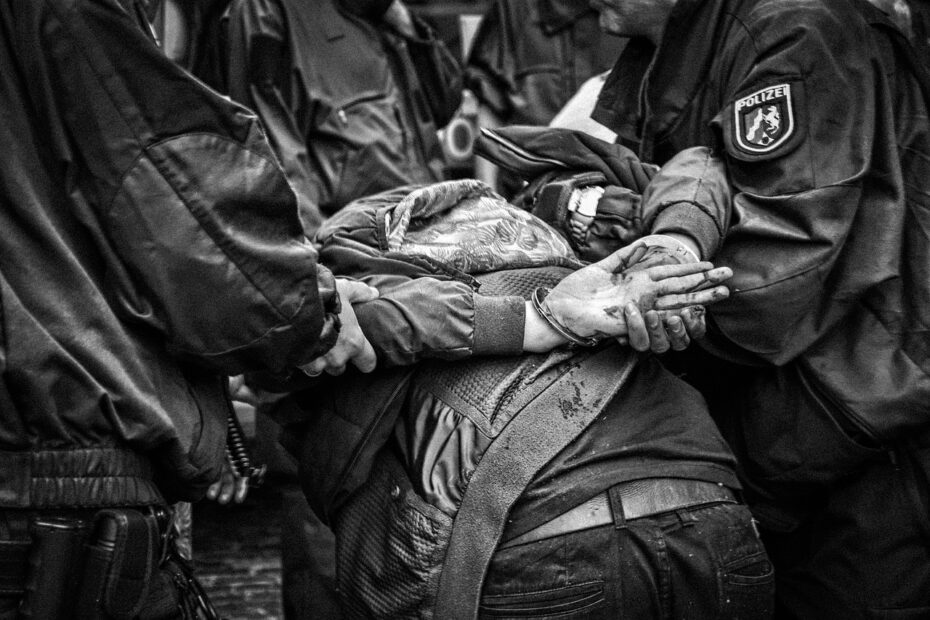
Photo by Werner Pfennig
How Rahul Gandhi Took the Lead
Rahul Gandhi’s decision to call out the Aland voter deletions was far from random. He drew on earlier warnings he made about fake voters and suspicious deletions in places like Mahadevapura, but this time, he said, the evidence was stronger. When he spoke at his press meetings in September 2025, he let the numbers do most of the talking: more than 6,000 names gone, almost all Congress voters, with many deletions showing patterns only possible through coordinated use of software.
He demanded the Election Commission stop ignoring what he called a “factory of vote chori,” turning his press briefings into pointed indictments of the country’s top poll body. Gandhi positioned himself as a voice for those erased from democracy, blending technical details with emotional appeals that grabbed attention both in the media and on the ground.
Core Claims at the Heart of His Charge
At the core of Rahul Gandhi’s allegations are four major claims that he outlined with energy and detail in his press conferences:
- A Planned Voter Deletion Scam: Gandhi said this was no accident or error, but a “centralized, systemized” operation. It targeted Congress voters by removing thousands from the rolls using organized methods.
- Use of Technology for Deletions: He accused those behind the fraud of wielding mobile phones and software to mass-delete legitimate voters. The pattern was too smooth and efficient, he argued, to be the work of routine officials working by hand.
- Political Targeting: According to Gandhi, most of the deleted names belonged to communities and neighborhoods loyal to Congress. This, he pointed out, mirrored the patterns he flagged during previous polls in Mahadevapura but stated that the Aland evidence was even more clear-cut, with more official documentation to back the charge.
- ECI’s Inaction and Alleged Complicity: Gandhi openly charged the Election Commission with shielding those masterminding these deletions. He claimed the ECI stonewalled local investigations, refused to share the full voter data, and tried to sweep the issue under the rug instead of getting to the bottom of it. In his own words, he accused the “Chief Election Commissioner of protecting the vote thieves.”
“This,” Gandhi stated at one press conference, “is not just about Aland—this is about democracy being stolen with the help of the people tasked to guard it.”
For a closer look at the specifics of his allegations and the quoted attacks on the Election Commission, check out this Times of India summary and analysis.
Demanding Transparency, Promising Proof
As Aland’s deleted voters grabbed national attention, Rahul Gandhi didn’t stop at just demanding explanations—he promised action and evidence. In front of cameras, he waved thick files and said what he had was only the start. Calling his material a “hydrogen bomb” of proof, he pledged a drip-feed of evidence over several months to pin down the entire operation. This was his way of keeping pressure on the ECI and driving headlines.
Gandhi also made it clear he would pursue this issue until the ECI opened up and let independent experts in to check the data and the technology. The mood in his pressers was direct: open up the books, answer the hard questions, or accept responsibility.
For more on the Election Commission’s response and ongoing updates, visit The Hindu’s detailed editorial coverage and this BBC news breakdown of the controversy.
Comparing Aland with Mahadevapura
This was not Rahul Gandhi’s first run-in with mass deletions in Karnataka. He referenced earlier claims about voter roll manipulation in Mahadevapura—another case where Congress alleged a systematic effort to sway the polls through technical tricks and bulk removals. But while the Mahadevapura case drew headlines, Gandhi insisted the evidence in Aland was even more thorough: more official records, more witnesses, and a clearer pattern.
He told reporters that with Aland, “the numbers cannot be brushed away, and the methods used are finally plain for all to see.” His message: this wasn’t a minor glitch, but a clear threat to the foundation of fair elections.
If you want more background or updates on the scale of this story, this live update page by The Hindu is a valuable resource.
Across every press meet, Gandhi’s words drew a line in the sand: clean up elections or face rising anger from the public—especially those who found their right to vote had simply vanished.
The Election Commission’s Response and Public Perception
The Election Commission of India (ECI) found itself facing its biggest credibility test in years after Rahul Gandhi’s explosive claims about voter fraud in Aland. With public anger rising and calls for answers growing louder, the ECI’s defense—and how it played out—has become just as big a story as the original deletions themselves. Here’s how the investigation unfolded and what it means for trust in India’s voting system.
Stalled Investigations and The Fight for Evidence
When reports surfaced of thousands of voter deletions in Aland, the Karnataka Criminal Investigation Department (CID) was brought in to unravel the truth. Right from the start, investigators zeroed in on digital evidence: IP addresses, device traces, and phone numbers tied to the mass submission of Form-7 deletion requests.
But the search for those digital fingerprints quickly hit a wall. According to multiple public disclosures, the Karnataka CID sent eighteen separate requests over eighteen months, pressing the ECI for key technical records. They wanted details like:
- IP addresses used to submit deletion forms
- Device IDs and phone numbers linked to suspicious requests
- The timing of login attempts and session histories
- OTP trails showing who authorized the changes
These digital clues are like breadcrumbs at a crime scene—they don’t just show that something happened, but help track who did it and how they worked. Without this data, proving a coordinated fraud becomes almost impossible.
A senior investigator put it bluntly: “Without cooperation from the Election Commission, our hands are tied. The technical trail stops at the ECI’s gates.” As the standoff dragged on, the investigation stalled, and public faith in the process took another hit. Even with digital forensics lined up and officers ready to push forward, the lack of shared evidence left the case at a dead end.
Why are these digital details so critical? They serve as the only hard proof in a system flooded with paper, signatures, and subjective callouts. Having each IP address and device trace can connect the dots from a false application straight to the source. Without them, the blame game continues and justice gets delayed.
Meanwhile, the Commission pushed out official statements defending their role. The ECI claimed they had followed all rules, insisting the mass deletions were mostly blocked and only a handful went through after their own checks. They even required Rahul Gandhi to sign an affidavit or issue an apology for what the ECI called baseless charges. In interviews and on social media, ECI officials went so far as to dismiss the fraud claims entirely, saying there is no evidence of wrongdoing or bias.
But here’s the sticking point: While the Election Commission did act to stop many fake deletions, it refused to hand over the one thing the CID and Congress leaders argued mattered most—the digital audit trail. The result? Police say their probe can go no further, leaving a cloud of doubt over both the investigation and the ECI itself.
Public opinion has not stood still. Reports and editorials, such as The Hindu’s critical editorial, highlight how the ECI’s refusal to share digital data and its tough public stance are eroding trust. When the institution that runs elections gets accused of stonewalling, even the best PR can’t patch things up fast.
In short:
- Karnataka CID’s probe depends on digital clues the ECI won’t share
- Evidence such as IP addresses is essential for proving fraud
- The ECI’s refusal leaves the investigation stuck
- Public trust in the election process is shaken further
For more on the ECI’s public statements and denials, see the Times of India’s coverage of the current standoff and this BBC overview of both sides.
With the facts still contested and the evidence trail cooling, the debate over Aland has done real damage to the image of the ECI—right at a time when the country most needs to believe its votes count.
What This Means for India’s Democracy
Aland’s voter fraud scandal rattles more than just the current election—it hits at the very core of what it means to have a real, working democracy in India. When nearly 6,000 citizens lose their right to vote overnight, it doesn’t just hurt one party or one community. It shakes the faith of every voter across the country. Let’s look closer at why this controversy is a wake-up call, and why open voter rolls and strong watchdogs matter for every Indian, not just those active in politics.
Open Voter Rolls: The Foundation of Trust
Think of the voter roll as the master key to Indian democracy. If the keys are switched behind closed doors or handed out unfairly, the whole house becomes suspect.
Why are open and accurate voting lists so important?
- They let every eligible citizen know their vote counts and cannot be erased in silence.
- Mistakes or manipulation make ordinary people question: will my voice get scrapped next?
- Transparency blocks bad actors from picking and choosing who gets to pick their leaders.
Without open voter rolls, trust melts away. If anyone can delete your name with a fake form and no one gives clear answers, confidence in elections collapses. As the problems in Aland show, the damage spreads fast—even honest officials and true results get doubted. The result? Cynicism and anger that can fuel unrest.
Election Watchdogs: Guardians, Not Gatekeepers
The Election Commission of India (ECI) is supposed to be everyone’s referee. When the referee looks like it’s hiding evidence or refusing to clear up mistakes, everyone gets suspicious. Democracy stops feeling fair.
For democracy to thrive, watchdogs must:
- Share data when valid concerns are raised, instead of just defending themselves
- Explain where things broke and what’s being done to fix it
- Stand above party fights, proving they serve the country and not any individual leader
The wave of anger and calls for transparency after Aland aren’t just about Congress or BJP. They are about making sure that next time, no citizen anywhere can be quietly cut out of their own democracy. Journalists and civil society groups are right to demand answers, as seen in sharp editorials like this one from The Hindu.
Why Every Indian Should Care
This is not a one-party problem. Today it’s Congress voters in Aland. Tomorrow, it could be anyone—rural, urban, rich, poor, left, right, or in-between.
Here’s what’s really at stake:
- If elections don’t feel fair, people stay home on voting day—or worse, take to the streets.
- Leaders who win shaky elections don’t get lasting legitimacy.
- Societies thrive or stumble based on whether citizens trust the rules.
No democracy runs on autopilot. It takes effort from both citizens and officials to keep things honest. That means public vigilance, hard questions, and watchdogs who answer them.
Moving Forward: The Call for Reform
Aland’s crisis is a fire alarm. India needs new rules to stop mass deletions without oversight and to fix holes in digital security. Election reforms—such as routine audits, public access to anonymized digital data, and independent checks—are steps all parties should agree on if they truly stand for the country, not just their side.
The real message? The health of India’s democracy sits on the willingness of everyone—officials, politicians, and every voter—to demand and build better, more open elections. Nobody should settle for less. Actions now set the tune for every election to come.
If you want a snapshot of the debate, including the ECI’s current reforms and ongoing criticism about transparency shortfalls, check out this feature from The Hindu and this Indian Express analysis.
Anyone who cares about India’s future—regardless of party—should be in this fight for fair, open, and trusted elections.
Conclusion
The Aland story makes one thing clear: trust in India’s elections is not automatic and can crack fast when hard questions go unanswered. When thousands of voters lose their rights overnight and the call for evidence meets a wall, everyone starts to wonder if the rules are really being followed. Honest answers and a spirit of cooperation from those running elections are non-negotiable. Silence just breeds more doubt and frustration, not just in one town or among one party, but everywhere.
Your voice matters more than ever. Stay involved, ask for open data, and push leaders to treat your vote as sacred. Watch how the Election Commission and every political figure respond when their actions are under the microscope. This isn’t just a one-time scandal—it’s a test for the values that shape India’s future.
If you have thoughts, worries, or questions, jump into the comments. Let’s keep the pressure on for fair, open elections and never let the story stop with excuses.