

Bihar Election 2025 Guide: Dates, Key Players, India Impact
 Bihar Election 2025 Guide: Dates, Key Players, India Impact
Estimated reading time: 11 minutes
Thank you for reading this post, don't forget to subscribe!Bihar’s 2025 Verdict: What It Could Mean For India’s Direction
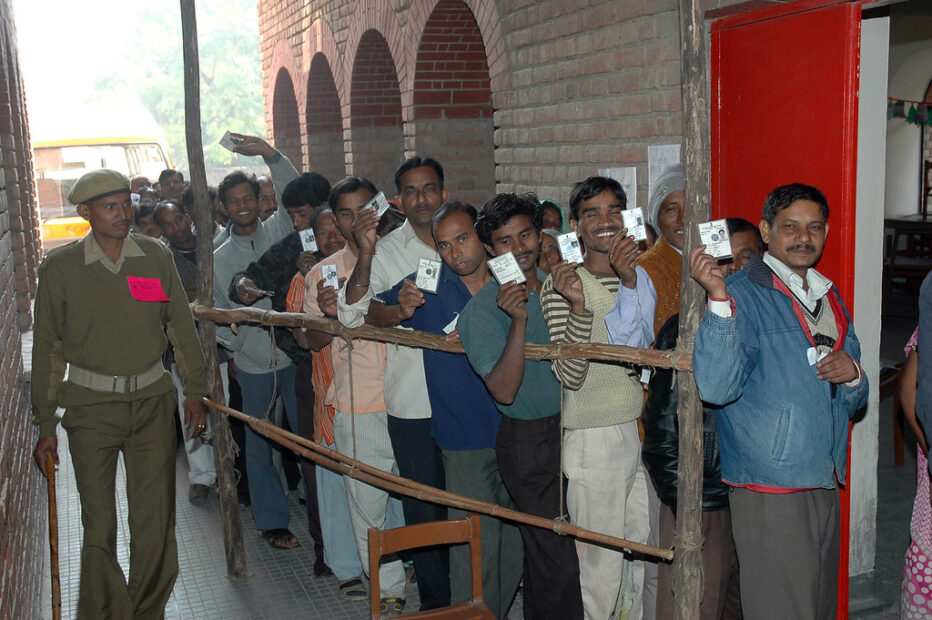
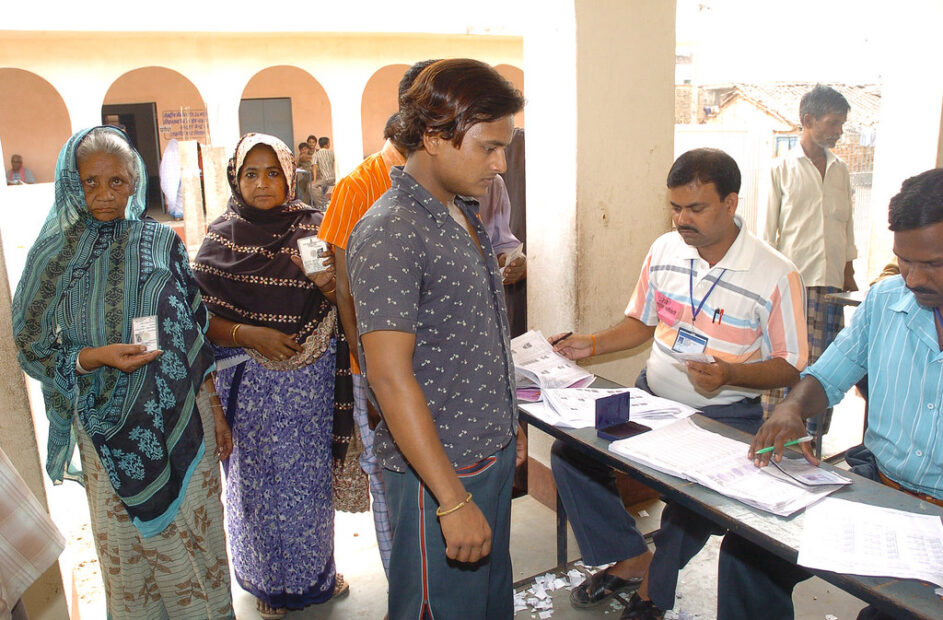
Bihar votes in two phases, on November 6 and November 11, 2025, with counting on November 14. The result will likely be clear before November 16. This is not just a state story. It can shift national mood, alliance talks, and messages that parties carry into the next cycle.
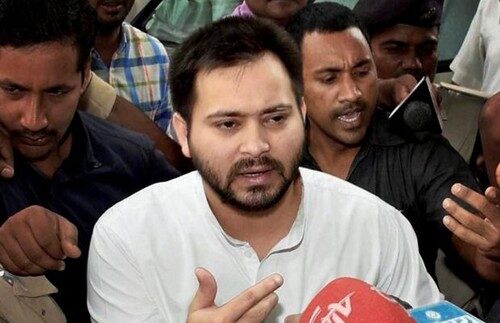
At the center of this contest sits Bihar election 2025, a high-stakes test for three camps: the NDA led by Nitish Kumar with BJP as a key partner, the Mahagathbandhan led by Tejashwi Yadav and the RJD with allies, and Jan Suraaj, the new party led by Prashant Kishor. The pitch is simple on the surface, jobs and safety versus social justice and change, but the subtext runs deep, from caste blocks to youth migration.
If you want a clean read, this guide breaks down who is fighting, what voters care about, and how the outcome could guide India’s next steps. You’ll get clear scenarios, signs to track on results day, and the policy shifts that may follow.
Bihar election 2025: dates, key players, and why it matters for India
Bihar votes in two phases, on November 6 and November 11, 2025. Counting is on November 14. Expect results to be known before November 16.
Three formations define the race:
- NDA, led in the state by Nitish Kumar with BJP partners. Their pitch leans on governance, safety, roads, welfare delivery, and steady ties with the center.
- Mahagathbandhan, led by Tejashwi Yadav’s RJD with Congress and others. Their message centers on jobs, public hiring, and social justice.
- Jan Suraaj, led by strategist-turned-politician Prashant Kishor. It positions itself as a fresh choice with youth-first ideas and can split votes in close seats.
Campaign frames are clear. The NDA asks for continuity on development and law and order. The opposition presses on unemployment, migration, and fairness in hiring. Jan Suraaj tries to break old loyalties with a promise of clean delivery and local jobs.
Congress’s energy in Bihar hinges on its leadership footprint. Rahul Gandhi’s lower presence in the state can sap momentum for Congress on the ground, which matters for booth work and seat-level coordination.
For live updates and formal schedules, bookmark the Election Commission of India at https://eci.gov.in.
Election timeline and what to expect on each date
- November 6: Phase 1 voting in selected regions.
- November 11: Phase 2 voting covers the remaining assembly seats.
- November 14: Counting day. Early trends by mid-morning, clearer picture by afternoon.
Staggered voting can shift momentum. If Phase 1 shows heavy turnout for one side, it may energize volunteers, affect media tone, and nudge fence-sitters in Phase 2.
Early turnout signals mood, not seats. For example, if youth-heavy constituencies report strong turnout by midday, parties that stress jobs could be gaining. But take care. Turnout needs context, such as weather, festival timing, and local candidate pulls.
Who is in the fight: NDA, Mahagathbandhan, and Jan Suraaj
- NDA: Nitish Kumar’s JDU with BJP and smaller allies. Core message: stability, safety, roads, electricity, welfare. They stress delivery and center-state synergy.
- Mahagathbandhan: Tejashwi Yadav leads RJD with Congress and partners. Core message: jobs for youth, public hiring, dignity and social justice, better services in schools and hospitals.
- Jan Suraaj: Prashant Kishor’s party fields new faces and claims a caste-neutral appeal. It pushes a youth and jobs-first platform. It may act as a spoiler in tight races by cutting into both sides, depending on the seat.
Public interest is high because the contest looks close in many regions. A clear outcome could set the tone for national narratives through 2026.
Top issues for voters: jobs, migration, law and order, corruption
Jobs sit at the heart of Bihar’s politics. A lack of local industry and weak formal hiring push many young people to other states for work. When a district trains nurses or electricians, but there are few local openings, talent leaves. The ballot becomes a judgment on who can build local demand.
Law and order shapes daily life. Shopkeepers need safe markets. Families want fine-grained policing that prevents small disputes from becoming large. Better safety can extend business hours and create more work at night, which adds to the local economy. Crime statistics and policing outcomes matter, and you can study nationwide patterns with the NCRB at https://ncrb.gov.in.
Corruption claims and scheme misuse keep voters alert. People want clean records, direct benefit transfers without cuts, and audits they can trust. Parties also trade barbs on past governance, from roads and bridges to teacher hiring and health coverage.
Why Bihar signals India’s next steps
Bihar can shift national mood because it is large, politically active, and coalition heavy. A strong showing by the NDA would signal continuity and add weight to the center’s agenda. An opposition win would add spring to their step across states and reshape alliance negotiations. A close or fractured verdict could bring fresh math, new seat deals, and a slower policy rhythm.
For a wider view of state finances and policy across India, PRS India is a useful reference at https://prsindia.org.
Possible outcomes and how each path could guide India’s direction
Three clean scenarios frame what comes next. Each scenario has a different pattern for center-state ties, budgets, and national storylines.
If NDA wins: policy continuity and stronger center-state links
- Expect steady focus on roads, power, policing, and welfare delivery. Flagship projects can move faster with less friction.
- Central funds and schemes may flow more smoothly, with joint branding and shared credit.
- National story: stability, control, and steady governance for the ruling bloc. It can help them claim that continuity pays.
If Mahagathbandhan wins: opposition energy and welfare focus
- Push for public hiring drives, stipends, and local job creation. Expect talk of teacher and health worker appointments, plus support for small units.
- Expect more pointed debates with the center on funds, rules, and state discretion.
- National story: oxygen for a broad opposition front. This can lift morale in other states and reshape seat talks.
If a fractured mandate: coalition churn and slower decisions
- Smaller parties gain leverage in cabinet seats and portfolios. This invites negotiation at each step.
- Policy cycles may shorten, and mid-course changes become common. Investors and administrators wait for clarity.
- National story: uncertainty, fresh alliance math, and a test of who can manage churn.
Key signs on results day: turnout, youth, women, caste swings
- Track early seat leads by region. Watch whether one alliance piles up leads in its strongholds.
- Watch youth-heavy seats for job-led swings. A sudden tilt there may hint at a broader pattern.
- Look at women’s turnout, which often signals trust in welfare delivery, safety, and daily services.
- Note shifts in swing OBC and EBC pockets. Small swings here can flip many seats.
Policy shifts to watch after the Bihar result
The ballot shapes policy. Here are the changes that could touch daily life, with ripple effects beyond Bihar.
Jobs and industry: MSMEs, agro hubs, and local manufacturing
Bihar’s job story depends on small factories, food processing, and logistics. Think grain drying units, dairy chains, cold storage, and packaging. When agro hubs meet the farm belt, local work rises and migration can slow.
- Cluster parks can group suppliers, cut freight, and improve quality control.
- Food processing units can raise farm incomes while hiring locally.
- Lower power costs, faster approvals, and easier credit help MSMEs grow.
Simple example: a cluster for makhana processing near ponds cuts spoilage, adds value, and keeps profits in the district.
Skilling and education: keeping students in Bihar
Youth need training that maps to local demand. ITIs, nursing colleges, construction skills, and agri-tech can tie directly to nearby employers.
- Upgrade state colleges with labs and internships. Align courses with local clusters.
- Create clear pathways from classroom to shop floor, clinic, or site.
- Use one simple metric, placement rate within the state. Publish it each term.
When a college’s nursing graduates find jobs in district hospitals, the whole town feels the benefit.
Law and order and social trust: safety, justice, and harmony
Safety builds confidence. Confidence builds commerce.
- Fill police vacancies, train for community work, and use CCTV in high-traffic areas.
- Speed up trials for routine cases to cut backlog. Even small gains help.
- Support peace committees that resolve local disputes early.
A safer town keeps its shops open longer. Night shifts start to make sense. Delivery jobs grow. It adds up.
Welfare and delivery: better targeting and clean records
People care less about big slogans and more about money in their account, on time, with no cuts.
- Focus on DBT, ration, housing, and health cover. Make processes simple.
- Run time-bound audits that citizens can read. Use simple charts and language.
- Publish dashboards that show how many got what, by block and panchayat.
A transparent ration dashboard can calm rumors and keep trust high.
Roads, rail, and flood control: building for growth and climate risk
Connectivity and safety drive growth together.
- Build rural roads to nearby markets and last-mile bridges that cut travel time.
- Upgrade rail routes used for daily travel and freight. Better schedules help both workers and traders.
- Invest in flood embankments, drainage, and early warning, especially in the north districts.
One repaired culvert can save a harvest. One bridge can unlock a cluster of villages for trade.
Caste and coalition math in 2025, explained simply
Caste blocks shape how parties choose candidates and form alliances. What matters most is trust. People evaluate tickets, local leaders, and delivery on promises more than slogans.
OBC and EBC voters: the swing engine
EBC groups often decide close seats. They weigh who shows respect, gives local leadership space, and delivers benefits without bias. Welfare delivery at the booth level can matter more than big speeches at a rally ground.
Yadav, Kurmi, and Koeri blocs: alliance strengths and gaps
Parties begin with base strengths. Yadav voters often lean toward RJD. Kurmi support has been a pillar for JDU. Koeri votes can vary by candidate and region. In a tight race, the candidate’s personal standing, local work, and resolve in crises can flip a seat.
Dalit and Mahadalit votes: outreach and respect on the ground
Real work beats promises. Hostels for students, scholarships that arrive on time, land rights where possible, and fair access to housing schemes build trust. The role of community leaders and panchayat links is central to turnout and consolidation.
Minority and upper-caste votes: what may shift and why
Security, jobs, and fair access to state services drive choices here. If smaller parties split votes, margins can swing fast. In a seat that was decided by a few thousand votes last time, even a small split can rewrite the story.
The national picture: how Bihar can reset party strategies
Bihar’s message travels. A clear NDA win will sharpen the ruling bloc’s case for stability and execution across states. An opposition victory will power new seat deals, unify messaging on jobs, and push for more state autonomy in schemes. A split mandate will test coalition skills and encourage fresh experiments, from shared tickets to rotating leadership.
Parties will also track turnout patterns. If youth-focused seats tilt, expect more talk on public hiring and MSME credit. If women’s turnout is strong, welfare and safety will stay front and center. If EBC pockets swing, ticket distribution and local leadership choices will be recalibrated in other states too.
What to watch in the media, and how to filter noise
Poll talk gets loud, but you can stay calm and focused.
- Separate seat buzz from statewide trends. Ten loud seats do not define 243.
- Look for consistent signals across regions, not one big rally or one viral clip.
- Follow official turnout data and compare with 2020 patterns where possible.
- Treat early exit chatter as raw sentiment, not fact. Trust formal numbers on counting day.
For verified schedules, model codes, and formal updates, use the Election Commission’s site at https://eci.gov.in.
Conclusion
Bihar votes on November 6 and November 11, with counting on November 14. Three camps define the race: NDA with Nitish Kumar and BJP, Mahagathbandhan led by Tejashwi Yadav, and Jan Suraaj led by Prashant Kishor. The outcome could shape India’s next steps in three clean ways: NDA win and continuity, opposition win and renewed energy, or a split that brings churn.
Keep your eye on a few simple cues: youth-heavy seats, women’s turnout, and EBC swings. Wait for official numbers. Filter noise with a steady lens. The prize is not the loudest claim, it is clarity. Which issue matters most to you, jobs or safety?