

Newstips Evening Digest: Bihar Voter List 2025 Final: 48 Lakh Removed.
 Newstips Evening Digest Bihar Final Electoral Roll 2025, 48 Lakh Removed (Check the relates point referance link)
Estimated reading time: 10 minutes
Thank you for reading this post, don't forget to subscribe!Newstips Evening Digest: Bihar Final Electoral Roll 2025, 48 Lakh Removed (Check the relates point referance link)
Bihar is buzzing. From tea stalls in Gopalganj to busy lanes in Patna, the talk is all about the final electoral roll. After a rigorous SIR clean-up, 48 lakh ineligible names are out. The count now stands at 7.42 crore voters, a sharper, cleaner list for the road ahead.
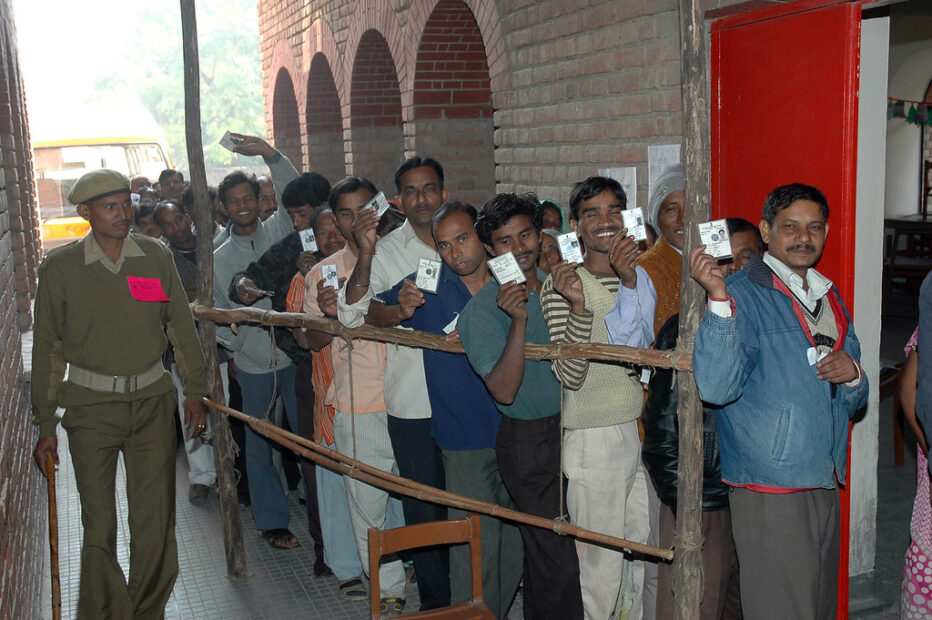
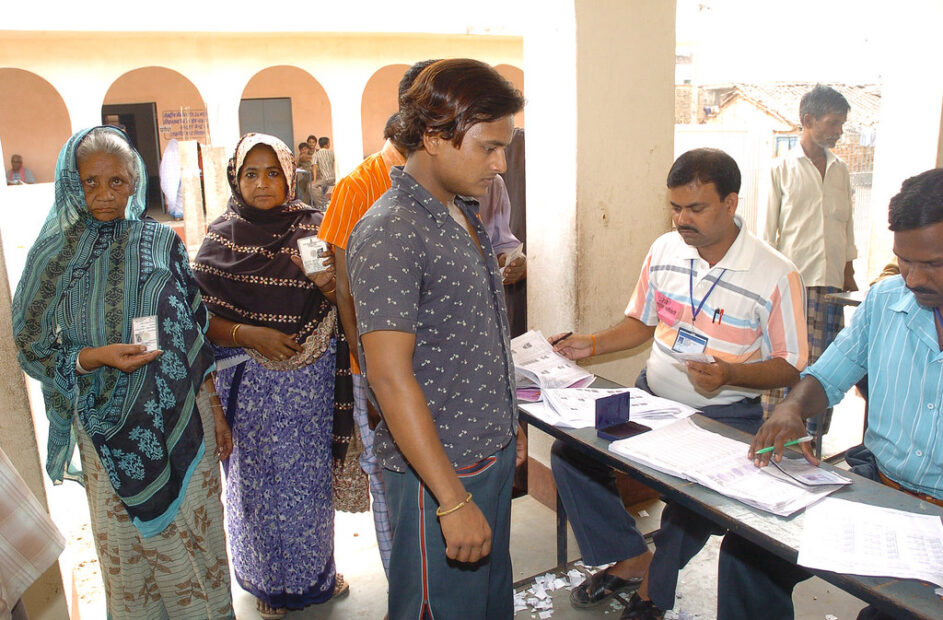
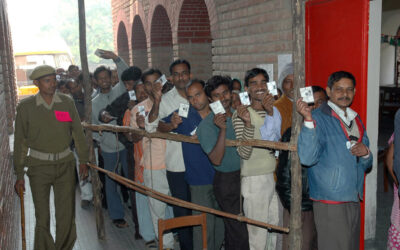
This is more than numbers. It is trust built voter by voter, street by street. Booth workers are checking slips, young voters are lining up for fresh IDs, and families are confirming names together. The state is bracing for a big season, with sharper rolls and higher scrutiny.
Today’s round-up brings more than Bihar. A powerful blast rocked Quetta, outside a security force HQ, with shockwaves across the border. In Washington, H-1B and broader US visa talks are back in focus, with policy notes and tough soundbites shaping the jobs debate for Indians.
We will keep this crisp, so you can get what matters fast. What changed, why the list was cleaned, who got added back, and how to verify your entry. If you need steps, forms, or district contacts, Check the relates point referance link for guidance.
Stay with this evening digest for the top lines and the fine print. Bihar’s roll is set, the stakes are high, and the mood is electric in villages and cities alike. For deeper context and source details, check related point reference links inside.
Bihar’s Voter List Gets a Major Overhaul: What’s New After SIR?
Bihar’s Special Intensive Revision (SIR) started on June 25, 2025 with a clear goal, fix old lists, add first-time voters, and remove invalid entries. The final roll now stands at 7.42 crore, down from 7.89 crore. Behind these numbers are home visits, booth meetings, and lakhs of forms checked line by line. Is your name on the list? If you are unsure, Check the relates point referance link in this digest and verify today.
How the SIR Process Worked Step by Step
The story began on June 25. Teams fanned out across wards and villages, meeting families at their doorstep. They checked ages, addresses, and duplicates. Missed the team? People filed claims and objections online and at help desks. The August draft list showed about 7.24 crore names, a snapshot before the final clean-up.
- Door-to-door checks: Officials matched voter slips with proofs families keep in steel trunks. Many showed school IDs, Aadhaar, or death certificates of elders who passed away.
- Online window: Claims came in through forms and the portal. Young people used their phones to register, often with help from college volunteers.
- Party observers: Parties watched the process at the booth and district level. They got daily lists, flagged errors, and pushed corrections.
- Court oversight: Cases reached the courts, which asked all sides to help bring back eligible voters fast. The Supreme Court even called on parties to assist those excluded, with a focus on easy online filing. See the context here: Supreme Court ropes in political parties to help ECI.
The Election Commission kept saying one thing, no eligible voter should be left out. It praised people, officials, and parties for the hard work that made the final roll possible. For the official summary of the SIR, read the Commission’s note: Special Intensive Revision of Electoral Rolls in Bihar.
Impact on Bihar’s Elections: Who Got Added or Removed?
The final picture is clear and big. Bihar’s list fell from 7.89 crore to 7.42 crore. That happened because 69 lakh names were removed, while 21.53 lakh new voters were added, mostly 18 to 19 year olds who will vote for the first time.
Why the cuts? In simple words:
- People passed away, about 22 lakh.
- Many moved for jobs or marriage, about 36 lakh.
- Some names were duplicates across booths or districts, about 7 lakh.
- Very few cases were bogus deletions, which were corrected during the claims period.
Even after the deletions, the youth wave changed the balance in many booths. Colleges, ITIs, and coaching hubs saw long lines for forms. This is why you see a net drop in total voters but a fresh edge in the age mix. That is good for clean polls and fair competition. If you want a step-by-step on checking your entry, this guide helps: EC publishes final roll and how voters can check details.
Your takeaway:
- Bihar final electoral roll 2025 is sharper, younger, and better aligned with the ground reality.
- If your family has migrated or lost a loved one, the change will show.
- Share with friends how these updates may shape your seat. New voters can shift margins.
Reactions from Parties and What It Means for Voters
Politics followed the numbers. The BJP taunted the Congress for public barbs without formal complaints. The Commission said parties had full access to draft lists and data, and that no official complaints came during key windows in many places, which points to broad acceptance of the process. For a snapshot of the Commission’s stance on party feedback, see this report: No complaints received from political parties on Bihar draft rolls.
The ECI thanked voters, party workers, and booth teams. Cleaner rolls mean fewer disputes on polling day, faster queues, and more trust in the count. A tight list also makes it harder for anyone to misuse old or wrong entries.
What to do next if a name is missing?
- Search your name on the portal: voters.eci.gov.in (link contains the official portal).
- If your name is not found, file a claim with Form 6 for inclusion or Form 8 for correction.
- Keep a soft copy of ID and address proof ready. Use your phone if you cannot visit a center.
- Track your application number and follow up with the local booth level officer.
Is your name on the list? Check today, remind your family, and confirm your booth. A few minutes now can save a long wait later.
Blast Rocks Pakistan: Details on the Quetta Security HQ Attack
A powerful explosion hit Quetta, outside the Federal Constabulary headquarters. The shock was instant, the sound carried across the city. Windows shattered, cars burned, and smoke rose in thick plumes. The attack points to a hard security test in Pakistan’s southwest, a region already strained by frequent strikes on troops and police.
For readers in India, this matters. Balochistan borders Iran and Afghanistan, and violence there often ripples through trade, transit, and regional policing. Agencies in both countries usually raise vigilance after such blasts. For reported timings, casualty figures, and initial leads, see detailed coverage by Reuters: Suicide blast targeting Pakistan paramilitary kills 10. For a quick Indian news wrap, The Times of India has a concise brief: Massive blast rocks Quetta. For fresh updates in this digest, Check the relates point referance link inside.
What Happened and Early Reports
A car bomb exploded outside the Federal Constabulary HQ in Quetta on September 30. Officials said at least 10 people were killed and more than 30 were injured. Witnesses reported a shootout near the gate before the blast. Security forces sealed the area, pulled survivors to safety, and moved the wounded to hospitals. Nearby buildings suffered heavy damage, with glass and debris scattered across the road. No group claimed responsibility in the first hours. Police and bomb squads began combing the site for parts of the vehicle and detonator. Early updates matched what local channels aired, with alerts urging commuters to avoid the zone. Reuters and local outlets kept casualty figures under review as hospitals updated lists.
US H-1B Visa Lottery Insights from Trump’s Team
The H-1B is the primary U.S. work visa for specialty jobs, usually in tech, engineering, and research. Demand far exceeds supply, which is why there is a lottery. For many Indian IT and STEM graduates, the draw can feel like a coin toss after years of study and on-the-job training. A senior Trump aide has now signaled changes that put skill and pay at the center of selection. For context, see this concise update on the comments and timing in a News18 report on the aide’s statements. If you plan to apply, save the official guidance hub here: USCIS H-1B FAQ. For step-by-step help and forms, Check the relates point referance link in this digest.
Key Points from the Aide’s Statements
The aide frames the goal in simple terms: hire the best, keep the process fair, and reduce random outcomes. The message lands with Indian professionals who spend years building skills, only to see applications ride on chance.
- Support for merit-based selection: The aide backs a shift toward picking candidates with higher skills, stronger pay, and advanced degrees. That could mean greater weight for roles that demand deep expertise. Picture a Chennai machine learning engineer with a U.S. master’s degree and a top-tier offer. Under a merit-first approach, that profile may rise above a pure lottery.
- Criticism of the current lottery: The aide called the current draw confusing and open to gaming through multiple registrations. Many applicants from India know this pain. One skilled tester from Pune might lose out while a lower-skill role slips in. The aide’s line is clear, reward scarcity skills, not luck.
- Potential reforms and timeline hints: Signals point to a system that favors higher wages, specialized roles, and advanced credentials. The aide suggested fixes before 2026, with clarity well ahead of new filing windows. For a broader policy backdrop and recent actions touching nonimmigrant workers, review the USCIS H-1B FAQ, then Check the relates point referance link in this story for local guidance and updates.
What this means for India’s talent export: A merit-first tilt aligns with the strength of India’s STEM pipeline. Big IT services firms and fast-growing startups train at scale, while top graduates from IITs, NITs, IIITs, and private universities push into AI, cloud, and chip design. If pay and skill rank higher, skilled applicants with clear project impact and strong pay bands could see better odds.
A quick refresher: H-1B lets U.S. companies hire in jobs that need specialized knowledge. The annual cap is fixed, demand is not, which is why a lottery exists. Example, a cybersecurity analyst from Bengaluru with 5 years of zero-day response work might wait two or three seasons to clear the draw. A fairer skill filter could shorten that wait for profiles that meet hard-to-find needs.
Your next steps:
- Keep your resume crisp, quantify impact, and line up strong employer documentation.
- Track official notices, not hearsay. Start with the USCIS H-1B FAQ.
- For local filing tips, timelines, and forms, Check the relates point referance link included in this digest.
The bottom line is steady and positive. If reforms reward skill, pay, and real shortages, Indian professionals who bring deep expertise will be well placed.
Conclusion
Bihar’s final roll signals a cleaner, fairer contest, powered by hard fieldwork and clear rules. Fewer ghost entries, more first-time voters, and stronger booth data lift trust. That is how democracy grows, one verified name at a time.
The Quetta blast is a sober reminder of the region’s fragile security. Smart vigilance at home and steady news awareness matter for every family and business. Stay informed, stay calm, and keep your focus on facts.
Visa talk out of Washington offers a different kind of hope. If skill and pay guide picks, India’s talent can find wider doors abroad, while still building at home. Plan ahead, track official notices, and prepare strong files.
Now take a simple step. Search your name on the voter portal today, help your family check, and save your booth details. For sources, forms, and steps, Check the relates point referance link. Share your thoughts in the comments and tell us what you found.
Informed citizens shape outcomes. Let this evening’s digest move you from headlines to action.