

Bihar Voter List Errors 2025: Living Declared Dead, Missing Names, and Voter Rights Crisis
 Bihar Voter List Errors 2025: Living Declared Dead, Missing Names, and Voter Rights Crisis
Estimated reading time: 19 minutes
Thank you for reading this post, don't forget to subscribe!Bihar’s Voter List Mistakes: When the Election Commission Declared the Living Dead (And What It Means for 2025)
Bihar’s Special Intensive Revision (SIR) of electoral rolls ahead of the 2025 assembly elections is an immense and contested task. This process aimed to update the voter list by verifying details of nearly 79 million registered voters, removing those marked as deceased, duplicates, or migrants. Yet it also revealed glaring inaccuracies—thousands of living voters, sometimes entire households, have been wrongly marked as dead or missing, while many entries continue to list deceased persons.
The scale of this revision is unprecedented, with over 6.5 million names deleted from the draft rolls, stirring concerns about the impact on democratic rights. Citizens have faced hurdles in proving their eligibility, especially where routine documents like Aadhaar or voter ID were not accepted. As a result, many eligible voters worry about being excluded from the final list, sparking legal challenges and a broader debate about electoral transparency and fairness in Bihar.
Background and Context of the Voter List Revision
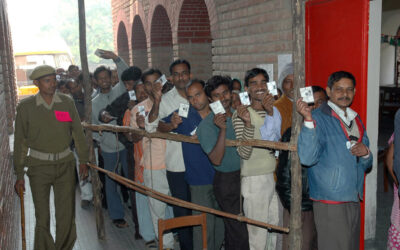
Bihar’s electoral landscape has entered a phase of intense scrutiny, with the Election Commission of India (ECI) launching a Special Intensive Revision (SIR) of the voter list ahead of the 2025 assembly elections. This revision was not just an administrative update, but a comprehensive exercise targeting inaccuracies in a huge database — nearly 79 million registered voters. The scale alone is staggering, but the stakes are even higher, aiming to protect the fundamental right to vote and uphold the integrity of Bihar’s democracy.
The voter list needed this overhaul because over time, it had become cluttered with outdated or incorrect entries. Absentees who moved away, individuals wrongly recorded as dead, duplicates and shifted voters had distorted the rolls. Such discrepancies threaten democratic fairness, making it crucial to cleanse the list thoroughly. The revision was ambitious: remove these irrelevant entries while making sure every eligible citizen is recognised and included.
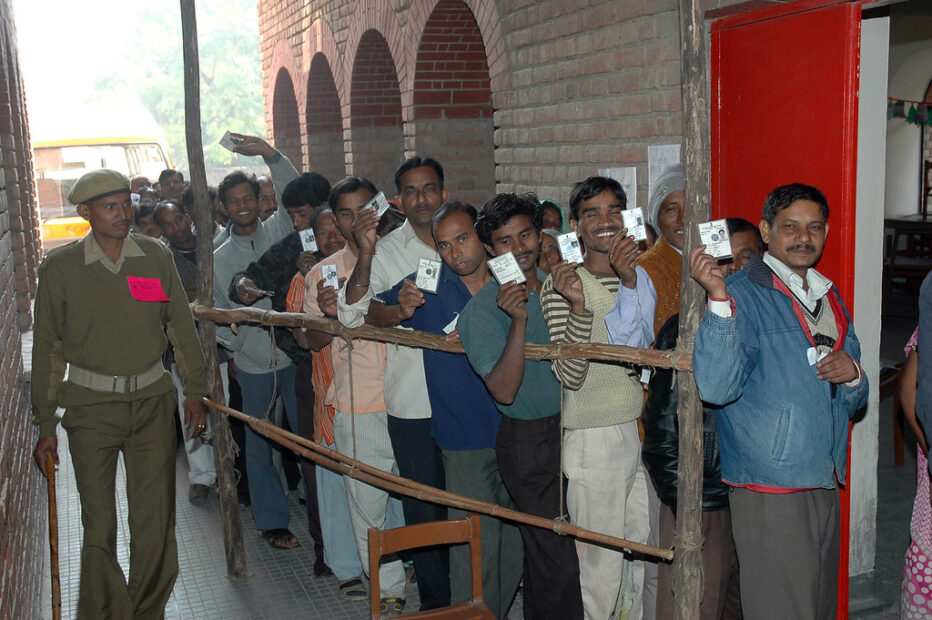
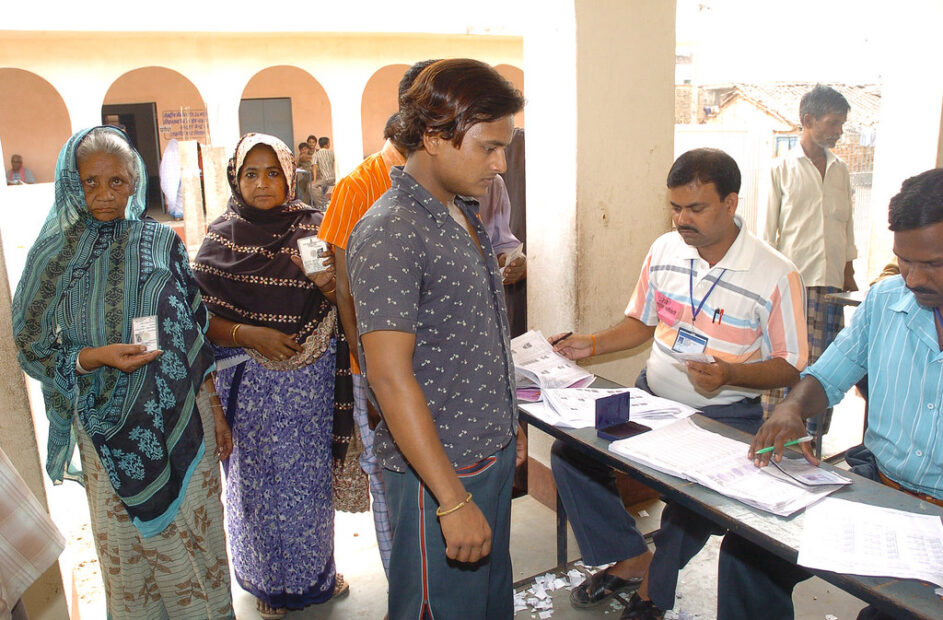
The Election Commission set out clear goals for this revision: identify and delete ‘ASD’ entries — Absentees, Shifted, and Dead voters — and ensure total accuracy. But the process also meant verifying millions of entries with proof of identity and residence, requiring cooperation from citizens across the state. House-to-house verification became a massive exercise where officers and data volunteers checked documents, recorded information, and sought clarifications to confirm who was rightfully on the list.
By mid-2025, the Commission reported that over 6.5 million names had been deleted from draft rolls because they were confirmed as ASD or duplicates. This figure gives an insight into just how outdated the electoral register had become before this revision. The process also involved publicising these deletions for transparency and to allow claims or objections, which led to discovery of many more errors—some voters alive and active had inexplicably been marked dead.
The revision wasn’t without challenges. Many questioned the criteria for deletion and feared potential disenfranchisement. Citizens often struggle to produce required documents such as Aadhaar or voter IDs due to various reasons. This created obstacles for eligibility proof during the revision, stirring controversy and demands for clarity from the Election Commission.
Through this exercise, the Election Commission aimed to build a voter list that truly reflects the current population and prevents electoral fraud. Bihar’s election officials brought together old-school verification with modern data processing to meet the project’s scale. The SIR process stands as a vital reminder that elections are only as fair as the accuracy of the lists that underpin them.
For a detailed view on the deletions and public reactions, the Election Commission has made the list of removed voters publicly available to encourage transparency and involvement.

Photo by Sora Shimazaki
The Scope and Scale of Anomalies in Bihar’s Voter List
Bihar’s recent voter list revision to prepare for the 2025 assembly elections has uncovered numerous troubling errors. These mistakes range from the deletion of millions of names to dead voters still listed as active. The most distressing part is the number of living voters wrongly tagged as deceased, an error that shakes the trust in the electoral system and causes real harm to ordinary citizens. Examining personal stories reveals the human cost behind these numbers, while scrutiny of the local verification process by Booth Level Officers (BLOs) sheds light on procedural weaknesses that allowed these mistakes to flourish.
Voices of the Affected: Living Voters Declared Dead
When democracy marks you as dead, the confusion and frustration are overwhelming. This is the reality for many in Bihar today, including individuals like Mary Toppo, Satyanarayan Rai, and Urmila Devi, whose names have been wrongly removed or tagged deceased on the voter list. Mary Toppo, a resident of Bhojpur, was shocked to find herself struck off as “dead” despite voting in every election. She describes the anguish of being denied a fundamental right through a clerical error — a silent erasure from the democratic process.
Satyanarayan Rai from Muzaffarpur shares a similar story. His voter ID was stamped “deceased,” yet he continues to live and participate actively in community affairs. Urmila Devi of Samastipur faced immense hurdles trying to rectify the record. She was forced to provide multiple rounds of documentation and endure significant delays, causing distress every time election day approached.
These cases are not isolated. Across Bhojpur, Begusarai, Muzaffarpur, and Samastipur districts, hundreds of voters report similar errors. The impact is both emotional and practical: confusion over one’s status creates anxiety about disenfranchisement, and extended bureaucratic battles often discourage affected citizens from pushing for their rights. The very system meant to ensure free and fair elections instead threatens to silence a portion of the electorate through mistakes that reflect a serious lapse in record-keeping.
Inconsistencies in BLO Verification Procedures
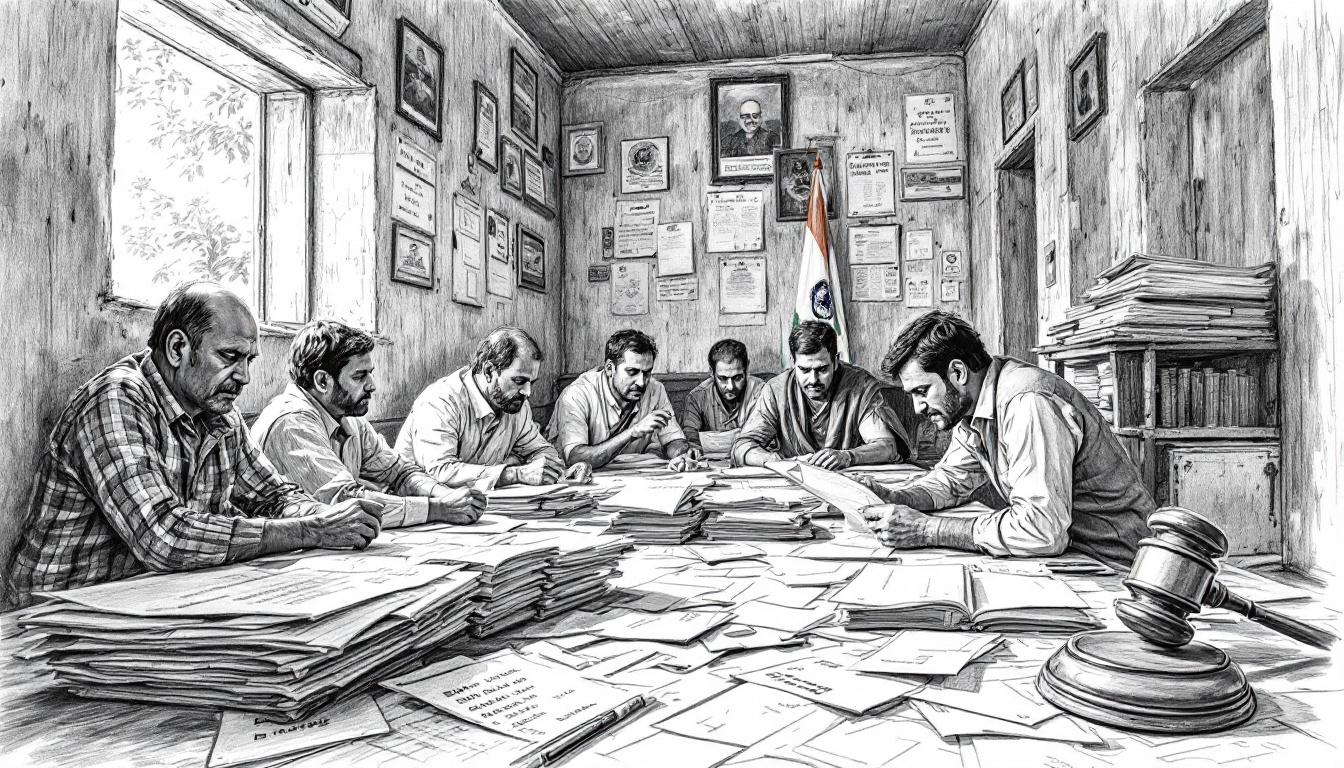
Booth Level Officers (BLOs) serve as the frontline guardians of the voter verification process. Their role in conducting home visits and confirming voter identities is vital to maintaining the accuracy of electoral rolls. Yet, multiple reports suggest that many BLOs failed to carry out these duties properly during the revision. In several areas, BLOs skipped house visits altogether or conducted superficial checks that overlooked critical errors.
More troubling are accounts of BLOs refusing to engage with local media or election observers on record, creating a lack of transparency. When questioned, some BLOs avoided answering or gave inconsistent explanations, undermining public confidence in the verification process. This reluctance to communicate openly indicates systemic issues in accountability.
The inadequate verification by BLOs has directly contributed to the wrongful deletion of living voters. Absence of due diligence, coupled with poor record maintenance, means errors were not caught or corrected early. This failure impacts thousands, making it easier for genuine voters to be removed mistakenly while some obsolete entries remain unchecked.
It’s clear that strengthening BLO training, ensuring regular audits, and fostering transparency could prevent these problems. Implementing stricter supervision during verification and enabling citizens to report grievances directly to higher election authorities would build a more reliable system. Until these reforms take place, the threat of erroneous removals and mismarked voter records will persist, eroding the foundation of Bihar’s electoral process.
For those interested in how voter list revisions have triggered debates and affected voter rights in Bihar, this article from Bhaskar English offers an insightful account of the ongoing challenges.
Administrative and Legal Responses to Bihar’s Voter List Controversy
The public outcry over the wrongful deletion of voters in Bihar’s Special Intensive Revision (SIR) process has compelled the Election Commission of India (ECI) and the judiciary to step in with clearer measures. The administrative efforts focus on transparency and correction, while legal scrutiny probes deeper into electoral fairness. Both fronts aim to restore trust in the system and ensure citizens aren’t disenfranchised before the 2025 elections.
Public Access to Voter List Updates and Their Limitations
One of the Election Commission’s earliest responses was to make the entire list of deleted voters publicly accessible. This includes the names of over 6.5 million people removed from drafts as Absentees, Shifted, or Dead (ASD). What seemed like an act of transparency soon revealed other challenges.
The voter deletion lists are available online on official election websites and are also published in local election offices across Bihar’s districts. This dual availability was intended to broaden public reach, allowing affected individuals to check their status without having to depend on intermediaries.
Despite this effort, many citizens face practical hurdles:
- Digital divide: Not everyone has easy internet access, particularly in rural areas where the majority live.
- Bureaucratic confusion: Local offices can be overwhelmed, and understanding which form to submit (usually Form-6 for inclusion or correction) remains unclear for many.
- Time constraints: The revision process leaves a narrow window before finalising the rolls, making timely corrections difficult.
- Documentation challenges: Many voters struggle to produce the necessary ID proofs that the Commission insists on, such as Aadhaar or previous voter IDs.
These issues risk disenfranchising those who are either unaware of their deletion or unable to navigate the correction process efficiently. The public listings, while a step forward, only partly ease the burden on voters.
The Election Commission has repeatedly urged citizens to lodge claims and objections with proper Forms (like Form-6) to address errors. Officials in districts have made statements emphasising cooperation and patience, but the speed and scale of the process mean some still slip through the cracks.
Providing the names online is a breakthrough in transparency, a move emphasised by the Supreme Court. But it also highlighted just how complex electoral roll management can be across a vast population with varying degrees of literacy and technology access.
For deeper insights into these published lists and public response, The Hindu’s detailed coverage on the Election Commission’s publication of deleted voters offers an authoritative look.
Judicial Oversight and Political Reactions
The controversy surrounding Bihar’s voter list revision soon drew judicial attention. The Supreme Court of India took up the issue to oversee the process and safeguard voters’ rights. It directed the Election Commission to publicly disclose the list of deleted voters within 56 hours of the hearing and demanded explanations for every deletion. This judicial vigilance is crucial in a situation where errors directly affect citizens’ democratic rights.
Opposition parties have been vocal, accusing the Election Commission of political bias and deliberate disenfranchisement aimed at weakening certain voter blocks, especially among marginalised communities. They argue that the deletion process disproportionately impacts poorer and rural voters who find it harder to prove their identity within strict timelines.
The court’s involvement also reflects worries about the long-term impact on electoral participation. When people lose faith that the system treats them fairly, voter apathy or alienation grows. By ordering transparency and monitoring corrections, the judiciary acts as a check against administrative excess and potential misuse.
Meanwhile, political leaders and activists continue to demand more clarity on the revision criteria. They call for safeguards that would protect legitimate voters from being excluded due to data mismatches or clerical errors.
This legal scrutiny, coupled with civic pressure, has forced the administration to take corrective steps. District magistrates now have increased responsibility to oversee the re-inclusion of wrongly deleted names and ensure better communication with citizens.
The Supreme Court’s directions can be explored in more detail at the SC Observer’s report on Bihar’s electoral roll revisions.
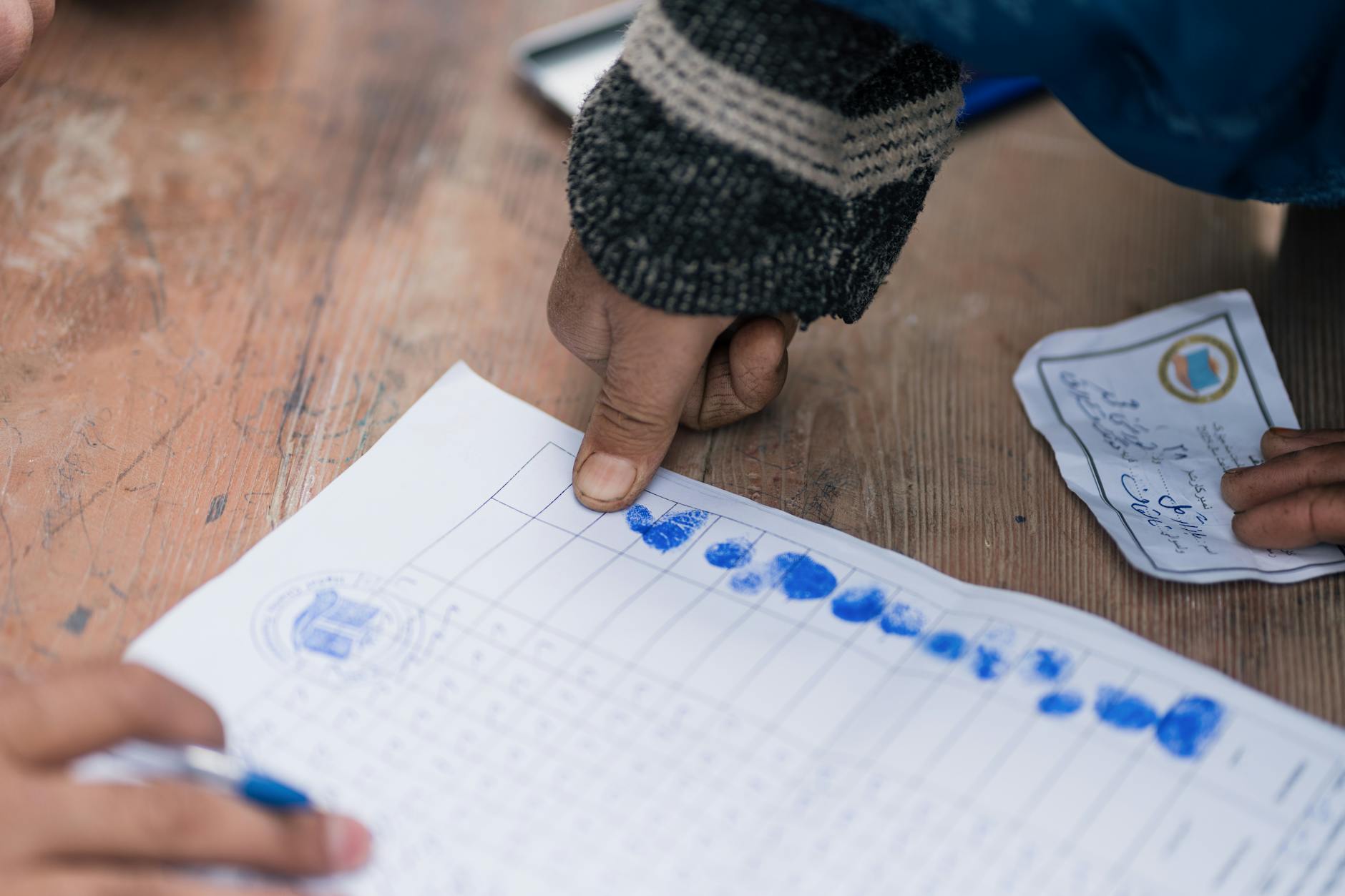
Photo by Faruk Tokluoğlu
The administrative and legal responses to these voter list issues in Bihar highlight the complex nature of managing millions of electoral records. They show a willingness to improve transparency and fairness but also reveal significant challenges that lie ahead as India prepares for its crucial state elections.
Impact on Voter Confidence and Democratic Rights
Errors in Bihar’s voter list do more than confuse records; they shake the foundation of democratic participation. When living voters find themselves declared dead, the consequences ripple through communities, stirring anxiety and mistrust. Beyond individual hardship, these mistakes raise questions about fairness, transparency, and the risk of political manipulation—especially in regions where electoral margins are tight and demographics sensitive. Let’s examine the personal fallout and the wider threats these inaccuracies bring.
Social and Emotional Consequences for Voters
Imagine waking up one day to discover the government has erased your existence—not just from official records but from your right to vote. For many in Bihar, this is reality. Being mistakenly marked as dead on the voter list triggers more than paperwork headaches; it attacks a person’s identity and belonging.
- Confusion and Distress: Those wrongly struck off often face bewildering scenarios when trying to cast their vote. They arrive at polling stations only to be denied entry, left to wonder if their voices are truly valued.
- Disenfranchisement Anxiety: The fear of missing out on voting, especially in closely contested elections, causes deep unease. For some, it feels like a punishment for something beyond their control.
- Disruption of Civic Engagement: Voting is a key action that affirms citizenship and community participation. Being excluded cuts individuals off from the democratic process, discouraging future involvement.
- Time and Effort to Rectify Mistakes: To restore their rights, wrongly deleted voters must gather proof, visit various offices, and often endure slow bureaucratic procedures. This ordeal imposes a heavy emotional and practical burden.
Consider Imarti Devi from Bhojpur, a voter who insists, “I am alive, I have not died,” yet found herself erased from the rolls. This phrase captures the shock and indignation experienced by many. The problem is widespread, affecting thousands who find themselves locked in a frustrating cycle of claims and objections, often without clear resolution. In Bihar’s deeply rural areas, where literacy and access to official documents are limited, these challenges magnify.
Being incorrectly declared dead is like having the government say your opinion no longer matters; it is a powerful blow that resonates beyond the individual, affecting families and communities. This can lead to a breakdown in trust that discourages voter turnout and weakens democratic health.
Risks of Electoral Manipulation and Marginalization
Mistakes in voter lists are not simply administrative slip-ups. There is a broader, more troubling risk that such errors could mask a deliberate effort to manipulate electoral outcomes.
Regions like Bihar’s border districts have complex demographics where politics is highly sensitive. When large numbers of voters—especially from marginalised communities—are wrongly removed or misclassified, suspicions arise about whether these revisions are weaponised.
- Systemic Manipulation Fears: The scale of deletions, such as the 6.5 million names removed in Bihar’s SIR, invites scrutiny. Are these simply corrections, or is there an underlying motive to silence certain voter groups?
- Politically Influenced Revisions: Reports suggest that verification teams have sometimes neglected entire households or given inconsistent explanations about deletions. Such irregularities fuel concerns about bias or pressure on election officials.
- Border District Vulnerabilities: In areas with mixed religious or caste populations, even small shifts in the voter register can significantly influence election results. This heightens worries that revision errors disproportionately affect vulnerable communities, weakening their political voice.
- Marginalisation of the Poor and Ill-Documented: Many rural voters lack formal ID documents demanded during the revision process. This creates a de facto barrier that risks excluding poor citizens who cannot prove their eligibility easily.
These risks have drawn sharp criticism from opposition parties and activists, who accuse the Election Commission of failing to safeguard the electoral rights of all citizens equally. The current revision exercise, despite official assurances, has thus been met with suspicion and protest.
This distrust is not baseless. The complexity of managing tens of millions of voter records in a short time leaves ample room for both error and misuse. Bihar’s election officials face a challenge balancing the need to cleanse rolls with upholding democratic fairness.
Ensuring transparency about deletion criteria, improving grievance redress mechanisms, and strengthening oversight are crucial to prevent this process from becoming a tool for exclusion. Without such safeguards, voter confidence will erode further, risking lower participation and undermining the very concept of democracy.
For a clearer understanding of these concerns within Bihar’s electoral revision, see this detailed report on voters wrongly marked as dead by the Bhaskar English news, which highlights the personal stories fueling public mistrust.
The social toll of these errors and the shadow they cast over electoral fairness highlight the urgent need to restore trust before the 2025 elections. Voter identification and registration reforms must prioritise accessibility and accuracy—any failure risks disenfranchising millions and damaging Bihar’s democratic future.
Pathways to Improving Voter List Integrity in Bihar
In light of the troubling errors uncovered during Bihar’s Special Intensive Revision (SIR), it is clear that improving the accuracy and trustworthiness of the voter lists is essential for fair elections and the democratic rights of the people. Mistakes such as wrongly declaring living voters as deceased erode public confidence and risk disenfranchisement. The solution lies not just in fixing individual errors but in reshaping the entire verification and voter support structure. Below are practical pathways that could significantly enhance voter list integrity in Bihar.
Strengthening Verification and Accountability
Strong verification is the backbone of a credible electoral roll. Bihar’s experience shows that without robust field-level checks and clear accountability, errors multiply, and voters pay the price. To minimise future mistakes, the electoral authorities can adopt a set of transparent and rigorous procedures:
- Mandatory Home Verification Visits: Booth Level Officers (BLOs) should be required to visit every registered voter’s home as part of routine audits. This should go beyond a quick confirmation to include knocking on doors, meeting voters, and verifying their presence in person. Such on-site checks will help catch errors like unreported deaths, migrations, or duplicates.
- Photographic Evidence for Verification: Collecting updated photographs of voters during home visits provides clear, visual proof of identity. Digital cameras or smartphones can be used to record pictures linked to voter IDs, making it easier to detect fraud, duplicates, or mistaken removals later.
- Regular Audits and Cross-Checks: Voter lists should not be a once-in-a-decade exercise but undergo periodic reviews, including random sampling and cross-checks with other government databases like birth and death registries or ration card lists. These audits would catch discrepancies and improve data quality over time.
- Independent Monitoring and Transparency: Inviting civil society organisations or independent observers to monitor verification processes can build trust. Publishing verification reports and metrics on voter list changes promotes transparency, discouraging arbitrary deletions or manipulation.
- Enhanced Training for BLOs: Continuous training programmes emphasizing accuracy, interpersonal skills, and ethical responsibilities will equip BLOs better to execute their duties. Clear guidelines on verification steps and documentation should be provided, with strict penalties for negligence or malpractice.
By implementing these measures, Bihar could build a system where every correction is backed by solid proof and accountability, reducing the chances of innocent voters being unfairly struck off.
Empowering Voters to Assert Their Rights
Even with improved verification, voters themselves must be able to check and claim their rightful place on the electoral roll easily. Many affected citizens currently face obstacles due to lack of awareness, complicated procedures, or limited access to help. Empowering voters requires a multifaceted approach:
- Awareness Campaigns on Correction Procedures: A broad public education campaign explaining how voters can check their registration status and correct errors is vital. Information could be spread through:
- Local community meetings and panchayat announcements
- Radio and TV messages in Hindi and regional dialects
- Posters and leaflets distributed in public places and marketplaces
- Accessible Help Desks and Mobile Units: Setting up voter help desks at local government offices, post offices, and polling booths can provide on-the-spot assistance for enrollment or correction issues. Mobile help units could travel to remote villages, offering door-to-door support for those unable to visit offices.
- Simplified and Clear Grievance Redressal Mechanisms: Forms such as Form 6 (for inclusion or correction) should be made easy to fill, with clear instructions. Toll-free helplines, WhatsApp support, and online portals could provide follow-up on application status, reducing uncertainty and delays.
- Legal Aid and Assistance for Affected Voters: Partnerships with local NGOs and legal aid organisations can offer free or low-cost support to voters facing difficulties challenging wrongful deletions. This includes help gathering identity documents and navigating bureaucratic hurdles.
- Encouraging Community Involvement: Neighbourhood voter groups or youth volunteers can act as bridges between authorities and citizens, helping check voter lists locally and educating others about their rights.
Empowering voters not only solves immediate problems but creates an informed electorate confident in the system. It removes the mystery and frustration behind voter list corrections, turning the process into a cooperative effort rather than a source of fear.
Bihar’s election officials, backed by state government support and civil society, can make these steps a priority if the goal is a clean, accurate list backed by public trust. The process should combine methodical verification with active voter engagement, making electoral rolls a living document that genuinely reflects Bihar’s citizens.
For examples of effective voter verification processes and awareness campaigns, Bihar might consider adapting strategies from other states or countries that have successfully modernised their electoral rolls with strong voter-friendly policies and transparent audits, available through the Election Commission of India’s resource page.
By strengthening verification and empowering voters simultaneously, Bihar can build voter lists that protect democratic rights and withstand scrutiny ahead of future elections.
Conclusion
Accurate voter lists are the backbone of a healthy democracy, safeguarding every citizen’s right to have a say in governance. Bihar’s recent errors in marking living voters as dead expose deep flaws in managing electoral records and highlight the urgent need for improved verification and transparency.
The stories of those wrongly erased from the rolls remind us that behind every name is a voice that matters. Mistakes not only confuse records but risk silencing legitimate voters and shaking public trust. These controversies provide a clear lesson: electoral roll management must be open, inclusive, and error-proof to protect democratic rights fully.
As Bihar approaches the 2025 elections, all stakeholders—officials, political parties, and civil society—must prioritise clear, fair processes that empower voters rather than exclude them. Only with accurate rolls, strong accountability, and accessible correction mechanisms can elections be truly free and fair. The integrity of democracy depends on it.