



CAA Cut-Off Extended to 2024: India’s New Rules for Persecuted Minorities Explained
 CAA Cut-Off Extended to 2024: India’s New Rules for Persecuted Minorities Explained
Estimated reading time: 18 minutes
Thank you for reading this post, don't forget to subscribe!CAA Cut-Off Extended to 2024: What the New Rules Mean for Persecuted Minorities from Pakistan, Afghanistan, and Bangladesh
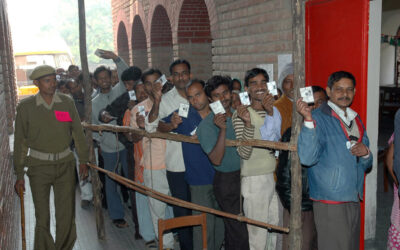
For thousands fleeing religious intolerance in Pakistan, Afghanistan, and Bangladesh, the rules around staying in India just changed in a big way. The Modi government’s latest decision extends the CAA cut-off date to the end of 2024, promising a legal lifeline for those who faced deportation or uncertainty.
This move matters because it directly affects Hindus, Sikhs, Buddhists, Jains, Parsis, and Christians escaping persecution. Anyone from these groups who entered India before December 31, 2024, can now seek protection under the updated CAA guidelines, even without proper documents. Relief from penalties means families who arrived after 2014 now get a path toward stability, not fear.
With this update, the government signals clear support to minority communities facing real danger abroad. It also raises fresh questions about citizenship, paperwork, and what lies ahead for thousands still hoping India becomes their permanent home.
Watch more: India Today: Modi Govt’s Big CAA Relief
Background of the Citizenship Amendment Act (CAA)
The Citizenship Amendment Act (CAA) brought dramatic changes to India’s citizenship rules. It opened a new door for minorities escaping religious persecution in Pakistan, Afghanistan, and Bangladesh. While those seeking refuge looked for fresh hope, others raised questions about fairness and the core ideas behind India’s citizenship policies. Here’s what’s key about the CAA’s origins and the debates that followed.
Original 2014 cut‑off date
The CAA was designed with a very clear line in the sand—only non‑Muslim migrants who entered India on or before 31 December 2014 could apply for citizenship under its terms. The cut-off date mattered because it set a final mark for eligibility and separated those who could stay from newer arrivals. The law intentionally included people who had already been living with uncertain status, often for years, so they could find a sense of belonging and safety in India.
- Migrants arriving after 31 December 2014 were not covered under the original CAA rules.
- This date applied to people from Pakistan, Afghanistan, and Bangladesh.
The fixed historical date became a core part of the law and later, the debates around its fairness and impact.
Key provisions of the CAA
The CAA’s core provisions are straightforward but carry a lot of weight. The law fast-tracks citizenship for six specific religious minority groups from three countries. These are:
- Hindus
- Sikhs
- Buddhists
- Jains
- Parsis
- Christians
Applicants from these communities, having come to India before the cut-off date, could get citizenship even if they lacked proper documents. The CAA links directly to the Immigration and Foreigners Act, 2025, aligning the process for handling such applications. The new rules make the citizenship process faster and grant legal shelter that was missing for decades.
If you’re looking for more on the law’s legal side, check this detailed overview on the Citizenship (Amendment) Act, 2019.
Legal and political controversy
Once the CAA passed in 2019, it sparked a wave of protests, legal petitions, and heated debates across India.
Main objections included:
- The law’s exclusion of Muslim migrants, leading to concerns that it violated the idea of equality enshrined in the Indian Constitution.
- Fears that the Act, when combined with possible future population registers, would put Muslims at risk of statelessness.
- Widespread protests in major cities, with people from many walks of life demanding either repeals or changes.
Several court cases soon challenged the CAA, focusing on its alignment with constitutional protections. Interest groups, state governments, and human rights advocates brought their cases forward, arguing that the CAA discriminated based on religion.
If you want an in-depth look at the protests and legal pushback, the BBC’s piece on CAA: India’s new citizenship law explained offers valuable insights.
The legal and social clash around the CAA shows how powerful new citizenship laws can reshape both lives and the broader sense of national identity.
New Extension under the Immigration and Foreigners Act, 2025
The Indian government has rolled out a major update to the rules that decide who gets a chance to build a safe life here. By extending the cut-off date under the Immigration and Foreigners Act, 2025, thousands of families who arrived from Pakistan, Afghanistan, and Bangladesh can now breathe easier. The move goes beyond mere paperwork, carrying deep meaning for people who left everything behind to escape religious persecution. Here’s how this new order reshapes things on the ground for those seeking protection.
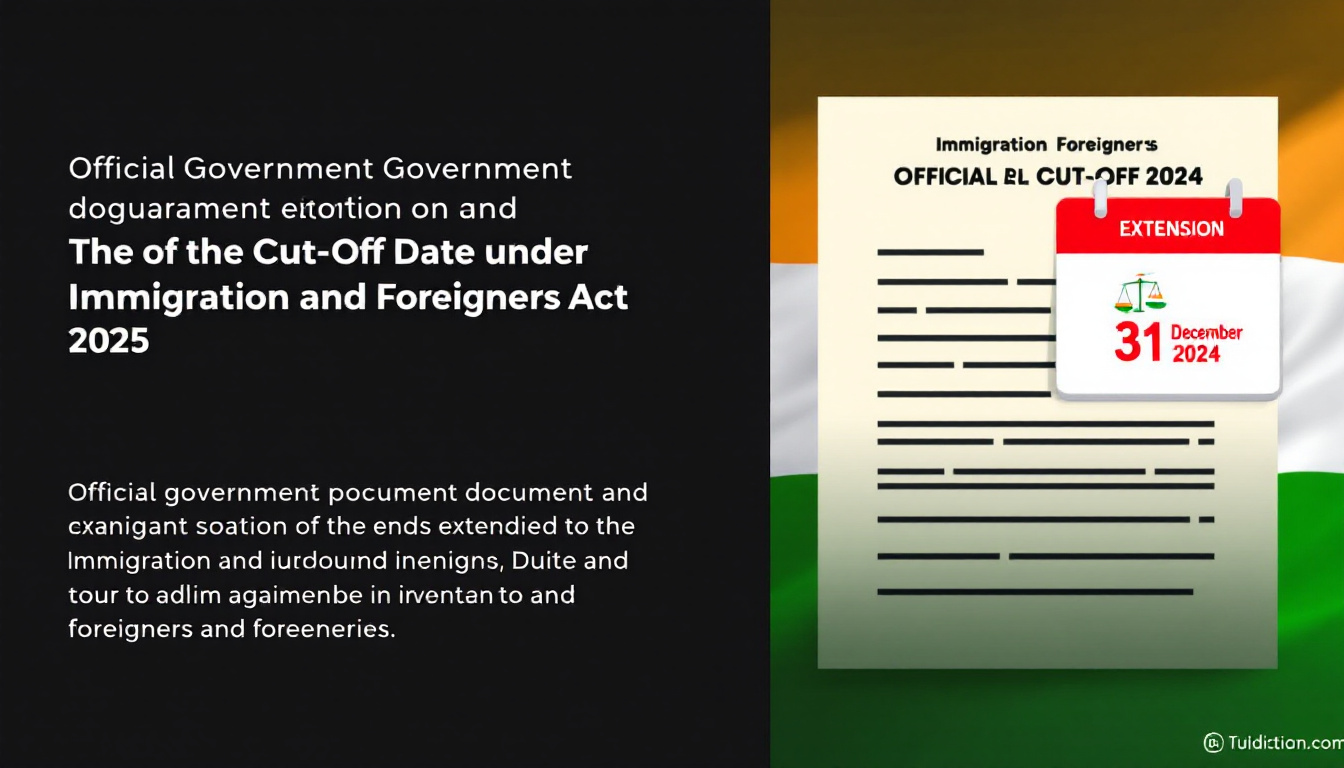
Extended cut‑off date to 31 Dec 2024: Explain the ten‑year extension and its significance for recent arrivals
The government’s fresh order sets a new deadline at 31 December 2024 for persecuted minorities to have entered India to qualify for protection under the extended CAA rules. This is a ten-year jump from the original 2014 date. It’s a rare chance for families who crossed the border in the years since, often in fear and without paperwork, to become legal and secure.
This extension matters because it includes:
- Families who arrived from 2015 to 2024. They were previously left in limbo and faced a real threat of deportation.
- Individuals unable to obtain travel documents due to sudden or unsafe escape.
Unlike before, those who came more recently are now on even ground with earlier arrivals. The move brings relief to potentially thousands and addresses changing realities for minorities abroad. For a full breakdown of the extension and its practical meaning, visit the Economic Times’ summary on the CAA registration cut-off extended till December 31, 2024.
Eligibility criteria for persecuted minorities
Not everyone is covered by this update. The government has kept the focus clear and tight, with specific groups considered eligible, a call-back to the original Act’s intentions. Here’s who benefits under the new order:
- Religious groups covered:
- Hindus
- Sikhs
- Buddhists
- Jains
- Parsis
- Christians
- Requirement: Applicants must show either documented persecution or a credible fear of being persecuted because of their religion.
- Entry deadline: The person must have entered India on or before 31 December 2024.
Meeting these criteria is essential for protection options and the chance at citizenship. Officials will still check applications for proof, but the wider window gives many more a shot at legal safety. The Federal’s article on Govt extends CAA cut-off; details here offers examples of how this process is working for real people.
Eligibility snapshot
| Religious Group | Documented Persecution Required | Entry Deadline |
|---|---|---|
| Hindus | Yes | 31 Dec 2024 |
| Sikhs | Yes | 31 Dec 2024 |
| Buddhists | Yes | 31 Dec 2024 |
| Jains | Yes | 31 Dec 2024 |
| Parsis | Yes | 31 Dec 2024 |
| Christians | Yes | 31 Dec 2024 |
Exemption from passport and visa rules
One big benefit under the extended order is relief from India’s usual passport and visa requirements. This new rule gives real help to those who fled chaos and persecution and couldn’t get documents in time.
What does this exemption mean in daily life?
- Applicants aren’t penalised for missing or expired passports or visas.
- Families can apply for legal protection and, eventually, citizenship even if they entered through irregular routes.
- No threat of detention for lacking travel papers after arrival, which brings vital security and peace of mind.
This legal step shows the government’s willingness to recognise the tough choices refugees must make, and gives them space to start over without endless red tape. Organiser’s article on the CAA cut-off date extension goes into more detail about the changes to visa enforcement and its impact.
In short, the new extension and passport rule waivers bring hope to many who only wanted safety but landed in legal no-man’s land. The law now sees their side, offering a path back to normalcy.
Impact on Persecuted Minorities from Pakistan, Afghanistan and Bangladesh
The recent extension of the CAA cut-off date is more than just a shift in policy language—it is a direct, practical form of relief for communities who have long faced religious discrimination and threats to their safety in Pakistan, Afghanistan, and Bangladesh. By widening the window, India is set to include a fresh wave of eligible applicants who entered the country in search of security. Let us look at the groups most affected, where they are found in India, and how many people could benefit.
Communities covered – Hindus, Sikhs, Buddhists, Jains, Parsis and Christians
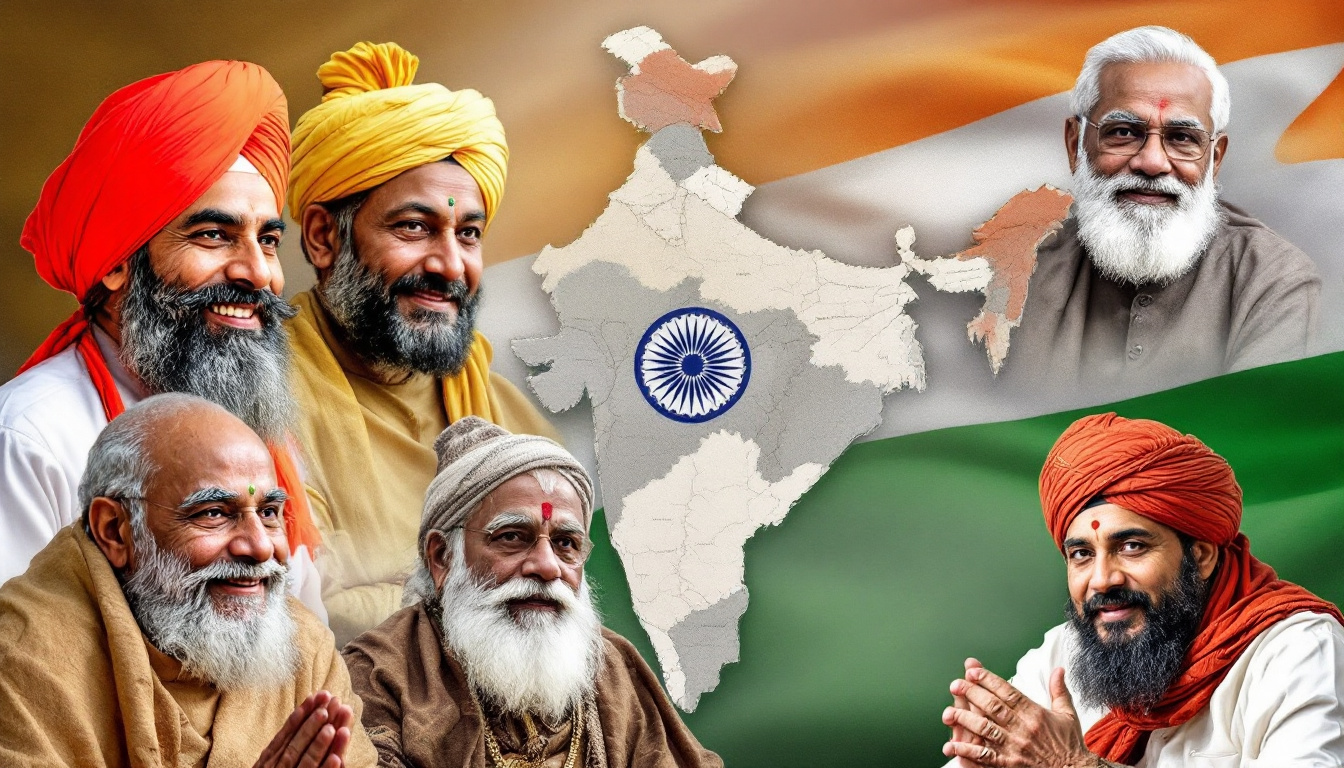
These six religious communities are at the heart of the CAA, and their situations vary widely across the three source countries:
- Hindus: Once the majority faith in parts of Pakistan and Bangladesh, Hindus now face frequent violence and institutional discrimination. Forced conversions and property seizures are reported regularly, leading many to cross into India for safety and dignity.
- Sikhs: In Pakistan and Afghanistan, Sikh places of worship have been targeted by extremist groups. Afghanistan’s Sikh population, in particular, has dropped to a fraction of its former size after years of deadly attacks and religious threats.
- Buddhists: In Bangladesh, Buddhists are a minority mainly in the Chittagong Hill Tracts, often caught in the middle of ethnic tension and land disputes. Attacks on temples and community unrest have pushed some to seek shelter across the border.
- Jains: While Jain communities are small in these countries, those who remain are often clubbed with other non-Muslim minorities and face the same risks of discrimination, especially in rural Pakistan.
- Parsis: Parsis (Zoroastrians) are a tiny, diminishing group. While not as visibly targeted as others, pressure and insecurity have forced some to migrate quietly over the years, with concerns about cultural survival.
- Christians: Christians regularly report blasphemy accusations, mob violence, and job discrimination, especially in Pakistan. Churches have faced attacks, and families report being driven from their homes.
Each group, despite different histories and sizes, shares a common worry: basic safety and the right to practise their faith without being threatened or harassed. For more insight into the situation of these communities after the extension, the Economic Times highlights CAA registration cut-off extended till December 31, 2024.
Geographic distribution of beneficiaries in India
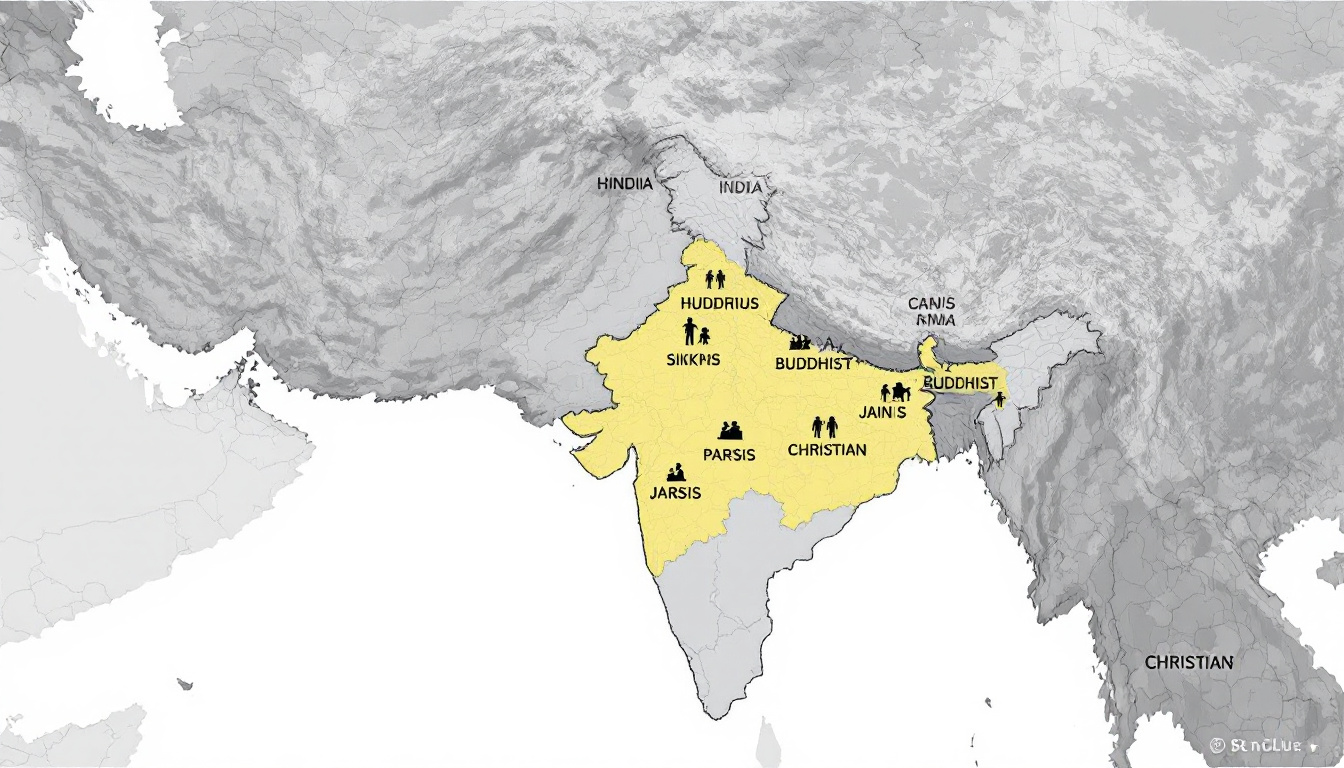
Most refugees and migrants covered by the extended CAA provisions have settled in states close to the borders with Pakistan and Bangladesh, as well as in a few major urban centres. Here’s where you’ll most often find these communities:
- Border states:
- Punjab and Rajasthan see a steady flow of Hindu and Sikh families from Pakistan due to cultural ties and proximity.
- Gujarat hosts large groups of Sindhi Hindus who moved decades ago and continue to support new arrivals.
- West Bengal and Assam have taken in a significant number of Hindus, Buddhists, and Christians from Bangladesh. Assam’s situation is especially sensitive due to its politics around migration.
- Major cities:
- Delhi and Mumbai have become hubs for Afghan Sikhs, Hindus, and Christians seeking anonymity and work, plus legal support and community networks.
- Other cities such as Jaipur, Ahmedabad, and Kolkata also feature meaningful clusters, thanks to family links and better economic prospects.
Refugee camps and colonies, such as those in Delhi’s Majnu-ka-Tilla or Jaipur’s Sindhi Colony, act as first stops for many, showing the scale and urgency of the migration. Over time, these groups have formed strong social supports despite challenges of language, jobs and paperwork.
Estimated number of eligible applicants
Pinning down an exact number of people who will now benefit is tough, but the extended cut-off clearly enlarges the pool. Recent government communication and news estimates put the following into perspective:
- Hindus from Pakistan and Bangladesh: The majority of new eligible applicants are expected from these groups. Reports often cite over 40,000 Pakistani Hindus currently living in India without citizenship, mostly in Rajasthan and Gujarat.
- Afghan Sikhs and Hindus: As per community leaders and official records, the number of Afghan Sikh and Hindu refugees in India surged after the Taliban’s return in 2021, now estimated in the low thousands.
- Christians, Buddhists, Jains and Parsis: These groups are small in comparison, but local NGOs point to at least several thousand Christians and Buddhists in the northeast and urban pockets who become eligible, along with a handful of Parsis and Jains fleeing threats.
Official statements suggest that tens of thousands could now gain relief due to the new extension, especially those who crossed into India after 2014. These numbers reflect only recorded migrants; the actual affected population could be higher once all applications are in and verified by authorities. For a sense of the new scale, the CAA cut-off date extension report breaks down official expectations.
This policy shift gives not just legal status, but a chance at family stability and long-term planning for people who have already endured years of upheaval.
Conditions and Exclusions
The new extension of India’s CAA rules might give hope to thousands, but it doesn’t throw the doors wide open without checks. The authorities have carved out clear rules to stop abuse, keep out serious offenders, and focus support on those with real grounds for asylum. Here’s what you need to know about who gets left out and what evidence can open the pathway to citizenship.
Criminal offences that disqualify applicants

Photo by Markus Winkler
Not everyone crossing the border can seek protection under the updated rules. The government has made it clear that certain serious criminal offences will lead to an automatic denial of relief, no matter the applicant’s religion or story.
The main offences that mean instant disqualification include:
- Terrorism (any group or act linked to sabotage or violence)
- Espionage (spying against India or involvement with foreign intelligence)
- Rape
- Murder
- Human trafficking
- Drug smuggling or trafficking
- Child abuse
- Cyber crime (including large-scale frauds or illegal hacking)
- Crypto-related financial crimes (money laundering or illegal crypto transactions)
This approach helps India balance compassion with security. By filtering out those with records of grave harm, the government aims to protect society while still opening its arms to those truly in need. For a direct overview of how rules exclude offenders, Firstpost covers these updates in their guide to India’s widened protection for migrants.
Proof of persecution and documentation
The law needs more than just a story or a claim to offer protection. Applicants must show genuine risk or past harm, and the bar is set high to weed out false applications. Authorities have outlined what types of evidence are accepted as credible proof:
Accepted forms of proof can include:
- Affidavits sworn by the applicant or local community leaders
- Newspaper clippings or reports showing threats or attacks against the applicant or their community
- Letters from non-governmental organisations (NGOs) that work with persecuted minorities and can vouch for the person’s background
- Police or court documents from the country of origin showing past harassment or threats
- Testimony from religious leaders or trusted elders who can confirm ongoing risk
If standard documents were lost while fleeing, secondary proof can help. This may be harder to verify, but the authorities allow some flexibility, knowing what flight from persecution often means in practice.
Stay details or identity checks will still apply, but the focus is on showing a real pattern of danger or discrimination. For families unable to gather perfect paperwork, this offers some lifeline, as covered in the NDTV spotlight on passport relief for minorities.
Future pathway to citizenship
For those who meet the new rules, the updated exemption sets the stage for a stable future, not just temporary shelter. This is a stepping stone toward full citizenship, not just a “stay-back” measure or short-term visa.
Here’s how the journey typically unfolds:
- Immediate legal status – Applicants are protected from deportation, penalty, or jail for not having documents.
- Residency rights – The law allows families to work legally, send children to school, and access public health.
- Pathway to fast-track citizenship – After paperwork and security checks, applicants who meet the criteria can apply for Indian citizenship under the relaxed CAA timeline.
The government has kept the focus on including persecuted minorities in the national family if they pass all checks. It isn’t just a pause for time; it’s meant as the first step on a road to legal belonging and a future in India.
If you want a map of the full process and the government intent, Swarajya Magazine explains the stages in this extension summary.
These checks and balances are not just technicalities—they keep India’s doors open to the truly desperate, while stopping bad actors from hiding among genuine refugees. The rules try to weigh protection with safety and order for all.
Future Outlook and Policy Implications
India’s decision to extend the CAA cut-off date to the end of 2024 opens a new chapter for those fleeing persecution, but the move also brings important legal, social, and policy debates into sharp focus. How courts respond and how communities adapt to these changes will shape the success of this policy. Let’s break down where the law stands, what this means for integration, and steps the government can take to improve the process for everyone involved.
Potential judicial review: Note pending court cases that could affect the extension
The new extension is not free from legal questions. Several public interest litigations, filed in the Supreme Court and high courts, challenge the CAA’s basic rules and its impact on India’s constitutional values. These cases argue about fairness, equality, and whether the changes create new discrimination lines.
Key aspects under judicial watch include:
- Claims that the extension breaks constitutional promises of equal treatment for all, especially regarding Muslim migrants.
- Debate on whether expanding the cut-off contradicts earlier legal promises.
- Scrutiny of the government’s power to make such changes through executive orders rather than fresh parliamentary debate.
Until courts give a final word, families applying under the new rules may feel tension about the security of their future. A comprehensive discussion on the intertwined legal and policy angles appears in The intersection of Indian citizenship amendment act 2019, which covers how current cases could shape who benefits from the extended law.
Long‑term integration and social cohesion: Consider how the relief may influence community relations and settlement services
Changing the legal cut-off solves only part of the struggle for new arrivals. The real work starts as people settle into neighbourhoods, look for jobs, and help their kids adapt to local schools. If integration falls short, inequalities or tensions can quickly grow.
Here’s how the extension could touch daily life:
- Better access to health, education, and jobs: With legal security, many migrants finally feel confident to seek services, enrol kids in school, or apply for work.
- Healing community divides: When newcomers get support, existing residents are less likely to view them as outsiders or temporary guests.
- Need for strong local services: Cities and villages close to the border will need focused investment in social services, translation efforts, and trauma counselling—especially for groups who fled violence.
Integration is not automatic. It depends on whether both new and established residents see each other as neighbours, not competitors. If done well, it strengthens India’s record of pluralism. If ignored, local disputes could make headlines and slow down the benefits promised by national policy. For a closer look at societal debates and migration policy challenges, see Citizenship, borders and law: the future of NRC and CAA in India.
Recommendations for clearer legislation: Suggest steps to improve transparency, documentation procedures and pathways to citizenship
With a policy of this scale, clear, simple, and transparent processes offer security to both newcomers and society as a whole. Here’s what can help:
- Simple, well-publicised rules: The government should provide step-by-step guides in multiple languages, so families know exactly what’s expected during documentation and application.
- Digital applications and local helpdesks: Making paperwork available online and opening local support counters would help people who struggle with formal language or complicated requirements.
- Clear timelines and updates: Authorities must share regular updates on processing times and decisions, so applicants are not left waiting or worrying about legal limbo.
- Open appeals process: If someone faces a rejection, there should be an easy way to appeal and submit more evidence.
- Permanent, welcoming settlement programs: Beyond paperwork, long-term support in housing, employment, education, and healthcare builds trust and belonging.
These steps can make the transition smoother for migrants and ease fears in host communities. For more on the value of clear communication and strong documentation, read this review on policy changes in The Economic Times’ analysis of CAA in 2024.
Building durable, people-first policies will help both new residents and the wider public draw value from this historic shift, creating a better roadmap for future government action.
Conclusion
The ten-year extension of the CAA cut-off date gives families fleeing religious persecution a rare second chance to find stability in India. This update means those who arrived as recently as 2024 are now covered, opening the door for thousands who had little hope under the old rules.
By easing document rules and offering legal protection, the government moves lives out of limbo and into a system where safety and a future feel possible. The policy’s impact will ripple far beyond paperwork, shaping not just who stays, but how India stands up for human dignity and support in times of crisis.
As the legal process unfolds and communities adapt, your thoughts and experiences matter. If this issue affects you or your community, share your story below and help keep the conversation honest. Thanks for reading, and stay tuned for more updates on India’s evolving policy and its effect on everyday lives.