




MP Coldrif Syrup Kidney Damage in Kids, Check the relates point.
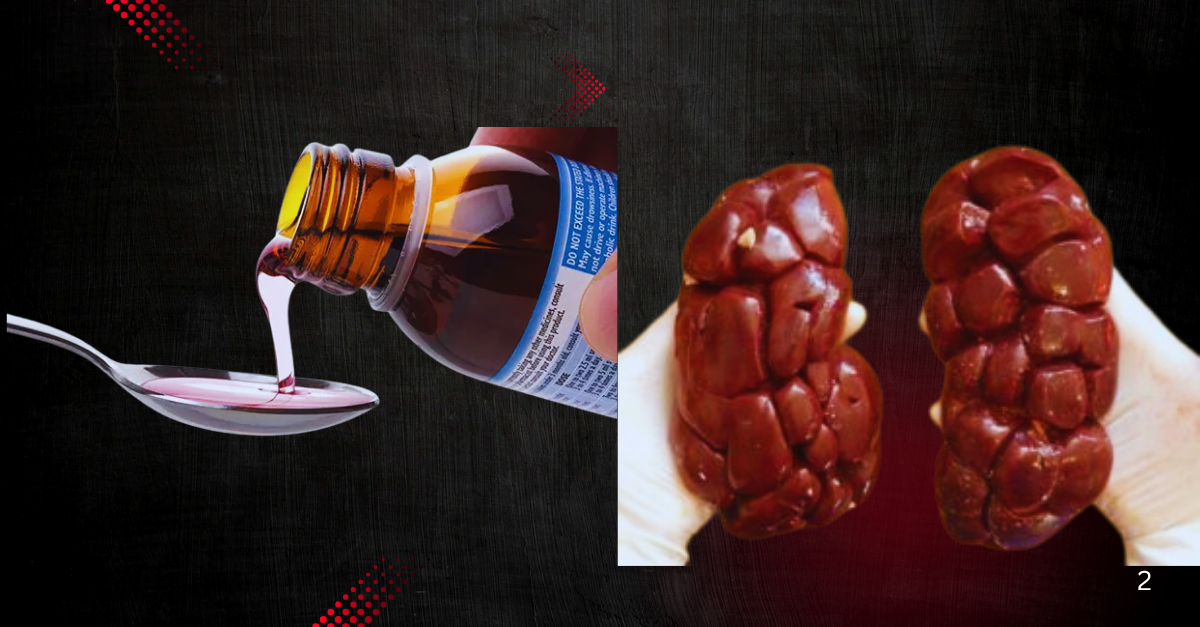 MP Coldrif Syrup Kidney Damage in Kids
Estimated reading time: 11 minutes
Thank you for reading this post, don't forget to subscribe!MP Coldrif Syrup Case: Kidney Damage in Kids (Check the relates point referance link)
A trusted pediatrician in Madhya Pradesh says he prescribed the same cough syrup for 15 years. Parents believed it was safe, until their children fell sick with kidney failure. Tests later found the syrup was contaminated with diethylene glycol, a toxic chemical that can destroy the kidneys. In simple terms, a medicine meant to help young kids turned poisonous.
Authorities linked the cases to Coldrif cough syrup. Lab reports found dangerously high levels of diethylene glycol, around 48 percent in samples. Families in Chhindwara lost little ones, most under four. The state banned sales, seized stocks, and launched arrests and investigations.
The doctor at the center, Dr. Praveen Soni, says there could be multiple causes, such as viral infections and high fevers. That claim matters, but the lab evidence points strongly to the syrup as a key trigger. Parents need clarity, not noise. This introduction sets up what happened, what we know, and what to watch next.
This post draws on real reports, not rumors. For source details and updates, Check the related point reference link, and also Check the relates point referance link for official notices and lab findings. If you want a quick overview, here is a concise TV report:
If you are a parent in India, you deserve straight answers. We will explain what went wrong, what symptoms to watch, and how officials responded. You will also find what to ask your doctor and chemist, so your child’s next cough syrup is safe.
What Went Wrong in This Heartbreaking Case
Parents trusted a familiar bottle for coughs and fevers. Then, in a tight window of weeks, small children began showing signs of kidney trouble. Tests later pointed to one cause that should never be in a medicine cabinet, diethylene glycol, a toxic solvent found in antifreeze. Samples showed levels near 48.6 percent, a load strong enough to harm kidneys in days, not months. This section pieces together how routine care turned into crisis, and why trust in medicines matters. For official updates and notices, always Check the relates point referance link in this post.
Dr. Soni’s 15-Year Routine with Coldrif
For over a decade, Dr. Praveen Soni followed a steady routine. He saw kids with colds, coughs, and fevers, and Coldrif was a go-to bottle on his pad. He viewed it as safe for common infections, especially in toddlers and preschoolers. He wrote it often, and many families kept it at home as a standard fix.
When reports of kidney injury emerged, he offered a clear defense. In his view, severe viral infections, high fevers, dehydration, or other medicines can also stress a child’s kidneys. He argued that the illness itself could be to blame, not only the syrup. That point deserves space, because doctors weigh many causes when a child declines.
At the same time, the pattern and lab findings raised red flags. State action followed, with a ban and seizures of stock, as reported in Madhya Pradesh updates on the Coldrif issue. For context on the crackdown and suspected link to deaths, see this brief from public broadcasting: Madhya Pradesh bans Coldrif cough syrup following children’s deaths.
The Sudden Wave of Kidney Problems in Kids
The turn was abrupt. Parents carried in toddlers who had stopped passing urine or were passing very little. Faces and feet looked puffy. Kids were listless, vomiting, or breathing hard. Many were under five, an age when a small dose error can have a big effect.
Doctors began logging acute kidney injury. Some children needed dialysis. A few did not make it, with reports counting several deaths in a short span. Independent coverage tracked the toll and the investigation into a single suspect product. For a snapshot of how fast the crisis widened, see this report: Syrup death toll mounts to 14 in Madhya Pradesh.
What tied the cases together was the toxic finding. Diethylene glycol at about 48.6 percent is not a trace. It is a poison that can hit the kidneys first, then the brain. In simple terms, kids took a syrup expected to soothe a cough, and the solvent inside started shutting down their kidneys.
Key signs parents reported:
- Low or no urine for many hours
- Swelling around the eyes, feet, or legs
- Vomiting, poor feeding, or unusual sleepiness
- Fast breathing or confusion
The lesson is hard but clear. Even a long-trusted brand can fail if a batch goes wrong. Ask your doctor about safer options, check batch numbers, and follow official alerts. Medicine should heal, not harm.
The Hidden Danger: Diethylene Glycol and Kidney Harm
Diethylene glycol (DEG) is not a medicine ingredient. It is an industrial solvent that looks and behaves like safe glycerin. It is cheap, clear, and sweet. That mix of traits is why it keeps slipping into syrups and why kids pay the price. For official toxin info, Check the related point reference link and also Check the relates point referance link in this post.
Why Diethylene Glycol Sneaks into Medicines
Glycerin is the safe, syrupy base used in many liquid medicines. When companies cut costs or buy poor-quality raw materials, industrial-grade DEG can replace or contaminate glycerin. On a factory floor, this cheat is hard to catch if the maker relies on quick taste or smell checks.
What makes DEG risky in manufacturing:
- Odorless and sweet-tasting: It can pass a simple taste test, especially if someone is rushing or untrained.
- Looks like glycerin: Clear and viscous, it blends into a syrup without a hint.
- Lower cost: Unscrupulous suppliers may sell DEG or DEG-mixed glycerin at a discount.
Good plants run lab tests on every batch of glycerin for DEG and ethylene glycol. Failures happen when those tests are skipped, faked, or done on the wrong samples. India has seen repeated action when regulators flag contaminated syrups, including inspections, seizures, and bans tied to confirmed DEG findings. Recent reports show health authorities confirming DEG in Coldrif samples from a Tamil Nadu unit, alongside public guidance on safer choices for parents. See the summary here: Toxic Cough Syrup Scare: What Went Wrong And Why All Syrups Aren’t Unsafe.
This is not new. Past syrup scandals named DEG as a cause of fatal kidney injury in children, with India appearing in global timelines of similar events. For context on prior incidents and accountability gaps, read this overview: Cough syrup deaths: Why drugs made in India are under scrutiny.
Bottom line for parents: a trusted label is not enough. Ask about batch quality, prefer manufacturers with transparent testing, and save receipts so you can respond fast to recalls.
How This Toxin Attacks Young Kidneys
Inside the body, DEG breaks down into a more toxic byproduct called diglycolic acid. That compound targets the tiny filters and tubules in the kidneys. Picture a kitchen drain coated with glue. Flow slows, pressure builds, and waste backs up. The same thing happens in a child’s body when the kidneys clog and the filters fail.
What unfolds in many cases:
- Early signs: Nausea, vomiting, stomach pain, headache, unusual sleepiness.
- Kidney hit: Less urine or no urine, swelling around eyes and feet, rising blood pressure.
- Rapid decline: Trouble breathing, confusion, seizures in severe cases.
Children are hit harder because:
- Smaller size means a tiny dose packs a bigger punch per kilogram.
- Immature metabolism struggles to clear toxins.
- Dehydration during illness concentrates the toxin in the kidneys.
Medical reviews describe how diglycolic acid injures the kidney’s proximal tubules, leading to acute kidney injury and, without quick care, kidney failure. For a clear medical explainer, see this review: Catastrophic Diethylene Glycol Poisoning in Children.
Practical steps for families:
- Buy syrups from trusted pharmacies and ask about recent alerts or recalls.
- Keep batch numbers and invoices.
- If a child on syrup passes very little urine or looks puffy, seek urgent care.
- Share the bottle with the doctor to speed testing and reporting.
DEG is preventable when manufacturers test every lot and regulators move fast. Until that is true every time, keep records, ask questions, and act early if symptoms appear.
Steps Taken and Ways to Protect Your Family
Parents deserve calm, clear steps after a scare like this. Here is what officials did on the ground, and how you can keep your child safe when a cough or fever hits. Save batch slips, ask sharper questions, and use trusted sources. Small habits add a big layer of safety.
Official Actions After the Tragedy
State and national agencies moved fast once lab tests flagged contamination. The response spanned bans, seizures, and wider sampling.
- Madhya Pradesh banned Coldrif, seized stocks, and began tracing batches linked to affected families. See the state update here: Madhya Pradesh bans Coldrif cough syrup following children’s deaths.
- Police and health teams questioned prescribers and suppliers. Dr. Praveen Soni was detained for alleged negligence tied to the prescriptions, as covered here: Syrup death toll mounts to 14 in Madhya Pradesh.
- Multi-state checks began on syrups from the same source and other risk batches. Labs tested for diethylene glycol and ethylene glycol across lots to rule out wider spread.
- District drug inspectors ran surprise inspections at retailers and wholesalers. Stocks without proper papers or batch details were pulled.
- Public alerts asked families to stop using the named batches and to report symptoms fast. A summary of the ban and test confirmation is here: Madhya Pradesh bans Coldrif as kids’ death toll rises to 11, test report confirms poisonous chemical.
These steps push manufacturers toward tighter quality control. More batch testing, clearer recalls, and quick field seizures save lives. For ongoing advisories, always Check the relates point referance link in this post.
Simple Tips to Keep Kids Safe from Bad Medicines
You can lower risk with a few steady habits. Keep this short list close, and share it with family and caregivers.
- Ask your doctor about ingredients. Say you want to avoid syrups that use poor-grade solvents. Request the brand, batch, and an alternative if stock is uncertain.
- Buy from licensed, government-approved pharmacies. Avoid informal counters and unverified e-commerce sellers.
- Check the label before the first dose. Look for batch number, Mfg and Exp dates, and proper manufacturer details. No batch number, no purchase.
- Save the bill and take a photo of the bottle and batch. Receipts help during recalls and insurance claims.
- Watch for early warning signs. Low or no urine, puffiness around the eyes or feet, vomiting, unusual sleepiness, fast breathing. If any appear, stop the medicine and go to a hospital.
- Do not self-medicate toddlers. Call your pediatrician first, especially for children under five or with dehydration.
- Store medicines safely. Keep bottles capped, away from heat, and out of reach. Do not use any syrup that smells odd or looks cloudy.
- Report problems. If a child reacts strangely to a syrup, carry the bottle to the clinic and file a complaint with your district drug control office.
Keep it simple and steady. Buy smart, ask clear questions, and act early if something feels off. Your daily checks, plus official alerts you track through the Check the relates point referance link, can keep your child safe and healthy.
Conclusion
This case leaves a simple, hard lesson. Even trusted medicines can fail when a batch goes wrong, and small children pay the highest price. Dr. Soni’s long routine and claims of multiple causes matter, yet the lab trail points to a toxic contaminant that turned care into harm. What protects families now is habit, not hope, clear questions at the counter, batch numbers saved, and quick action if a child stops passing urine, looks puffy, or seems unusually sleepy.
Stay alert, buy from licensed pharmacies, and keep the bottle and bill until the course is done. Talk to your pediatrician about safer options and alternatives if stock seems uncertain. Follow official advisories, share suspected bottles with your clinic, and report problems so regulators can move faster. For ongoing updates, Check the related point reference link, and use the primary source hub flagged throughout this article, Check the relates point referance link, before you give the next dose.
Hold onto trust, but pair it with vigilance. Safe care grows when parents, doctors, and inspectors watch closely, act early, and speak up together.