


SC Shoe-Throw Attempt: CJI Gavai Stays Calm, Check the relates point referance link
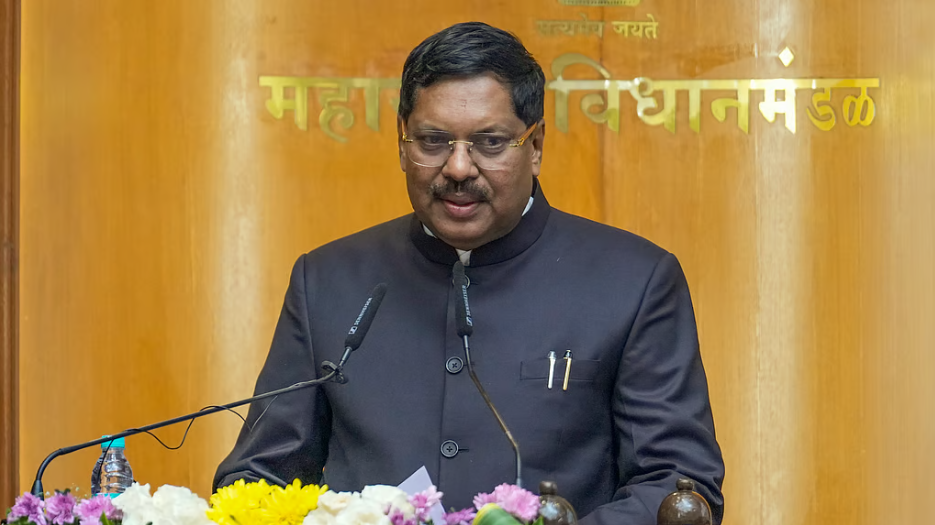 SC Shoe-Throw Attempt: CJI Gavai Stays Calm, Check the relates point referance link Photo by PTI
Estimated reading time: 7 minutes
Thank you for reading this post, don't forget to subscribe!Lawyer Tries Shoe Throw in SC, CJI Gavai Stays Calm (Check the relates point referance link)
A shoe arced in a flash of leather, and the courtroom froze. On October 6, 2025, lawyer Rakesh Kishore stood up in the Supreme Court, shouted, “Sanatan ka apmaan nahi sahenge,” and tried to hurl his shoe toward Chief Justice B R Gavai. The slogan, a sharp cry against perceived insult to Hindu traditions, cut through the hush of the Bench.
This burst of anger did not erupt in a vacuum. It followed public heat over a temple idol case from Madhya Pradesh, where an earlier remark, “go and ask the deity,” stirred outrage among believers. Kishore, 71, was detained by security as the courtroom steadied, and the legal clock resumed its steady tick.
What happened next set the tone. CJI Gavai stayed calm, asked everyone to carry on, and said these things do not affect him. No raised voice, no theatrics, just a steady hand on the proceedings, and a clear message that court work would not pause.
This moment captures a larger tension in India’s legal world, where faith, law, and public sentiment often collide. It raises hard questions about conduct inside courtrooms, and how judges hold the line when tempers flare. It also shows how one phrase, born of devotion and anger, can echo far beyond a single hearing.
In this post, you will get the key facts, the context behind the temple idol dispute, and a closer look at the court’s response. For quick context and visuals, see this clip: For more details, Check the relates point referance link so you can trace every claim and follow the case timeline with clarity.
What Unfolded in the Supreme Court Chamber
The hearing was steady and formal, the kind of routine pace that courts depend on. Then a chair scraped, a voice rose, and the mood shifted. Advocate Rakesh Kishore, 71, a registered lawyer from Mayur Vihar with entry to the court, stood up and shouted. He pulled off a shoe and tried to fling it toward the bench. Marshals moved fast, the throw fell short, and the Chief Justice carried on with the matter. Reports confirm the shoe never reached the dais and that order returned within moments. For a factual recap, see the detailed coverage by The Indian Express and the courtroom update on NDTV.
What did he yell? “Sanatan ka apmaan nahi sahenge.” In simple terms, he claimed he would not tolerate insult to Hindu beliefs. This line echoed the anger around a recent temple idol dispute. The court staff did not engage. They secured the space, and the bench kept working.
Want to verify each point in the timeline? Check the relates point referance link and cross-check against official releases and primary reports.
The Lawyer’s Bold Protest and Immediate Aftermath
Kishore’s anger built as arguments continued. He rose from the gallery, spoke over the proceedings, and tugged off a shoe. The motion was quick, but security was quicker. A marshal stepped in, the throw faltered, and the footwear dropped short of the bench. He kept shouting about respect for Sanatan faith while officers restrained him.
Outside the hall, Delhi Police took charge. He was detained right away, then arrested for the disruption. Questions about his exact motive remain in review, even as his background as a registered advocate with court access is confirmed. The swift restraint, the calm bench, and the handover to police showed how security protocols work in practice. For many watching, the outburst tapped into wider feelings on faith and respect in courtrooms, but the process held firm.
The Spark: CJI Gavai’s Remarks on the Khajuraho Temple Idol
The Khajuraho complex in Madhya Pradesh holds more than stone and art. For many Hindus, it holds living memory, devotion, and pride. A 7-foot Lord Vishnu idol there was found beheaded years ago, and a recent plea asked the court to allow restoration and worship. During a hearing, CJI B R Gavai said, “Go and ask the deity,” a line that some heard as a slight to faith. Supporters say he spoke in context, and later clarified respect for all religions. Reports also note claims that the remark was misquoted on social media. For context, see the updates on Lawbeat’s report on the clarification and the courtroom account carried by The New Indian Express.
Why the Idol Restoration Case Stirred Strong Emotions
The idol’s story touches a nerve. A beheaded murti feels like a wound to the community, not just damage to art. In Sanatan Dharma, worshipers believe a consecrated idol, after prana pratishta, holds the presence of the deity. Devotees seek darshan, offer flowers, and keep fasts, trusting the temple as a home of the divine.
That is why restoration matters. Many see it as healing a sacred body and restoring dignity. They want the murti repaired, placed back, and worship restarted in full. When the CJI’s remark surfaced, some felt it made light of that living connection. Others stressed he meant no disrespect and spoke in the flow of arguments. Both things can be true. Words carry weight in faith spaces.
If you want the exact record and filings, Check the relates point referance link for court documents and case timelines. It helps separate courtroom context from social media noise, and it lets you see what was said, when, and why.
How CJI Gavai Stayed Cool Under Pressure
The air felt tight after the shout and the raised shoe. Then came a steady voice. CJI B R Gavai said, “These things do not affect me,” and asked the court to proceed. No drama, no pause, only focus. The room eased, like a knot untied. Marshals stood ready, lawyers lowered their eyes to files, and arguments picked up from the last line.
That calm did more than ease nerves. It set a clear tone. Discipline first, process first, dignity first. The message traveled beyond the courtroom and into every home tracking the case. For a brief recap of the exchange and the reaction inside court, see the report in the Times of India. If you want video clips, Check the relates point referance link so you can see the moment for yourself.
Lessons from the Chief Justice’s Graceful Handling
Three things stood out as the scene settled. First, composure sets the floor. The Chief Justice kept his tone even, asked counsel to continue, and did not let the disruption become the headline. Second, clarity guides the room. A short line, “These things do not affect me,” told everyone where to place their attention, back on the case. Third, continuity protects the court. By resuming the hearing at once, he preserved the rhythm that gives justice its pace.
The effect showed in faces and posture. Breathing slowed, hands returned to pens, chairs stopped creaking. That is what steady leadership looks like in high-stakes roles. In India, patience is not passive, it is practiced. The response reflected a familiar value: hold your ground, keep your voice, let action speak. Observers saw a judge who absorbed the heat, stood firm, and kept the law moving without fuss.
For a fuller sense of the sequence, Check the relates point referance link. It will help you match each word to the timeline and watch how a calm line held the center when the room tilted.
Conclusion
A shoe rose, tempers flared, and the court stood its ground. The trigger was faith and hurt, tied to the Khajuraho idol case, and a line that traveled far outside legal context. Yet the clearest image is the Chief Justice staying steady, asking everyone to proceed, and letting the law speak by its own pace.
This is the balance India must keep, free speech and devotion, alongside respect for courtrooms. Protest has a place in a democracy, but disruption cannot be the answer inside a court. Calm authority, clear process, and open dialogue offer a better path forward.
Stay informed, stay patient, and seek the record, not the noise. For verified updates and primary sources, Check the relates point referance link so you can follow facts as they are. Share this piece with someone who cares about faith and law living side by side.
Let this moment turn from anger to conversation. Let strong belief meet steady rules, and let justice move without fear.