
Copyright Strikes in 2025: Protect Your YouTube Channel or Facebook Page and Monetization
Estimated reading time: 11 minutes
Thank you for reading this post, don't forget to subscribe!How Copyright Strikes Can Hurt Your YouTube Channel or Facebook Page (What Creators Need to Know)
Video content is central to building audiences on YouTube and Facebook. But posting videos also comes with risks, especially when it comes to copyright. A copyright strike happens when a rights holder reports you for using their content without permission. These strikes can lead to videos being removed, features getting disabled, loss of monetization, and even channel termination if strikes add up.
For creators, copyright strikes aren’t just warnings; they can threaten your ability to stay online and earn from your work. Knowing how they affect your channel or page can help you protect what you’ve built. This post will explain the real consequences of copyright strikes and why managing them matters for any creator relying on YouTube or Facebook.
You can watch this detailed video about copyright strikes here: Understanding Copyright Strikes.
Understanding Copyright Strikes on YouTube and Facebook
Before facing the consequences of a copyright strike, it’s crucial to understand exactly what these strikes mean on YouTube and Facebook. Both platforms have systems to protect the rights of content owners, but they treat copyright strikes differently from copyright claims. Knowing how these processes work helps you stay clear of trouble and safeguard your presence online.
What Counts as a Copyright Strike on YouTube and Facebook
A copyright strike is more than just a notice—it’s a formal claim that your video contains copyrighted content used without permission. When a rights holder files a strike, it signals a confirmed copyright violation. This typically leads to serious repercussions.
On YouTube, strikes can quickly stack up. Three strikes within 90 days may lead to the deletion of your entire channel and loss of account privileges. You’ll also face restrictions like disabled live streaming or limited uploads until the strike expires or is resolved.
On Facebook, the system is slightly different but just as firm. Receiving repeated copyright violations can reduce your content’s reach, remove certain monetization options, or impose limits on your page’s activity. In severe cases, Facebook could even remove your page.
In contrast, a copyright claim flags that your video may include copyrighted content, but it is not as severe. Claims often result in changes to monetization or video availability, rather than penalties against your channel or page.
How the Platforms Detect Infringements
Both YouTube and Facebook employ automated technologies alongside manual reports to identify copyrighted content.
YouTube’s Content ID is a vast, automated system that scans every uploaded video against millions of pieces of copyrighted material. When it finds a match, Content ID can:
- Monetize the video for the rights holder
- Block the video in certain countries or globally
- Track the viewership and performance without blocking
If the rights holder disputes a video’s use, this can escalate to a copyright strike process.
Facebook uses a combination of automated tools and partnerships with rights holders. When content is flagged, rights holders review and may submit claims. These claims can lead to video removal and warnings. Repeated offenses increase the chances of strikes or page penalties.
Content ID on YouTube vs. Facebook’s Enforcement Tools
Content ID is YouTube’s cornerstone for copyright protection. It functions like a fingerprint scanner for videos, instantly identifying copyrighted clips, music, or images. Content ID operates mostly on autopilot and can quickly monetize or restrict videos, but it doesn’t itself issue strikes. Strikes come only after the rights holder intervenes formally.
Facebook’s system relies less on a single technology like Content ID and more on a mix of automated detection combined with manual claims from rights holders. Facebook offers the Rights Manager, a tool for eligible creators to better monitor and control copyrighted content, providing more control than typical users have.
Why Strikes Are More Serious Than Claims
- Strikes carry penalties affecting your channel or page health, including potential shutdowns.
- Claims primarily affect monetization and accessibility but don’t threaten your account status immediately.
- Managing claims is usually straightforward: you can accept revenue sharing or dispute them. Managing strikes requires careful action because they’re legal notices with growing consequences.
For creators, understanding these distinctions is essential to protect your content and channel longevity.
To explore more about copyright strikes and claims on YouTube, you can check the official YouTube Copyright Strike Basics page.
Photo created with AI showing a digital shield protecting video content, symbolizing copyright enforcement on social media.

Photo by Pixabay
Consequences of Copyright Strikes on Your Channel or Page
Copyright strikes carry serious consequences that go beyond just removing a video. They impact your ability to earn money, your channel or page’s visibility, and even its long-term existence. If you ignore these strikes, they can pile up and threaten everything you’ve worked to build. Below, we’ll break down the key effects copyright strikes have on your YouTube channel or Facebook page.
Impact on Monetization and Revenue
When a copyright strike hits your account, one of the first things you’ll notice is a disruption in your income stream. On YouTube, strikes can immediately suspend your ability to earn ad revenue from the affected videos, and sometimes the whole channel. Monetization options like Super Chats, memberships, and merchandise integrations may also be paused or disabled if strikes remain unresolved.
If your channel receives multiple strikes, YouTube may take away permissions for live streaming and block new monetization features altogether until the strikes expire or get overturned. This means your content could still be visible but it won’t be bringing in money.
Facebook handles monetization similarly. Pages that get copyright strikes risk losing access to ad breaks and branded content opportunities. Repeated violations can lead to demonetization for extended periods, cutting off crucial revenue from your videos and posts. This squeezes your financial pipeline and may force you to rethink your content strategy, production value, or partnerships.
These monetization restrictions pressure creators to avoid copyright issues at all costs. It’s like having your cash flow valve slowly turn off each time a strike occurs.
For official details on YouTube’s monetization policies after strikes, you can visit YouTube’s Copyright Strike Basics. Facebook’s rules on monetization and violations are also clearly outlined at Facebook Business Help.
Effects on Channel/Page Visibility and Engagement
Copyright strikes don’t just cut into earnings; they also reduce how often your content appears in recommendations, search results, and followers’ feeds. On YouTube, videos from channels with active strikes are pushed lower in the algorithm, leading to fewer impressions and significantly reduced organic growth.
Similarly, Facebook limits the reach of pages that receive repeated copyright violations, making your posts less visible to current followers and newcomers alike. This decline in visibility causes a chain reaction: fewer views mean fewer likes, comments, and shares. Over time, this weakens your page’s engagement rates, making growth feel stuck or on pause.
Imagine it like a spotlight dimming on your content every time a strike lands, leaving you struggling to stay seen amid a sea of videos and posts.
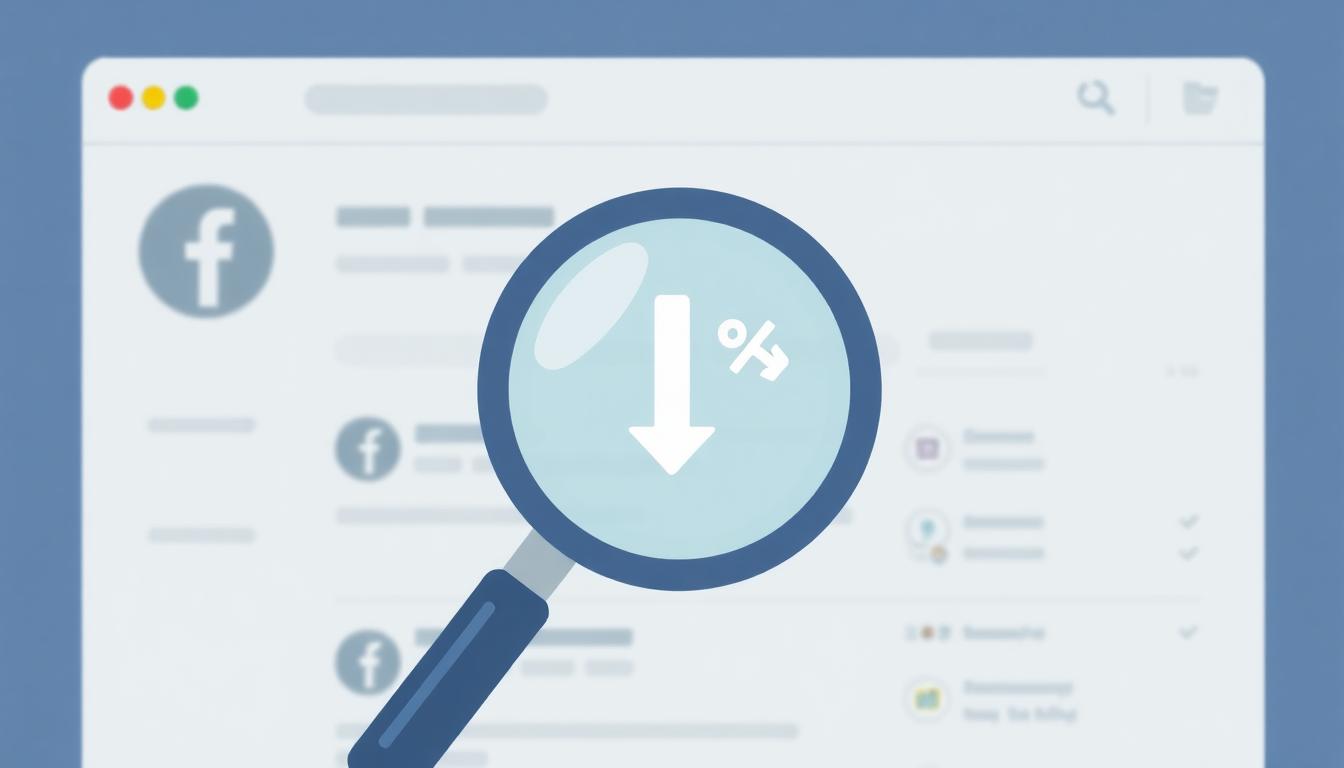
Image created with AI showing reduced reach and engagement caused by copyright strikes.
Risks of Channel or Page Termination
The most severe consequence of copyright strikes is losing your entire channel or page. YouTube has a clear three-strike policy: receiving three copyright strikes within 90 days can result in permanent channel termination. This means all your videos, subscribers, comments, and your unique channel name disappear forever.
Facebook follows a similar path. Multiple copyright violations can lead to content removal, page restrictions, or complete disabling of the page. In either case, you lose your community and everything you uploaded, effectively starting over if you want to return at all.
This scenario is like falling off a cliff after struggling through smaller drops. The key to avoiding this is careful control over your content, quick dispute responses, and staying within copyright rules to stop strikes from piling up.
You can review YouTube’s policies about strikes and termination in detail here. For Facebook, the Facebook Rights Manager and violation consequences explain demonetization and page penalties.
Taking these impacts seriously helps you protect your creative work, your audience, and your livelihood on YouTube and Facebook. Don’t wait to act once a strike appears; prompt response can keep a strike from turning into something much worse.
Resolving and Avoiding Copyright Strikes
Understanding how to respond to copyright strikes and prevent them can save your channel or page from lasting damage. It’s not just about reacting to strikes when they happen but also knowing how to prepare your content so it stays clear of trouble. Below, you’ll find practical guidance on using fair use and proper licensing to protect your work, combined with tips for monitoring strikes over time to keep your account in good standing.
Using Fair Use and Proper Licensing to Protect Your Content
Copyright law gives some room to use copyrighted material without permission under the principle of fair use, but it’s a narrow path. Fair use typically applies when your use is for commentary, criticism, news reporting, teaching, or research. The U.S. Copyright Office highlights this as an “affirmative defense,” meaning you can use it to fight a strike if your case fits. However, fair use depends on several factors:
- Purpose and character of your use (commercial vs. educational, transformative or not)
- Nature of the copyrighted work
- Amount and substantiality of the portion used
- Effect of your use on the market for the original
Fair use doesn’t cover simply copying parts of videos or music without changes or purpose. It’s better seen as a legal shield rather than a free pass. When in doubt, ask yourself if your use adds new meaning or message, or if it could replace the original for viewers.
Licensing is your best line of defense to avoid strikes. Obtaining rights directly from copyright owners or using content with clear licenses (like Creative Commons or royalty-free licenses) ensures your use is authorized. This applies especially to music, video clips, images, and sound effects. Many creators find value in using platforms that offer licensed media specifically made for content creators.
Steps to protect yourself include:
- Using royalty-free or licensed music, footage, and visuals.
- Keeping records of licenses or permissions.
- Contacting copyright owners when you want to use their work for approval.
- Avoiding large unaltered portions of copyrighted material.
If you want to read more, YouTube offers a clear guide on fair use on their platform, and the U.S. Copyright Office’s FAQ walks you through the basics.
Monitoring and Managing Strikes Over Time
Copyright strikes aren’t permanent marks against your channel. YouTube’s system is designed so strikes expire 90 days after the date issued, provided you don’t receive more strikes during that period. This expiration helps creators recover, but it requires careful management to avoid more strikes piling up. If a second strike happens before the first one expires, it resets the countdown on all strikes.
Facebook’s policies differ slightly. Strikes or copyright violations can last longer and repeat offenses carry heavier consequences affecting your page’s features and monetization privileges. Facebook encourages creators to resolve issues quickly and use their Rights Manager tool if available to track and manage content.
To keep your channels safe:
- Regularly check your platform’s copyright and notifications panels.
- Remove or edit content flagged or struck if possible.
- Respond swiftly by submitting counter-notifications or appeals if you believe a strike is incorrect.
- Contact copyright holders to request retraction or permission to reinstate removed content.
- Keep a strike log noting when each will expire so you can plan content uploads accordingly.
Routine monitoring helps you clear flags before they threaten your channel’s health. Think of strike management as tending a garden: neglect allows weeds to overgrow, but regular attention keeps it vibrant and thriving.
For more guidance, see YouTube’s official details on strike expiration and management in their copyright strike basics.
Photo by Pixabay
Taking control over copyright issues starts with understanding fair use limits, securing proper licenses, and carefully managing strikes when they occur. Keeping your channel or page clean from strikes preserves your ability to reach and grow your audience every day.
Conclusion
Copyright strikes can seriously disrupt your growth, earnings, and long-term presence on YouTube or Facebook. Strikes put your channel or page at risk of losing monetization, visibility, and eventually your entire account. These penalties are not just inconveniences; they threaten the connection you build with your audience and your ability to create freely.
Taking care with the content you post, respecting copyright rules, and using original or properly licensed material protects your work and your future online. By staying vigilant and managing strikes quickly, you keep control over your channel’s fate and preserve the trust of both your viewers and the platforms.
Focus on creating unique content that reflects your voice and vision. This approach not only helps avoid copyright trouble but builds a more authentic, lasting presence able to grow steadily over time. Protect your work, stay informed, and keep your creative journey moving forward.