




How Global Oil Trends Affect Fuel Prices at Indian Petrol Pumps.
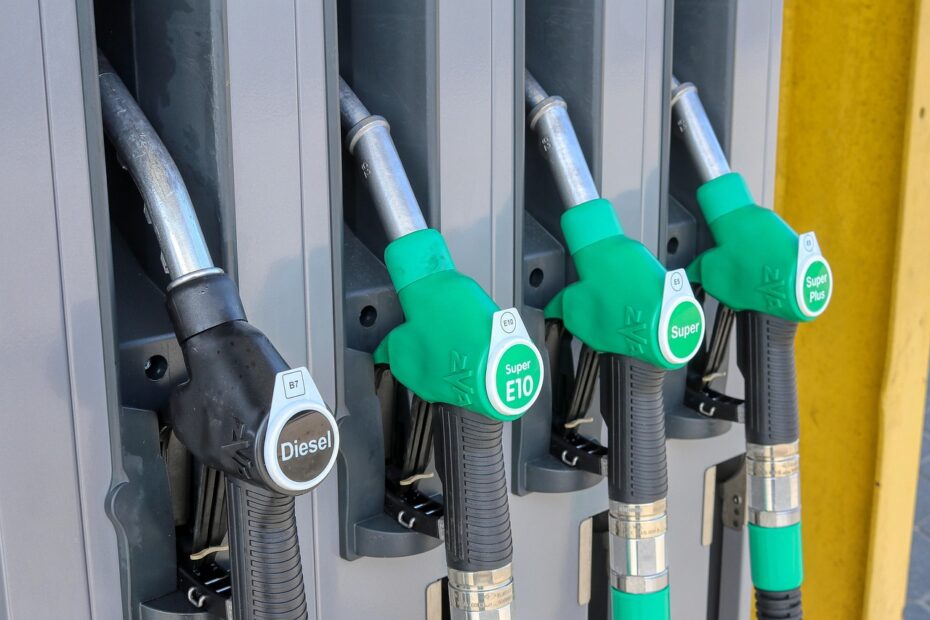 How Global Oil Trends Affect Fuel Prices at Indian Petrol Pumps.
Estimated reading time: 8 minutes
Thank you for reading this post, don't forget to subscribe!How Global Supply and Pricing Trends Translate to Fuel Prices at Indian Pumps
When you fill up your vehicle in India, the price you see on the pump reflects much more than just the crude oil cost. Understanding how international supply-demand trends and global pricing ripple through the entire fuel supply chain helps explain why petrol prices shift the way they do.
India’s exposure to global crude oil markets means any spike or drop in international oil prices quickly shows up in your fuel bill. But those raw costs don’t translate directly—there are multiple stages from crude oil purchase to the final litre sold at your neighborhood petrol station. Let’s unpack how each component adds up and why cheaper crude oil alone may not bring down prices the way you expect.
Components of Petrol Price in India
Fuel prices in India are a sum of costs at several stages. Here’s a closer look at what each part contributes:
- Crude Oil Cost: This is the biggest driver. India relies heavily on crude imports priced in US dollars. Global oil price changes, often triggered by geopolitical tensions or supply shifts, affect this cost directly.
- Refining Costs: Crude oil is processed at refineries into petrol and other products. Refining involves operational costs, technology investments, and margins that reflect refinery performance and global refining margins.
- Distribution and Marketing Costs: Moving petrol from refineries to storage terminals, transportation to retail outlets, and running petrol stations all add to the price. This includes dealer commissions and logistics expenses.
- Taxes (Excise and VAT): Taxes constitute a large chunk of the retail price. The central government levies excise duties per litre of petrol, while state governments add Value Added Tax (VAT), which varies by state. These can add up to 40-50% or even more of the final price.
Even if India gets cheaper crude oil at discounted rates, like when buying discounted Russian crude, the total petrol price isn’t guaranteed to drop much because taxes and some overhead costs stay fixed or even increase.
Why Cheaper Crude Doesn’t Mean Cheaper Petrol at Pumps
You might wonder why, despite buying oil at a discount on the global market, fuel prices here keep rising or staying high. Here are a few reasons:
- Fixed Tax Burdens: Taxes are predetermined and often adjusted by governments to meet fiscal needs. They don’t fluctuate with crude prices but are layered on top, limiting price reductions passed on.
- Rupee-Dollar Exchange Rate: Since crude is priced in dollars, a weakening rupee can offset any price advantage from cheaper crude imports.
- Supply Chain Costs and Inflation: Distribution, trucking, and retail operations face inflationary pressures that raise their costs, carried forward to consumers.
- Global Price Volatility: Sudden shifts in oil futures and spot prices can lead to rapid adjustments at retail levels to maintain margins or government revenue.
Impact of International Events on Price Volatility and Government Pricing Decisions
International events—such as conflicts, sanctions, or production cuts by oil producers—can cause crude oil prices to swing sharply. Because India’s petrol price is linked to these global prices, sudden volatility complicates pricing decisions.
To avoid passing on short-term price shocks to consumers, the government sometimes “buffers” fuel prices by adjusting excise duties or keeping pricing changes in check. But that doesn’t always balance out: to protect fiscal revenues or in response to inflation, taxes may even increase, keeping prices high despite global dips.
This means petrol prices at Indian pumps are more than just the international cost of crude oil; they reflect a complex equation involving global supply trends, currency shifts, refining margins, distribution networks, and tax policies.
For a deeper dive into the components influencing fuel prices in India, the Petrol and Diesel Prices overview by PRS India provides detailed insights into tax structures and pricing mechanisms. Also, this article from the Economic and Political Weekly explains how government taxes keep retail prices elevated even when crude oil prices fluctuate.
Future Outlook and Strategies for Managing Fuel Price Pressures
Fuel prices in India are likely to remain sensitive to global trends as demand continues to grow and market uncertainties persist. With the country’s rising population and expanding economy, petrol consumption is expected to increase steadily through 2025 and beyond. This means tackling price volatility will remain a top priority for policymakers and industry players alike. The rising fuel demand combined with external supply challenges demands well-rounded strategies to keep prices stable and protect consumers.
Projected Demand Growth and Market Challenges
India’s fuel demand is projected to grow at around 4-5% annually in the near term, driven by higher vehicle ownership, urbanization, and industrial activity. By 2030, India could see crude oil consumption increase significantly, maintaining its status as one of the world’s largest importers.
Yet, this rising demand coincides with an unpredictable global oil landscape. Geopolitical tensions, OPEC+ supply decisions, and currency fluctuations create frequent price swings. Managing these pressures is tricky because many external factors are beyond India’s control. Keeping the retail petroleum price stable while supporting economic growth will require careful balancing of policies and market responses.
Diversifying Crude Oil Supply Sources
A key strategy India is adopting to blunt the impact of supply shocks is expanding its crude oil sourcing from a wider range of countries. Instead of depending heavily on a few suppliers, the government and refiners are actively pursuing partnerships with 39 countries for crude imports, including from African, Middle Eastern, and Latin American producers.
This diversification helps reduce vulnerability to regional disruptions and sanctions. It also promotes competitive pricing and supply flexibility, giving India more control over import costs. Increased source variety fosters resilience against unpredictable events like conflicts or trade disputes that can disrupt single supply chains.
Expanding Renewable Energy and Alternative Fuel Use
India is accelerating its push toward renewable energy, aiming to hit an ambitious target of more than 500 GW of clean energy capacity by 2030. This shift, which includes wind, solar, and biofuels, will gradually reduce the economy’s overall dependence on petroleum products for power and fuel.
Encouraging electric vehicles (EVs), promoting ethanol blending in petrol, and investing in hydrogen and other clean fuels all contribute to easing pressure on petrol demand. By diversifying the energy mix, India creates a buffer against crude price shocks and supports long-term environmental goals.
Boosting Refining Capacity and Efficiency
India’s refining sector is also set for expansion, with new capacity scheduled to come online in the next five years. Increasing domestic refining capabilities can help reduce import dependence on refined petroleum products and enhance fuel availability.
Improved refining efficiency and modernization will also lower costs and allow India to maintain its position as a major exporter of refined fuels. However, as refining capacity grows, managing export volumes carefully will be crucial to avoid domestic supply squeezes that drive domestic prices upward.
Exploring Alternative Trade Partnerships
To combat the impact of sanctions and tariffs affecting crude supply, India is exploring new trade alliances, including stronger ties with countries like the United States. These relationships can secure stable crude supplies and open access to advanced energy technologies.
Developing bilateral agreements with energy-producing nations can protect India against risks from geopolitical disputes in traditional supply hubs and help navigate shifting global economic alliances.
Importance of Global Cooperation and Geopolitics
Fuel prices rarely move in isolation from international cooperation and diplomatic relations. India’s ability to negotiate stable crude supplies depends heavily on geopolitical climates and the shifting interests of major players like OPEC, the U.S., Russia, and China.
Collaborative efforts to sustain open global energy markets and avoid prolonged conflicts can dampen price volatility. India’s proactive diplomacy and engagement with multilateral forums will remain critical for shaping the future fuel price landscape favorably.
India faces a complex road ahead managing fuel prices. Expanding supply diversity, investing in renewables, increasing refining capacity, and nurturing new international partnerships all form pieces of a broader strategy. While global events will continue to create pressure, these efforts support greater energy security and more stable fuel costs for Indian consumers through 2030 and beyond.
For more on India’s strategic approach to energy and fuel price stability, Reuters provides a detailed report on The energy transition as a national security issue in India.
Conclusion
Fuel prices in India reflect a complex mix of global events, local factors, and economic policies. India’s heavy dependence on crude oil imports means that geopolitical conflicts, OPEC decisions, and currency fluctuations outside the country directly influence what consumers pay at the pump. Even changes far away—from Middle East tensions to US trade measures—can push prices up or down here in India.
Understanding these connections shows why petrol prices don’t just depend on local demand or supply but are shaped by an intricate global web. While India works to diversify sources and invest in renewables, global price swings and political uncertainties will continue to impact everyday fuel costs.
Staying informed about these global trends helps consumers make sense of price changes and highlights the importance of broader economic and diplomatic strategies in managing fuel affordability. Fuel prices are not just a domestic issue but part of a larger global story that affects the cost of travel and transport across the country.