

Funny Indian Election Ads 2025: Viral Memes, Street Jokes, and How Humor Shapes Voters
 Funny Indian Election Ads 2025: Viral Memes, Street Jokes, and How Humor Shapes Voters
Estimated reading time: 15 minutes
Thank you for reading this post, don't forget to subscribe!The Funny Side of Election Ads in India’s Markets (From Street Jokes to Viral Memes)
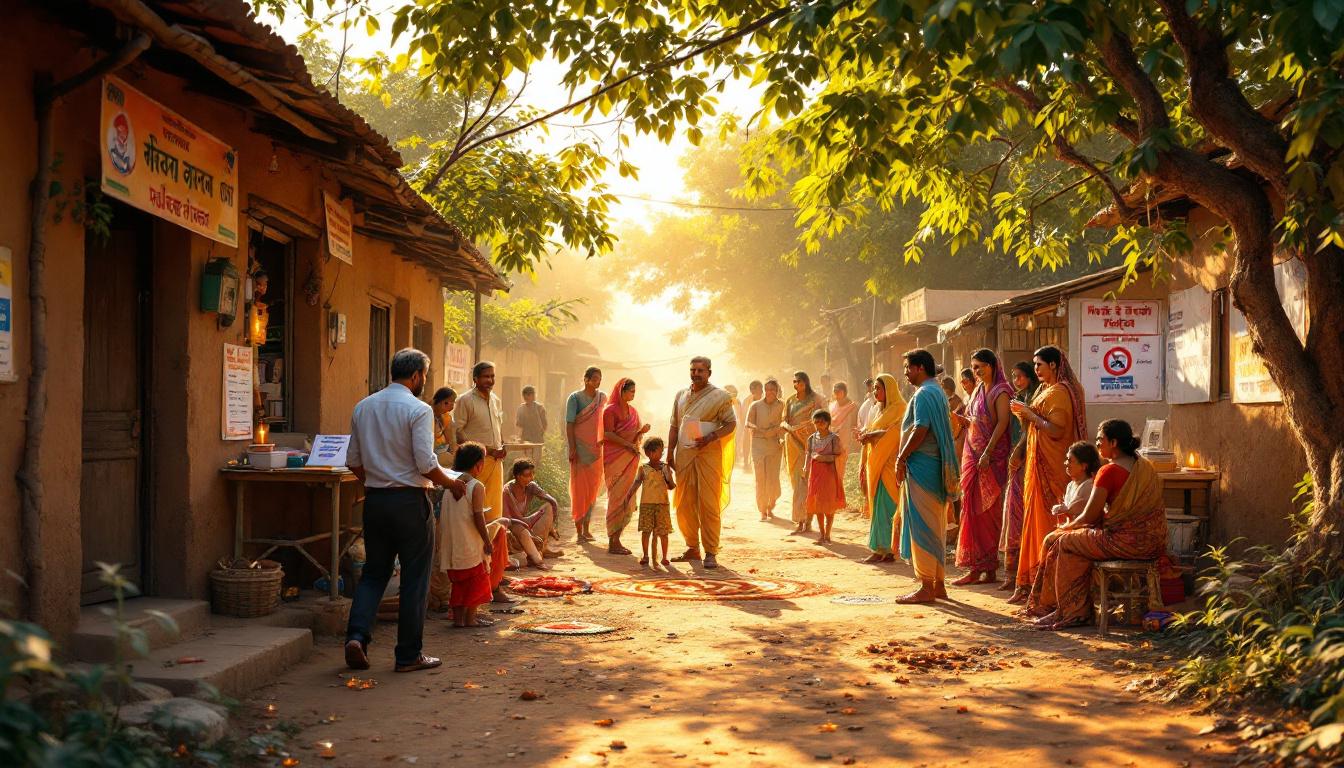
In the middle of a bustling Indian market, you might spot a billboard that doesn’t just shout election promises but cracks a cheeky joke about a candidate’s quirks. These humorous election ads quickly catch the eye amid a sea of serious political messaging, reflecting how voters connect with politics through laughter. Comedy in campaign ads isn’t just for fun—it mirrors the pulse of everyday people, lightening the mood and making politics feel closer to home.
Across India’s markets, humor gives campaigns a unique voice, cutting through noise with wit and everyday language. This post will take you through the memorable past and present of funny election ads, showing how jokes, memes, and street humor shape voter engagement and add a playful twist to democracy in action.
Historical Roots of Satire in Indian Election Ads
Humor has long been a way for Indians to engage with politics, and satire in election ads did not just appear overnight. The playful, mocking spirit traces back centuries, carrying through print, radio, and early television. These forms helped voters connect with politics on a personal level, transforming serious battles into shared stories filled with wit and laughter.
Early Print Cartoons and Pamphlets
Long before the internet or TV, caricature drawings shaped political discourse. Newspapers in colonial India featured sharp, exaggerated portraits of politicians, campaign promises, and public issues. These images exposed flaws with a grin, poking fun at both British rulers and local candidates. For example, publications like Parsee Punch and Awadh Punch earned popularity by lampooning British officials and Indian elites alike.
These cartoons did not stay confined to the printed page. Vendors sold pamphlets and cartoons across busy street stalls, turning satire into a mobile form of political commentary. People could read these on their way to work or home, opening conversations among neighbors. Many popular artists became household names, known for their quick wit and skilled draftsmanship.
Radio Jingles with a Comedic Twist
When radio became widespread, political parties adapted their humor to reach a rapidly growing yet mostly illiterate audience. Radio jingles used catchy tunes paired with witty, easy-to-understand lyrics that both informed and amused. These jingles often poked fun at opponents and exaggerated candidates’ promises, making the serious business of voting feel lighter.
One standout example came in the 1960s, when parties crafted jingles that blended folk music rhythms with playful lyrics about election myths and réalite. These jingles were not only memorable but repeated endlessly, turning radios into a channel of shared chuckles. This clever approach helped parties connect with voters who couldn’t read newspapers but wanted to stay informed and entertained simultaneously.
Television Spots That Used Parody
Television brought satire into the living room, introducing a visual, relatable layer of humor to election ads. Early TV spots often placed politicians in everyday, sometimes absurd scenarios to humanize—or ridicule—them. Imagine a mock family gathering, where the candidate is shown struggling to win over in-laws or navigating an awkward festival ritual. These scenes built a bridge from the distant political arena to the intimate home environment.
The public reception was mixed but impactful. Many viewers appreciated the fresh, humorous take that let them see politicians as flawed, approachable figures. Others found it bold for its time, as politics was traditionally treated with solemn respect. Over time, parody on TV became a trusted method of capturing voters’ attention and making campaigns more memorable.
In these ways, satire and humor have woven themselves into the fabric of Indian election advertising, a tradition that echoes through everything from hand-painted pamphlets to viral video clips today.
You can explore more details about the history of satire in Indian media and politics from this insightful article on colonial Indian satirical publications.
Modern memes and viral videos
As election seasons heat up across India, humor has found a new stage in the form of memes and viral videos. These bite-sized bursts of comedy spread fast, packing sharp political satire and playful jabs into seconds of video or a single image. The rise of AI tools, social media platforms, and regional flavor has transformed how these laughs travel, making election advertising not just serious messaging but a widely shared source of entertainment.
AI generated meme wars
Political parties are no longer relying only on traditional ads or hand-painted posters. AI now powers rapid creation of parody videos and memes that poke fun at rivals with clever twists. Recently, the BJP and Congress have dived into these AI meme battles, producing content that ranges from exaggerated caricatures to spoof campaign speeches.
These AI-generated memes hit social media feeds within minutes, allowing parties to respond quickly to each other’s moves. This fast back-and-forth fuels an ongoing meme war, creating a flood of viral clips both parties hope will capture public attention. The automatic generation tools bring variety and surprise, often crafting mashups that feel fresh and unexpected.
This new form of campaign weapon is proving its power as voters share memes across WhatsApp, Instagram, and Twitter, turning voting booths into arenas of humor and digital one-upmanship. These memes act as a shortcut for complex political messages, wrapped in a package everyone can laugh at — sometimes even as hard as they disagree. The Al Jazeera report on AI meme wars in India offers deeper insight into this emerging trend.
Social media platforms as humor hubs
Instagram, Twitter, and regional apps have become the foothills from which election memes, jokes, and parody videos spread like wildfire. Platforms use algorithms that reward content generating quick reactions. So, funny political posts often reach millions within hours—far beyond the original creator’s circle.
Instagram reels and Twitter threads are especially potent for humor. Twitter’s real-time nature allows political banter to escalate quickly, while Instagram’s visual appeal turns simple memes into slick, viral-ready ads. Regional platforms like ShareChat also boost jokes tailored to local languages and cultures, widening reach to voters in smaller towns.
Plus, these platforms encourage participation—it’s not just parties but ordinary users turning humorous takes into viral sensations. This mix of official and grassroots humor creates a lively ecosystem where political jokes are shared, remixed, and shouted out loud. This dynamic is changing how campaigns plan their messaging, turning laughs into powerful tools for engagement. The Times of India highlights how social media shapes election humor in India’s 2024 races here.
Regional language humor and local dialects
India’s diversity means a joke in Tamil might sound lost in Hindi or Marathi. Savvy creators know this well and tune their humor to regional audiences. Whether it’s playfully mocking a local politician’s speech or using dialect quirks from Bengal or Maharashtra, this localization makes political ads feel homegrown rather than distant.
Memes crafted in regional languages carry the warmth and familiarity viewers expect, turning political messages into shared laughs across street corners and tea stalls. The humor plays on local customs, phrases, and political history, making ads more relatable and fun. This tailored approach also taps into regional pride, drawing out cultural nuances that national campaigns might overlook.
This focus on language and dialect amplifies voter connection by speaking directly to everyday experiences, using humor as a bridge rather than a barrier. Through regional social platforms, these jokes get the push they need to spread widely, offering a rich variety of perspectives and punchlines.
Celebrity cameos and spoofs
A vibrant trend in viral election videos is the use of celebrity appearances. Film stars and cricket icons, beloved for their charm and influence, often pop up in mock campaigns and spoof ads. Sometimes these videos feature celebrities jokingly endorsing a candidate, other times they parody the election frenzy itself.
These clips catch instant attention and benefit from the celebrities’ fanbases. When a famous face lends their humor to a political jab or campaign gag, the shareability skyrockets. Beyond pure fun, such appearances also tie to brand partnerships, blending entertainment with strategic promotion.
The effect is a blend of pop culture and politics, where laughter serves as an accessible entry point to often complex campaign issues. Viral videos featuring cricket legends or Bollywood actors add star power and credibility to the joke, inviting viewers to laugh along while mulling over election themes.
With these elements combining, modern election advertising in India’s markets pulses with humor, from AI-crafted jabs to home-flavored jokes and star-studded spoofs, keeping politics entertaining and alive on every screen.
Brand‑style humor from commercial marketers
During election season, commercial marketers in India cleverly weave political themes and humor into their campaigns. This approach taps into the buzzing election energy and connects brands with consumers in fun, memorable ways. Instead of taking politics head-on, these brands use satire and witty wordplay to keep the tone light while staying relevant. Let’s explore how retail chains, fast food brands, and fashion labels bring humor alive during election times.
Retail chains using election themes
Retail stores often capitalize on election buzz with playful slogans and visuals on flyers and in-store displays. For example, during the last election season, some supermarkets ran campaigns urging shoppers to “Vote for Savings” with banners like “Your Cart, Your Choice: Elect Discounts Here!” These clever slogans made the crowd smile while reinforcing the idea that choosing the right products is just as important as voting.
Stores like Reliance Fresh and Big Bazaar creatively branded certain aisles as “Campaign Corridors,” complete with posters mimicking political rally boards but promoting products instead of candidates. In Mumbai, a popular electronics chain ran a flyer with the catchy line “Vote for Power, Choose the Best TV” alongside caricatures of politicians debating over TV models. The tone was lighthearted but instantly grabbed attention, turning shopping into an interactive campaign experience.
These local marketing moves didn’t just sell products; they created buzzworthy moments that people shared on social media, blurring the lines between politics and everyday shopping. Retailers thrived on making customers smile while encouraging a buying decision wrapped in humor and election spirit.

Photo by Tara Winstead
Fast food ads with political puns
Fast food chains clearly enjoyed the election buzz by serving meals with a side of humor. Imagine a burger joint linking its “Make Your Choice” combo with voting jokes or a tea stall advertising the “Chai for Change” campaign, where every sip came with a witty pun related to elections.
One memorable campaign by a Chennai-based burger brand played on election slogans with taglines like, “Our burgers win every time—no need for recounts!” The ad ran both online and at outlets, combining mouth-watering visuals with friendly political jabs, making voters chuckle as they grabbed a bite.
Public response to these ads was warm, with many customers sharing photos of burger boxes stamped with funny slogans like “Poll Booth or Food Booth? Here, you get both.” Social media amplified these campaigns, turning simple meals into a language of gentle election satire that even non-political crowds could enjoy.
In the competitive food sector, these playful campaigns not only boosted sales but also nurtured brand loyalty by showing the brand’s lighter side, blending food and fun.
Fashion brands turning slogans into jokes
Election season also sparked creativity in the fashion world. Many clothing brands printed witty political and social slogans on T-shirts, caps, and tote bags, blending pop culture with election humor.
Brands like Wrogn and Bewakoof launched limited edition lines featuring punchy slogans like “Manifesto of Style” and “Vote for Your Inner Rockstar.” These pieces often took election catchphrases and flipped them into jokes about voter fatigue, campaign dramas, or political promises. The mix of edgy text and graphic design turned traditional campaign expressions into wearable humor.
Mumbai-based street wear labels made tees with slogans such as “Polling Booth Survivor” and “Election Fever: Caught it Fashionably.” This approach attracted young urban shoppers who enjoyed making light of the serious election atmosphere with style.
Fashion brands also collaborated with social influences to promote these humorous designs, blending satire and trends. This not only sparked conversations online but also helped fashion turn election commentary into statements people could literally wear, making politics part of personal style.
These examples show how brands use election themes to bring humor beyond the political arena. By weaving light-hearted jokes into retail, food, and fashion, marketers tap into the festive election mood while keeping the vibe playful and engaging. This mix of commerce and comedy offers consumers a fun way to engage with politics from a different angle during election season.
Impact of Funny Ads on Voter Perception
The use of humor in election advertising adds a unique angle to voter communication. Funny ads in India’s political markets often grab attention faster and hold it longer than traditional serious messaging. Voters enjoy a moment of lightness amid the usual campaign noise, but humor’s impact goes beyond smiles. It shifts how people engage, what they trust, and even how legal boundaries are tested during elections. Let’s explore these key effects in detail.
Engagement metrics and share rates
Humorous political ads generate noticeably more engagement on social media compared to serious ones. Research and observed election cycles in India show that funny posts generally receive:
- Higher likes: Voters tend to react more positively to humor, with likes on funny political posts often doubling those of serious ads.
- More shares: Humor encourages users to share content within their networks, amplifying reach rapidly. Share rates can be 1.5 to 3 times greater for comedic posts.
- Increased comments: Funny ads spark more conversations. Voters comment not only to laugh but also to debate or add their own jokes, creating active participation.
For instance, during recent election seasons, BJP’s humorous posts about political rivals or quirky scenarios gained viral traction on Instagram and Twitter, outpacing straightforward promotional ads. This pattern holds especially for memes, short clips, and playful parodies, which fit mobile browsing habits and the social appetite for entertainment.
While humor boosts interaction, the depth of engagement varies. Sometimes voters enjoy the joke but don’t necessarily develop strong political opinions from it. However, increased visibility can indirectly influence awareness and recall, important factors in voting decisions.
Trust and credibility concerns
While laughter draws attention, humor can risk watering down the seriousness of a message. Voters might question whether a candidate using funny ads is sincere or just trying to charm their way through the campaign. Here’s how humor affects trust:
- Perception of candidate seriousness: Voters expect leaders to balance approach ability with gravitas. Overuse of funny ads might make a candidate seem less professional or committed.
- Message clarity: Comedy can obscure key policy details or make critical issues seem less urgent. Jokes tend to simplify complex topics, which sometimes frustrates informed voters.
- Voter segmentation: Younger and urban voters are more likely to appreciate witty ads, while older or rural demographics may prefer straightforward communication.
Candidates often blend humor with serious posts to maintain credibility. Strategic humor signals confidence—“I’m comfortable enough to laugh at myself or my opponents”—but too much may backfire, making voters question the candidate’s priorities.
Voters also scrutinize source authenticity. A funny meme from an official campaign account gains some trust. But anonymously shared jokes or meme pages spreading satire might be viewed skeptically, raising concerns about misinformation.
Potential backlash and legal issues
Political satire walks a thin line in India. Funny ads sometimes provoke complaints or legal challenges. These risks come from:
- Defamation claims: Jokes targeting individual politicians or parties can lead to lawsuits if perceived as damaging reputations unfairly.
- Cultural sensitivity: Humor that offends religious, ethnic, or regional sentiments may spark protests or official warnings.
- Election laws: India’s Election Commission enforces rules on campaign conduct. Ads that cross into hate speech, misrepresentation, or false claims can be banned or fined.
Recent examples include AI-manipulated political ads approved on social media platforms despite containing slurs or inflammatory content, sparking public outcry and regulatory scrutiny. A clear balance is needed between protecting free speech and preventing harmful misinformation.
Campaign teams must stay aware of legal frameworks while designing humor-based ads. Satire that punches up—making fun of those in power—tends to fare better than humor targeting vulnerable groups or spreading falsehoods. Careful vetting and rapid response to complaints are crucial to avoid costly setbacks.
By examining engagement, trust, and risks, it’s clear funny election ads reshape how voters see campaigns in India’s markets. They invite interaction and attention but demand a careful balance to maintain respect, clarity, and legality. Humor is a powerful tool, but like any tool, it works best in the right hands and context.
Explore deeper studies on political humor and public engagement, such as this research on stand-up political comedy and opinion sharing in India, to understand how laughter shapes democracy today.
Conclusion
Funny election ads in India’s markets do more than just entertain—they grab attention, spark conversations, and make politics feel approachable. From vintage cartoons and radio jingles to viral AI memes and witty brand campaigns, humor cuts through the serious tone that often surrounds elections. This blend of laughter and messaging boosts engagement and helps political voices stand out in crowded spaces.
Yet, humor must be used carefully. Overdoing it can undermine a candidate’s seriousness or cloud important issues. It also carries risks of backlash or legal troubles when jokes cross lines. Marketers and campaigners have a responsibility to keep humor sharp but respectful, ensuring it connects without offending.
As India’s election ads evolve, laughter will remain a powerful tool—if handled with intelligence and care. Brands and politicians should use it thoughtfully to build trust, create memorable moments, and keep voters both entertained and informed.