


Global War 2025: Current Conflicts, Causes, and Global Trends Explained
Estimated reading time: 17 minutes
Thank you for reading this post, don't forget to subscribe!International War Today (2025): Key Conflicts, Trends, and What Comes Next
Every part of the world in 2025 feels the ripple of war. Conflict is rising, with fresh violence in places like Ukraine, Gaza, Sudan, and the Sahel, while older disputes refuse to fade. Major powers, shifting alliances, and local militias keep borders tense and peace talks stalled.
Knowing the current shape of these wars isn’t just for diplomats or soldiers. Lives, stability, and global security are at stake. Humanitarian needs are soaring as fighting disrupts everyday life and forces millions to run. Power struggles in the Middle East, Africa, Asia, and Eastern Europe now touch everyone—whether through prices, migration, or the threat of something bigger.
A clear look at today’s war hotspots, key trends, and what’s ahead helps put the headlines in context. This guide breaks it all down so you can track what’s driving these conflicts and why it matters for the world right now.
For a recent video take, check out this YouTube update on the topic.
Major Current Conflicts: A 2025 Snapshot
In 2025, global conflict zones stay in the headlines for grim reasons: wide destruction, mass displacement, and long losses. Many wars have dragged into another year, while new skirmishes have flared up in old trouble spots. Let’s break down the biggest, most brutal fights shaping the world right now and why they matter. This section covers death tolls, cities in ruins, major escalations, and the human stories caught in the crossfire.
Ukraine: Europe’s Frontline
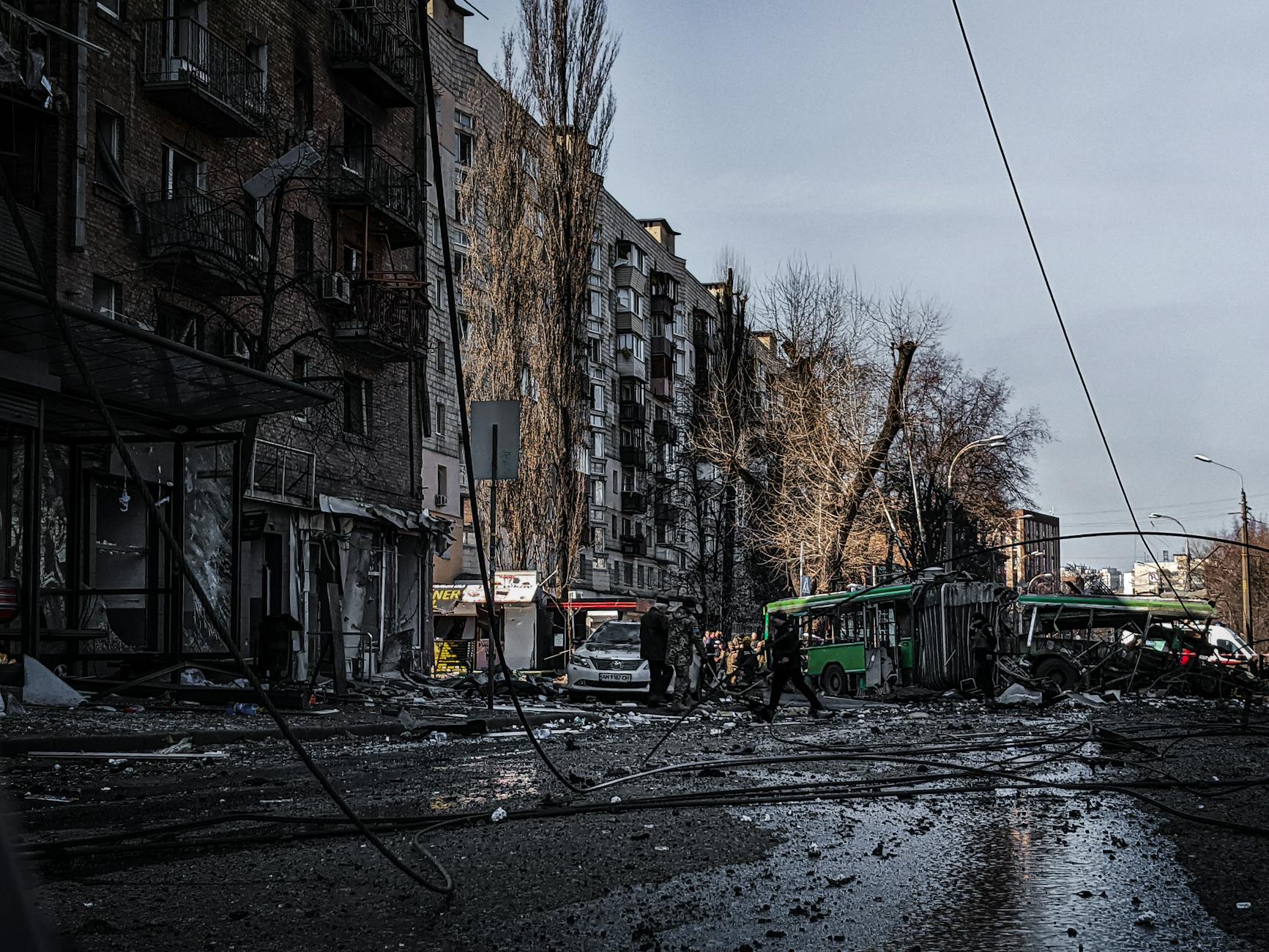
The war in Ukraine barrels into its fourth year. Urban destruction stretches from Kyiv to Donetsk, with many cities battered by artillery and drone strikes. Russia still controls large parts of the east and south, but Ukraine pushes back with strikes and local advances. At least 54,000 died in 2025, pushing the total wartime dead beyond 400,000. Over 10 million Ukrainians remain displaced inside and outside their homeland. Each new offensive leaves more families in temporary shelters, waiting for a break in the fighting (BBC Ukraine War).
- Key facts:
- Conflict began: February 2022
- Estimated total deaths: 400,000+
- Displaced: 10 million+
- Recent news: Stalemate at the front but regular drone and missile attacks, sporadic peace talks
Stay updated with the Global Conflict Tracker’s Ukraine section for in-depth reports.
Gaza and Israel: Devastation and Displacement
The Gaza conflict, which exploded in October 2023, continues through 2025. Airstrikes, ground operations, and border violence leave entire neighborhoods reduced to rubble. Hospitals and aid workers struggle to keep up, and the UN calls Gaza’s humanitarian crisis “historic” in scale. By September 2025, over 64,000 Palestinians and thousands of Israelis have died. At least 164,000 are wounded, with many trapped behind shifting frontlines (Al Jazeera: Gaza conflict liveblog).
- Key facts:
- Conflict re-ignited: October 2023
- Estimated deaths: 64,871 Palestinians, thousands of Israelis
- Wounded: 164,610+
- Ceasefire: Short-lived truces but fighting resumes
Read on the Global Conflict Tracker’s Israel-Palestine section for ongoing developments.
Middle East: Iran, Syria, and Yemen’s Ongoing Strife
Conflicts in the broader Middle East remain tangled. In Syria, bloody battles continue between government troops, rebel groups, and foreign fighters, all while millions of refugees linger in limbo. Iran’s involvement stretches from supporting proxies in Yemen and Lebanon to clashing directly with Israel. In June 2025, Iran launched ballistic missiles at Israel—a rare direct strike.
Yemen’s long civil war has devastated cities and left over 23 million people in urgent need of help. The combination of bombings, sieges, and famine puts the country at the edge.
- Key facts:
- Estimated deaths in broader Middle East (2024-2025): Over 40,000
- Millions need food, water, and medicine
- New alliances shift as external powers test limits
Follow regional updates from resources like ISW’s Iran Update and the Middle East Overview (ACLED).
Africa: Sudan and Democratic Republic of Congo
Sudan: Civil War’s Mounting Toll
The fight between rival generals in Sudan is now one of the world’s deadliest crises. Entire neighborhoods in Khartoum, Omdurman, and the Darfur region are scarred by shelling. Over 150,000 people are dead, and violence has forced 12 million from their homes—the largest displacement on record for this conflict. Hunger and disease stalk these refugees, with aid supplies often blocked or destroyed (BBC Sudan War, Rescue.org crisis brief).
- Key facts:
- Conflict reignited: April 2023
- Dead: 150,000+
- Displaced: 12 million+
- UN reports “worst hunger in a generation”
DRC: The Great Lakes Still Boiling
Eastern Congo remains a flashpoint, especially around Goma. Armed militia attacks, especially by M23, have killed hundreds in 2025 alone. Over 7 million people have fled their homes in the DRC, and the fighting regularly spills into neighboring countries.
- Key facts:
- Major uptick in violence: 2024-2025
- Dead: Hundreds in 2025, thousands since onset
- Militia rule large areas
Check the UN’s DRC coverage and CFR conflict tracker on the DRC for recent reports.
Asia-Pacific: Myanmar, India, and Pakistan
Myanmar: From Coup to Chaos
The junta’s failed attempts to regain control have turned much of Myanmar into battlefields. Armed resistance movements hold large regions, while the military ramps up “scorched earth” tactics, burning villages and displacing millions. Over 10,000 died in 2025, and more than 2.5 million are now homeless (HRW Myanmar report).
- Key facts:
- Coup: February 2021
- Dead in 2025: 10,240+
- Displaced: 2.5 million+
India-Pakistan: New Flashpoints
Brief but fierce fighting erupted along the India-Pakistan border in May 2025, with drones and artillery shaping the clashes. Both sides eventually agreed to a ceasefire after less than a week, but tensions linger. Previous conflicts have often turned deadly with hundreds killed and media blackouts.
- Key facts:
- Flare-up: May 2025
- Deaths: Hundreds estimated
- Ceasefire: Quickly restored but fragile
Updates and peace signals are tracked in the 2025 India–Pakistan conflict summary.
Across these war zones, local and global impacts ripple into food prices, migration, and renewed calls for international aid. With decades-old wars entering new chapters and fresh ones breaking out, 2025 shows us how conflicts are changing—and why they still touch everyone’s life.
Key Trends Shaping Modern Warfare
Modern warfare in 2025 looks and feels different from even a decade ago. Wars are more unpredictable and complex, thanks to new technologies, shifting alliances, and a rising number of civilian casualties. For anyone trying to make sense of international conflict right now, it’s key to spot the patterns that define today’s battles. Let’s break down what is changing and why it matters.
1. The Return of Interstate Wars
State-led wars are back on center stage. Russia’s invasion of Ukraine in 2022, now spilling into its fourth year, set off alarm bells for governments around the world. Warfare between nation-states, something many once thought less likely after the Cold War, is now an undeniable reality.
Unlike local skirmishes or civil conflict, state-on-state wars carry real risk of escalation. Nuclear-armed states like Russia show a new willingness to test red lines. This shift forces other countries to rethink defense plans, beef up alliances, and spend more on military readiness. The 2025 Global Peace Index ranks Russia, Ukraine, and Sudan among the least peaceful countries, with deadly wars driving mass displacement and fear across borders. For more insights on current conflict risk, CrisisWatch’s July Trends and August Alerts 2025 offers detailed monitoring of ongoing flashpoints.
2. Weapons Technology: Drones and Missiles Dominate
Modern battlefields are full of surprises—especially from the sky. Small, cheap drones now scout enemy positions, drop explosives, and even shoot video for social media propaganda. Armies and rebel groups both use them, making old weapons and tactics less effective.
Missile strikes are another defining trend. Precision missile technology means sudden attacks on power plants, cities, or troop bases anywhere within range. In Ukraine and Gaza, for instance, drones and missiles have caused mass destruction far from frontlines nearly overnight. Drones have become so accessible that organized crime and terror groups use them in urban areas, too. This wave of drone warfare is rapidly changing the pace, cost, and rules of modern fighting. For more on how drones shape conflicts, check out this research on non-state actors and UAV threats.
3. Rise of Non-State Actors
Governments no longer control every battle. Armed groups, militias, and even criminal syndicates play a huge role, sometimes holding ground as powerful as small armies. In places like Yemen, Sudan, and Congo, these non-state fighters use drone strikes and hit-and-run tactics to dodge traditional armies.
Thanks to social media and cheap tech, these groups recruit, fundraise, and launch attacks in ways that traditional war planners never imagined. Their flexibility and local knowledge often give them the edge over slower, state-led forces.
4. Impact on Civilians: Humanitarian Crises Worsen
War is more about civilians than ever. Cities are now fair game for strikes, leaving entire neighborhoods ruined and public services gutted. Hospitals, schools, and aid convoys are hit almost weekly.
- Mass displacement: Millions are on the run, crowding into refugee camps or foreign countries.
- Hunger and disease: Blocked supply lines and destroyed infrastructure unleash urgency for basics like food and water.
Humanitarian law struggles to keep up. Groups on all sides regularly strike civilian areas, and accountability is rare. According to the 2025 Worldwide Threat Assessment, the civilian cost of modern wars has skyrocketed, with international courts and laws often failing to deter the worst abuses.
5. The Challenge of Peace Talks
Getting warring sides to the table is harder now. Too many players, shifting alliances, and the rapid spread of violence make traditional peace deals less likely. State actors hesitate to negotiate if they sense weakness, while non-state groups face no political cost for walking away from talks.
Ongoing wars in Ukraine, Gaza, Sudan, and elsewhere show how fragile or short-lived ceasefires often are. New peace efforts have to account for technology, outside sponsors, and the complicated web of local and global interests. Even where talks begin, they frequently stall under pressure from frontline events.
Table: Big Changes in War, 2015 vs. 2025
| Trend | 2015 | 2025 |
|---|---|---|
| Main Fighters | States, local militias | States, non-state actors, syndicates |
| Key Technologies | Tanks, jets, IEDs | Drones, missiles, AI, cyberweapons |
| Civilian Impact | High but less urban | Extreme, often urban, mass displacement |
| Peace Talks | Regular, UN-brokered | Far more difficult, often unstable |
Modern warfare constantly shifts. Tracking these trends helps make sense of today’s battles—and what the future might bring for anyone caught in the crossfire.
The Impact of War on Global Politics and Ordinary Lives
War in 2025 shapes everything from the alliances between world powers to the daily routines of families caught in crossfire. While politicians redraw maps and negotiate behind closed doors, the ordinary person feels the sharpest impact—sometimes at the kitchen table, sometimes at a border fence. In this section, we dig into the big-picture shifts and the small details that show why these wars matter so much right now.
Remaking Global Politics and Alliances
International war today scrambles old alliances and builds new ones, often out of fear rather than trust. Countries that were rivals now find themselves on the same side, not out of friendship but because bigger threats are looming. The war in Ukraine has pushed NATO countries to spend more on defense, while others hedge by making quiet deals with neighbors or former foes. New partnerships form as countries search for reliable sources of energy or military support, and the risk of accidental flare-ups grows.
Major wars now pull in outside powers much faster. Regional players in the Middle East, Africa, and Asia form loose coalitions or swap support for weapons and aid. A conflict in one region can send shockwaves across continents, making global cooperation both more urgent and more complicated. For a deeper look at how these pressures build and what’s at risk when global teamwork fails, see the 2025 Global Risks Report.
Displacement: Families on the Move
Nothing rewrites the story of ordinary life faster than war-driven displacement. People who once lived peaceful, steady lives can become refugees overnight, with little more than a backpack or plastic bag. In 2025, more than 2 billion people live in countries touched by violent conflict, and millions are now on the move because of war. The scale is staggering.
The journey is rarely safe. Refugees escape one danger only to find others—bandit attacks, hunger, borders slammed shut, and cramped, unsanitary shelters. Those left behind survive in half-ruined cities without steady electricity, clean water, or schools for their kids. According to the Norwegian Refugee Council, aid workers warn that the world is facing a global displacement crisis as basic support dries up and political attention waivers.
- Key facts:
- Millions forced from their homes since 2023
- Largest increases in displacement seen in Sudan, Gaza, and Eastern Europe
- Overcrowded camps, rising disease, and constant hunger
Economic Effects: Energy, Food, and Prices Everywhere
War doesn’t just shatter cities; it hits wallets worldwide. Bombed roads and ports slow the supply of wheat, corn, and fuel. Sanctions and blockades mean fewer oil tankers on the move, which leads to higher prices at the gas pump and the grocery store, even if you live far from the fighting.
Families in conflict zones skip meals, cook with dirty water, or line up for hours for a loaf of bread. Internationally, as supply chains break, prices spike for everyone. The Global Report on Food Crises 2025 explains how violence, destroyed farmland, and abandoned crops have added to the surge in food costs and shortages in countless countries.
Key economic outcomes linked to today’s wars:
- Energy prices rise: Fighting in oil and gas regions means sudden hikes in global fuel prices.
- Food insecurity soars: Blocked ports and ruined farmland send food prices up and supplies down.
- Global inflation: Costs ripple across borders, creating new economic pressure on both rich and poor nations.
Want more detail? SP Global’s 2025 outlook connects today’s conflicts with rising prices and shaky global markets.
Humanitarian Aid: Keeping Hope Alive in Dangerous Places
Delivering life-saving aid is always toughest where it’s needed most. In places like Gaza and Sudan, workers struggle just to cross checkpoints, let alone deliver food or medicine. Warehouses get bombed, convoys risk ambush, and bureaucracy slows things down even more.
- In Gaza: Aid entry is controlled, border access often shut, and bomb damage leaves whole blocks unreachable.
- In Sudan: Civilians go hungry as fighting closes roads and forces aid groups to evacuate staff.
Even with these hurdles, aid groups do their best to keep hope alive. Nurses and volunteers risk everything just to bring clean water or basic medical care to those left behind. But the world’s growing fatigue and tight budgets make it even harder to keep up with the swelling needs. The 2025 Global Humanitarian Overview sheds light on the scale of ongoing needs and the uphill battle to meet them.
Daily Reality for Families Living Through War
For millions of families, war turns everyday moments into battles for survival. School might be a distant memory after buildings are shelled or used as military outposts. Grocery shopping becomes a trade for flour or canned beans. At night, families huddle in basements or shelters, waiting for the next air raid siren.
Common struggles for families in conflict zones:
- Keeping children safe and fed
- Finding clean water and basic medicine
- Staying in touch with relatives scattered by war
War spares no one, but it shapes each life in uniquely harsh ways. From shifting alliances in distant capitals to the kitchen tables of bombed-out homes, the impact is everywhere—felt in headlines, price tags, and the quiet hope for peace that never quite goes away.
What Lies Ahead: Risks and Hopes for Peace
Looking to the future, the world faces a mix of threats and chances for peace. Fresh outbreaks and old grudges keep the risk of new wars high, but global attention and smart diplomacy give some reason to hope. Ordinary people, policy makers, and peace advocates all want to know—could the violence grow, or is there a path to end the fighting?
Major Risks: More Conflict and Nuclear Danger
Conflicts from Ukraine to Gaza could grow if local or outside powers join the fray. When problems in one region spill over, others often pile on, making peace much harder. Tension between nuclear states is no longer a Cold War worry. In 2025, Russia, the United States, India, and Pakistan all have nuclear stockpiles. Military movements or a surprise attack could trigger a wider crisis before leaders have time to react. The SIPRI Yearbook 2025 warns that arms control deals are weaker than they’ve been in decades, and a new arms race could make the world even less safe.
Barriers to peace include:
- Distrust between rivals: Russia and the West, India and Pakistan, Iran and Israel.
- Arms buildups: More advanced missiles and growing spending on drones and cyber weapons.
- Weak diplomacy: Many talks either stall or fail before agreements take root.
- Too many players: Militia groups, private armies, and crime syndicates can keep violence burning even when governments push for a deal.
For more detail on brewing flashpoints and their risks, see Conflicts to Watch in 2025.
The Obstacles Facing Diplomacy
Why does peace seem so far away for many? Rival countries back different sides, hoping to boost their influence or weaken their adversaries. Old enemies like North and South Korea, or India and Pakistan, rarely meet face to face. Even when diplomats do shake hands, brief ceasefires often fall apart under the weight of new attacks or deep-seated mistrust.
Today, there is also waning trust in international organizations meant to broker peace. Some countries ignore United Nations rulings or refuse to honor past deals, which leads to a cycle of blame. The Global Peace Index 2025 puts several active war zones right at the bottom of its global rankings, highlighting the challenge of making fragile peace stick.
Signs of Hope: Seeds of Peace and Global Awareness
It’s not all gloom. Ceasefire deals, humanitarian pauses, and backchannel talks pop up even in the messiest wars. Some regional and community-led efforts, often away from cameras, have kept small areas calm or pushed warring sides to reconsider. Brave people in war zones work to build trust and start dialogue—sometimes risking everything for just a sliver of normalcy.
A few reasons to remain cautiously hopeful:
- Popular pressure: Global protests and social media can raise the cost of targeting civilians or blocking aid.
- New peace initiatives: Some remote diplomacy projects show it’s still possible to bring rivals to the table.
- Youth and grassroots movements: These often push for safety, jobs, and a break from violence over loyalty to old causes.
- Wider understanding: More people now see the price of war shows up at their own dinner table or grocery bill.
International organizations, regional powers, and even unlikely local heroes still have room to push for peace. As news, social media, and global economies tie us closer together, the call for stopping wars grows too.
For a fresh perspective on where peace efforts stand and what could break the cycle, see this overview of 10 Conflicts to Watch in 2025.
The Race Between War and Peace
At the end of the day, the world feels like it’s racing between rising conflict and scrambled efforts to save lives and restore calm. How that race ends will depend as much on diplomacy, innovation, and global pressure as on the moves made in war rooms. For anyone tracking these stories, tomorrow’s headlines may hinge just as much on hope as on risk.
Conclusion
War in 2025 is not just a distant headline. Its effects reach every community, from frontline cities to neighborhoods on the other side of the world. While violence in Ukraine, Gaza, and Sudan shows the deep cost of armed conflict, each crisis also reminds us of how powerful awareness, advocacy, and generosity can be.
Staying informed helps keep the needs of displaced families, aid workers, and peacebuilders in the public eye. Every voice and share matters—whether supporting trusted relief organizations, voting with peace in mind, or encouraging honest talk about the root causes of these wars.
Lasting change will take action from people everywhere, not just world leaders. Thanks for taking the time to learn and care about these urgent issues. If this post moved you, consider spreading the word or supporting humanitarian efforts that make hope possible for those living through war.