



India’s $5 Trillion Economy: 2025 Progress, Outlook, Key Drivers
 Key Drivers Powering India to $5 Trillion
Estimated reading time: 9 minutes
Thank you for reading this post, don't forget to subscribe!India’s 5 Trillion Dollar Economy: Progress and 2025 Outlook
India’s rise is picking up speed, and the target is bold, a $5 trillion economy by the late 2020s. In a decade, the economy has climbed from about $1.7 trillion in 2014 to roughly $4 trillion in 2025, powered by investment, services, and a young workforce. This momentum is why so many now call India an emerging economic powerhouse.
Why does this matter? For global markets, it means a larger share of demand, supply chain depth, and fresh capital flows. For everyday Indians, it points to new jobs, rising incomes, better infrastructure, and broader access to credit and digital services.
This post tracks where things stand today on India’s 5 trillion economy journey, what has driven the surge, and what could accelerate it. You will see how manufacturing scale-ups, digital public goods, and steady infrastructure spend are shaping growth. You will also see where pressure points, like inflation, skills, and logistics costs, still bite.
We will highlight the near-term progress, from strong GDP prints and bank balance sheet clean-ups to export pivots in electronics and chemicals. Then we will break down the core growth drivers that can keep India’s run intact, consumption strength, formalization, investment cycles, and technology gains.
No story is complete without the tough parts. We will address challenges, such as urban housing, energy security, trade gaps, and the need to lift female labor force participation. Expect clear, practical strategies that policy makers and businesses can use now.
If you want a simple, confident read on how India can get from here to $5 trillion, you’re in the right place. Let’s set the stage and move from headlines to specifics, with a focus on what really shifts the dial.
Watch for quick takeaways and data that make the outlook clear, plus a short video primer that adds context:
India’s Impressive Economic Progress So Far

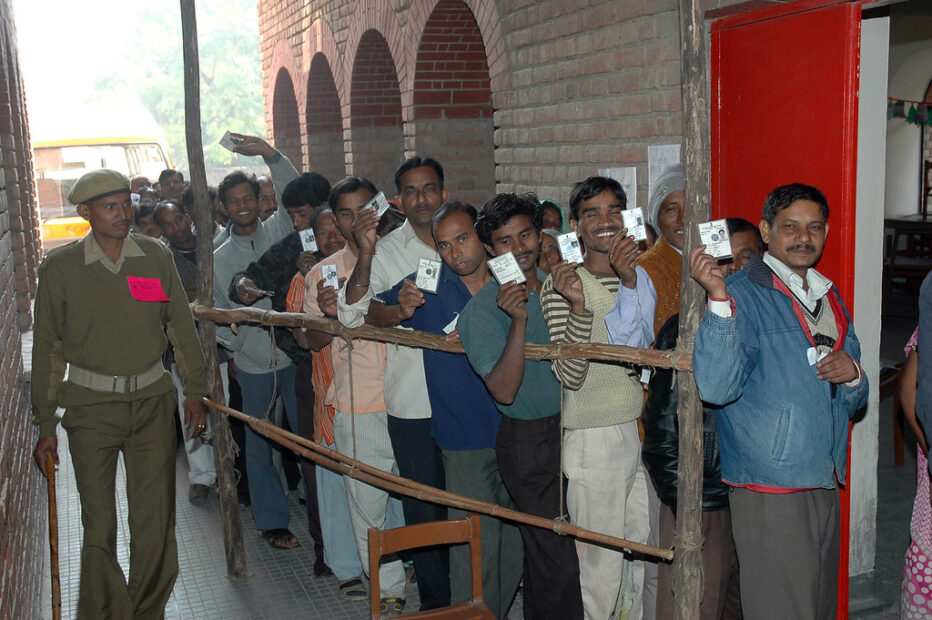
Photo by Yogendra Singh
India’s growth engine is running hot. GDP is about $3.8 trillion today, with output on track to touch $4.27 trillion soon. The economy expanded 6.5% in FY24/25, the fastest among major economies, even as global trade and inflation stayed choppy. Policy reforms, stronger banks, and steady public capex are doing the heavy lifting.
Recent GDP Growth and Projections
The growth story has been broad and steady, with investment, services, and manufacturing each adding steam.
- Over the past decade, the economy expanded by about 66%, driven by formalization, digital rails, and infrastructure upgrades.
- FY24/25 real growth came in near 6.5%, keeping India at the front of the pack. See the World Bank’s latest India overview for context on growth and inflation dynamics: World Bank India Overview.
- Real GDP, which adjusts for inflation, is expected to grow 7.8% in Q1 FY 2025-26, signaling a strong start to the year, per a recent PIB note: PIB on GDP momentum.
- To reach $5 trillion by 2028-29, India needs 8-9% annual real growth for several years. That calls for high investment rates, faster productivity, and sustained export gains.
What does this mean for people and firms? More jobs, higher incomes, and better credit flow as capacity expands.
Key Milestones in India’s Economic Journey
A few markers show how far the economy has come and where it is headed next.
- Third-largest economy by 2030: On current trends, India moves up the global ranking, reflecting scale and rising per-capita demand.
- Stronger capital markets: Record demat accounts, steady IPOs, and deeper domestic flows support financing for startups and industry.
- Shifting consumer patterns: Premiumization in FMCG, a rise in discretionary spend, and growth in travel and electronics.
- Ease of doing business and targeted industrial policies: GST, IBC, PLI, and digitized compliance reduce friction, attract investment, and push manufacturing.
- Why it matters: These shifts create better jobs, raise household savings, and upgrade living standards through improved logistics, housing, and services.
The result is a more confident cycle, where investment fuels jobs and jobs fuel demand.
Key Drivers Powering India to $5 Trillion
India’s growth flywheel is now investment, technology, capital, and talent. These drivers feed off each other, lower costs, and raise productivity. The impact shows up in faster build-outs, rising formal employment, and a steady shift to higher value work.
Booming Infrastructure Investments
India infrastructure boom is the backbone of faster growth. Roads, railways, ports, airports, and power upgrades cut travel time, reduce logistics costs, and open new markets. The National Infrastructure Pipeline and allied programs signal a multi-year build cycle backed by public capex and private participation. See sector snapshots here: Infrastructure Sector in India.
Urban development is a force multiplier, from metro corridors to water and waste systems. Robust cement demand from highways and housing underscores the pace on the ground. To keep projects on time and on budget, use a tight playbook:
- Front-load clearances: Lock land, utilities, and environmental approvals early.
- EPC discipline: Standardize designs, tie payments to milestones, track daily KPIs.
- Digital dashboards: Use GIS, drones, and e-tendering for transparency.
- Last-mile focus: Plan quarry-to-site logistics and backup sourcing for materials.
Digital Transformation and Innovation Surge
Digital India growth is reshaping how people pay, shop, learn, and access services. Digital public infrastructure like UPI and Aadhaar enables low-cost scale for startups and enterprises. Government and business adoption of AI, cloud, and data platforms is speeding product cycles and compliance. For a useful overview of programs and trends, see India’s Digital Transformation.
Innovation clusters around GCCs, deep-tech startups, and university labs are widening the pipeline. Consumer behavior has moved online in retail, travel, food, and education, unlocking new revenue models.
Attracting Record Foreign Direct Investment
High FDI inflows bring capital, know-how, and global supply chain links. Policy reforms like GST, IBC, and PLI improve the business climate, while trade and technology partnerships open export doors. The payoff is clear: more factories, better vendor ecosystems, and faster tech transfer. FDI also seeds jobs in electronics, auto components, chemicals, and data centers, lifting both manufacturing and services.
Leveraging India’s Young Workforce
India’s demographic dividend is a long runway for growth. The priority is to match youth with skills that industry needs. That means short, job-ready courses, apprenticeships, and stackable credentials in manufacturing, coding, green energy, and healthcare. Health coverage and primary care upgrades, including insurance and digital health records, raise productivity and keep workers on the job. With the right skilling and health push, a young workforce becomes a powerful engine for sustained growth.
Overcoming Challenges on the Path to Prosperity

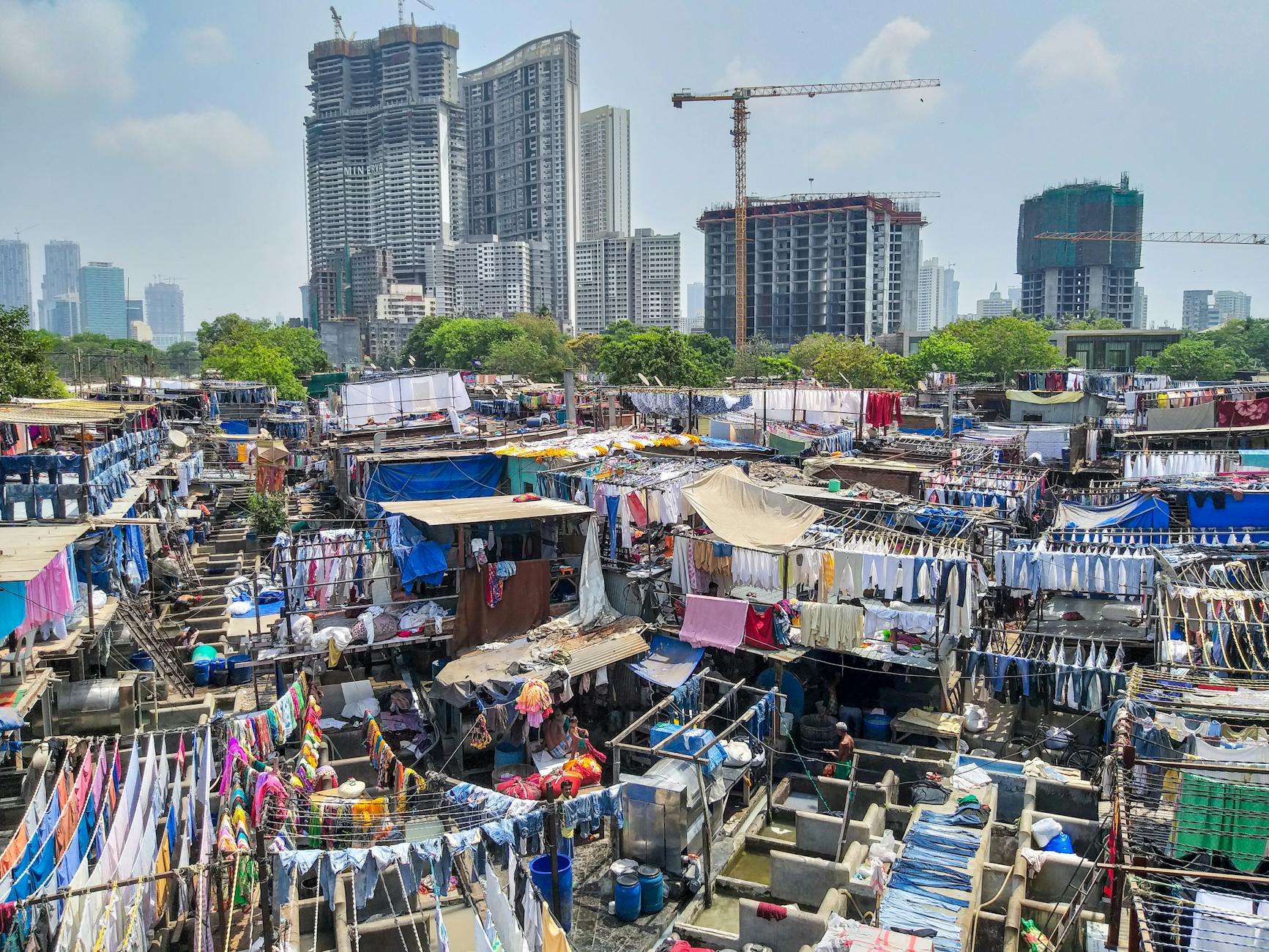
Photo by DEV ROY
India economic challenges 2025 come down to three fronts, steady infrastructure delivery, fair and broad-based growth, and risk-aware trade and climate choices. Progress is real, but execution speed and quality will decide if growth stays consistent.
Bridging Infrastructure and Growth Gaps
Bottlenecks still show up in land access, funding, utilities, and last-mile delivery. Project delays raise costs, and slow integration hurts factory output and exports. India needs faster builds, but also better builds.
Smart fixes can compress timelines and unlock productivity:
- Close the funding gap with pooled bonds, InvITs, and green finance. See this view on the infrastructure funding gap by 2025: bridging India’s infrastructure funding gap.
- Front-load clearances and digitize approvals to cut idle time.
- High-quality EPC discipline with milestone-linked payments and daily KPIs.
- Predictable O&M so assets work at full capacity, not just at inauguration.
Targeted priorities include freight corridors, port connectivity, 24×7 power, city transit, and water. When logistics costs fall, industrialization scales.
Tackling Inequality and Skill Shortages
Growth must carry more people into good jobs. Urban-rural gaps, gender gaps, and health gaps weigh on productivity. Skill mismatches also slow hiring in factories, logistics, and services.
A simple, focused playbook works best:
- School to skills with short modular courses and apprenticeships tied to industry.
- Health first with primary care, insurance usage, and workplace safety.
- Women’s work boost via childcare, safe transit, and flexible shifts.
For hiring trends and demand hotspots, review the latest India Skills Report 2025. It maps employability and sector needs in plain terms.
Navigating Global Trade and Sustainability Issues
Geopolitics, supply chain shifts, and carbon rules are now built into trade. Energy prices and extreme weather add cost and volatility. India needs steady macro policy and clear trade anchors.
Practical steps keep risk in check:
- Stable inflation and rates to support investment and exports. See the broader context in the India economic outlook, August 2025.
- Diversify markets with FTAs, plus deeper ties in electronics, autos, and pharma.
- Green competitiveness through renewables, storage, rail freight, and clean logistics.
- Disclosure and standards so firms meet global carbon and ESG demands.
Strong, steady policy plus fast execution can turn these hurdles into tailwinds.
Conclusion
India’s 5 Trillion Dollar Economy goal looks within reach, given the pace and the depth of change already in motion. Strong GDP prints, cleaner bank balance sheets, and a steady build of roads, rail, and power have set a durable base. Digital public goods, rising formal jobs, and new exports in electronics and chemicals add fresh engines for the next leg.
The next push is about execution quality and speed. Keep investment high, unlock land and logistics faster, lift skills at scale, and widen women’s work. Hold inflation in check, deepen capital markets, and target green competitiveness so factories and services can grow with lower costs. If these steps hold, growth can compound, and the 5 trillion mark can serve as a launchpad, not a finish line.
For investors and operators, this is a time to act, not wait. Track supply chain moves, city build-outs, and policy signals in trade, energy, and manufacturing. Back firms that ride formalization, premium consumption, and productivity tech. If you follow India’s role in global markets now, you will see opportunities early, in both public and private assets.
Thank you for reading. Share your take on where you see the fastest gains, infrastructure, skills, or exports. Keep an eye on quarterly data and sector updates, and if you are building or investing, start small pilots today, then scale with proof. Emerging India is not a headline, it is a plan in progress.