



India-US Trade Talks 2025: Trump Praises Modi, Signaling Easier Path for Key Trade Deal
 India-US Trade Talks 2025: Trump Praises Modi, Signaling Easier Path for Key Trade Deal
Estimated reading time: 14 minutes
Thank you for reading this post, don't forget to subscribe!India-US Trade Talks Resume as Trump Praises Modi and Signals Smooth Negotiations
Trade between India and the United States is back in focus as talks resume with renewed optimism. President Trump, praising Prime Minister Modi as a “very good friend,” has made it clear that the negotiation table is open with no major obstacles. This show of goodwill could mean smoother discussions in the coming weeks.
With shifting priorities and global uncertainty, steady ties between the world’s largest democracies matter now more than ever. The US-India partnership impacts millions and shapes key markets, so open talks and strong relationships send a positive signal to business leaders and the public alike.
Recent Developments in India-US Trade Talks
India and the United States have re-opened trade talks after a tense stretch marked by increased tariffs and policy standoffs. President Trump’s latest remarks set a new tone, describing Prime Minister Modi as a “very good friend” and stressing that there is “no difficulty” on the horizon for upcoming negotiations. These open, positive exchanges couldn’t come at a more important time, as global trade and supply chain resilience rank high on both countries’ agendas.
What Led to the Current Round of Talks
Tensions flared in 2024 when President Trump doubled tariffs on Indian goods to 50 percent. This sharp escalation followed disputes over energy purchases and trade policy, especially as India increased its engagement with Russia and China. India fired back, calling the tariffs “unfair, unjustified and unreasonable.” Key meetings were put on ice, and U.S. trade officials even canceled a planned visit to New Delhi in late August 2025, as major issues remained unresolved.
Yet, behind the headlines, both nations kept communication lines open. Analysts pointed to the sheer size and mutual value of the relationship—U.S.-India two-way goods trade alone hit $129 billion in 2024, despite mounting friction and a notable U.S. trade deficit of $45.8 billion.
Key Dates and Turning Points
Here’s a quick timeline to keep things clear:
- Late 2024: Tariffs doubled by the US, sparking new tension
- Early 2025: Some diplomatic backchannels stay active, yet formal talks stall
- September 2025: Both sides lay groundwork for new direct talks, as Trump calls the process easy and Modi echoes optimism
For more on current developments, see this Reuters update: US, India eye trade reset as Trump plans talks with Modi.
A Shift in Tone: ‘No Difficulty’ and Mutual Optimism
President Trump broke with prior rhetoric, using his platform to reassure both markets and diplomats. He shared, “There is no difficulty in negotiations,” and signaled hope for a swift resolution. Prime Minister Modi matched the upbeat tone, calling the U.S. and India “close friends and natural partners,” further stating that the fresh talks could unlock “limitless potential” for both countries (more on Modi’s message here).

Indian and US officials sealing fresh talks with a handshake. Image created with AI.
What’s Changed Recently?
- Direct leader engagement: Trump and Modi have publicly voiced respect and friendship, setting a hopeful stage for negotiators.
- Planned in-person talks: Both sides are scheduling visits and face-to-face sessions for the first time since the abrupt cancelation in August.
- Easing of tariffs on the agenda: Reducing or recalibrating tariffs is a hot priority, as ongoing duties have hurt businesses in both countries.
The mood now feels more buoyant, and for the business community and ordinary people on both sides, cooperation can only help. As both nations prepare for a new round of talks, all eyes are on whether words will turn into steady, measured action.
Trump’s Praise for Prime Minister Modi and Bilateral Relations
President Trump’s latest remarks about Prime Minister Modi carry more weight than simple diplomatic politeness. When Trump calls Modi a “very good friend,” it sets a welcoming scene that makes progress in talks feel not only possible, but likely. The way these two leaders engage each other often sends strong signals to their teams, making the most complex trade talks seem less daunting and creating space for smoother outcomes.
Trump’s Open Admiration: Why Words at the Top Matter
Trump’s warm references are not just off-the-cuff. His public statements—like calling Modi a “very good friend”—help ease recent stiffness in bilateral communication. By lowering the rhetorical temperature, he invites both governments to step back from confrontation and look for common ground.
- During a recent update, Trump specifically noted, “I look forward to speaking with my very good friend, Prime Minister Modi, in the upcoming weeks,” reinforcing that India and the US are “close friends” (news coverage on Fox Business).
- In moments when tariffs and disputes made headlines, this personal touch resets the mood, giving teams behind the scenes permission to switch from hardline negotiation to more creative problem solving.
Personal Chemistry and Its Ripple Effect
The warmth Trump shows toward Modi isn’t just about first impressions. It actually improves how officials approach trade issues and encourages trust that can carry through into the details.
Consider these points:
- High-level trust means faster decisions: When leaders personally back open talks, complicated matters can be resolved more quickly, as bureaucrats feel secure in pushing for compromise.
- Positive words quiet critics: Both leaders have taken public heat for sticking to their interests. Open praise suggests they’re both willing to make bold choices for the broader partnership.
- Momentum at the negotiating table: A handshake or a smile from the highest office can cut through months of tension, making way for real progress.
Recent Summits and Moments That Built Trust
The past year has featured a handful of moments where personal chemistry has translated into action:
- Leaders’ bilateral meetings: From Washington to New Delhi, these summits often end with announcements of new cooperation or shared goals.
- Phone calls during tense periods: Trump and Modi picked up the phone more than once during the tariff standoff, quietly laying the groundwork for a later thaw.
- Joint public appearances: Every handshake and joint statement has helped quiet skeptics and signaled that even tough talks remain on track.
In fact, their close working relationship is seen by many experts as a driving force behind the current return to the negotiating table (explore this further in The Hindu).
Examples of Strong India-US Cooperation
What does this trust look like in practice? Here are a few key areas where friendly ties have paid off:
- Defense agreements: The US and India have recently signed pacts to share military technology and hold joint exercises.
- Energy deals: Indian and US energy companies have announced major investment partnerships, increasing India’s access to American energy sources.
- Technology and pharmaceuticals: Both countries are pushing for fewer roadblocks so their tech and healthcare sectors can work together with less friction.
Recent signals show that the spirit of cooperation, powered by genuine respect between Trump and Modi, continues to shape the future of trade agreements (as reported by LiveMint).
The stage is set for both sides to use personal trust and recent goodwill to turn talks into new deals and deeper partnership.
Key Trade Issues and Points of Negotiation
India and the US have returned to the bargaining table, facing a wave of knotty trade issues. Tariffs are only the tip of the iceberg. Both sides want more market access and fewer barriers, but neither wants to undercut its local businesses or look weak at home. Key sectors like agriculture, technology, pharmaceuticals, and textiles are at the center of these talks.
Let’s break down what matters most and see which industries are facing the biggest challenges—and the most promising opportunities—right now.
Primary Sectors Impacted by Negotiations
Trade talks between India and the US always circle back to a few heavy-hitting sectors. Each one carries real weight for jobs and growth in both countries. Here’s a closer look at what’s on the table and why it matters:
Agriculture
- The US wants India to open up its markets, especially for American dairy, meat, and genetically modified (GM) seeds.
- India resists these asks, protecting its millions of small farmers, a big political force.
- Agreement here is hard. The US argues that lower tariffs would support American producers, while India counters that sudden changes could harm its agricultural backbone.
- Some options on the table include phased tariff reductions and increased Indian purchases of American farm goods, but this remains one of the stickiest points (read recent updates from BBC).
Technology
- Technology is a growth engine, and both sides want a bigger slice of each other’s booming digital markets.
- The US pushes for stronger rules against forced data localization and more protection for intellectual property (IP).
- India wants fairer access for its tech talent and startups in the US, looking to balance stricter rules with more job opportunities.
- Ongoing disputes involve tech transfer rules, US visa policies for Indian professionals, and how software and data are taxed.
Pharmaceuticals
- India stands as a global leader in generic drugs, sending billions worth of low-cost meds to the US every year.
- The US often raises issues over IP rights, claiming that Indian companies copy or undercut patented medicines.
- India links stricter IP enforcement to getting more tech and healthcare investment from US firms.
- While the US has mulled tariffs on drugs, actual action is soft so far since both sides know higher costs could upset US consumers and patients (deeper analysis from KPMG).
Textiles
- Textile and apparel are big export earners for India, with around $10 billion sent yearly to the US.
- The new US tariffs—now as high as 50 percent for many goods—hit this sector especially hard, with real risk to Indian jobs and local economies (see Bloomberg report and textile sector analysis).
- The US wants India to loosen trade barriers and offer a level playing field for American textile makers.
- India seeks relief from steep tariffs and continued access to the world’s top consumer market.
| Sector | US Demands | India’s Concerns | Possible Compromises |
|---|---|---|---|
| Agriculture | Lower tariffs, more market access | Farmer protection, food security | Phased reduction, targeted deals |
| Technology | Data flow freedom, strong IP, less protectionism | Digital jobs, startup access | Tech transfer, visa exchanges |
| Pharmaceuticals | Strict IP protection, crackdown on generics | Cheap drug exports, access to US | IP-for-investment, regulatory tweaks |
| Textiles | Lower Indian tariffs, less export subsidy | Job loss, export market access | Gradual tariff exit, joint R&D deals |
Some of these issues have concrete proposals, like India’s offer to phase out tariffs on certain US industrial goods or allow increased American imports of autos and alcohol in exchange for stable export quotas (Economic Times coverage). Others, especially around agriculture and IP rules, need more time and creativity.
For businesses, the stakes are high—uncertainty over tariffs and market access means deals stall, investment slows, and supply chains get disrupted. But if leaders can make progress on even two or three of the above sectors, both sides stand to gain. The door is open for practical, sector-by-sector solutions, and businesses large and small are watching every move.
Potential Impacts for Both Countries
The reopening of India-US trade talks captures the attention of businesses, workers, and policy watchers in both countries. Trade between the world’s largest democracies isn’t just a headline; it shapes lives and future opportunities on a massive scale. As negotiators pick up the conversation, what could these talks deliver for each side? Let’s look at the direct impacts for India, the US, and the broader world economy.

India-US trade handshake with visual representation of trade flows and business optimism. Image created with AI.
Economic Impact on India
Resumed talks give India fresh hope to boost its exports and drive job creation.
- Export growth: If tariffs come down, Indian goods like textiles, pharmaceuticals, and software could flood into the US market, helping manufacturers and small businesses back home.
- Job creation: Smoother trade channels often mean new hiring in factories, farms, and digital services.
- Investment confidence: Signs of clear, friendly trade terms often nudge foreign businesses to invest more in Indian production, tech, and retail spaces.
A trade expert with KPMG recently said, “Stable relations will likely give a big push to industries that rely on US demand for growth” (see KPMG analysis).
Common areas Indians could see benefits include:
- Pharmaceuticals (expanding generic drug exports)
- Textiles and apparel (greater access, more orders)
- IT services (Indian tech professionals and software companies could land more contracts)
These wins are critical as India looks to lower unemployment and keep its exports competitive worldwide.
Economic Impact on the US
Opening the trade door isn’t just about goodwill. American companies and workers stand to gain in several ways.
- Bigger markets for US products: US farmers and manufacturers want Indian barriers lowered so they can sell more grain, meat, dairy, and cars.
- High-value exports: With fewer hurdles, American tech and medical device firms can reach millions of new customers in India.
- Supply chain resilience: Reliable trade makes it easier for US companies to source pharmaceuticals, IT services, and auto parts from India at competitive prices.
According to Bloomberg, business leaders expect that “a renewed agreement could add billions in trade flow and anchor important jobs in both countries.”
Sectors on the US benefit list include:
- Agriculture (soy, almonds, dairy)
- Advanced tech and digital products
- Energy (LNG and oil exports)
With these talks, American workers and companies gain fresh chances for sales and procurement, keeping costs steady and incomes strong.
Impact on Global Economic Relationships
What happens between India and the US ripples far beyond their borders. When two of the largest economies cooperate, others pay close attention.
- Stable global supply chains: More open trade can help other countries depend less on any single supplier, protecting against shocks.
- Better market access for all: When the US and India show that they can resolve disputes, other emerging markets may feel encouraged to follow suit.
- Signals to investors worldwide: Big investors tend to favor stable, transparent trading partners. These talks could prompt more global investment into both US and Indian markets.
The Reuters update quotes one international trade specialist: “The world watches these negotiations. A deal would put wind in the sails for broader global economic recovery.”
Quick Overview: Who Gains What?
Here’s a simple table summarizing potential wins for both sides:
| Benefit | India | US | Global Impact |
|---|---|---|---|
| Export Growth | Yes (pharma, apparel, tech) | Yes (agriculture, technology, energy) | Boosts world trade volume |
| New Jobs | Yes (manufacturing, tech, logistics) | Yes (farming, hi-tech, logistics) | May lower global unemployment risks |
| Investment Flows | More FDI, stronger stock market | More FDI, partnership opportunities | Encourages emerging market growth |
| Supply Chain Resilience | Steadier imports for key sectors | Secure, low-cost sourcing | More diverse global supply networks |
These impacts could play out fast, especially if negotiators seize the current goodwill. Whether you run a small clothing export business in Mumbai or work at a farm in Iowa, the results of these meetings may soon reach your bottom line.

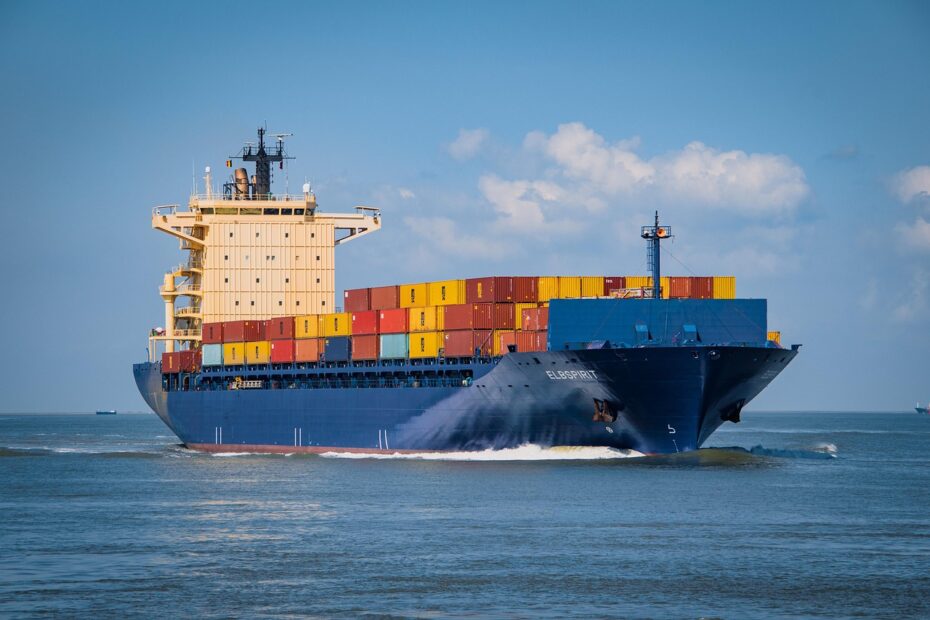
Image of busy shipping containers and economic icons highlighting fresh trade opportunities between India and the US. Image created with AI.
Conclusion
The renewed India-US trade talks come with a fresh sense of hope. President Trump’s comments about no difficulty ahead and his praise of Prime Minister Modi as a “very good friend” set a positive tone that’s rare in recent months. Both leaders emphasize their countries as close friends and natural partners, making it clear they’re committed to resolving key trade issues.
This openness matters because the stakes are high for both nations. India is eager to grow its exports and boost jobs, while the US looks to expand market access and protect its industries. Beyond economics, the strength of this partnership will shape wider global trade and geopolitical balance.
As talks progress, the world watches the outcome closely. The foundation of trust between Modi and Trump gives both teams a real chance to turn optimism into solid agreements. The path forward will require compromise, but the potential rewards make it a conversation worth continuing.