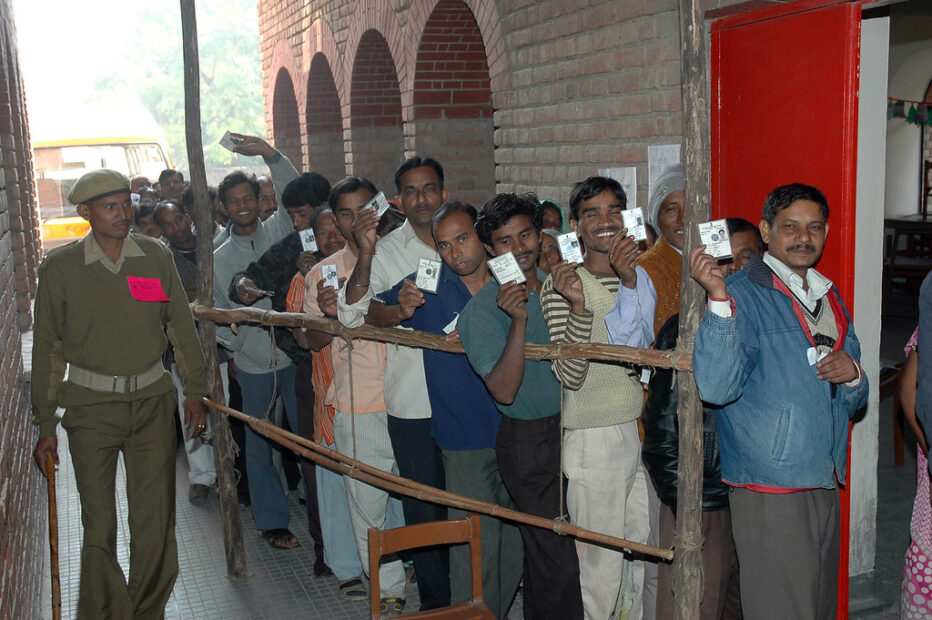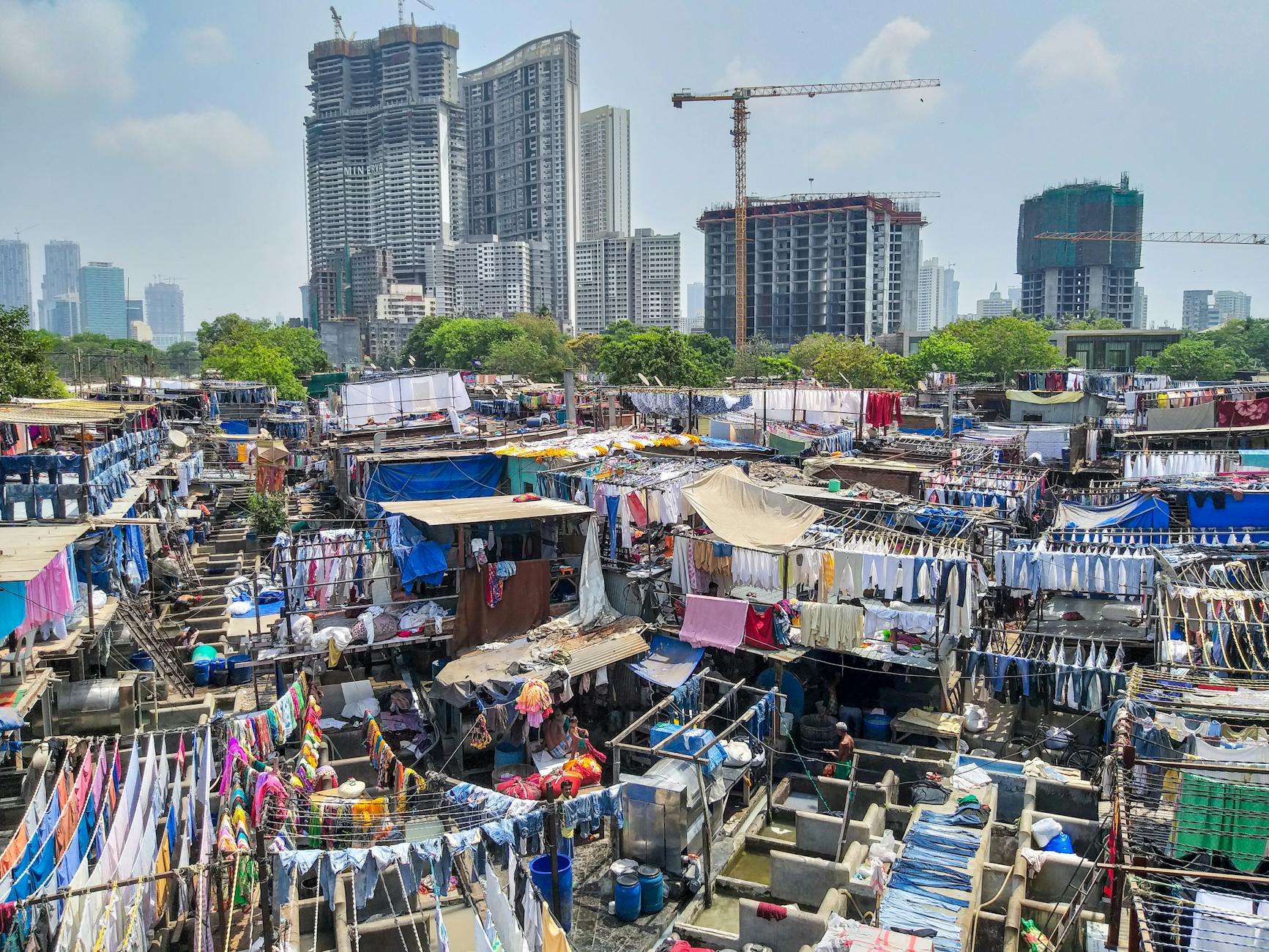

How Indian Social Media and News Channels Influence Public Opinion.
Estimated reading time: 21 minutes
Thank you for reading this post, don't forget to subscribe!How Indian Social Media and News Channels Shape Public Opinion (2025 Guide)
Across India, social media and news channels both shape how people see current events, share stories, and form opinions. With over 800 million internet users and nearly 500 million social media users, the country’s digital growth is easy to spot, especially among its young and mobile-first population. News breaks fast on WhatsApp, Facebook, and YouTube, while TV news and print still keep a strong hold in many homes.
The difference between these platforms isn’t just in technology. Social media thrives on instant, personal sharing and viral trends, while traditional news channels focus on credibility and depth. Each platform has a unique way of reaching people, cutting across languages, cultures, and age groups. As India grows more connected and diverse, the way stories spread now has real power to influence public debates and democracy itself.
Misinformation, digital divides, and changing habits are all in play. Understanding how these channels work isn’t just interesting—it matters for how millions of people search for truth, community, and reliable news every day.
Watch a related discussion: India First Debate On Nepal Protests: Social Media Ban Sparks Deadly ‘Gen Z Revolution’
Overview of Major Indian Social Media Platforms
India’s social media scene feels like a busy marketplace: crowded, colorful, and constantly buzzing. People use these platforms for everything from daily news to entertainment, memes, and political debates. While some apps are familiar all over the world, India’s mix also includes popular homegrown social media platforms built for regional languages and tastes.
WhatsApp: India’s Messaging King
WhatsApp is the go-to app for chatting, voice calls, sharing videos, and forwarding news in India. Nearly every smartphone user from teens to grandparents has it installed. People create family groups, work chats, and community links, blending private and public life in one giant digital network.
- Content policy: WhatsApp uses end-to-end encryption for privacy, but fights fake news and spam with limits on message forwarding.
- Role: It’s the fastest way for news, opinions, and jokes to zip across the country. That reach can help both real information and rumors catch fire overnight.
Read more details about how WhatsApp shapes Indian communication at the Top 20 Best Social Media Platforms in India.
Facebook: The Digital Town Square
Facebook is still the main “public square” for millions. People post personal updates, join local groups, follow news outlets, and debate everything from cricket to government policies. Pages and groups in local languages keep people engaged far outside English-speaking cities.
- Content policy: Facebook actively polices hate speech and misinformation, but content can be reported and removed for violations.
- Role: It’s a hub for community organizing, public debates, business promotions, and even livestreamed events.
Instagram: Where Visual Stories Shine
Instagram is the hotspot for India’s youth and creators. Influencers, artists, and small businesses use it to share photos, reels, and stories in dozens of Indian languages. With reach stretching from Bollywood stars to rural entrepreneurs, the app has become a powerful tool for self-expression and trends.
- Content policy: Instagram curates trending content, flags sensitive media, and bans certain hashtags and accounts.
- Role: It sets style trends, launches viral challenges, and spreads news visually, often much faster than traditional news.
X (Formerly Twitter): The Opinion Expressway
Now rebranded as X, this platform is where journalists, celebrities, politicians, and everyday users broadcast their views, share breaking news, argue, and follow trending hashtags. Governments, police, and brands use official accounts to make major announcements directly to the public.
- Content policy: X labels misleading or violent content, but debates about freedom of speech versus regulation are frequent.
- Role: It’s the top space for instant reactions, outrage, humor, and policy debates.
ShareChat: Powering Regional Conversations
ShareChat stands out for its support of over a dozen Indian languages. Built in India, it caters to people outside big cities, offering short videos, jokes, news, and chat groups targeted to regional tastes.
- Content policy: ShareChat moderates content for hate speech and fake news and empowers users to report violations.
- Role: It strengthens local culture online, appealing especially to users in Tier 2 and Tier 3 towns.
Learn more about the reach and style of ShareChat on Social Media Apps In India | 01.
Moj & Other Regional Short Video Apps
After TikTok was banned, several Indian apps raced to fill the gap. Moj, created by ShareChat, allows users to share short regional-language videos—comedy skits, dance clips, quick news, and more. Other similar platforms, like Chingari and Josh, also target India’s regional hearts.
- Content policy: These apps actively moderate for fake news, explicit content, and abuse using a blend of automation and human review.
- Role: They keep entertainment and trends accessible, even to first-time internet users.
Quick Comparison Table
Here’s a quick look at how these platforms stack up:
| Platform | Main Use | Key Audience | Language Support |
|---|---|---|---|
| Messaging, news sharing | All ages, rural & urban | Dozens | |
| Groups, news, community | Adults, families | Pan-India | |
| Visual stories, reels | Youth, creators | Pan-India | |
| X (Twitter) | Public debates, news | Journalists, politicians | English, Hindi |
| ShareChat | Local content, networking | Regional, non-urban users | 15+ languages |
| Moj | Short videos, entertainment | Youth, regional creators | 10+ languages |
Indian social media is not just one thing: it’s a collection of apps, cultures, and voices, all pulsing together. Each platform creates new ways for people to connect and compete with the power of TV and newspapers. This mix shapes opinions, spreads stories, and gives everyone a public stage.
How Traditional Indian News Channels Operate
Traditional Indian news channels remain a steady influence in homes across India, shaping how millions get their news every day. While social media might win on speed and virality, established TV channels like NDTV, Republic TV, India Today, Aaj Tak, and Zee News present news with familiar anchors, in-depth reporting, and big production values. Their routines and workflows have become almost as constant as the evening meal.

Image created with AI
Sources of News and Newsgathering
Traditional channels build reliable structures to gather and verify stories. Most big networks have a wide team of field reporters, backed by regional bureaus and staff in every major city and some small towns.
News comes from three main sources:
- On-ground reporting: Journalists cover live events, press conferences, court hearings, and political rallies.
- Wires and agencies: Trusted providers like PTI (Press Trust of India) and ANI feed raw news updates and alerts all day.
- Official sources: Government press briefings, statements from police, businesses, or community leaders.
Channels like NDTV and India Today often invest in on-the-spot coverage, sending anchors straight to breaking stories for live updates.
Editorial Processes
The path from breaking story to broadcast follows a well-honed process:
- Assignment: Editors decide which stories are most important, often in a morning news meeting.
- Sourcing and Fact-Checking: Reporters collect details, double-check facts, and verify claims, sometimes cross-referencing with multiple sources.
- Writing and Editing: Producers write scripts in simple, clear language, summarizing key points, background, and quotes.
- Legal and Ethical Checks: Editors assess sensitive stories for compliance with Indian broadcast rules and journalistic ethics.
Editorial teams shape what viewers see by choosing headlines, interview guests, and which video clips to air. Some channels become known for a more neutral or investigative style (NDTV), while others (like Republic TV or Zee News) are famous for opinionated debates and sharp commentary.
For a deeper dive into the evolution and processes behind major news channels, check out the summary from the Reuters Institute for the Study of Journalism.
Presentation Styles: News, Opinions, and Formats
From the top of the hour news roundups to heated primetime debates, Indian news channels use a range of presentation styles:
- Bulletin Format: Short headlines, weather, sports, financial updates, and big visuals.
- Panel Debates: A staple of evening TV, with passionate anchors moderating expert guests and politicians on live TV.
- Special Reports: In-depth looks at ongoing topics (elections, disasters, crime) using live ground footage, infographics, and interviews.
- Breaking News Tickers: Scrolling text bars flash urgent headlines at the bottom of the screen, creating a sense of speed and drama.
Channels target both English and Hindi-speaking viewers. While English news channels (NDTV, India Today) appeal to urban, educated audiences, Hindi and regional stations (Aaj Tak, Zee News) draw huge family audiences from all corners of India. The messaging and tone shift to suit different viewers—English channels tend to use formal, analytical discussion, while Hindi channels go for energy and direct, loud delivery.
For a comprehensive overview of India’s broadcast news scene and channel styles, visit the BBC’s India media guide.
The 24-Hour News Cycle and Its Effects
The rise of round-the-clock channels has changed how news is delivered and consumed in India. There is now always something “breaking” on TV, with updates and commentary provided late into the night. Some impacts include:
- Faster reporting: Stories hit the air as events unfold, sometimes with limited context.
- Repetitive loops: In quieter hours, channels replay key stories or debates, keeping viewers tuned in.
- Pressure on accuracy: Speed can sometimes lead to errors or sensational coverage to fill time.
India now has the largest number of 24-hour news channels in the world, each competing fiercely for attention, ratings, and influence. This nonstop model shapes which topics stay in public view the longest.
Learn more about this major trend in Indian news from the detailed report, The Evolution of News Broadcasting in India.
Traditional Indian news channels rely on structure, recognizable faces, and a rhythm of news that fits the heartbeat of everyday life. Their mix of regional and national focus means they continue to play a defining role in what the country talks about, day after day.
Social Media vs Traditional News: Information Flow and Public Trust
Social media and traditional news channels influence how Indians discover, share, and react to news—each in a unique way. In the smartphone era, news can sprint across WhatsApp before many even switch on the TV. At the same time, classic news brands shape opinions with the depth and authority of well-known anchors. The difference lies not just in speed or style, but in how much people trust the message and messenger.
Speed and Spread of Information
If you want to see information move at lightning speed, look at WhatsApp or Facebook. Forwarded messages and viral clips can sweep through thousands of phones in minutes, often reaching rural villages before reporters get there. In big moments (like elections or sudden protests), social media fills with eyewitness videos, trending hashtags, and opinions from all sides.
Compare this with traditional news, where editors double-check facts, producers craft scripts, and only then does the story hit the air. This can mean late-night debates on national TV, or morning papers recapping events hours later. Though slower, these platforms take pride in getting details right.
Here’s a simple breakdown of how both systems differ:
| Factor | Social Media | Traditional News Channels |
|---|---|---|
| Speed | Instant, viral sharing | Slower, follows broadcast cycles |
| Reach | Peer-to-peer, vast | Wide, but depends on audience |
| Verification | Limited, crowdsourced | Strong editorial checks |
| Regulation | Light, community flags | Meets broadcast standards, legal |
Accuracy, Misinformation, and Fact-Checking
When information travels fast, facts can get twisted or lost in the mix. Viral posts and doctored videos often go unchecked, and fake news spreads like wildfire in group chats—especially around elections or health scares. Sometimes stories start as rumors on social media and only get corrected much later, once fact-checkers step in.
TV and newspapers stick to a set routine: double-check sources, cross-examine claims, and issue corrections on-air if something goes wrong. Newsrooms have rules, and the fear of legal trouble keeps most stories tight. While mistakes happen, the track record for accuracy is generally stronger on traditional channels.
If you’re interested in how digital media literacy helps people in India spot fake stories, the results of this research intervention are worth exploring.
Viral Content vs. Editorial Gatekeeping
Social platforms run on what grabs attention. Eye-catching videos, quick memes, and alarming headlines are more likely to be shared—even if the information is shaky. Public opinion can swing quickly as trends and hashtags go up and down. Anyone can be a reporter when a smartphone is in hand.
On the flip side, traditional news builds its reputation on careful curation. Editors choose topics, select experts, and manage the tone. Big investigative stories or long interviews rarely go viral, but they shape national debates quietly and hold power to account.
Audience Engagement and Trust
Indians engage deeply with news on both sides—debating loudly on social media, calling into TV debates, or organizing local action after a TV report. WhatsApp groups are known to drive everything from protests to relief efforts, proving that smartphones are a powerful organizing tool.
However, trust is complicated. While a Reuters Institute report showed that many Indians respect legacy print and TV brands, those same users turn to WhatsApp or Facebook first—and in some cases, trust what arrives through personal contacts more than what they see on-screen. Concerns about fake news are high: over half of Indian respondents named WhatsApp as both a major news source and a big threat when it comes to rumor and misinformation.
Public skepticism headlines both sides:
- On Social Media: People crave fast updates, but many admit to doubting what they read. Peer-shared links carry the weight of “trusted” friends, which sometimes blurs the line between fact and fiction. According to the Reuters Institute, about 53 percent of Indian users said WhatsApp was their top news provider, but also the platform most likely to spread misleading information.
- On Traditional Channels: TV and print score higher for credibility, especially among older or rural viewers, as detailed in the Reuters Institute’s trust report. However, accusations of political bias and sensationalism have made some viewers switch off or double-check the news elsewhere.
As India changes, where news comes from is only part of the story. Who delivers it, how fast it moves, and whether people trust what they see or hear shapes the daily reality for millions. The blend of social media buzz and traditional authority makes India’s information flow both powerful and hard to predict.
Impact on Indian Society and Public Opinion
The tension and collaboration between social media and traditional news channels have changed how Indian society thinks, reacts, and acts. Both types of platforms shape public mood, drive big conversations, and set off trends that ripple through elections, social movements, and daily life. Their influence cuts across cities and villages, touching people in very real ways. The effects are a mix of good and bad: they bring people together for a cause, but sometimes divide them with rumors or anger. This section explores how these platforms shape opinion, beliefs, and actions in India’s fast-changing society.
Shaping Political Discourse and Elections
Social media and news channels are now central to Indian politics. Politicians and parties use WhatsApp forwards, viral videos, Facebook groups, and TV debates to connect with voters and set talking points.
- Election Campaigns: Facebook and WhatsApp groups become rallying grounds every election season. Candidates and parties use memes, targeted ads, and live videos to reach even those in small towns.
- Voter Mobilization: TV debates and social media challenges can inspire people to vote or back a cause. A single video or trending hashtag catches on quickly, making politics feel more personal and urgent.
- Misinformation Risks: Alongside the good comes the bad—misleading information travels at breakneck speed, confusing or polarizing voters. For a deeper look at how digital rumors shape Indian elections, see the India Case Study on Elections and Misinformation.
Social Movements and Awareness
Platforms have given a voice to people who might otherwise be unheard. From urban activists to rural campaigners, anyone can start or join a movement in minutes.
- Campaigns for Change: Social media helped boost the #MeToo movement, farmer protests, and local charity drives. With each share or like, more Indians learn about the cause.
- Amplifying Marginalized Voices: Regional platforms like ShareChat open doors for local languages and community issues. News TV sometimes picks up these stories, making them national talking points.
- Speed and Reach: A photo or video from a protest can spark action in other parts of India by the next day.
Misinformation, Rumors, and Division
While these platforms unite people, they also spread unverified rumors and stoke tensions, sometimes with severe results.
- Fake News Outbreaks: Misinformation about health scares, communal violence, or politics can cause panic, harm reputations, or even trigger clashes. Messaging apps like WhatsApp have had to limit message forwarding to slow the spread of viral rumors.
- Communal Tensions: False or inflammatory stories sometimes target specific communities. This has led to real-world violence and mistrust, as shown in recent studies like this deep dive into Fake News and Indian Democracy.
- Correcting Mistakes: Both news channels and social media now invest in fact-checking and public alerts, but damage is often done before corrections reach everyone.
Fostering Unity and Connection
Not all viral trends are negative. Some unite people and spark positive change, cutting across the country’s rich mix of cultures and backgrounds.
- National Pride: Feel-good campaigns, like sports wins or festivals, spread quickly—building shared joy and identity.
- Disaster Response: In moments like floods or crises, both social media and TV networks collect donations, coordinate relief, and update the public in real time.
Changes in Social Behavior
How Indians behave and interact has shifted around these platforms:
- Instant Sharing: People are more likely to share views on news, politics, or culture—sometimes forming digital communities, sometimes falling into groupthink.
- Media Literacy Grows: With pitfalls around every corner, citizens (especially the young) are learning to double-check sources before sharing dramatic stories.
- Influence on Daily Life: Family groups debate news stories, teens share Instagram reels that reflect youth culture, and many watch TV debates at home before bringing those opinions to social media.
These platforms hold a mirror to India’s hopes and fears. They bring people together, sometimes push them apart, and always keep the country talking.
For a closer look at how social media platforms shape elections and public debate, explore findings in the Role Of Social Media In General Elections 2024 In India.
Challenges and the Road Ahead for Media in India

Image created with AI
India’s media scene is a powerhouse, but the path forward is loaded with hurdles. From fast-moving misinformation to the constant tug-of-war over data privacy, both social and traditional news channels face real challenges. Sweeping government rules, media polarization, and a large gap in digital skills only add to the strain. As audiences demand both speed and honesty, the big question is: how can Indian media deliver trustworthy news while protecting free speech and public interest?
Misinformation and Fake News
The spread of fake news is one of the biggest headaches for Indian media today. Messaging apps and viral posts can send unchecked rumors across the country within minutes. These stories can spark panic, bias, or even violence before journalists or authorities step in to fix the record. According to a study on navigating fake news and free speech, the fight against false information now ranks as a top priority for both tech firms and newsrooms in India.
Why is this such a problem?
- Fact-checking struggles to keep pace with viral posts.
- Deepfakes and AI-generated images can blur the line between real and fake.
- Local language content spreads fast, making monitoring tough for moderators.
- Misinformation often comes disguised in jokes, memes, or voice notes, so people don’t always spot it.
Data Privacy and Security
With so much news and personal opinion exchanged online, protecting user privacy has never mattered more. Many Indians use several apps daily, sharing everything from news articles to personal beliefs. This flood of data creates risks:
- User information can be tracked, leaked, or mined for profit.
- Hackers and scammers sometimes target citizens through fake news links.
- Trust takes a hit when high-profile leaks or breaches make headlines.
India has started discussing tighter privacy rules and strong data rights, but many platforms and newsrooms operate in a legal gray area. More transparency and safer digital habits need to become the norm.
Government Regulations and Censorship
India’s government plays a bigger role in media every year. New digital rules now require platforms to remove flagged content quickly, and sometimes order internet shutdowns or block certain apps. TV channels can also face fines or pressure to change coverage if officials object. While the government says these steps protect national security and order, many journalists and activists worry about threats to free speech and open debate.
Key effects of government control:
- Platforms must act fast on official requests, often with little time to review.
- Journalists sometimes self-censor, skipping sensitive stories to avoid trouble.
- Some important topics, especially political or regional issues, receive less coverage.
A Reuters Institute 2024 report highlights growing concerns about sweeping regulatory power changes across the country.
Media Polarization and Bias
Indian media isn’t just fighting outside pressures. The split between different news channels and online spaces is now sharper than ever. Many TV channels and social media pages are openly biased, leaning left or right, which can fan division among viewers. The rise of “echo chambers” means people often read or watch only what matches their own beliefs.
Direct impacts include:
- Less trust in any one news brand or outlet.
- Hostile debates and personal attacks, sometimes spreading from anchors or influencers.
- Smaller, independent voices often drown out—especially in local languages or small towns.
The Digital Literacy Gap
Not everyone in India can spot a fake story, avoid scams, or understand how data gets used. The digital literacy gap means millions are at risk of believing rumors or falling for scams. This is true in both cities and rural areas, and affects old and young alike.
According to research on digital media literacy, most people need more skills to question what they read, check sources, and protect themselves from online traps. Schools, families, and platforms have a role to play in building stronger digital habits.
Big steps toward better media literacy might include:
- Teaching news and digital skills in schools.
- Community workshops for adults, focused on everyday risks and fact-checking.
- Easy-to-use fact-checking tools, built into popular apps.
The Road Ahead: Possible Solutions and Future Directions
Looking forward, the future of Indian media will likely depend on teamwork across the industry, technology, and government. Some promising directions include:
- Stronger laws for privacy and online safety that balance free speech and security.
- Creative partnerships between tech companies and media, to spot and stop fake news early.
- Newsrooms hiring diverse staff and building trust with all audiences, especially outside big cities.
- Investment in digital education, teaching everyone—from kids to seniors—how to think critically online.
- Public debate and transparent policy-making, so changes don’t undermine press freedom or access to information.
International studies (see the WEF’s 2025 media literacy framework) show that boosting digital skills pays off in resilience to fake news. Plus, giving users more control over their data and what they see on their feeds helps foster trust.
India has the size, creativity, and energy to build a better media ecosystem. The road will be tough, but with honest effort, smarter laws, and improved digital habits, Indian media can serve both truth and public interest.
Conclusion
Social media and traditional news channels shape how people in India understand and respond to events every day. With smartphones everywhere, most Indians now mix fast updates from WhatsApp or YouTube with the steady voices of TV anchors and print headlines. This creates a mix of instant news, heated opinions, and in-depth debate that touches everything from elections to family chats.
Misinformation spreads quickly online, so trust in news feels fragile. Many still count on big-name news channels or print brands when something serious happens, but people also want quick answers from their digital circles. This makes it important to check sources, think before sharing, and ask questions when a story sounds too wild or too perfect.
For a healthier democracy, treat every headline, forward, and trending video as a starting point—not the final word. Slow down when news feels urgent, look for stories covered by more than one source, and support media you believe handles facts with care. By thinking critically and sharing responsibly, you help shape a stronger, more trusted news culture in India. Thanks for reading—your attention and your judgment both matter. Let’s keep the conversation thoughtful and honest for everyone’s sake.