



Switches vs. Valves: 2025 Guide to Mechanical Keyboard Types, Feel, and Trends
 Switches vs Valves The Great Keyboard
Estimated reading time: 4 minutes
Thank you for reading this post, don't forget to subscribe![embedyt] https://www.youtube.com/watch?v=UZ-nSBBVER0[/embedyt]
Switches vs. Valves: The Great Keyboard Debate
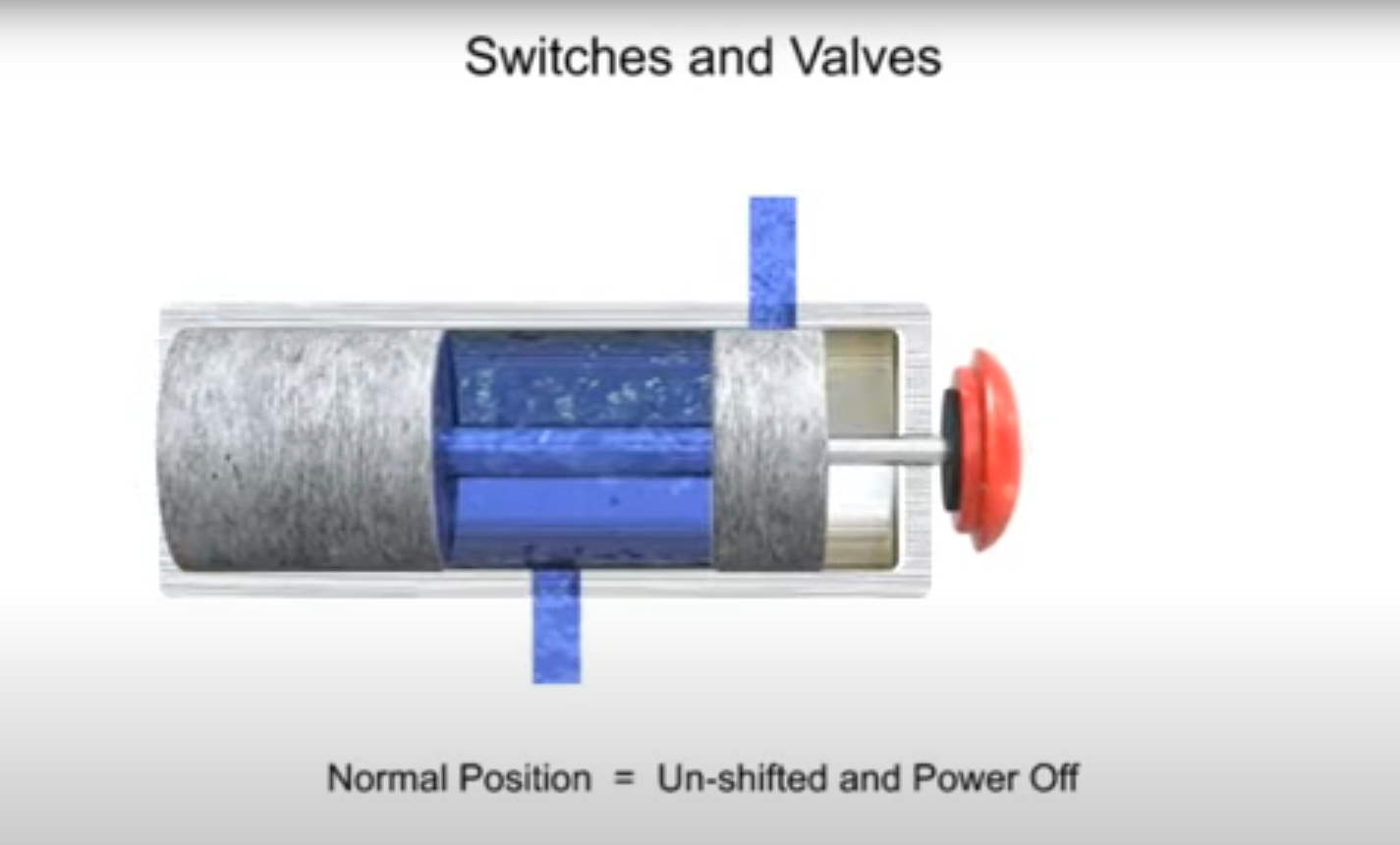
Enthusiasts often use the word “valves” as a tongue-in-cheek way to refer to keyboard switches—a nod to the classic debate over which typing feel is best. Whether you’re customizing a new build or learning what separates a clicky board from a smooth one, understanding how switches shape your experience matters. Here’s a deep look at the features, types, and trends surrounding mechanical keyboard switches, often humorously called “valves.”
1. Fundamentals: What Are Keyboard Switches?

Photo by Jethro C.
Switches are the mechanical heart of a keyboard, sitting directly beneath each key. When pressed, they trigger the input and give each keystroke its distinct feel and sound. Unlike simpler membrane boards, mechanical switches use spring-loaded components for a precise response, making them popular among both gamers and heavy typists. For a breakdown of switch basics, see A Beginner’s Guide to Switches.
2. Linear, Tactile, or Clicky?
Every mechanical switch falls into one of three main types: linear, tactile, or clicky.
- Linear switches: These offer smooth, consistent keypresses from top to bottom without any tactile bump or audible click. They excel in fast-paced gaming due to rapid actuation.
- Tactile switches: These provide a noticeable “bump” at the actuation point, offering physical feedback but keeping noise low. Many typists prefer this style for daily use.
- Clicky switches: Characterized by both a tactile bump and a loud, satisfying click sound, these appeal to those who love old-school typewriter vibes or want clear confirmation that a key has actuated.
Read more about the differences between these switch styles with Corsair’s Key Switch Types Guide.
3. Sound and Feel: Why Preferences Matter
The debate rages on because each switch type changes the sound and feel of the keyboard. Linear switches are usually the quietest, making them ideal for shared workspaces. Clicky switches can fill a room with the sound of rapid typing, which some find motivating and others find distracting.
Tactile switches sit in the middle, offering feedback without the extra noise. Personal preference is everything here. The typing feel is why enthusiasts spend time swapping switches or modding boards to get the perfect combination for their workflow.
4. Actuation Force and Travel Distance
The force needed to register a keystroke (measured in grams) varies between switch types:
- Linear: around 40g
- Tactile: approximately 55g
- Clicky: roughly 60g
Heavier switches can reduce accidental presses, while lighter ones let your fingers glide. Travel distance matters too; some switches actuate sooner, which can speed up gameplay or typing speed. For a technical look at actuation and travel, dive into this Reddit discussion on switch types.
5. Durability, Customization, and Trends
Switches are built to last, often rated for over 50 million keystrokes—far more than traditional membrane boards. The rise of hot-swappable keyboards means you can mix switch styles without soldering, appealing to anyone chasing their ideal configuration. Many hobbyists now use lubrication and spring swaps to fine-tune the feel.
Custom keyboard culture has shifted trends. More users now choose tactile or linear switches, as these deliver smooth action and are easier to mod. Clicky switches have become less common, partly because sound dampening is often a priority. For an overview of the latest switch trends and typing preference shifts, check out the Redragon breakdown of mechanical switches.
6. The Role of Membrane Keyboards
While “switches vs. valves” centers around mechanical boards, membrane keyboards offer a different experience. Membrane switches use a single rubber layer, making them affordable and quiet but with less feedback and durability. Mechanical fans often say membrane keyboards feel mushy in comparison. That’s why the switch debate remains strong among enthusiasts who value a responsive typing experience.
7. Gaming vs. Typing: Application Drives Choice
Gamers lean toward linear switches for speedy, uninterrupted actuation, while typists often prefer tactile feedback for accuracy and comfort. Some keyboards even mix switches across the same board, optimizing for spacebar or dedicated gaming keys. As the gaming community grows, so does the market for new switch designs that balance speed, sound, and durability. To see which switches top the charts for gaming, TechRadar has a handy roundup of the best gaming keyboard switches.
Conclusion
Whether you call them switches or joke about “valves,” the feeling under your fingers can change your typing or gaming in meaningful ways. The debate isn’t about who’s right, but about which style feels best for you. Trying out different switches or customizing your keyboard helps you find that sweet spot. From smooth linear presses to classic clicky feedback, the choice is yours—and that’s what makes the keyboard hobby fun.