

Khonsa Diwali Market Fire, Tirap: Assam Rifles, CRPF Response, No Casualties
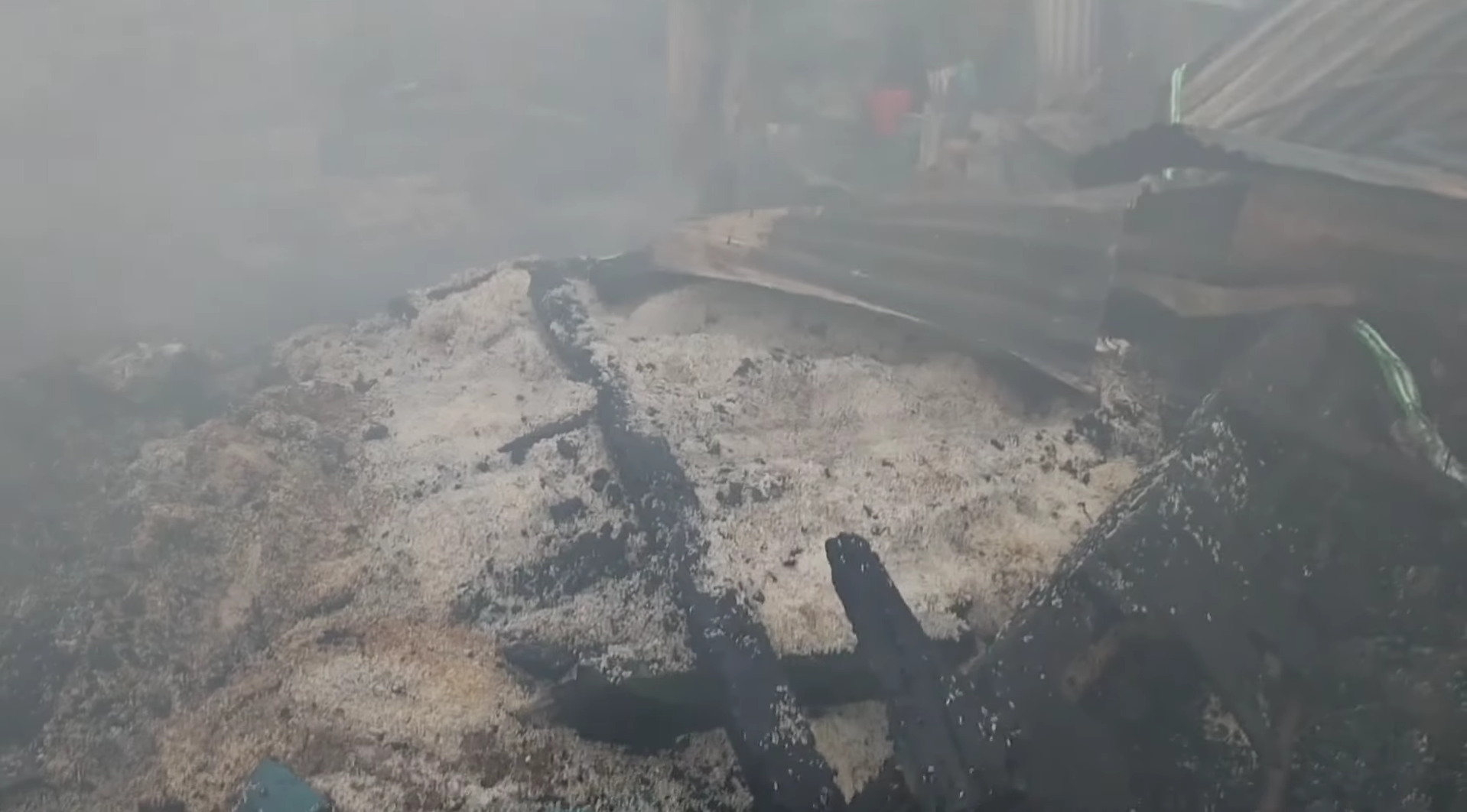 Khonsa Market Fire on Diwali Fast Force Response, No Casualties
Estimated reading time: 9 minutes
Thank you for reading this post, don't forget to subscribe!Khonsa Market Fire on Diwali: Fast Force Response, No Casualties
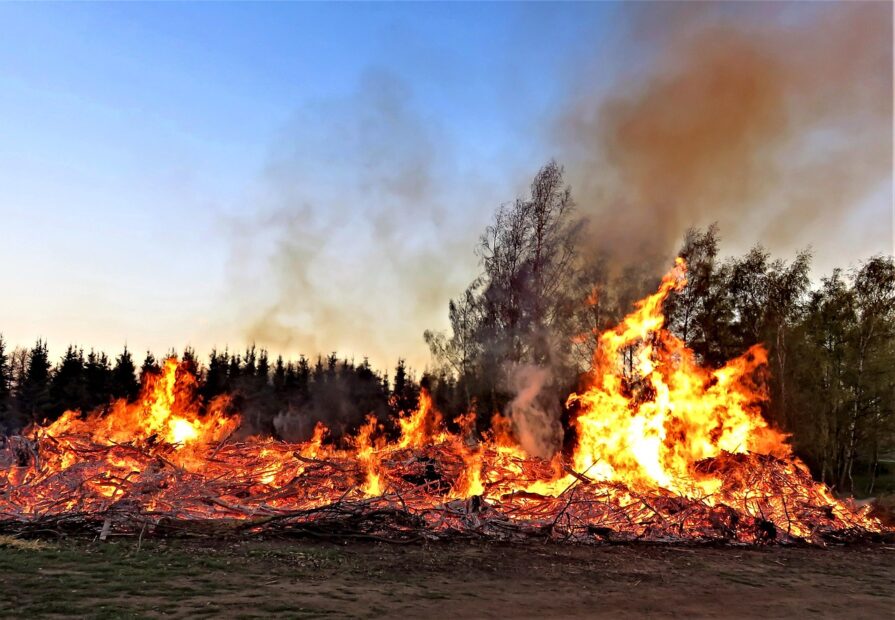
A festival night turned tense in Arunachal Pradesh. Around 11:30 PM on Diwali, a fire broke out in Khonsa town’s main market in Tirap District. Officials said the likely trigger was Diwali firecrackers set off near busy shopfronts. Within minutes, flames began to climb across tightly packed stalls and crowded lanes.
Assam Rifles and CRPF reached fast, with SDRF teams and local volunteers stepping in. They contained the blaze and kept it from reaching more homes. The best part, no casualties in a dense and lively area at a late hour. Several shops were damaged, district leaders visited the site, and relief steps are in motion. This story matters for public safety during festivals in crowded markets. You will find clear facts on the Khonsa market fire, practical safety tips, and simple steps for recovery and support.
For official coverage on the incident, see the report on fire destroying 21 shops in Tirap on Diwali night and this roundup on a massive fire in Khonsa market during Diwali night.
What Happened in Khonsa’s Main Market on Diwali Night?
The Khonsa fire incident began during peak Diwali celebrations. It started in the heart of the main market, where narrow lanes and closely placed shops create a tight maze. As fireworks lit the sky, a spark found fuel among stacked goods and festive setups. In minutes, the Tirap market blaze grew, catching several shops and threatening nearby houses.
Timeline of the Blaze: From First Spark to Containment
The fire started around 11:30 PM on Monday, during the Diwali rush. A spark, likely from fireworks, reached shop materials and displays. Flames spread to neighboring stalls, then responders arrived and worked through the night. The fire was contained within hours, and the area was secured.
Where and How the Fire Spread in a Crowded Bazaar
The market’s tight layout gave the blaze a path. Stacks of fabric, plastic packaging, and wooden shelves made quick fuel. Crowds and parked two-wheelers narrowed lanes even more. Some nearby homes felt the heat and smoke, but they were not destroyed. The core fire stayed inside the market zone.
Confirmed Cause: Firecrackers Linked to Diwali Festivities
Officials linked the blaze to firecrackers set off during Diwali. Fireworks near stocked stalls and makeshift displays are a known risk. This is not about blaming individuals, it is about preventing sparks where combustible goods sit in the open.
For additional context and official statements, see the UNI coverage on 21 shops gutted in the Khonsa fire.
Why This Area Was High Risk That Night
Several factors raised the risk:
- Dense layout with shops packed side by side
- Late-night crowds and ongoing fireworks
- Open displays, paper decor, and stock stored in aisles
- Temporary wiring and overused power lines during festivities
These conditions speed up a small flame, which is why quick action made all the difference in the Diwali night fire.
Fast Response by Assam Rifles and CRPF Averted Casualties
Speed and teamwork saved lives. The Assam Rifles response and CRPF containment efforts were immediate. They worked with SDRF teams and local volunteers to confine the blaze, protect nearby homes, and guide evacuations. This coordination kept the Khonsa fire incident from turning into a larger disaster, and it explains why there were no casualties in the Khonsa fire.
Who Responded: Security Forces, SDRF, and Volunteers
- Assam Rifles: Rapid manpower and disciplined coordination in crisis zones
- CRPF: Strong backup, crowd control, and on-ground logistics
- SDRF: Fire support, rescue, and specialized equipment
- Local volunteers: Local knowledge of lanes and quick mobilization
Reports confirm this joint effort and the positive outcome in the UNI news brief on the Tirap blaze.
How Teams Contained the Fire in Tight Lanes
Responders built safe boundaries around the active fire. They set up water lines and used extinguishers on hotspots. Volunteers helped clear crowds and remove items that could catch fire. They also watched for stray sparks that could jump to rooftops. Their work kept the blaze within the market and protected adjoining homes.
Why There Were No Casualties Despite Night Crowds
Early alerts and loud warnings helped. Teams guided people away from fire corridors and stalled vehicles. Shopkeepers and residents followed instructions and kept lanes open. That fast movement, with clear voices and visible leads, meant no one was trapped.
District Leaders on the Ground and Next Steps
Tirap Deputy Commissioner Techu Aran and MLA Wanglam Sawin visited the site to assess damage and meet affected traders. They guided relief steps and flagged safety fixes for the market. Officials also noted plans to install meter boxes and upgrade electrical safety to reduce risk in the future.
Damage, Relief, and How Affected Shops Can Get Help
Assessments began as soon as the area cooled. Teams counted damaged shops and recorded losses. Traders can prepare documents and submit claims through district channels. Relief and compensation in Tirap will follow official verification.
Damage Count: 21 Shops Hit, 9 Destroyed, 12 Partially Damaged
- Total shops affected: 21
- Completely destroyed: 9
- Partially damaged: 12
- Nearby homes: affected by heat and smoke, not destroyed
Here is a quick view:
| Category | Count |
|---|---|
| Shops affected | 21 |
| Shops destroyed | 9 |
| Shops partially hit | 12 |
| Houses destroyed | 0 |
In simple terms, a total loss means the structure and stock are gone. Partial damage means structure stands but stock, interiors, or equipment took a hit.
For another report of these figures, see this story on a massive Khonsa market fire during Diwali night.
Assessment and Documentation: What Authorities Need
If your shop was hit, prepare:
- Photos or short videos of damaged areas and stock
- A basic inventory list of lost goods
- Purchase bills and invoices if you have them
- Store registration or trade license copies
- Your ID and contact details
Authorities will visit, survey, and record losses. Keep copies of everything you hand over.
Relief and Compensation: What Was Promised
Leaders said relief and compensation will be taken up after detailed assessments. The usual path is simple:
- File a claim with the district administration
- Team verifies the loss on site
- Officials process the claim and forward for approval
- Relief is released based on verified records
There are no fixed amounts announced yet. The goal is to support traders and help them restart safely.
How Shopkeepers Can Apply for Aid and Insurance
- Visit the local administration help desk to report damage
- Fill the claim form, attach documents, and keep copies
- Ask for your application number and the officer’s contact
- Follow up politely until verification is done
- If insured, notify your insurer immediately and request a survey
- Coordinate with your market association to track cases together
For ongoing community updates, some local coverage has captured the scene and response, such as this post on 21 shops gutted in Khonsa Bazar.
Safety Lessons for Diwali and Crowded Markets in Arunachal Pradesh
This incident offers clear safety lessons. Families, vendors, and local bodies can reduce risks with a few habits. Electrical safety upgrades will help, along with better fire readiness in busy bazaars.
Safer Firecracker Use in Towns and Villages
- Use open grounds away from shops and wires
- Keep buckets of water and sand close
- Supervise children at all times
- Follow local advisories on time and type of fireworks
- Prefer low-noise and safer options in crowded areas
Market Fire Safety Checklist for Vendors and Residents
- Keep exits and stairways clear at all times
- Store combustible stock away from heat and live wires
- Maintain working fire extinguishers and inspect monthly
- Train staff on basic fire response and extinguisher use
- Post emergency numbers near the entrance and cash counter
These simple steps create a buffer that slows any fire and gives people time to move.
Fixing Electrical Risks: Meter Boxes and Legal Connections
Officials highlighted illegal power tapping as a risk. Overloaded wires, loose joints, and makeshift lines can ignite. Practical fixes:
- Install proper meter boxes for each unit
- Use legal, correctly rated connections
- Replace old or damaged wires and sockets
- Get regular checks from licensed electricians
- Report unsafe lines to local authorities
Better wiring reduces sparks and protects stock, equipment, and people.
What to Do if a Market Fire Starts: A Simple Action Plan
- Raise an alarm loudly and call emergency services
- Cut power from the main switch if it is safe to reach
- Use the right extinguisher and aim at the base of flames
- Guide people out, starting with children and elders
- Keep lanes and access roads clear for responders
- Do not return to locked shops until officials say it is safe
FAQs on the Khonsa Fire Incident
Was anyone hurt in the Khonsa market fire?
No casualties were reported. Responders and residents cleared the area fast.
What started the fire in Tirap District?
Officials linked it to Diwali firecrackers near market shops.
Which agencies controlled the fire in Khonsa?
Assam Rifles and CRPF led the response, with SDRF teams and local volunteers supporting.
How many shops were damaged in the Khonsa blaze?
Twenty-one shops were affected. Nine were destroyed, and twelve were partially damaged.
For a concise news brief, see this UNI update on 21 shops gutted in the Khonsa fire.
What changes are planned to prevent future fires in Khonsa?
The administration plans to install meter boxes and improve electrical safety. Officials also called for better fire equipment in shops and tighter safety steps during festivals.
Conclusion
A Diwali night blaze struck Khonsa’s main market, yet fast work by Assam Rifles, CRPF, SDRF, and local volunteers stopped a larger disaster. There were no casualties, and leaders visited the site to set up relief and safety upgrades. Support for traders will follow formal assessments. Keep festivals safe this season, report risky electrical lines, and stand with shopkeepers rebuilding. If you have verified updates from district authorities, share them to help your neighbors.