

Reduce or Waive Your Traffic Challan in 2025: Simple Steps with National Lok Adalat Guide
 Reduce or Waive Your Traffic Challan in 2025: Simple Steps with National Lok Adalat Guide
Estimated reading time: 14 minutes
Thank you for reading this post, don't forget to subscribe!How to Get Your Traffic Challan Reduced or Waived Through National Lok Adalat (2025 Guide with Simple Steps)
Getting a traffic challan in India can be frustrating. Even a small mistake on the road can hit your wallet and create worries about growing fines or legal trouble. Many people aren’t sure if they have any real options to challenge or lower these penalties.
The good news is, the National Lok Adalat gives everyone a chance to fix these issues legally and easily. Lok Adalat sessions let you settle many types of traffic challans quickly—often with reduced fines or sometimes even a full waiver. If you’re tired of stressing over a pending challan, this post will show you exactly how the process works, so you can save money and resolve your case without any complicated steps.
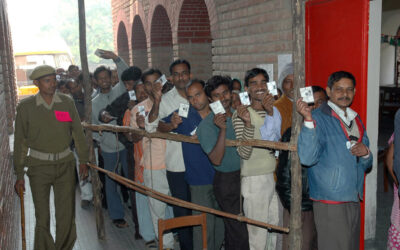
HD Image tip: Use an image of a Lok Adalat session with traffic officers and citizens seated together. For future options, choose a simple photo showing paperwork being reviewed at a local court or a clear signboard for the National Lok Adalat outside a court building.
For a helpful walkthrough, check out this video: How to fill Lok Adalat Traffic Challan / How to get Lok Adalat token / How to fill Challan?
What is National Lok Adalat?
When you hear about National Lok Adalat, think of it as a friendly, people-focused way to settle legal disputes without long court battles. This system is designed for ordinary citizens who want to resolve their cases quickly, affordably, and with less stress. If you’ve ever felt lost or overwhelmed by court processes, National Lok Adalat brings both sides together so solutions can be found with less paperwork and in less time. For many traffic challan cases, it’s the closest thing to getting a second chance at a clean slate.
What is the National Lok Adalat All About?
National Lok Adalat is a nationwide forum where pending legal disputes—including traffic challans—get a fair, fast settlement. The term itself simply means “People’s Court.” These sessions run at the same time across the country, usually four times a year, and tackle thousands of cases in a single day.
The key idea? Finding solutions through compromise, not lengthy arguments. Judges and trained mediators help both sides reach an agreement that is legally binding. You don’t need to fear a harsh verdict—this is less about fighting and more about finding a way forward for everyone.
Why Was National Lok Adalat Created?
National Lok Adalat was made to fix a major complaint: ordinary court cases can drag on for years and cost more than many people can afford. Waiting for your turn in line to argue over a 500-rupee traffic ticket? That’s frustrating and unfair for everyone.
Lok Adalat sessions were set up to:
- Reduce the burden on regular courts by moving smaller matters to a quicker, less formal forum.
- Help citizens save time and money on legal fees and trips to the courthouse.
- Create space for amicable settlements where both sides feel heard.
If you want the deep legal background, you can get it from the official National Legal Services Authority overview. This guide summarizes what matters most to real people facing personal legal hassles.
How Does National Lok Adalat Work in Practice?
Instead of sitting through repeated hearings, people get a date to appear at a Lok Adalat session. Each case is reviewed, and both parties talk things out together in the presence of a judge or mediator. You can speak up, share your side, show documents, and try for a reasonable agreement.
For traffic challan issues, this often means the chance to:
- Settle for a reduced fine or waiver (if your case qualifies)
- Avoid lengthy paperwork and repeat visits
- Clear your record much faster than regular court routes
Once both sides accept the Lok Adalat’s decision, it is final and enforceable in law. No appeals or repeated arguments.
What Makes Lok Adalat Different from Regular Courts?
To make it easier to understand, here’s a quick comparison in a table:
| Regular Courts | National Lok Adalat |
|---|---|
| Formal setting, rigid rules | Friendly, informal process |
| Multiple hearings, delays | Often over in one day |
| Fees and paperwork | Minimal cost, simple procedure |
| Fixed legal verdict | Focus on compromise and agreement |
In short, National Lok Adalat is designed for people, not technical experts. It’s justice with a human touch, meant to ease the load for everyone involved.
For more about Lok Adalat’s meaning and how it works in India, the National Lok Adalat guide from The Legal School goes into more detail about its everyday benefits.
Who Can Get Their Challan Waived or Reduced?
Curious if your traffic challan can actually get waived or reduced through National Lok Adalat? You’re not alone. Many drivers wonder if they’ll qualify for a break on their fines or if only certain cases get special treatment. The good news is, nearly everyone with a pending traffic challan stands a chance—so long as the case fits within Lok Adalat’s practical rules. Here’s how you’ll know if your challan is eligible, who can walk in for relief, and what might be left out.
Types of Challans Eligible in Lok Adalat
Most routine traffic violations fall under Lok Adalat’s umbrella. If your challan relates to day-to-day traffic rule breaches, you’re likely in the clear to apply for relief.
Common eligible offenses include:
- Not wearing a seatbelt or helmet
- Jumping a red light
- Using a mobile while driving
- Over-speeding
- Parking violations
- General non-criminal traffic offenses
Mild or administrative violations, especially those that did not lead to harm or injury, have high approval for waiver or reduction. Smaller fines sometimes get slashed by up to 75%, and in some sessions are waived off completely, depending on the city and current policy. A practical example can be seen in this detailed guide from Park+ listing typical qualifying challans.
Who Is Actually Allowed to Apply?
Anyone who has a pending traffic challan—regardless of whether you are a private driver, commercial vehicle owner, or two-wheeler rider—can apply, as long as:
- Your case does not involve a serious accident or criminal charge
- The challan was issued in the same jurisdiction or city where the Lok Adalat session is held
- The offense is of a non-cognizable nature, meaning it’s not a criminal court matter
It doesn’t matter if the fine is ₹500 or ₹5,000. Whether you’re a student with a two-wheeler or a business owner with fleet fines, you’re treated the same in these people-friendly sessions.
Offenses Typically Excluded from Lok Adalat Relief
Lok Adalat is not a magic eraser for every traffic case. These types of offenses are usually not covered:
- Accidents causing serious injury, death, or major property damage
- Drunk driving cases with injury or threat to life
- Any crime-related or criminal negligence traffic cases
Such issues must go through normal court routes. Lok Adalat focuses on helping people with manageable legal burdens, not on overturning criminal consequences.
Document Checklist: Who Is “Ready” to Attend?
Eligibility is more than just the type of challan—you need to show up prepared. For your session, always carry:
- A printed copy of your challan(s)
- Vehicle registration certificate (RC)
- Valid driving license
- Government-issued ID proof (Aadhaar, PAN, etc.)
- Any Lok Adalat appointment letter or token received during registration
Get a full overview of documents from the Park+ traffic challan document checklist. The actual process is easy and often lawyer-free, designed for you to handle yourself.
Quick Table: Eligible vs. Ineligible Challans
Here’s a snapshot so you can check your situation fast:
| Challan Type | Lok Adalat Eligible? |
|---|---|
| No seatbelt/helmet | Yes |
| Speeding | Yes |
| Signal jumping | Yes |
| Parking violation | Yes |
| Drunk driving (no accident) | Sometimes (city policy) |
| Accident causing injury/death | No |
| Criminal negligence | No |
Real-World Tip
Success rates for reduction or waiver are high if your challan fits the eligible list. Many people see a direct cut of 50% to 75% on their fines, sometimes even more, as seen in this report of a Delhi car owner’s relief.
Whenever in doubt, check with your local traffic police or legal services authority to confirm your challan’s eligibility before the next Lok Adalat date.
HD Image tip: Use a close-up of people holding traffic challan papers, or a table where people are in discussion with court staff—or signage at a Lok Adalat counter. These show real-life hope and action with ordinary people facing traffic fines.
Step-by-Step: How to Apply for Challan Waiver through Lok Adalat
Bringing the right paperwork can make your Lok Adalat visit quicker and stress-free. When you’re heading in to request a traffic challan waiver or reduction, court officials want proof to match your case with their records. Missing documents can slow things down or block your chance at relief. Here’s a smart explanation of what you’ll need, and why each item matters.
Documents Needed: What to Bring and Why
Before your Lok Adalat date, gather these important documents. Each item plays a role in confirming who you are and why you’re eligible for a challan reduction or waiver.
- Lok Adalat Registration Printout or Appointment Letter
This is your proof that you have a time slot or token for the Lok Adalat session. Without it, you may not be allowed inside or you could lose your scheduled place in line.
Why it matters: Court staff use this to organize the crowd, verify registrations, and match your case details. - Original Traffic Challan Copy
Bring the physical or digital printout of your pending challan.
Why it matters: The judge or mediator must see the exact offense and the amount due. It creates a record that you’re settling the right case. - Vehicle Registration Certificate (RC)
This document proves you are the registered owner of the vehicle for which the challan was issued.
Why it matters: No RC, no proof that you can legally settle the fine on that particular vehicle. - Driving License (Original and Photocopy)
Your valid driver’s license is required for identification, and to confirm you were operating the vehicle when the rule was broken.
Why it matters: Officials need to see that you were a legitimate driver at the time of the violation. - Government-Issued Identity Proof (like Aadhaar Card, PAN Card, or Voter ID)
You’ll need to show ID to match your name and details with the challan and registration records.
Why it matters: Prevents mistakes, proves you’re the real applicant, and is standard for all legal proceedings. - Any Official Court Notices or Summons
Sometimes, you’ll get a paper notice or SMS about your challan from the court, traffic police, or Lok Adalat organizers.
Why it matters: Adds extra proof and helps the session run smoothly if there’s already a government record tied to your name.
Why Being Prepared Works in Your Favor
Arriving with all your paperwork in order proves to the Lok Adalat staff that your case is genuine, and saves everyone time. If you miss even one document, you risk being sent home to fetch it or told to come back another day.
For an easy-to-scan checklist and more details, see the official list at Park+ traffic challan documents needed for Lok Adalat.
At-a-Glance Document Table
| Document Type | Why It’s Needed | Tips |
|---|---|---|
| Registration Printout | Confirms your Lok Adalat spot | Print or save digital copy |
| Appointment Letter/Token | Entry proof for the scheduled session | Keep handy |
| Original Challan | Official record of your offense | Carry all pending challans |
| Vehicle RC | Proves vehicle ownership | Bring original and copy |
| Driving License | ID and driving rights | Originals and copy needed |
| ID Proof (Aadhaar, PAN) | Verifies your identity | Photocopy speeds up checks |
| Official Notices | Helps link your case to court records | Carry any SMS or letters |
For extra peace of mind, double-check your local rules since some cities may have slight differences. Visit LegalKart’s Lok Adalat traffic challan guide for up-to-date information on what courts expect countrywide.
When you stand in line with every document in hand, you send a message that you’re serious and ready to solve your challan issue for good.
Benefits and Legal Standing of Lok Adalat Decisions
Settling a traffic challan through Lok Adalat is not just about convenience, it comes with many real-world benefits and strong legal backing. Lok Adalat turns what could be a drawn-out court process into a fair, fast resolution that truly sticks. Let’s break down why these decisions are so helpful, and how solid their legal standing is.
Key Benefits of Settling Challans in Lok Adalat
You don’t have to fight paperwork or deal with court stress when using Lok Adalat for your traffic challan. Some of the biggest upsides include:
- Faster Resolution: Most cases finish the same day you appear. No waiting for months to clear issues or pay dues.
- Reduced or Waived Fines: Many walk away with their fines cut by half or more. Some get a full waiver if the situation calls for it.
- No Extra Legal Fees: You can settle most traffic challans without needing a lawyer, saving time and money.
- Relieves Court Backlog: By moving these smaller cases out of regular courts, everyone benefits—judges, officers, and citizens.
- Simple and Stress-Free Process: The setup is informal and user-friendly. Mediators help, so things don’t feel intimidating.
- One-Time Solution: Once decided, the process ends there, so you can put your case behind you right away.
Here’s a quick table showing the typical differences many experience:
| Traditional Court Route | Through Lok Adalat |
|---|---|
| Slow (weeks/months) | Often resolved in one day |
| Rigid rules and procedures | Flexible, guided by compromise |
| Possible legal fees | Low-cost or free for most traffic cases |
| Can be appealed or delayed | Final, with no further arguments |
If you want a bird’s-eye view, the Lok Adalats official page covers the national approach and impact.
Legal Status: Binding Power of Lok Adalat Decisions
The best part about a Lok Adalat decision? It has the same weight as a civil court order. When both parties settle, the Lok Adalat issues an “award,” which is the legal term for their verdict. This award is:
- Final and Not Appealable: Whatever is decided, stays. There’s no higher court to challenge or reverse it, which makes it solid.
- Enforceable as a Court Decree: Law treats it just like any regular court order. If someone refuses to comply, the order can be legally enforced.
- Covers Both Sides Equally: All parties are bound—traffic police can’t come back with claims, and citizens can’t reverse the agreement.
For example, as confirmed in the LegalKart explanation of the National Lok Adalat mechanism, once you accept and sign, your matter is closed.
How This Works in Real Life
Let’s say you settle your traffic challan for a fraction of the original fine. The Lok Adalat issues an award showing the agreed amount. Both you and the traffic department accept this. You pay, get a receipt, and walk away. Months later, if anyone tries to reopen your case, this award acts as proof the issue is finished.
There are only rare exceptions, like if the agreement was made through fraud or misrepresentation. Otherwise, the Lok Adalat’s decision locks in your outcome.
Want to see a detailed comparison between Lok Adalats and other courts, or learn when a challenge might still be possible? The Legal School’s guide sums up the boundaries and strength of Lok Adalat awards.

Photo by Kindel Media
Important Points You Should Remember
- Lok Adalat awards have real legal force—like a court judgment.
- The process is quick, often more affordable, and much less stressful.
- Once settled and recorded, the decision cannot be appealed in most circumstances.
Settling through Lok Adalat gives closure and confidence, letting you drive on without legal hurdles hanging over your head.
Conclusion
The National Lok Adalat offers a straightforward and fair way to resolve minor traffic challans without the hassle and delays of traditional courts. If your offense qualifies, you can expect lower fines or even a waiver, saving both time and money. This legal forum respects your rights while encouraging quick settlements that are binding and final.
While sticking to traffic rules remains essential for everyone’s safety, Lok Adalat ensures genuine mistakes don’t turn into long-term problems. By preparing your documents and acting promptly, you can benefit from upcoming Lok Adalat sessions and clear your record smoothly.
Keep an eye out for announced dates and take advantage of this accessible solution to manage your traffic challan with confidence and ease.