


Nawada Rail Update 2025: New Dehgaon, Garobighha Train Halts, Faster Kiul–Gaya Service
 Nawada Rail Update 2025: New Dehgaon, Garobighha Train Halts, Faster Kiul–Gaya Service
Estimated reading time: 12 minutes
Thank you for reading this post, don't forget to subscribe!New Train Halts Bring Better Rail Connectivity to Nawada (Kiul–Gaya Section Update)
Nawada just got a big upgrade in rail travel. Two new train stops at Dehgaon and Garobighha bring fresh hope for thousands of locals who’ve waited years for better connections. This move gives daily commuters and families much easier access to the trains on the busy Kiul–Gaya rail section.
With upgraded tracks and faster services between Kiul and Gaya, travel has become smoother and quicker than ever. These new halts don’t just mean a stop on the tracks—they mean more jobs, stronger ties to nearby towns, and a little less travel stress for everyone in the area.
Check out this recent update about the Nawada rail developments: Aapka Sansadiya Kshetra : Nawada, Bihar | Vivek Thakur, MP | Sansad TV
Details of the New Train Halts on Kiul–Gaya Section
Big changes have arrived for travelers on the Kiul–Gaya rail corridor. The introduction of two new passenger train halts—Dehgaon and Garobighha—has met a long-standing demand from locals who wanted closer, more practical rail access. These stops make life easier for daily commuters, school kids, shop owners, and families who depend on reliable train services for both work and social visits.
Where Are the New Halts? Dehgaon and Garobighha
Dehgaon and Garobighha now sit proudly on the map as official train stops between Kiul and Gaya. Until now, travelers from these areas had to trek to distant stations, often wasting both time and money. With the new halts:
- Locals can board or get off trains closer to home.
- Short trips between towns have become practical by train, cutting down the need for road travel.
Simple improvements like these can often bring a sense of pride to small communities—now it’s easier to stay connected with the rest of Bihar.
Which Trains Will Stop at the New Halts?
Two MEMU (Mainline Electric Multiple Unit) trains are the first to add Dehgaon and Garobighha as official stops:
- Gaya–Kiul MEMU (Train No. 63322)
- Jhajha–Gaya MEMU (Train No. 63315)
With these trains running daily, passengers have morning and evening options for reaching regional hubs. More frequent service means less waiting on platforms and better access to city services, college, or medical appointments.
| Train Number | Route | Now Halts At |
|---|---|---|
| 63322 | Gaya–Kiul | Dehgaon, Garobighha |
| 63315 | Jhajha–Gaya | Dehgaon, Garobighha |
This change brings practical, everyday gains for students, workers, and anyone else who relies on the railway.
The Flagging-Off Event: Local Leaders and Community Cheers
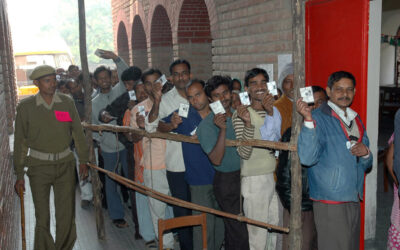
The start of service at the new halts was celebrated in style. Bihar MP Vivek Thakur flagged off the first trains at a well-attended event. Local officials and Panchayat heads joined in, underscoring how much this meant for the broader community.
- People gathered early, waving, clapping, and cheering as the trains began their journey with the new stops on the route.
- Leaders made brief speeches about the importance of improved local travel.
- The event wasn’t just ceremonial; it was a sign of hope for people who felt passed over for years.
Why Local Accessibility Matters
Adding stops at Dehgaon and Garobighha is about more than convenience. Reliable rail access helps residents reach jobs, schools, and healthcare more easily.
Key benefits include:
- Boosting local business as traders can move goods faster.
- Reducing travel costs for families and students.
- Encouraging growth in smaller towns since new connections often spark investment and activity.
It’s a small change on paper, but for locals, these new halts represent freedom, opportunity, and a better daily routine.
How the New Connectivity Benefits Nawada Residents
Upgraded train halts at Dehgaon and Garobighha are more than just dots on a rail map—they are lifelines for locals in Nawada. Reliable connections let residents grab job chances, reach schools, and stay close to their families without the hassle of long commutes. The benefits ripple through daily routines and open doors that once seemed out of reach.
Shorter, Smoother Journeys for Everyone
Traveling between villages and towns in Nawada used to mean waking early and braving bumpy roads or crowded buses. With the new halts:
- Daily commutes are less tiring: Trains now pick up and drop off villagers closer to home, slicing travel time for work and school.
- Fewer missed opportunities: People can get to interviews, tend to businesses, or see relatives without wasting hours on the road.
- Peace of mind: No more rushing to distant stations. Everyone, from students to elders, can plan trips without stress.
Boost for Education, Jobs, and Healthcare
The direct train stops mean more than comfort—they unlock paths to better lives.
- Students save time on their way to classes in regional colleges or schools, letting them focus more on studies and less on travel headaches.
- Workers gain reach: It’s now easier to take up jobs in nearby towns, supporting family incomes.
- Medical visits are doable: Families can reach city hospitals without complicated changes or costly road journeys.
These improvements support the broader vision for regional growth as seen in projects like the completed Kiul–Gaya rail upgrades. Read how the completed rail project improved services and opened up new possibilities for everyone in the region at IRCON’s Kiul-Gaya rail project update.
Local Businesses and Villages See Real Growth
This new connectivity has made it simpler to move goods and reach customers from small towns.
Here’s what’s changed for Nawada’s business owners and families:
- Shopkeepers and traders spend less on transporting products.
- Entrepreneurs can connect with bigger markets.
- Villages along the route attract more investments and services, sparking economic activity.
The train halts work like busy highways for small villages, bringing progress and hope with every arrival.
Practical, Everyday Wins
For Nawada, the added halts are not just about convenience—they mean fuller classrooms, busier shops, and healthier families. They turn big city opportunities into a short journey instead of a day-long struggle. The community feels that difference, every morning and evening as the trains roll in.
Major Railway Upgrades in the Kiul–Gaya Region
The past year has brought a real wave of progress to the Kiul–Gaya railway corridor, transforming train travel for towns like Nawada, Lakhisarai, and Sheikhpura. New double tracks, electrified lines, upgraded stations, and bold infrastructure projects mean trains now move faster, safer, and with far fewer delays. These changes are felt every day by locals—travel times are shorter, service is more reliable, and both long-distance and local trains fit more riders with comfort to spare.
Double Tracking and Electrification: More Trains, Less Waiting
The full commissioning of the 122.8 km Kiul–Gaya double line project stands out as a milestone for Bihar’s growing railway network. This double-tracked, electrified route became reality in early 2025, with the final Nawada–Tilaiya section clearing all safety checks. The project also included:
- 31 major bridges and 301 minor bridges
- 10 new station buildings (including Nawada)
- Two modern freight handling yards
New electric infrastructure means more trains can travel at once, delays shrink, and maintenance costs come down. Locals now see clean, electric engines zipping through towns, replacing older, slower diesel models.
For more on the project’s scope and benefits, read the detailed update at IRCON’s 122.8 km Kiul-Gaya project completion.
Faster Trains and Shorter Trips: Travel at 110 km/h
Old journeys that used to drag on now speed by. The double line allows passenger trains to safely travel at up to 110 km/h, cutting the travel time between Kiul and Gaya from almost six hours to about 3.5 hours. This means:
- Families reach home before dark.
- Business owners and workers make their rounds without long waits.
- Students can study further away without worrying about exhausting commutes.
Plus, by expanding capacity on this route, congestion drops across both the Grand Chord and mainline tracks, freeing up space for more express and local train services. You can read about the operational impact at Times of India’s coverage of the doubled route.
Phase-Wise Completion Table
Here’s a quick guide to the main phases of this massive project:
| Section | Length | Commissioned |
|---|---|---|
| Manpur – Wazirganj | 18.15 km | Dec 2019 |
| Wazirganj – Tilaiya | 17.63 km | Sep 2022 |
| Lakhisarai – Sheikhpura | 25.32 km | Feb 2023 |
| Sheikhpura – Kashichak | 15.38 km | Sep 2023 |
| Kashichak – Warisaliganj | 9.87 km | Jan 2024 |
| Warisaliganj – Nawada | 19.13 km | Jul 2024 |
| Nawada – Tilaiya | 17.32 km | Feb 2025 |
New Overbridges: Safer Crossings for Towns and Villages
One of the most visible upgrades for locals is the plan to build 10 new road overbridges and underpasses along the Kiul–Gaya stretch. These bridges replace dangerous manned level crossings so:
- Kids get to school without risky rail crossings.
- Emergency vehicles save precious minutes.
- Traffic jams disappear at train gates during busy hours.
By focusing on both safety and speed, these bridges modernize travel for the next generation.
Amrit Bharat Station Makeover: Nawada Goes Modern
Nawada Station is set for a true transformation as part of the Amrit Bharat Station Scheme. This initiative gives key regional stations a modern face, better passenger amenities, and a cleaner, brighter look.
Improvements coming to Nawada include:
- Renovated platforms and new digital information boards
- Energy-efficient lighting and solar panels
- Airy, accessible waiting areas and ticket counters
- Enhanced restrooms and modern water facilities
These upgrades put comfort on par with major city stations, letting Nawada residents and travelers start and end their trips with ease. For updates on the broader plan, see the latest Amrit Bharat press release.
Long-Distance and Local Services: Region-Wide Gains
Every upgrade on this section benefits both express trains connecting major cities and local MEMU services stopping at town halts. Here’s how:
- More long-distance trains find open paths, reducing delays.
- Local trains like those now halting at Dehgaon and Garobighha offer better schedules and reliability.
- Freight trains rerouted onto this modern corridor take pressure off older, busier mainline routes.
In short, the new system isn’t just about faster trains. It brings better schedules, more frequent services, safer crossings, and modern amenities—helping rail become the region’s easiest, most trustworthy way to travel.

Photo by dharam veer
Community Response and Future Prospects
Nawada’s new train halts sparked lively celebrations across the district. For many, this milestone feels like a long-awaited gift, finally bridging gaps that shaped daily routines for years. Residents, students, business owners, and elders all share a fresh optimism about what better rail service brings. The response from the community and local leaders is full of hope and clear demands for even more progress—not just for today, but for tomorrow.
Locals Welcome Change: Joy, Gratitude, and High Hopes
The moment new MEMU trains began stopping at Dehgaon and Garobighha, enthusiasm spread fast. Locals shared their happiness on social media and in community gatherings, with many thanking MP Vivek Thakur and railway officials for pushing the project forward.
- Parents expressed relief at shorter, safer school commutes for their kids.
- Business owners now see chances to reach broader markets with less hassle.
- Farmers and workers talked about saving time on trips to city markets or clinics.
Gratitude to public officials is clear. Residents credit leaders like Vivek Thakur for their hands-on approach and repeated meetings with railway management, highlighted by recent development talks over ongoing and future railway projects.
Local Leaders Step Up: Voices in Action
Community leaders and panchayat representatives did more than join ceremonies. They listened to everyday needs, collected feedback, and lobbied for better services. Many called for:
- Even more frequent local train stops at rural halts.
- Improved waiting areas and shelters.
- Steady maintenance to keep trains and stations clean and safe.
The clear message: Nawada’s residents want their voices heard as Indian Railways plans future upgrades.
What’s Next? Upcoming Projects and Local Expectations
Big rail projects don’t stop at a few new halts. Nawada residents are now looking ahead, with several hopes front and center:
- Additional express train services: Upgrades to the Kiul–Gaya stretch mean more express and premium trains could soon use this faster route. Indian Railways aims to turn this track into a top option for travelers between eastern and northern India.
- Ongoing station improvements: The Amrit Bharat Station Scheme has already brought visible changes at Nawada station. Locals expect further enhancements, like better ticketing, tech-enabled info boards, clean restrooms, and easier access for seniors.
- Plans for new routes: There is rising interest in projects like the Neura–Daniyawan–Barbigha line, which can broaden connectivity and ties between towns. This was noted in recent railway service updates.
Here’s a snapshot of ongoing expectations from the community and leaders:
| Community Wish | Status / Progress |
|---|---|
| More MEMU/Express halts | Under active discussion |
| Upgraded passenger amenities | In progress at main stations |
| New routes, better access | Under feasibility study |
| Cleanliness & safety | Focus of local campaigns |
Building a Stronger Rail Future
Community members, elected officials, and local youth groups are already taking an active role in keeping pressure on for steady upgrades. With the full double tracking and electrification in place, the region expects not just faster trains, but a long-term push to make rail the backbone of all local travel.
Indian Railways’ plan to open new services on the upgraded line, as detailed in official reports, shows commitment to both present and future growth.
The excitement is genuine—Nawada’s rail passengers are no longer waiting for something better. Now, the call is for Indian Railways and political leaders to keep this momentum rolling, making the dream of reliable, comfortable train travel a permanent reality for everyone in the district.
Conclusion
The fresh train stops at Dehgaon and Garobighha, along with the station upgrades in Nawada, are making travel easier for local families, workers, and students. These improvements cut commute times, open up job and business options, and help people stay close to important services like schools and hospitals.
Better rail connections now bring villages into the heart of regional progress. As trains run on modern tracks and stations feel more welcoming, daily life moves a little smoother. Nawada’s story proves how smart rail investments can power growth and bring communities together. Thanks for reading—if these changes have touched your daily routine, share your experience below and help keep the conversation going.