
Nepal Gen Z Protests: Social Media Ban, Corruption Outrage, Oli Resigns
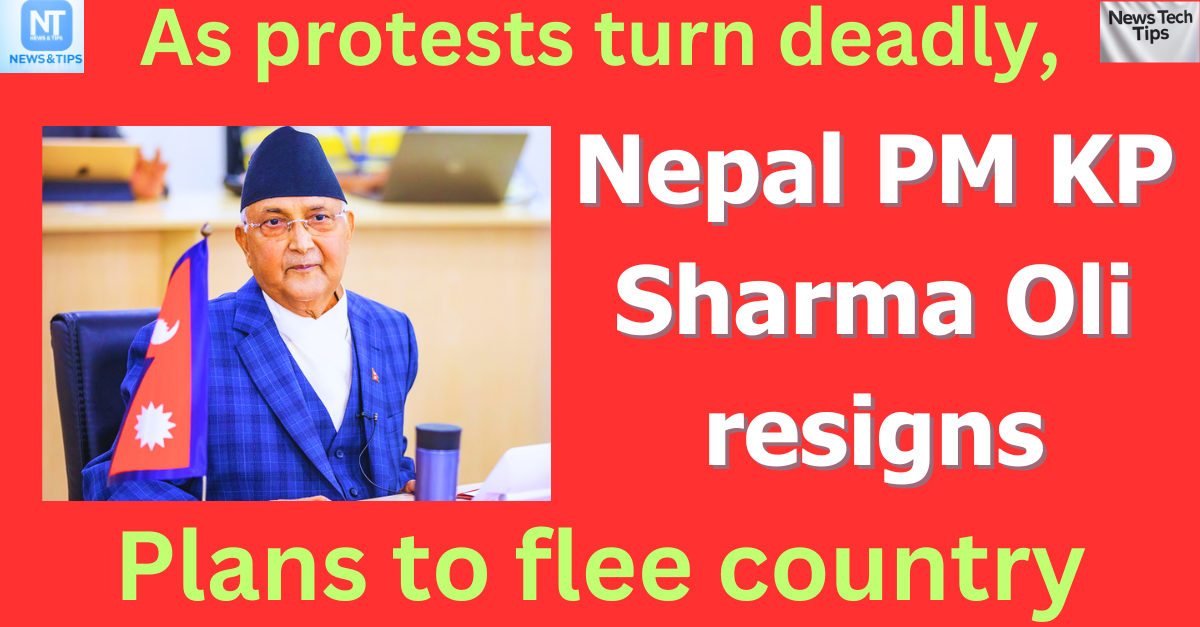 Nepal Gen Z Protests: Social Media Ban, Corruption Outrage, Oli Resigns
Estimated reading time: 16 minutes
Thank you for reading this post, don't forget to subscribe!Nepal’s Gen Z Uprising: Social Media Ban Sparks Historic Protests and Topples Oli Government (2025)
September 2025 shook Nepal as tens of thousands of young people poured into the streets, furious over a sweeping social media ban. What started as an online movement quickly exploded into some of the largest, most intense protests the country has ever seen. The ban cut off major platforms like Facebook, Instagram, and YouTube, spiking anger among Gen Z who rely on these tools for work, connection, and speaking out against corruption.
Demonstrators soon clashed with police, leaving at least 19 dead and hundreds wounded. Government buildings were torched, symbols of a political class seen as out of touch and corrupt. By mid-September, the outcry forced Prime Minister KP Sharma Oli to quit, bringing global headlines and deep uncertainty to Nepal’s streets. Social media wasn’t just the spark, it was the megaphone and the meeting place for a new generation demanding change.
Watch news coverage here: Nepal PM quits after deadly Gen-Z corruption and social media ban protests (Channel 4 News)
From Ban to Blaze: Timeline of the Gen Z Protests
In early September 2025, Nepal lurched from simmering frustration to fierce upheaval in just a matter of days. What began as a government decree triggered a chain reaction that saw city squares fill with chanting teens, angry crowds, and burning buildings. Let’s walk through the decisive moments that set the country alight.
September 4: Social Media Ban Ignites Outrage
On September 4, 2025, the Nepalese government abruptly ordered a ban on 26 social media platforms—including Facebook, Instagram, YouTube, and WhatsApp. This decision, supposedly about regulation, landed like a spark in dry brush. Many saw it as a ploy to smother growing anger about government corruption and the lavish lifestyles of the political elite. The ban cut off the main way young Nepalis organized, worked, or even voiced their frustration.
September 5-7: Tension Mounts and Online Anger Spreads
Word traveled fast—even with social media cut off, youth found workarounds using VPNs, encrypted messaging, and offline networks. Hashtags scrawled on sidewalks and posters in university halls took the fight offline. Small gatherings started cropping up around Kathmandu and Pokhara, with students wearing masks, holding handwritten banners, and chanting slogans against the “nepo kids” (children of politicians who flaunt their privilege). The mood shifted from irritation to red-alert.
- Protesters used VPNs and encrypted apps to outsmart the ban.
- University and college campuses became hotbeds of organizing.
- Calls for street action spread via word-of-mouth and SMS chains.
September 8: Protests Erupt, Violence Follows
By the morning of September 8, thousands of young protesters poured into Kathmandu’s center and outside government buildings across the country. The atmosphere felt electric—but it tipped quickly. When marchers tried to push past barricades at Parliament and major party headquarters, police responded with water cannons, rubber bullets, and tear gas. The army rolled in by midday.

By afternoon, the scene turned chaotic:
- Government buildings—including the Supreme Court and party headquarters—were set on fire.
- Protesters tore down security fences, many filmed live on smartphone streams.
- Reports of casualties mounted fast, with hospitals filling and live feeds showing wounded protesters on the street.
Authorities eventually cut power to some areas and shut down the airport, leaving thousands stranded.
September 8 (Evening): Social Media Restored, Anger Peaks
The government, reeling from the scale of unrest, announced the social media ban would end. Most platforms were slowly restored that night, but the move came too late to calm the crowds. News of violent crackdowns had already gone viral outside the country, fueling global outrage and support. According to The New York Times, demonstrations had become the largest and most intense Nepal had seen in decades.
September 9: Resignations and a Country in Shock
Violence reached its peak in the early hours, with clashes reported in Lalitpur, Pokhara, and Biratnagar. At least 22 people, mostly young demonstrators, were confirmed dead. Over 300 were injured, according to initial police and hospital reports.
By midday on September 9, Prime Minister Oli, battered by criticism at home and abroad, resigned. Home Minister Ramesh Lekhak had already stepped down hours earlier. The Nepal Army kept patrols on the streets; city centers looked like war zones, with burned-out cars, shattered glass, and the smell of tear gas hanging over major squares.
Those three days turned Nepal’s protests from an online movement into a fiery fight for dignity and reform. In just under a week, a ban meant to silence the young ended up turning up the volume on a new generation’s demands.
For more first-person accounts and eyewitness reporting, BBC’s in-depth coverage shares scenes from the streets and Time explains the deeper roots of Gen Z’s fury.
The Roots of Rage: Why Gen Z Rose Up

The wildfire protests in Nepal weren’t just about a sudden social media blackout. For Gen Z, the ban was the last straw—an attack not only on how they connect, but on their hopes for a fair shot at a better life. These protests came from deeper wounds: years of feeling ignored, cheated, and locked out of an unfair system. Let’s break down the heart of Gen Z’s fury and why this moment was different from anything Nepal has seen.
Corruption, Nepotism, and the Rise of the “Nepo Kids”
Ask young Nepalis what’s broken, and most will point to one thing: corruption. Political deals made in smoky back rooms and cash passed under tables is nothing new, but now the gap between the “haves” and the “have nots” is on display for the whole country—thanks to social media.
The “Nepo Kid” trend filled TikTok and Reddit even before the ban. Children of powerful politicians, known as “Nepo Kids” or “Nepo Babies,” posted pictures of flashy cars, glittering international parties, and expensive shopping sprees. Meanwhile, most young people watched from cheap phones in towns where jobs are rare and local schools lack basic supplies.
- “Nepo Kid” and #NepoBaby hashtags took off, with thousands sharing side-by-side images of poverty and privilege.
- Videos of politicians’ children throwing money at clubs or holidaying in Paris became symbols of everything broken.
- This rage isn’t hidden. The India Today deep-dive points out how these posts sparked a raw, loud call for fairness.
Locked Out: Unemployment, Inequality, and Hopelessness
If you’re young in Nepal, finding meaningful work feels like spinning a wheel and landing on “try again.” Official numbers put youth unemployment (ages 15-24) at more than 20%, nearly three times the national average. Many more take whatever jobs they can get, even if that just means working in a relative’s shop or thinking about leaving the country altogether.
Table: Youth Unemployment and Inequality in Nepal
| Metric | Value |
|---|---|
| Youth Unemployment Rate | 20% |
| General Unemployment | 8.2% |
| Nepalese Working Abroad | ~2 million |
| Remittances (GDP share) | 33% |
Sources: Nepal government data, Time explainer
Every flashy Instagram story from a “Nepo Kid” hits differently when you know classmates working as laborers in the Gulf, or friends who risked everything for mercenary jobs in war-torn countries just to send money home.
When Social Media Wasn’t Just Social—It Was Survival
For Gen Z, the social media ban wasn’t just the government flipping a switch. It cut off how young people:
- Found freelance gigs and side hustles
- Organized protests and shared their voices
- Called out shady business or elite privilege
- Stayed connected with family members working abroad
By removing these digital lifelines, the government’s move wasn’t just inconvenient. It felt personal. It meant no more exposing those viral videos of excess, no more work leads, and no more speaking up about injustice. The ban made daily life even harder for those already struggling, which turned simmering anger into something that boiled over.
Why This Protest Was Different
Nepal has seen protests before, usually led by unions or former royalists. But this uprising had a different energy. It was “leaderless” but organized, angry but also pragmatic. Gen Z made their own banners, spread information by word of mouth after the ban, and turned memes into protest signs.
Unlike older generations, they weren’t protesting for a leader or party—they were demanding a system that works for everyone. The decentralized, digital roots made it impossible to crush or co-opt. As the BBC explains, this is not just a youth revolt; it’s a generational reckoning with the old, tired playbook of corruption.
The rage that exploded in September 2025 had been building for years, hidden in hashtags, DMs, and side chats. Once out in the open, it was impossible to ignore.
How the Movement Unfolded: Tactics, Symbols, and Slogans
The Gen Z protests in Nepal broke all the old rules. These weren’t led by stuffy party bosses on stages. Instead, the energy crackled from TikTok group chats, whispered campus plans, and memes turned into rallying cries. Every day, new tactics appeared, almost like the protests themselves were alive—reshaping, growing, and inspiring millions.

Image generated by AI
Decentralized, Fast, and Fearless: Flash Protests and Walkouts
Little warning, big turnout. That’s how students all over Nepal made school and college walkouts work. With mainstream social platforms banned, young organizers used VPNs, encrypted apps, and even paper flyers to call for lunchtime marches and citywide flash protests. These quick, mobile gatherings avoided police trap points and popped up at unexpected hours.
- College courtyards and city parks filled up in under 30 minutes, then emptied as police arrived
- Groups rotated protest spots: one hour at a business district, then suddenly at the Supreme Court plaza
- Local leaders—often campus activists or student union reps—coordinated face-to-face when the internet was tight
This “horizontal” organizing meant anyone could start something, no orders needed. It took inspiration from global youth protests and adapted it to Nepal’s urban grid.
Slogans and Symbols: From #NepoKids to Pirates
At the heart of these protests were jokes, memes, and pop culture references—shared one minute online, painted on posters the next. The #NepoKids slogan, mocking the children of corrupt politicians, went viral well before the ban. It soon covered banners, viral street graffiti, and even classroom chalkboards. Protesters turned selfie-culture on its head, taking group photos in the middle of chaos with captions like “Not your parents’ protest.”
One symbol caught fire: the Jolly Roger flag from the anime One Piece. Teens waved it from burned-out party headquarters and posted it in photos on secret Instagram accounts. The black flag became a shorthand for resistance without a single leader—just like the anime’s band of pirates. As news reports noted, the flag first popped up in Indonesia and then became a familiar sign in Kathmandu’s streets, tying youth movements across Asia together. For more on these viral protest symbols, The Telegraph India details the journey of the Jolly Roger flag to Nepal.
Other rallying cries included:
- #UnlockOurVoices
- “No More Nepo Babies”
- “If you silence us online, hear us on the streets”
- “Balen, We Are All Balen” (referencing Kathmandu’s mayor)
Protest Tactics: Scaling Walls and Setting Fires
The protests moved fast. Some groups pulled off high-profile stunts by climbing over Parliament fences or dropping banners from government rooftops. Protesters didn’t target the public—they set fire to party buildings and offices tied to corruption. While police used tear gas and water cannons, demonstrators responded by livestreaming the action, even as networks got jammed.
Quick thinking kept crowds safe:
- Protest scouts used scooters to map police locations
- First-aid teams set up in back alleys
- Students brought homemade shields out of old campaign placards
Leaderless, But Loud: The Role of Balen Shah and Local Figures
No single name led these protests—and that’s exactly how Gen Z wanted it. This made the movement harder to control or smear. Still, Kathmandu’s mayor, Balendra (Balen) Shah, drew huge crowds whenever he showed up. Widely known as a former rapper and engineer, Balen had already built trust with young people tired of the old school elite. A wave of chants—“Balen, our generation’s voice!”—followed him from rallies to city hall.
For a deeper look at Balen Shah’s appeal and the leaderless energy of the movement, check out India Today’s profile and BBC’s latest street coverage.
As explained by the Hindustan Times, while Balen Shah became a touchstone for the movement, control stayed with the crowds; students and everyday people decided the next steps together out in public, not behind closed doors.
The Power of Viral Messaging
These young activists used the skills gained online in the real world. Instant memes, slang slogans, and remixing internet culture made the message both serious and fun—perfect for a restless, ambitious generation tired of dusty politics.
For more context on the tactics, slogans, and influence of Nepal’s decentralized youth-led movement, CNN’s explainer helps sum up how a leaderless protest managed to shake the whole country.
Aftermath and Uncertainty: What Comes Next for Nepal?

September’s historic Gen Z protests did more than topple a prime minister—they threw Nepal into a state of deep uncertainty. In just a few days, government control crumbled, the economy wobbled, and city streets turned into scenes out of a crisis movie. Now, Nepalis face a future nobody can quite predict, where hopes for reform mix with worries about what chaos might still come.
Oli Steps Down: Power Vacuum and Political Confusion
As smoke rose from burned-out buildings, Prime Minister KP Sharma Oli’s resignation sent shockwaves across Nepal. Top officials quit alongside him, but there’s no clear plan for who takes charge next. Parliament itself was torched by protesters, leaving the heart of government in ruins and fueling fears of more unrest. For live coverage and up-to-date details on these events, review the BBC’s report on the parliament fire and leadership crisis.
Nepali politics has never seen such a rapid collapse at the top:
- No single party or figure holds control.
- Talks about a “technocratic caretaker” government have stalled.
- The opposition is divided, with no hero waiting in the wings.
Lockdowns, Curfews, and the Army in the Streets
In the power vacuum, Nepali authorities responded with step-up curfews and army patrols. Many city centers now look—and feel—like war zones at dusk. Young people are especially wary as soldiers block off major squares and police enforce overnight lockdowns.
- Indefinite curfew in key areas, including Kathmandu and Pokhara
- Mobile internet and roads sometimes blocked to keep crowds from gathering
- Army checkpoints slow travel in and out of major cities
Despite these moves, flash protests and street gatherings haven’t stopped. Many in Gen Z are not backing down, even as sirens wail each night.
Economic Strain: Remittances, IMF Demands, and a Shaken Middle Class
The protest fallout goes deeper than burned cars. Nepal’s economy—a fragile mix of remittances from workers abroad and international aid—is now on edge. More than 30 percent of Nepal’s GDP comes from money sent home by overseas workers. Any unrest hits this lifeline.
Recent IMF talks had already pushed for subsidy cuts and higher taxes, hoping to steady Nepal’s budget. But chaos has made both the business class and everyday families nervous. Banks report long lines at ATMs. Parents worry about jobs, food prices, and how they’ll afford school for their kids.
- Over 2 million Nepalis work overseas, mostly in the Gulf and Malaysia
- IMF’s reform plan is on hold until a new government forms
- Imported goods, especially fuel and grain, face delays and price spikes
Government Promises, Fear of More Unrest, and Calls for Real Change
With the old leadership gone, Nepal’s caretaker officials have issued statements promising “deep reform.” The big question: will change go beyond words? Young protesters remain on guard, with some leaders asking for international observers to guarantee new elections and real accountability.
- Demands range from basic digital rights and free speech to full investigations of past corruption.
- Students and activists say only a transparent trial and fair appointments will satisfy them.
- Rumors of further crackdowns keep families on edge every night.
For a closer look at the demands driving the movement and the risks of more unrest, see the BBC’s analysis on the Gen Z uprising’s roots and demands.
Global Spotlight: UN, Human Rights Groups, and Regional Powers React
The world watched Nepal’s protest go viral. The United Nations issued urgent calls for calm and restraint. Human rights organizations have demanded immediate investigations into reports of police brutality and protester deaths.
Neighboring countries, especially India and China, released cautious statements encouraging stability. Behind the scenes, diplomats worry about the risk of regional spillover if Nepal’s crisis deepens.
- Global rights groups released lists of detained or missing youths they want freed
- Foreign embassies warned their citizens to avoid city centers
- Regional media debate if Nepal’s youth revolt might inspire copycat protests elsewhere
The Big Picture: Digital Rights and Gen Z’s Regional Influence

The Nepal protests were never just about a social media ban. They have become a rallying point for young people across Asia who see their own governments as out of touch with the digital world. In group chats from Mumbai to Jakarta, there’s talk of “Nepal moments” and debates about the rights of youth to protest, organize, and challenge corruption online.
Key takeaways for digital rights and youth activism:
- Nepal’s Gen Z forced the issue of free speech back into global headlines.
- Social media isn’t just for memes. It’s a lifeline for activism, work, and truth-telling.
- The struggle for digital rights and fair government is now a top priority for entire regions, not just Nepal.
For in-depth context about what pushed Gen Z to the streets—and where Nepal could go next—The New York Times explores the forces behind this explosive protest.
Nepal’s story isn’t over. The aftermath is still unfolding and everyone, especially its youngest citizens, is watching—and waiting—for real answers.
Conclusion
Nepal’s explosive Gen Z uprising has thrown open a new chapter for the country and for youth activism in South Asia. What started as outrage over a social media ban revealed a deeper hunger for dignity, jobs, and honest government. Gen Z’s response—fast, fearless, and organized from the ground up—toppled a prime minister and sent a clear message: young people will not stand by as their futures are bargained away.
The old ways of power and privilege are under real pressure now. Nepal’s next steps could swing from bold reforms to more political gridlock, but the genie is out of the bottle. Gen Z is now a force every leader must take seriously when it comes to digital rights, economic fairness, and transparency. For governments thinking about cracking down on free expression or ignoring young voices, Nepal’s story is a warning.
Thank you for reading and staying curious about the stakes for Nepal’s future. Keep the conversation going—what do you think comes next for youth power and reform?