



Brain Mysteries 2025: Why Neuroscience Still Can’t Explain Mind
 Big Science Projects That Promised to Map the Brain But Fell Short
Estimated reading time: 9 minutes
Thank you for reading this post, don't forget to subscribe!Why Science Hasn’t Unlocked Human Brain’s Mysteries (2025)
Eighty-six billion neurons, about 100 trillion connections. That’s the traffic inside your head, always on, always humming. No wonder the brain keeps outsmarting our best tools.
By 2025, labs poured billions into brain maps, cell atlases, and new sensors. We can label thousands of cell types, record storms of spikes, and even tune circuits to ease Parkinson’s symptoms. Still, core questions remain wide open. How do firing patterns turn into thoughts, feelings, and self.
Here’s the thesis in plain terms. Science has made real progress, but it hasn’t unlocked the brain’s secrets. The system is too vast and adaptive, and our tools still miss key scales in space, time, and context.
This post breaks it down so you can judge the gap. First, what we truly know about cells, circuits, and behavior. Second, where we still hit a wall, like consciousness, memory storage, and meaning. Third, why current methods fall short, from resolution limits to lab setups that strip away real life. Finally, what’s next, from richer datasets to smarter models and better ethics.
If you’re curious about why smarter gear hasn’t cracked a smarter organ, you’re in the right spot. You’ll get a clear view of wins we can trust, blind spots we can’t ignore, and the questions that guide the next wave of research. Let’s keep it simple, honest, and useful.
Big Science Projects That Promised to Map the Brain But Fell Short
Grand plans set big expectations. Two headline projects launched in 2013 promised detailed brain maps and even working simulations. They changed tools and data standards, but by 2025 they did not crack thoughts, meaning, or memory codes. The lesson is clear: dynamic brains resist one master blueprint.
The BRAIN Initiative: Ambitious Goals Meet Real-World Roadblocks
The U.S. BRAIN Initiative set out to map and control neural circuits, then turn those insights into new diagnostics and treatments. It fueled better imaging, high-density probes, and open data platforms. The decade report catalogs real gains in cell atlases and recording tech, yet no method can decode thoughts or complex behavior in natural settings. See the NIH summary in the BRAIN 2025 scientific vision and the 2025 progress update that stresses tools over theories. Coordination across labs, data standards, and compute costs slowed translation. Ethical issues, like privacy and neural enhancement, also added friction. The result by 2025: great instruments, partial maps, and still no general theory of mind.
Human Brain Project: Europe’s Simulation Dream That Didn’t Fully Materialize
Europe’s Human Brain Project promised a unified virtual brain to test ideas in silico. It built EBRAINS, expanded datasets, and set shared infrastructure. But delays, governance fights, and resets sapped momentum. By its formal end, it delivered platforms and models, not the sweeping simulations once sold. The project’s own summary emphasizes tools and services rather than a working brain model, as seen in The Human Brain Project ends: What has been achieved. Critics point to overreach and underestimation of brain diversity and context. Big budgets helped build scaffolding; they did not yield a brain-in-a-box. The broader takeaway is simple: overambition met biology’s shifting targets.
Top Unsolved Mysteries Keeping Neuroscientists Up at Night
 Photo by Google DeepMind
Even with sharper tools and giant datasets, some core questions still stall progress. These puzzles shape how we treat disease, design AI, and understand the self. Here is where science still lacks a full story.
The Hard Problem of Consciousness: Why Can’t We Explain Awareness?
Philosopher David Chalmers coined the “hard problem” to ask how brain activity gives rise to subjective experience. We can trace spikes and circuits, yet we cannot say why seeing red feels like something. Theories try to bridge the gap. Integrated Information Theory, global workspace ideas, and higher-order models outline possible routes, but there is no consensus by 2025. Picture a computer running code. It processes inputs and outputs, yet it never feels a sunrise. Humans do. That gap is the hard problem. For background, see the hard problem of consciousness.
Memory Magic: How Does the Brain Store Lifetimes of Info So Precisely?
Memories form as neurons change their synapses, but the engram for a lived moment is still hard to pin down. We can tag cells during learning, then reactivate them to trigger recall in animals. Still, long-term storage rules and precise retrieval cues remain murky. We forget because memories fade, interfere, or get overwritten. We also form false memories when the brain fills gaps. This uncertainty fuels worry about aging and Alzheimer’s. See the latest burden and trends in the 2025 Alzheimer’s disease facts and figures.
Brain Diseases and Mental Health: The Hidden Causes We Haven’t Cracked
Depression, Parkinson’s, and schizophrenia are not just “chemical imbalances.” They involve circuit dysfunction, immune changes, stress, and genetic risk, all shaped by life events. We can ease tremors or mood for many people, but we still lack cures and clean predictors. Why do some patients respond to a treatment while others do not? Biomarkers are inconsistent across studies. Animal models capture fragments, not the full human condition. Until we map cause across genes, cells, circuits, and context, treatments will stay partial and personal.
Sleep and Dreams: What Really Happens When We Shut Our Eyes?
Sleep cycles shift through NREM and REM, with changing brain wave patterns. We know sleep helps memory and learning, and it resets attention and mood. Dreams likely blend memory fragments with emotion and prediction, yet their trigger rules are unclear. Tools like EEG give broad signals, not deep, cell-level detail. Lab sleep differs from home sleep, which muddies results. We still cannot say why one night restores you while another leaves you foggy. The payoff is huge: better sleep science could sharpen minds and protect health.
Major Hurdles Stopping Science from Conquering the Brain’s Secrets
We know far more about the brain in 2025 than a decade ago, yet our grasp still slips at key moments. Three roadblocks keep progress slow. The system is staggeringly complex, our tools slice reality into fragments, and ethics set hard limits on what we can test. Solving these is not academic. It would change diagnosis, prevention, and treatment for conditions that touch every family.
The Brain’s Insane Complexity: Too Many Pieces to Puzzle Out Easily
The human brain holds about 86 billion neurons wired by hundreds of trillions of synapses. Each neuron talks to thousands of partners, and the same circuit can support vision, memory, and mood depending on context. Functions are distributed, not locked to a single spot, which makes isolation hard. Large-scale recordings show behavior lights up activity across the brain, not just one node. See a 2025 effort that recorded over 600,000 neurons across mice for a taste of that spread in a brain-wide activity map during complex behavior. Think of mapping an entire city’s traffic in real time, with roads that reroute themselves as you watch.
Tech Tools That Fall Short: Why We Can’t See the Full Picture Yet
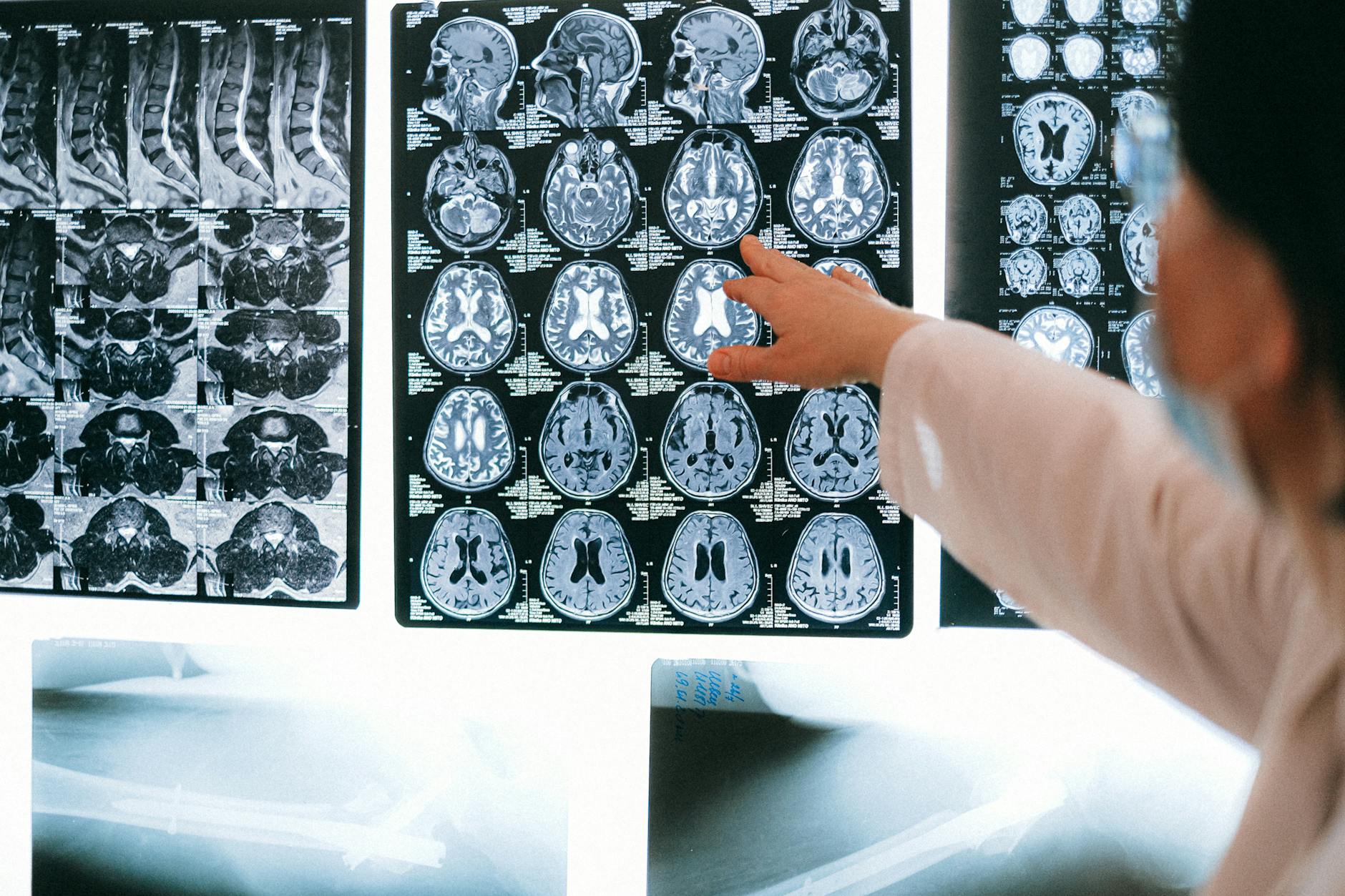
MRI and fMRI give a wide view, but they are slow and indirect. fMRI tracks blood flow changes over seconds and millimeters, not spikes in milliseconds. EEG is fast, but it blurs signals across large areas and skull. These tools catch snapshots, not the full dance of cells and synapses. We need to follow millions of neurons at once, across layers and regions, during real behavior. New probes, calcium imaging, and hybrid methods help, yet they still trade off speed, depth, and coverage. For a balanced review, see the 2024 survey on current brain imaging limits and future challenges.
Ethical and Practical Roadblocks in Brain Exploration
Deep access often means implants, surgery, and risk. Human trials must protect safety, privacy, and identity, which narrows what we can test. Animal studies face real ethical concerns and do not capture full human experience. Funding priorities tilt toward tools and near-term therapies, leaving theory and long-term datasets underpowered. This slows progress even as dementia and mental illness surge. There is hope. Optogenetics, high-density probes, and closed-loop brain stimulation already guide some treatments. Scale, consent, and careful translation will decide how fast they reshape medicine. The payoff would be earlier diagnosis, targeted therapies, and fewer side effects.
Conclusion
The brain still outruns our tools. Big projects raised hopes, then underdelivered on thoughts, meaning, and memory. Core mysteries persist, from consciousness and long-term storage to the roots of mental illness and why sleep restores some nights and fails on others. The hurdles are clear too, extreme complexity, partial tools, and hard ethical limits. That honest audit matters, it keeps claims tight and progress real.
The upside is real and near. By the 2030s, AI and smarter sensors should stitch wider, faster views of activity across the brain. High-resolution imaging, large-scale recordings, and more precise stimulation promise better maps and better tests. Digital platforms will connect labs, data, and methods, so ideas move faster and models get stronger. Brain-computer interfaces and gentler neuromodulation could bring more personal, adaptive care. None of this solves consciousness on its own, but it tightens the link between data, theory, and patient outcomes.
Keep your sense of wonder. Eighty-six billion neurons create a mind that tells stories, feels, and plans. Support open science, strong ethics, and fair access to care, they shape what gets built and who benefits. Share your take on consciousness or memory in the comments, and what evidence would change your mind. If this post helped, pass it on to a friend who loves hard problems. Thanks for reading, and stay tuned for deep dives on new tools, smarter models, and what they really explain.