


Sony A6000 Lenses 2025: Best New Upgrades for Sharper, Brighter Photos
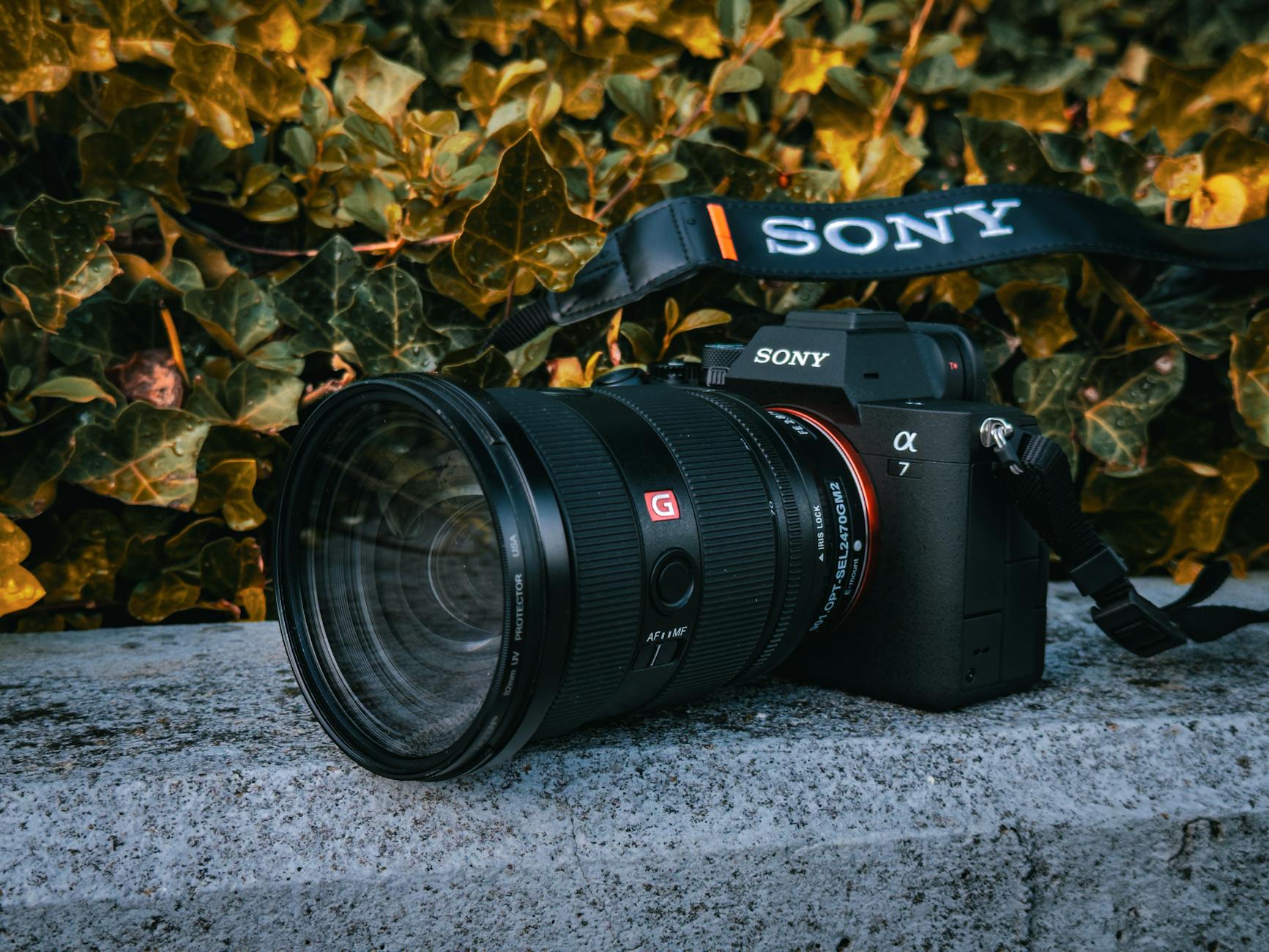 Sony Alpha A6000 Lenses 2025: New Upgrades for Better Photos
Estimated reading time: 9 minutes
Thank you for reading this post, don't forget to subscribe!Sony Alpha A6000 Lenses 2025: New Upgrades for Better Photos
Ten years on, the Sony Alpha A6000 feels new again. Fresh E-mount glass is breathing life into this little workhorse, and the gains are real for anyone who wants sharper detail, better low-light results, and more creative reach without buying a new body.
The A6000 stays a favorite for beginners and pros for good reason. It is compact, it focuses fast, and its 24MP sensor still delivers crisp files you can edit hard. Pair it with the right lens and you unlock a lot, from clean night shots to buttery portraits.
In 2025, Sony A6000 lenses 2025 options grow on both sides, Sony and third party. Expect brighter primes, smarter autofocus, improved coatings, and lighter builds that balance well on the A6000. You get speed and clarity, plus flexibility for travel, street, family, and video.
Want wider views for landscapes and astro? Ultra-wide primes like the 11mm range bring more sky and less noise. Need an everyday zoom with pro-level sharpness? Constant aperture options punch above their weight, and new telephoto choices from brands like Sigma add reach without adding bulk.
Real-world wins matter most. Think smoother background blur in portraits, cleaner indoor shots at lower ISO, and edge-to-edge sharpness for city scenes. The right lens turns this small camera into a reliable tool for paid work or weekend shoots.
Here is what this post covers, quick and clear. The best portrait upgrades for creamy bokeh, the top travel zooms for one-lens days, the strongest low-light primes, budget-friendly picks that hit above their price, and simple tips to match lenses with your A6000 for faster focus and sharper files.
Why the Sony A6000 Thrives with 2025 Lens Upgrades
The A6000 landed in 2014, yet it still earns a spot in 2025 bags. The secret is simple. Sony’s E-mount keeps getting better lenses, so your camera improves without buying a new body. Fresh glass fixes old pain points like light sensitivity, contrast, and edge sharpness. Pair that with a body that is small, fast, and affordable, and you have a kit that still punches hard. For ideas on what pairs well right now, see this practical roundup of A6000-ready lenses from Digital Camera World, and the living APS-C E-mount list that tracks new releases in 2025 on Les Deux Pieds Dehors.
Recap of A6000’s Core Strengths That Shine with New Lenses
Think of the 24.3MP APS-C sensor as a high-quality canvas. New lenses are the premium paints that bring out color, texture, and depth.
- 24.3MP APS-C: Delivers sharp files with room to crop. Modern optics lift micro-contrast and perceived dynamic range, so skies hold detail and shadows look cleaner.
- ISO up to 25600: Good for low light. Brighter f/1.4 to f/2 lenses let you shoot at lower ISO, which means less noise and richer tones.
- Compact body under 1 pound: Small body, big results. Light primes balance well and keep street or travel setups discreet.
- 11 fps burst + hybrid AF: Fast action and reliable tracking become more consistent with lenses that have quicker, quieter focus motors.
Bokeh gets an upgrade too. New primes with rounded blades produce smoother blur, so faces pop without busy backgrounds. Full-frame E-mount lenses also work on the A6000, and the 1.5x crop acts like a built-in reach booster. A 50mm becomes a tight 75mm portrait tool with creamy separation.
Real user wins you will notice:
- Cleaner indoor shots at lower ISO with f/1.8 or faster primes.
- Sharper edges on landscapes thanks to improved coatings and optical formulas.
- Smoother AF for kids, pets, and casual sports.
The E-Mount Ecosystem: Gateway to Cutting-Edge Optics
Since 2010, E-mount has exploded with options, from tiny pancakes to pro zooms. Today there are over 300 E-mount lenses across Sony and third parties, with many under $500 for budget builds. You also have over 70 native APS-C choices, plus the full-frame lineup for future body upgrades.
What 2025 brings for A6000 owners:
- Advanced coatings that cut flare and lift contrast.
- Optical stabilization in many lenses for steadier shots and smoother video.
- Better weather sealing for outdoor shoots and travel.
- Smarter autofocus from Sony, Sigma, and others that locks faster and focuses quieter.
This ecosystem makes the A6000 feel future-proof. Buy glass now, and it will follow you to your next E-mount body. That is why the camera still makes sense in 2025: portability, price, and a lens catalog that keeps growing.
Best New Lens Picks to Supercharge Your A6000 Shots
Ready to pull more detail, cleaner low light, and real pop out of your A6000? These fresh picks pair smart optics with compact builds, so you get pro-level results without a heavy kit. Think consistent exposure for video, crisp corners for landscapes, and buttery blur for portraits.
Sony’s Premium E-Mount Innovations for Everyday Versatility
Sony’s latest APS-C glass brings a clear jump in image quality. You will see tighter micro-contrast, cleaner edges, and fast, quiet focus that suits stills and video.
- Sony E 16-55mm f/2.8 G
- Why it works: A constant f/2.8 delivers steady exposure as you zoom, which is great for video and indoor shoots. AF is swift and silent, and sharpness stays strong across the frame on the A6000.
- Reality check: No OSS, so pair with good technique or a small gimbal for video. The optical performance makes up for it.
- Use it for: Street, travel, family, events. One lens you can leave on all day.
- Price: Around $900 to $1,000.
- For a hands-on take, see this travel-focused review of the lens performance on APS-C: A Traveler’s Review: Sony E 16-55mm F2.8.
- Sony E 11mm f/1.8
- Why it works: Ultra-wide, bright, and sharp, with minimal distortion for an 11mm prime. Fast focus and a small build fit the A6000 perfectly.
- Edge-to-edge quality: Strong corners at typical landscape apertures, which lifts your cityscapes and night skies.
- Use it for: Landscapes, astro, vlogging, interiors.
- Price: Around $450 to $550.
Third-Party Gems: Sigma and Meike for Budget Innovation
Third-party primes stretch your budget without cutting quality. They are fan favorites for a reason.
- Sigma 30mm f/1.4 DC DN
- Why it works: Big f/1.4 aperture for blurred backgrounds and low ISO indoors. AF is quick and quiet, and sharpness is impressive, even wide open.
- Use it for: Portraits, food, street at night.
- Price: Around $300 to $400.
- Meike 25mm f/1.8 (manual)
- Why it works: Manual focus for precise control and a classic look at a fraction of the price. Great for learning focus pulls and creative shots.
- Use it for: Casual portraits, B-roll video, moody street scenes.
- Price: Around $60 to $90.
- Community picks like these show up again and again in user threads, which helps for trust and longevity: Reddit discussion on A6000 lens upgrades.
Transform Your Photography: Real Benefits of These Lens Upgrades
Upgrading from the 16-50mm kit lens unlocks cleaner files, richer color, and stronger separation. With brighter apertures and sharper optics, you shoot at lower ISO, freeze motion indoors, and get detail that holds up in large prints. These innovative lenses for Sony A6000 bring real gains for travel, family, street, and even wildlife.
Unlock Low-Light and Portrait Power with Fast Apertures
Fast primes like f/1.4 and f/1.8 pull in much more light than the kit zoom. That means you use lower ISO at dusk or indoors, so your A6000 files look cleaner with less grain. You also get a shallow depth of field that isolates faces and makes backgrounds melt.
- Cleaner high ISO: An f/1.4 prime can drop ISO from 6400 to 1600 in the same light, which lifts color and saves detail.
- Subject isolation: At portrait distance, eyes stay crisp while backgrounds blur into soft shapes.
- Real example: The Sigma 30mm f/1.4 is a small, sharp portrait lens that focuses well in dim rooms. See an in-depth take on its AF and wide-open sharpness here: Review of the Sigma 30mm f/1.4 DC DN.
Try Aperture Priority (A mode), pick f/1.4 to f/2, and set Auto ISO with a minimum shutter near 1/125s for people. You will get bright, clean family photos at home, and eye-catching portraits outdoors.
Versatile Zooms and Primes for Every Adventure
A high-quality standard zoom like the Sony 16-55mm f/2.8 covers wide to short telephoto in one lens. You keep a constant f/2.8, so indoor events and street scenes stay sharp without riding ISO. It is a major step up from the 16-50mm kit lens, which softens at the edges and loses light as you zoom. For a balanced field report, see this review: Sony E 16-55mm f/2.8 G Lens Review.
Primes bring a different kind of creativity. A compact Meike 25mm f/1.8 (manual) forces you to move, think about framing, and nail a look. It shines for moody street scenes and tight spaces.
- Travel kit win: The 16-55mm handles cityscapes at 16mm, food at 35mm, and portraits at 55mm, all without bulk.
- Range boost: On APS-C, 55mm acts like 82.5mm, perfect for candid family moments or pets in the yard.
- Quick setup: Use Aperture Priority at f/2.8, Auto ISO, and a minimum shutter near 1/250s for moving subjects.
These upgrades extend the A6000’s range without weighing you down. You get speed, clarity, and a kit that stays fun to carry.
Conclusion
The A6000 still earns its spot in 2025, and fresh E-mount glass makes it shine brighter. Newer APS-C lenses from Sony and trusted third parties add real gains in sharpness, contrast, and autofocus, without forcing a body upgrade. You keep a small, fast camera and add modern optics that lift low-light performance, smooth out bokeh, and keep corners clean.
Start simple and smart. Add one lens that changes how you shoot. The Sigma 30mm f/1.4 DC DN is a perfect first step, sharp, bright, and affordable. If you want a do-it-all zoom, the Sony 16-55mm f/2.8 G stays consistent across the range. For wide scenes and astro, the Sony 11mm f/1.8 brings big views with solid corners. Even a budget manual like the Meike 25mm f/1.8 can revive your creative flow.
Pick the lens that fits your days, then go make pictures. You will feel the upgrade at home, on trips, and on paid gigs. No new camera needed, just the right glass and a kit that remains light and fun.
Tell us what lens moved the needle for you in the comments. If this guide helped, check the affiliate links for current deals and support the site at no extra cost. Thanks for reading, and happy shooting.