



Supreme Court Acts on North India Floods 2025: Explore how deforestation raised flood risks and what future solutions are needed.
 Supreme Court Acts
Estimated reading time: 13 minutes
Thank you for reading this post, don't forget to subscribe!Supreme Court Steps In: North India’s 2025 Flood Disaster Highlights Urgent Need for Environmental Action (HD Images & Future Solutions)
Heavy monsoon rains in 2025 slammed North India, leaving a trail of flooded villages and landslides through Punjab, Uttarakhand, Himachal Pradesh, and Jammu and Kashmir. These states saw their worst flooding in decades, with thousands forced to evacuate and entire communities cut off as rivers swelled and hillsides gave way.
The scale of the disaster pushed the Supreme Court to take suo moto action, quickly issuing notices to the central government and all four states for urgent answers. Stories of felled trees and logs floating in the raging waters have put illegal deforestation in the spotlight, raising serious questions about how weakened forests may have made the floods worse.
This post will help you understand the link between environmental policy failures and the rising toll of climate disasters in the region, setting the stage for what needs to change now for people and the environment.
Future Vision:
Watch a quick recap here:
Scale and Impact of 2025 North India Floods
The 2025 monsoon floods in North India have deeply shaken the region, with widespread devastation across Punjab, Uttarakhand, Himachal Pradesh, and Jammu and Kashmir. This disaster has not only caused immense human suffering but also exposed critical environmental and infrastructural weaknesses that demand urgent attention.
Widespread Damage Across States
Each state faced severe flooding and landslides, leading to loss of life, displacement, and massive damage to property and farmland:
- Punjab: Hit by its worst floods since 1988, over 1,400 villages were inundated. More than 350,000 residents had to evacuate, and over 3.7 lakh acres of agricultural land was submerged, crippling a predominantly agrarian economy. The scale of this flood disaster in Punjab was declared a state calamity, reflecting the widespread impact.
- Uttarakhand: Frequent flash floods and landslides led to more than 80 deaths. Mountainous terrain amplified water runoff, causing dangerous debris flows that disrupted communities and vital roads.
- Himachal Pradesh: Recorded the highest rain since 1949 during August 2025, triggering severe landslides and land subsidence. Fatalities crossed 340, with many missing. This state’s fragile hill ecosystem was pushed beyond limits by the incessant rains.
- Jammu and Kashmir: The Jammu region especially suffered from cloudbursts, floodwaters, and repeated landslides. The vital Jammu-Srinagar national highway was shut multiple times, halting travel and pilgrimage activities like the Vaishno Devi route.
The capital region, Delhi, although urban, faced serious waterlogging and flooding issues. The Yamuna River breached danger levels due to sustained water discharge, affecting thousands of residents and critical infrastructure.
Human and Environmental Toll
The floods resulted in:
- Hundreds of deaths and missing persons.
- Large-scale displacement and emergency evacuations.
- Extensive damage to homes, farmlands, roads, and bridges.
- Disrupted supply chains and public services.
Environmental disruption was severe, with many landslides linked to weakened soil and deforestation. The floating timber logs seen in swollen rivers highlight possible illegal logging activity that may have reduced natural flood defenses. These factors worsened the intensity and spread of the disaster.
Role of Illegal Tree Felling and Environmental Oversight
A striking detail that caught the Supreme Court’s attention was the presence of numerous wood logs floating downstream, which raises red flags about illegal tree felling. Experts suggest that the loss of forest cover limited the land’s ability to absorb heavy rainwater, increasing runoff and landslide risks. The court’s suo motu notice explicitly links these environmental lapses with the flood impact, underscoring a pressing need for stronger forest protection policies.
Quantifying the Floods: A Snapshot Table
| State | Deaths Reported | Villages Affected | Farmland Submerged | Key Issues |
|---|---|---|---|---|
| Punjab | 37+ | 1,400+ | 3.7 lakh acres | Worst floods since 1988, agrarian damage |
| Uttarakhand | 80+ | Not specified | Not specified | Flash floods, landslides |
| Himachal Pradesh | 340+ | Not specified | Not specified | Highest rainfall in 76 years, land subsidence |
| Jammu & Kashmir | Not specified | Not specified | Not specified | Cloudbursts, highway closures |
| Delhi | Not specified | Urban flooding | N/A | Waterlogging, Yamuna breaches |
This table offers a brief yet clear summary of the flood scale and impact across states.

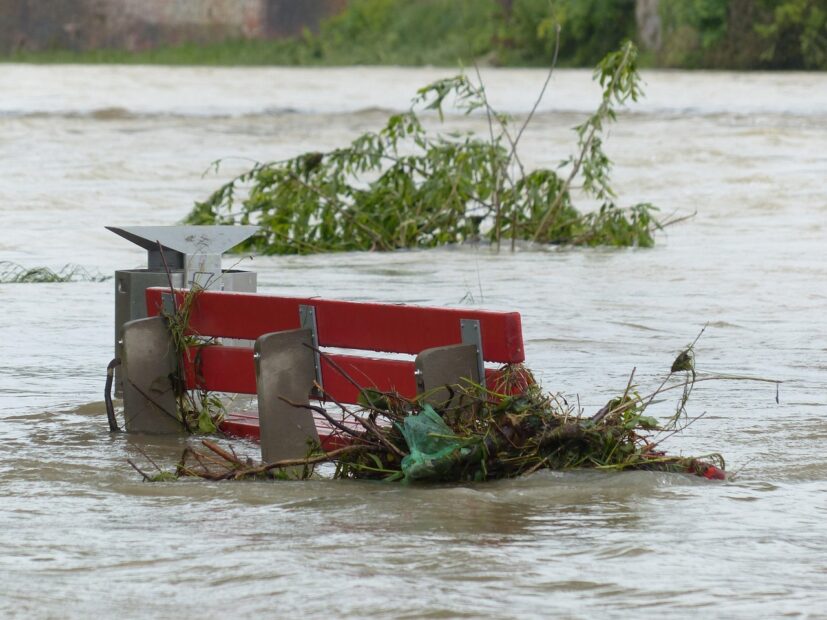
Photo by Shantum Singh
The scale and impact of the 2025 floods reveal how interconnected human activities and natural phenomena are. The Supreme Court’s urgent notices to the Centre and affected states are a wake-up call to balance development and environmental protection to prevent such tragedies in the future.
For more detailed coverage of the Supreme Court’s intervention and the unfolding crisis, visit the Economic Times report on flood devastation.
Supreme Court’s Suo Moto Intervention and Key Concerns
In the wake of the unprecedented monsoon floods across North India in 2025, the Supreme Court of India has stepped into the spotlight with suo moto intervention. This action recognizes the urgent need to address the disastrous consequences faced by Punjab, Uttarakhand, Himachal Pradesh, and Jammu and Kashmir due to massive flooding and landslides. The Court’s attention highlights serious gaps in disaster management and environmental governance by authorities at various levels.
Public Interest Litigation and Required Government Response
The Supreme Court’s trigger for intervention came via a suo moto Public Interest Litigation (PIL), initiated to address growing concerns over the government’s handling of disaster prevention and mitigation. The PIL lays bare several critical failings:
- Lack of Adequate Preparedness: Despite warnings of heavy monsoon rains, affected states were not sufficiently prepared for the scale of flooding. Emergency responses were slow and disorganized.
- Environmental Negligence: The PIL points to rampant illegal tree felling, unchecked construction, and large hydroelectric projects executed without proper environmental assessments. This ecological damage has destabilized river basins and hillsides, worsening flood impacts.
- Infrastructure Fragility: Key infrastructure, including roads, bridges, and dams, showed alarming vulnerability to the monsoon onslaught, contributing to tragic loss of life and prolonged disruptions.
The petitioners demanded the formation of a Special Investigation Team (SIT) to probe the root causes of both the natural and man-made factors behind the disaster. The SIT is expected to examine illegal logging activities, environmental clearance violations, and the role of developmental projects negatively impacting the hill ecology. This step signals the Court’s intent to push for accountability alongside remediation.
To ensure swift and effective government action, the Supreme Court has:
- Issued notices to the Central Government and the affected state governments (Punjab, Uttarakhand, Himachal Pradesh, Jammu and Kashmir).
- Set a strict timeline of three weeks for these authorities to submit detailed reports on:
- Steps taken post-floods for immediate relief and rehabilitation.
- Long-term plans to strengthen disaster preparedness and environmental protection.
- Requested an expedited action plan that balances development needs with ecological sustainability to prevent future calamities.
The Court’s insistence on a timeline reflects the high stakes. Every delay in response prolongs suffering and leaves millions vulnerable to recurring disasters. With monsoon seasons growing more erratic, timely interventions are critical for saving lives and preserving fragile ecologies.
By taking suo moto cognizance, the Supreme Court has sent a clear message: government agencies cannot afford to overlook the links between environmental degradation and disaster risk. Action is no longer optional—it is necessary to safeguard the future of these flood-prone regions.
To read further on the Supreme Court’s orders and government response, check the Business Standard report on the SC’s notice and NDMA’s role.
Root Causes: Balancing Development and Environment in the Himalayas
Finding the right balance between development and environmental protection in the Himalayas is a complex challenge. The 2025 floods have pushed this issue into the spotlight, revealing how aggressive development without adequate safeguards can disrupt fragile mountain ecosystems. The Himalayas’ steep slopes, delicate soil, and rich forests are vital in regulating water flow and preventing disasters. Yet, rapid infrastructure growth, deforestation, and climate change have altered this balance, making the region far more vulnerable to floods and landslides.
How Development Pressures Heighten the Risks
Economic growth in hill states like Himachal Pradesh, Uttarakhand, and Jammu and Kashmir has accelerated in recent decades. Roads, hydropower projects, tourism infrastructure, and urban expansion promise prosperity but often come at an environmental cost:
- Unplanned Construction strips away vegetation that stabilizes soil. Hillsides become prone to erosion and landslides when trees and shrubs vanish.
- Hydroelectric Projects divert rivers and change water flows, which disturbs long-standing natural drainage patterns.
- Road Building often cuts into slopes without proper safeguards, triggering landslides especially when heavy rains hit.
- Deforestation and Illegal Logging reduce the forest cover that normally works like a natural sponge, soaking up rainwater and reducing runoff.
When these activities happen without strict environmental impact assessments and sustainable practices, they weaken the natural defenses that prevent floods. It is like removing the dam before the flood arrives.
Environmental Degradation Is Not Just Accidental
While extreme weather events like heavy monsoon rains are natural, the increasing frequency and intensity of floods often stem from human-made changes:
- Loss of forests due to illegal tree felling has stripped the landscape of buffers that slow water.
- Encroachments on riverbanks and wetlands rise the flood risk.
- Unsustainable agricultural practices on hill slopes contribute to soil erosion.
Experts stress that the floods are not merely climatic anomalies but symptoms of ecological mismanagement. A report on the 2025 Himalayan disasters highlights how ecologically protective policies and community-based forest management could have lessened the damage significantly (Countercurrents).
The Role of Climate Change Compounds the Problem
Climate change has upset the delicate Himalayan climate. Warming temperatures lead to:
- Earlier snowmelt and unpredictable glacier behavior.
- Increased rainfall intensity during monsoon storms.
- More frequent cloudbursts and erratic weather patterns.
This adds pressure to fragile ecosystems already handicapped by development. The result is an ecosystem “on edge,” prone to tipping into disaster under stress.
The Need for Sustainable Himalayan Development
Moving forward means redesigning growth models for the mountains with both nature and people in mind. Sustainable development in the Himalayas includes:
- Strict Enforcement Against Illegal Logging and Unplanned Construction.
- Eco-friendly Hydropower and Infrastructure Projects with community consultations.
- Reforestation Programs and Soil Conservation Techniques.
- Strengthening Local Governance and Community Forest Rights to protect forests.
- Comprehensive Disaster Risk Assessment integrating climate projections.
A Facebook environmental group dedicated to Himalayan progress emphasizes real progress won’t come from flashy projects or unchecked expansion but from “development that respects the natural environment and the livelihoods of mountain communities” (Facebook source).

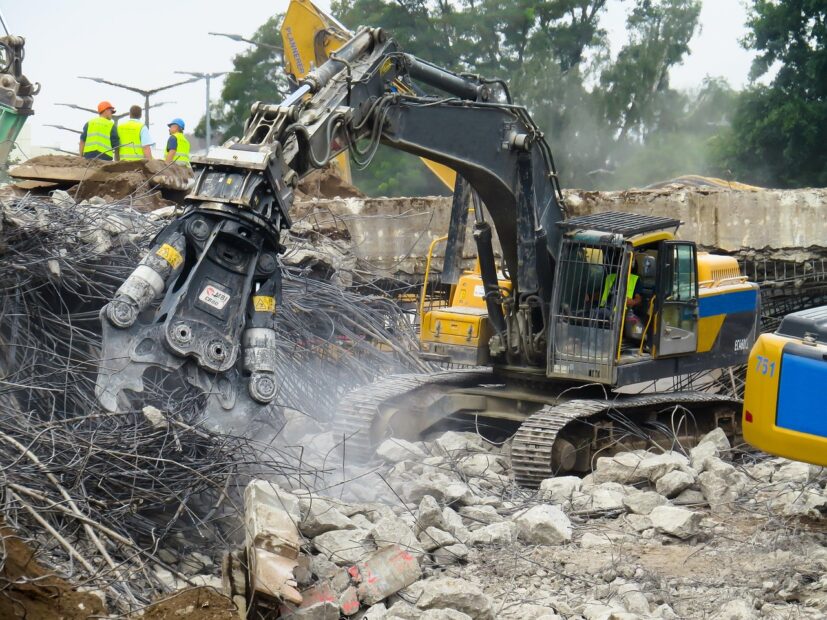
Photo by Prakash Aryal
The floods of 2025 warn us that ignoring the environment in the Himalayas carries a high price. The future of these mountains depends on balancing growth with respect for nature’s limits—a balance that, if struck well, can keep communities safe and thriving.
Relief Efforts, Long-Term Solutions, and the Way Forward
The recent monsoon floods in North India have triggered a massive emergency response and sparked critical conversations about sustainable recovery and prevention. As thousands were displaced and communities struggled to cope, relief efforts kicked into high gear. Yet, these immediate responses only scratch the surface. Meaningful change requires long-term solutions rooted in strong policy, environmental protection, and community participation. Let’s explore the current relief actions, what needs to be done for the future, and how all stakeholders can move forward.
Immediate Relief Efforts Across Affected States
Coordinated relief work has been central since the floods began. Rescue operations by the Army, National Disaster Response Force (NDRF), and local agencies worked against the clock:
- Over 19,000 people evacuated from Punjab alone, with relief camps providing food, medical aid, and shelter.
- In Jammu & Kashmir, the military and civil authorities rescued thousands trapped by landslides and floods.
- Uttarakhand and Himachal Pradesh saw mass evacuations from vulnerable hill areas, with roads cleared to restore access.
- Delhi witnessed the evacuation of over 10,000 residents in low-lying flood-prone zones.
Relief material like dry rations, clean water, medicines, and clothes were rushed to camps, while emergency medical teams treated injuries and prevented disease outbreaks. Efforts also focused on restoring damaged infrastructure such as roads and power lines for quicker recovery.
Despite these challenges, the scale of the floods tested coordination and resource limits. This reveals a need for faster preparedness, better early-warning systems, and stronger local capacity for immediate action.
Long-Term Solutions Rooted in Prevention and Sustainability
Beyond relief, the 2025 floods underline urgent changes to reduce the risk and impact of future disasters:
1. Strengthening Forest and Watershed Protection:
Illegal logging, a key factor flagged by the Supreme Court, must be stopped through stricter enforcement and community forest management. Healthy forests act like natural sponges, absorbing rainwater and stabilizing soil to prevent floods and landslides.
2. Sustainable Land-Use and Construction Regulations:
Urban and hill area expansion requires tighter regulation. Construction on vulnerable slopes and floodplains must follow rigorous environmental assessments to avoid disturbing fragile ecosystems. Zoning laws should incorporate flood risk maps developed with scientific input.
3. Investing in Flood-Resilient Infrastructure:
Bridges, roads, and drainage systems must be rebuilt or reinforced with an eye toward withstanding extreme weather events. This includes upgrading early-warning systems and improving river embankments to manage high water flow safely.
4. Integrated Water Management:
River basin management must balance human needs with ecological integrity. Restoring wetlands and natural floodplains can reduce downstream floods. Coordinated water release from dams during peak rainfall is critical to prevent overflow.
5. Community Involvement and Preparedness:
Local communities should be empowered through disaster education, training, and involvement in forest and watershed programs. Their firsthand knowledge is invaluable in planning and rapid response.
The Way Forward: Policy, Coordination, and Accountability
The Supreme Court’s suo moto action has elevated these issues, pressuring governments to respond swiftly. But governance must translate intentions into sustained policies and actions:
- Central and State Governments must work closely and transparently to share data and align disaster management plans.
- Special Investigation Teams (SIT) should rigorously examine environmental violations, ensuring accountability for illegal tree felling and unchecked construction.
- Agencies like the National Disaster Management Authority (NDMA) need increased funding and authority to enforce preparedness measures.
- Investments in real-time meteorological data and communication networks will improve warnings and save lives.
Ultimately, the disaster is a reminder that protecting nature isn’t optional; it is necessary for all aspects of life. The region’s well-being depends on rebuilding with respect to the environment and adapting to climate challenges proactively.
For more insights on the government’s response and judicial interventions, you can read the recent Indian Express coverage on the Supreme Court’s demand for Centre and NDMA’s response.
Images are essential to capture the human and environmental dimensions of these floods. High-resolution photos from relief camps, damaged villages, and reforestation efforts help convey the ongoing efforts and hope for recovery.
Conclusion
The Supreme Court’s urgent suo moto intervention highlights the need for swift, balanced action from the government, judiciary, and civil society to address North India’s flood disaster. Protecting forests, enforcing environmental laws, and planning sustainable development must become priorities to safeguard fragile hill ecosystems and vulnerable communities.
This disaster is a clear warning that ignoring environmental harm only deepens future risks. Strong, coordinated policies that respect nature’s limits and integrate disaster preparedness are essential to break the cycle of devastation.
Moving forward, collective responsibility and sustained commitment will be key to rebuilding safer, greener, and more resilient regions. A future where children return to schools and villagers rebuild homes with nature in mind is within reach—if action follows quickly.