

Tamil Nadu Vijay Rally Stampede 2025: What Happened & Prevention
 Tamil Nadu Vijay Rally Stampede 2025: What Happened & Prevention
Estimated reading time: 7 minutes
Thank you for reading this post, don't forget to subscribe!The Tamil Nadu Vijay Rally Tragedy: What Happened and How to Prevent Future Stampedes
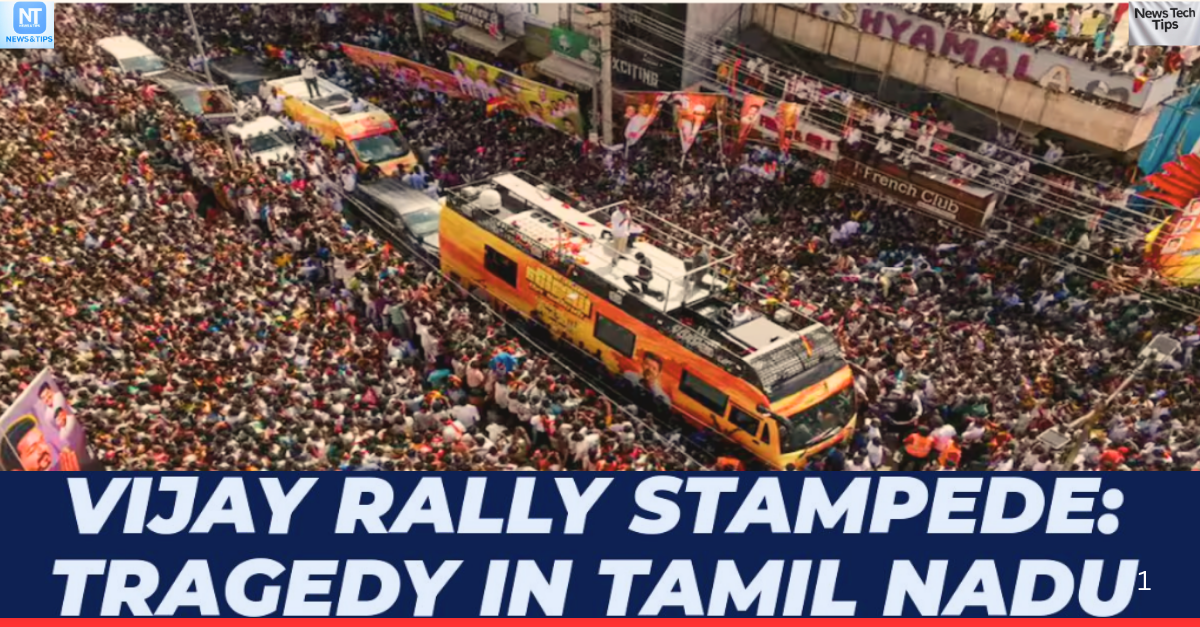
A sudden surge of people, a moment of chaos, and a day meant for celebration turned into one of the worst tragedies in Tamil Nadu’s recent history. On September 27, 2025, a massive crowd gathered in Karur for actor-turned-politician Vijay’s Tamilaga Vettri Kazhagam (TVK) rally. What started with excitement ended in a devastating crowd crush, claiming at least 39 lives, including children, and injuring over 150 people.
The sheer scale of the gathering, estimated between 30,000 and 60,000 attendees, far exceeded official permissions. Combined with a delayed start, extreme heat, and reported lapses in crowd management, the conditions were ripe for disaster. This post unpacks the sequence of events, examines the factors that led to the stampede, and explores the critical lessons we must learn to prevent such a loss from happening again.
You can see footage from the scene in this video:
What Exactly Happened During the Vijay Rally Stampede?
The Vijay rally stampede in Karur wasn’t a single, sudden event. It was a cascade of failures, a perfect storm of anticipation, heat, and a critical lapse in crowd control. The tragedy unfolded in distinct phases, each one adding pressure to a situation that eventually became unmanageable. Understanding the sequence of events helps us see how a day of political excitement turned into a nightmare.
The Build-Up: A Massive Crowd Gathers in Expectation
From the early morning, supporters began streaming into the rally ground in Velusamypuram, Karur. The energy was electric. Many had traveled long distances to see their leader, actor-politician Vijay. They arrived with hope and excitement, finding spots near the stage hours before his scheduled noon speech. But the conditions were harsh. The sun was relentless, with temperatures soaring and little to no shade available. Basic necessities like food and water were scarce. Families, including women and young children, waited patiently as the hours dragged on. The crowd, estimated between 30,000 and 60,000, swelled far beyond what the venue could safely hold. Frustration grew with each passing hour as Vijay’s arrival was delayed. This long, uncomfortable wait in the sweltering heat set the stage for disaster, as detailed in reports on the Anatomy of the tragedy.
The Trigger: Chaos Erupts Over a Missing Child
Around 7:30 PM, a critical incident sparked the panic. A nine-year-old girl was reported missing in the dense crowd. The news spread quickly, causing a wave of concern. People near the area surged toward the spot where she was last seen, near a generator shed and a TV broadcast van. This sudden, frantic movement happened to coincide with Vijay’s belated arrival at the venue. The two converging forces—the search for the child and the rush to see the leader—created a dangerous bottleneck. Security personnel were overwhelmed. The crowd’s movement became a chaotic crush. People at the front were pushed forward with incredible force, while those behind, unaware of the cause, pressed in further. The situation spiraled out of control in minutes.
The Aftermath: Heroes Emerge Amid Heartbreak
The immediate aftermath was a scene of utter devastation. The stampede left 39 people dead, including eight children, and injured more than 50 others. Local hospitals were suddenly flooded with casualties, struggling to cope with the influx. Ambulances faced immense difficulty navigating through the traffic and crowds to reach the injured. Amid the tragedy, moments of humanity shone through. Volunteers and fellow attendees worked desperately to pull people from the chaos and provide first aid. On stage, Vijay, upon learning of the disaster, paused his speech. He appealed for calm and urged his supporters to help with the search for the missing girl and to assist the injured. The community’s response was immediate, with people offering water and transport. The latest updates on the tragedy confirmed the heartbreaking final toll and the heroic efforts of first responders and citizens alike.
Government Response and Ways to Avoid Future Tragedies
In the wake of the Karur tragedy, swift action from government officials and a heartfelt response from Vijay himself have highlighted the urgent need for accountability and change. The focus has shifted from simply assigning blame to creating systems that can prevent such a disaster from ever happening again. This section looks at the immediate official response and the practical, forward-looking steps that can save lives at future public gatherings.
Official Aid and Investigation Underway
Tamil Nadu Chief Minister M.K. Stalin moved quickly to address the crisis. He visited the injured in the hospital and met with grieving families, offering his personal condolences. His administration announced a compensation of ₹10 lakh for the family of each person who died. More importantly, he ordered a full investigation into the event’s lapses. This probe, to be led by a retired judge, will focus on key failures: why the crowd was allowed to grow so far beyond the permitted size, and why the emergency response faced significant delays. Security was also increased at Vijay’s residence as a precaution. The goal is clear: to ensure full accountability and identify exactly what went wrong. You can read more about the official response in this report from PBS NewsHour.
Vijay’s Personal Reaction to the Loss
On stage, the moment Vijay learned of the tragedy was palpable. He immediately halted his political address, his focus shifting entirely to the wellbeing of his supporters. He made a public appeal for calm and directed his party workers to assist the injured. Later, he expressed his profound grief, stating his heart was “shattered” and that he was “writhing in unbearable pain.” His party, the Tamilaga Vettri Kazhagam (TVK), has pledged to cooperate fully with the investigation and to implement much stricter safety protocols for all future events. This personal leadership in a moment of crisis showed a deep connection to his supporters and a commitment to learning from this heartbreaking event. His first public statement was covered by the Times of India.
Practical Steps for Safer Political Gatherings
The most critical outcome of this tragedy must be concrete change. We can honor the victims by turning grief into action. Here are essential improvements for managing large crowds safely:
- Strict Capacity and Permitting: Event permits must be based on a realistic, scientifically determined capacity for the venue. Organizers must be held legally responsible for not exceeding this number. This means using ticketing or pre-registration for large rallies.
- Crowd Flow and Basic Amenities: Clear, wide pathways for entry and exit are non-negotiable. Multiple hydration stations and shaded rest areas must be planned for events in hot weather. Medical tents with trained personnel should be visible and easily accessible.
- Advanced Monitoring and Communication: Technology can be a lifesaver. Using drone footage or crowd density software can give organizers a real-time view of pressure points. A robust public address system is vital for directing crowds calmly during an emergency.
- Special Protocols for Vulnerable Groups: Designated, safer family zones can protect children and the elderly. Having a clear, well-publicized lost-and-found procedure can prevent the kind of panic that helped trigger this stampede.
- Training and Drills: Security and volunteer staff need specific training in crowd management, not just security. Running drills for different emergency scenarios ensures everyone knows their role when seconds count.
By adopting these measures, we can create an environment where political enthusiasm doesn’t come at the cost of human life. The goal is simple: to ensure that a day of celebration never turns into a day of mourning again.