ULFA(I) Militant Neutralized in Namsai, Security Impact for Assam, Arunachal 2025
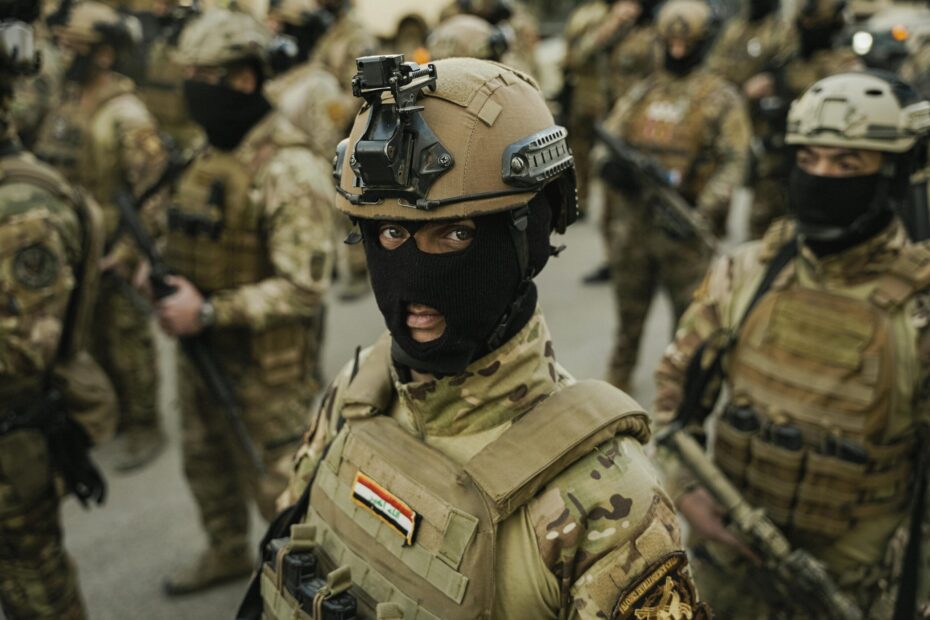 ULFA(I) Militant Neutralized in Namsai, Security Impact for Assam, Arunachal 2025
Estimated reading time: 7 minutes
Thank you for reading this post, don't forget to subscribe!ULFA(I) Militant Neutralized in Namsai District: What It Means for Assam and Arunachal
On October 22, 2025, Indian security forces neutralized a ULFA(I) militant in Namsai District, Arunachal Pradesh. The joint operation involved the Indian Army and Assam Rifles. The militant was identified as Iwon Axom, a self-styled Sergeant Major in ULFA(I). Weapons were recovered from the site after the encounter. For people in Assam and Arunachal, this matters because it affects safety, movement, and ongoing checks near key roads and towns. The sections below explain what happened, who was involved, why it matters, and a simple background on ULFA(I).
You can also read early reports from national outlets like ThePrint’s report on the Namsai operation and NDTV’s update on the encounter at the Six Mile area in Namsai district (NDTV coverage).
What Happened in Namsai on October 22, 2025
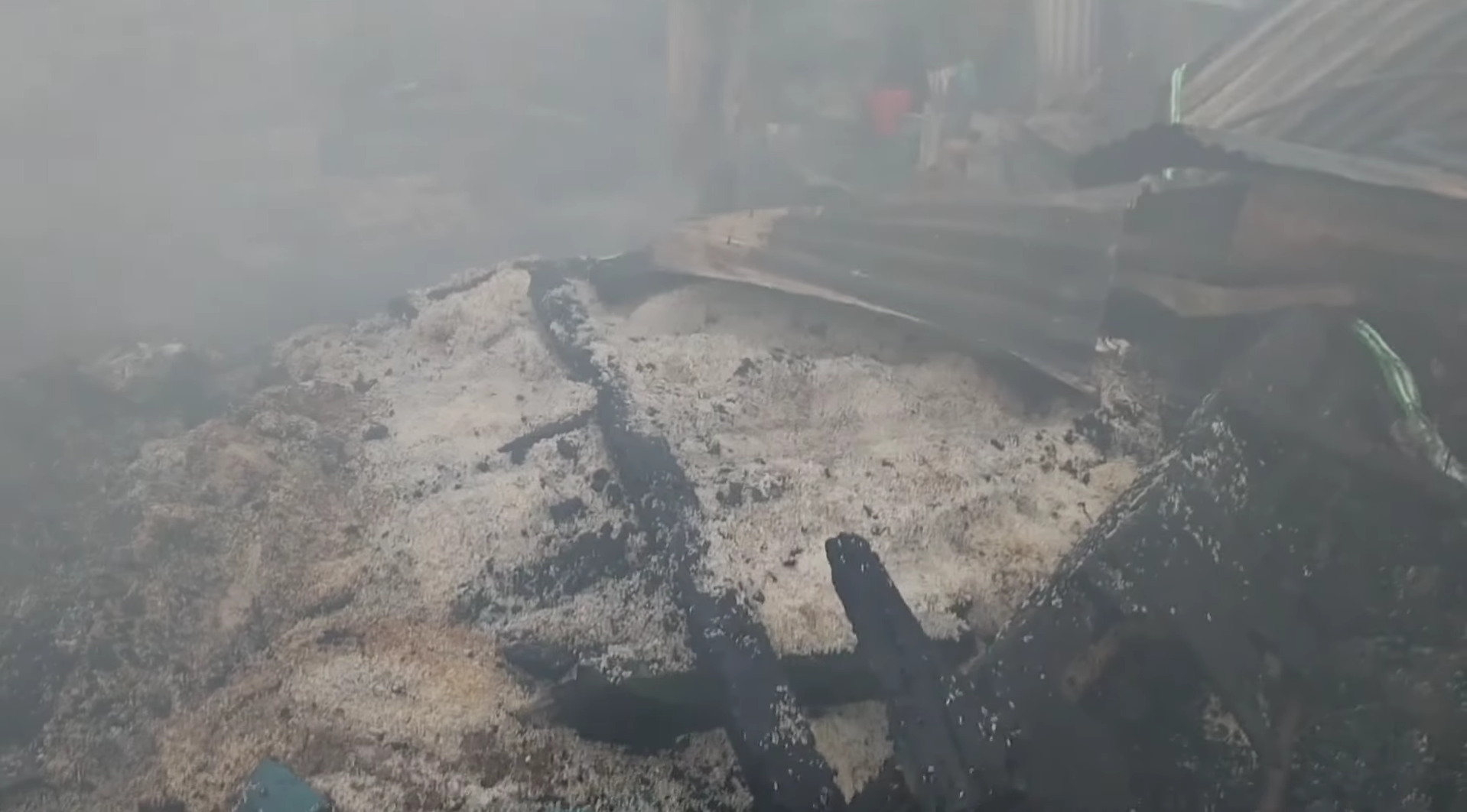
Security forces carried out a joint operation in Namsai district based on inputs about militant movement. There was a brief gunfight with a ULFA(I) cadre. After the encounter ended, troops searched the spot. During the search, they found the body of the militant. Weapons were also recovered at the site. No graphic details were released.
Date and place: a quick snapshot
- Date: October 22, 2025.
- Place: Namsai District, Arunachal Pradesh, near the Assam border.
This setting matters because border districts need close coordination across state lines for quick response and follow-up checks.
How the joint operation unfolded
Security forces, from the Indian Army and Assam Rifles, engaged a ULFA(I) cadre during a search in the district. Shots were fired. After the exchange ended, a search team moved in. The body of one militant was found at the spot.
Arms recovered at the site
Weapons were recovered after the encounter. Public reports indicate recovery of arms and related items. Details on the exact types were not specified in every update.
Identity confirmed: SS Sgt Maj Iwon Axom
Officials identified the deceased as Iwon Axom. The group described him as a self-styled Sergeant Major in ULFA(I), which means the title is used within the group, not a formal military rank.
For a quick look at how local media framed the event, see the clip shared by Northeast Live on Facebook, which cites the location under Namsai police station: Northeast Live video post.
Who Was Involved: Indian Army, Assam Rifles, and ULFA(I)
The Indian Army and Assam Rifles led the joint operation in the district. ULFA(I) is the group named in the encounter report. The focus here is on roles and identity, not tactics.
ULFA(I) stands for United Liberation Front of Asom, Independent. It is a banned outfit that seeks an independent Assam. The group split from the larger ULFA after differences over peace talks.
Indian Army and Assam Rifles: roles in the Northeast
These forces often conduct joint operations in sensitive districts. They share inputs with state police, then move on leads when a threat is flagged. Their goal is to limit movement of armed groups, protect roads, and guard key sites.
They also coordinate across borders inside the region. This helps when a cadre slips from one district to another, or when a case links Assam and Arunachal. Simple coordination saves time and reduces gaps.
ULFA(I) in brief: goals and methods
ULFA(I) seeks a separate Assam outside India. It is a banned outfit. The group has used violence to press its goals. Reported acts include bombings, kidnappings, and attacks on security forces across parts of Assam and nearby areas. The language here is plain because the aim is clarity, not drama.
ULFA vs ULFA(I): what changed
The main ULFA faction entered a ceasefire and talks in 2011. ULFA(I) refused to join that process and stayed active underground. Since then, the split has shaped security work in upper Assam and across nearby districts. ULFA(I) kept its armed wing, while the talks faction chose a political track.
Where ULFA(I) operates today
ULFA(I) remains active in Assam. At times, the group moves or sets up in neighboring areas, including parts of Arunachal Pradesh. The Namsai encounter is one more sign that activity can shift across state lines. This is why border belts like Namsai stay under watch.
For a concise news summary and confirmation of the joint role of the Army and Assam Rifles, see ThePrint’s coverage.
Why This Encounter Matters for Assam and Arunachal Security
Encounters like this send clear signals. Security forces are active along the Assam-Arunachal belt. People may see more patrols and checks for some time. This section offers simple tips and context.
Local safety and travel: what to expect
- Expect more patrols at town entries, bus stands, and key junctions.
- Carry a valid ID when you travel. Keep it handy.
- Follow official advisories from district police, the state government, and Army or Assam Rifles press notes.
- Do not spread rumors on social media. Share only verified posts.
- If you see something unusual, report it to local police or district control rooms.
Why Namsai is in focus now
Namsai is not a usual hotspot for ULFA(I). This incident shows the group can shift routes or hide in new places. That is why border districts need steady coordination and quick response.
What to watch in the coming weeks
There may be more checks on highways and feeder roads between Assam and Arunachal. Joint teams could carry out follow-up searches. Expect alert levels to stay high in the near term. If you live or work near forest edges or river routes, keep local helpline numbers saved.
Peace talks status as of October 2025
There is no major new peace talk reported with ULFA(I) as of October 2025. The group has not joined the formal process that other factions accepted.
For more context on how national media reported the Namsai encounter and its location details, you can read the NDTV update: NDTV’s Namsai report.
ULFA(I) Background: A Simple Guide
This primer offers quick points you can use to understand future updates in the region. Keep it as a reference for news you may see in the coming weeks.
Origins and the split from ULFA
ULFA(I) formed after a split within the larger ULFA. The break came over talks with the government. One side paused violence and joined talks. The other, ULFA(I), kept fighting.
Common tactics and risks to civilians
- Blasts near roads or markets
- Extortion from businesses or contractors
- Kidnappings for ransom
- Attacks on security patrols
- Movement across borders to evade checks
Community awareness helps. Stay calm, note details, and report concerns to local officials.
Government response and community role
Security forces conduct area checks, track movement, and carry out targeted operations. The government also runs outreach with local leaders and youth groups to reduce the lure of armed groups. Citizens help by sharing timely tips with police or the district administration. Verified information is the most useful tool.
Stay informed with trusted updates
Follow official channels of the state police and district administrations. Check press statements from the Army and Assam Rifles. Use credible local news for day-to-day updates. Avoid forwarding unverified social posts. It keeps everyone safer.
You can also watch short news clips from regional outlets for a sense of ground reports. One example is Northeast Live’s brief on the Namsai case, shared on Facebook: Northeast Live clip.
Conclusion
On October 22, 2025, in Namsai District, a joint Indian Army and Assam Rifles operation neutralized a ULFA(I) cadre identified as SS Sgt Maj Iwon Axom. The body was found after the encounter during a search, and weapons were recovered. This case matters for Assam and Arunachal because it highlights cross-state security risks and the need for alert patrols. Stay with official updates, avoid rumors, and report any concerns to local authorities. Steady awareness and verified information help keep communities safe.